Introduction to Solar-Powered Automated Drip Irrigation Systems
Solar-powered automated drip irrigation systems represent a revolutionary approach to gardening and agriculture, integrating modern technology with sustainable practices. These systems utilize solar energy to power irrigation components, ensuring that water is delivered efficiently and effectively to plants while minimizing environmental impact.
The core function of a solar-powered automated drip irrigation system involves the controlled release of water directly to the root zones of plants through a network of tubing and emitters. This method significantly reduces water wastage compared to traditional irrigation methods, as it targets moisture where it is most needed, promoting healthier plant growth and conserving resources.
Utilizing solar power for irrigation offers numerous benefits, paramount among them being sustainability. With rising concerns over climate change and dwindling water supplies, the transition to renewable energy sources like solar is essential. Solar-powered systems operate independently of the electrical grid, making them especially suitable for remote or off-grid locations where traditional power sources are unavailable or impractical.
Cost-effectiveness is another significant advantage of solar-powered irrigation systems. While the initial investment may be higher compared to conventional systems, the long-term savings on utility bills and maintenance costs contribute to a favorable return on investment. Moreover, as technology advances, the price of solar components continues to decrease, making these systems more accessible to a wider audience.
Convenience is also a vital aspect of automated drip irrigation. By automating the irrigation process, gardeners can set timers and control watering schedules remotely, allowing for a more hands-off approach. This feature is particularly useful for busy individuals or those with limited time to dedicate to garden maintenance. Through the harnessing of solar energy, these systems not only support efficient water management but also contribute to a greener planet.
Advantages of Automated Drip Irrigation
Automated drip irrigation systems offer numerous advantages that set them apart from traditional irrigation methods. One of the primary benefits is their water efficiency. These systems deliver water directly to the plant roots, which minimizes evaporation and runoff, ensuring that moisture is retained within the soil. Studies indicate that drip irrigation can use up to 60% less water compared to conventional sprinkler systems, making it an ideal choice for conserving this precious resource.
In addition to enhancing water efficiency, automated drip irrigation significantly reduces the labor required for garden maintenance. Gardeners benefit from reduced time spent on watering tasks, as these systems can be programmed to operate automatically based on specific schedules. This automation not only saves time but allows individuals to focus on other gardening activities, leading to a more productive and enjoyable gardening experience.
Precision in watering is another advantage of automated drip irrigation systems. Unlike traditional methods, which may apply inconsistent amounts of water across different areas, drip systems can be adjusted to provide precise amounts based on the specific needs of various plants. This tailored approach is essential for promoting optimal growth and development, as different plant species often require differing levels of moisture. Consequently, this precision leads to healthier plants, improved yield, and potentially higher quality produce.
Moreover, the preservation of soil structure is a vital advantage offered by automated drip irrigation. By delivering moisture directly to the roots, these systems prevent soil erosion and promote a healthier root environment. This is particularly beneficial in maintaining the soil's fertility, which is essential for long-term gardening success. Overall, the transition to automated drip irrigation represents a significant step toward more sustainable and efficient gardening practices.
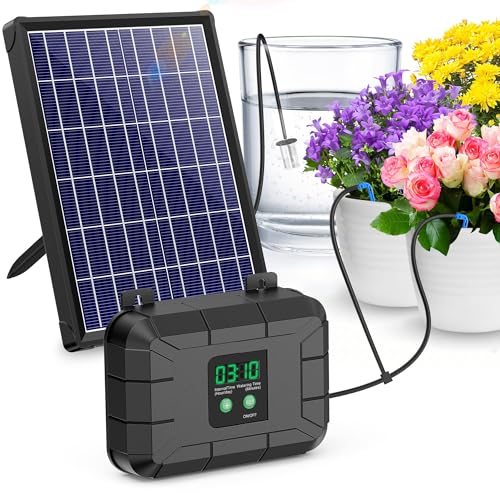
- Eco-Friendly & Cost-Effective: Powered by solar energy, this system reduces electricity costs and environmental impact. ...
- Smart Solar-Powered Watering System: This solar powered irrigation kit perfect for gardens, greenhouses, or allotments. ...
- Customisable Watering Schedules: Choose from multiple timer settings to suit your plants’ needs. The digital display sho...
Why Choose Solar Power for Your Irrigation System?
When considering an irrigation system for maintaining a garden, solar-powered options offer a range of compelling benefits. One of the primary reasons to opt for solar power is its status as a renewable energy source. Solar energy harnesses the abundant sunlight available, making it a sustainable choice for powering drip irrigation systems. This aligns with the growing emphasis on environmentally friendly practices in gardening and agriculture.
Moreover, investing in solar power for irrigation purposes leads to significant long-term cost savings. Unlike traditional systems that rely on standard electrical sources, solar-powered systems have minimal operational costs once installed. The solar panels convert sunlight into electricity without requiring ongoing fuel costs, enabling garden enthusiasts to save money on utility bills. Additionally, these systems often require less maintenance compared to conventional irrigation systems, further contributing to cost-effectiveness.
The eco-friendliness of solar technology also cannot be overstated. Utilizing solar energy reduces carbon emissions associated with fossil fuel consumption, thereby minimizing one's carbon footprint. With climate change being a pressing global issue, choosing solar power reflects a commitment to sustainable gardening practices. This not only promotes a healthier environment but also encourages biodiversity in garden settings.
Finally, solar-powered irrigation systems are particularly well-suited for garden environments, where access to conventional electricity may be limited or nonexistent. These systems can be easily installed in remote locations without complex wiring and infrastructure, providing flexibility in garden placement. The installation of solar panels may also boost garden aesthetics, as they can be integrated seamlessly into the landscape design.
Key Features to Look for in Solar-Powered Drip Irrigation Systems
When selecting a solar-powered automated drip irrigation system, it is essential to consider several critical features that can significantly affect the system's performance and efficiency. One primary factor is system compatibility, which ensures the chosen irrigation system works seamlessly with your existing garden setup. This includes the compatibility with various types of plants, soil conditions, and landscape layouts, allowing for optimal performance.
Battery capacity is another key aspect to evaluate. Solar-powered systems rely on batteries to store energy collected from sunlight, which is then used to operate the irrigation components. A higher-capacity battery typically provides a greater range of operation, especially in areas with inconsistent sunlight, enhancing the reliability of your irrigation system.
Ease of installation is also important, particularly for individuals who may lack extensive technical skills. Many modern systems come with user-friendly designs that allow for quick setup, minimizing the need for professional assistance. A clear and concise user manual can aid significantly in simplifying the installation process.
Coverage area should not be overlooked as well; different systems can irrigate varying expanses of land. Assessing the range of the system will ensure that it meets the specific watering needs of your garden, promoting healthy plant growth. Additionally, systems equipped with adjustable or multiple emitter options can offer customizability and efficiency in watering diverse plant types.
Finally, timer settings are crucial for optimal gardening management. An effective solar-powered irrigation system should allow for programmable timer settings, enabling gardeners to set specific watering schedules. This feature not only conserves water but also ensures plants receive consistent moisture, which is vital for their well-being.

- [Irrigation system kit]The irrigation system kit uses solar power supply technology and solar panels store electricity.T...
- [9 timer modes]The automatic drip irrigation kits has 9 timer modes and is easy to operate.Select the corresponding mode...
- [Integrated design]The controller and solar panel of this automatic watering system adopt a folding integrated design.Yo...
Top Solar-Powered Automated Drip Irrigation Systems
For those seeking an efficient solution to maintain their gardens with minimal effort, solar-powered automated drip irrigation systems stand out as an innovative option. Below, we present a curated list of some of the best systems available, highlighting their features, advantages, and potential drawbacks, along with price ranges to facilitate informed decision-making.
1. AquaBliss Solar Drip Irrigation Kit
This comprehensive kit is designed for gardens of varying sizes, providing customized watering schedules. The AquaBliss features a solar panel that charges the system during the day, ensuring automatic irrigation without electricity costs. Key benefits include easy installation and a user-friendly interface. However, some users have reported occasional malfunctions in extreme weather conditions. Price range: $100 - $150.
2. GARDENA Solar Drip Irrigation System
The GARDENA system is ideal for small to medium gardens. Equipped with a built-in solar panel, it powers a pump that delivers water through a network of drip lines. Its precision watering capabilities reduce water wastage, making it an environmentally friendly choice. Pros include flexibility and drip nozzle customization, while the cons mainly revolve around needing occasional maintenance. Price range: $80 - $120.
3. Holman Solar Powered Drip Irrigation Kit
Perfect for first-time gardeners, the Holman kit comes with everything needed for complete installation. Its solar technology ensures reliable water delivery, paired with a programmable timer for added convenience. Users appreciate its straightforward setup but mention that the drip emitters can sometimes clog. Price range: $70 - $110.
4. Rain Bird Solar Drip Irrigation System
This professional-quality system is designed for larger spaces. With a durable construction, it offers advanced features like adjustable drip emitters and a robust solar-powered control unit. While it excels in performance, its higher price point may be a consideration for some. Price range: $150 - $250.
By evaluating these options, gardeners can identify a solar-powered automated drip irrigation system that aligns perfectly with their gardening needs, ensuring year-round maintenance-free gardening.
Installation Tips for Your Drip Irrigation System
Setting up a solar-powered automated drip irrigation system requires careful planning and execution to ensure efficient garden maintenance. The first step is to conduct a thorough site assessment. This involves evaluating the sunlight exposure, soil type, and plant species in your garden. Understanding these factors will help you determine the best placement for your solar panels and the overall irrigation layout. Choose a location that receives ample sunlight throughout the day, as this will ensure optimal energy generation for the system.
Next, layout planning is crucial. Visualize the design of your drip irrigation system before assembly. Map out where the pipes will run and where each emitter will be positioned to effectively deliver water to your plants. Be mindful of the plants’ specific watering requirements and the distances involved, as different plant types may necessitate varying drip rates. Planning for easy access to components can facilitate future maintenance and adjustments.
Once you have a plan in place, gather the necessary materials and components for your system. Assemble the main water supply line, ensuring it connects seamlessly to the solar-powered pump, which should be connected to your solar panels. Installing the emitters requires precision; make sure they are evenly distributed according to your layout map. After assembly, test the system for leaks. Thoroughly run water through the system to check for blockages and confirm that each emitter delivers water as intended.
Finally, monitor the system’s performance regularly, especially in the initial weeks post-installation. Ensure that the solar panels are functioning optimally and that the battery life supports the irrigation schedule. With these installation tips, your solar-powered automated drip irrigation system can provide a reliable and maintenance-free watering solution.
Maintenance and Troubleshooting Guidelines
Maintaining a solar-powered automated drip irrigation system is essential for ensuring its longevity and optimal performance. Regular checks and maintenance can prevent minor issues from developing into more significant problems that may disrupt your gardening efforts. Here are some key maintenance tips to follow.
First, regularly inspect the solar panels for dirt, debris, or any obstructions that may hinder their efficiency. Cleaning the panels with a soft cloth and mild soap can help maximize solar energy absorption, which is critical for the effective operation of your system. Aim to perform this maintenance every few months or after significant weather events.
Additionally, it’s crucial to check the system’s drip emitters for blockages. Debris, mineral build-up, or insect nests can restrict water flow. Periodic flushing of the emitters and lines with clean water can help alleviate these issues. This should be done every couple of months, or as needed, based on system performance.
Next, monitor the battery health, as solar-powered systems often depend on batteries for continued functionality during non-sunny periods. Ensure that the batteries are in good condition and check connections for corrosion or looseness, which can result in reduced performance. Should you notice any decrease in efficiency, consider replacing the battery or re-evaluating the solar panel positioning.
Common troubleshooting scenarios include uneven water distribution and unexpected system shutdowns. Uneven water distribution may indicate clogged emitters or incorrectly spaced drip lines—adjusting the emitters or recalibrating the system can often resolve this. Furthermore, if the system shuts down unexpectedly, check the solar panel output and battery condition to confirm they are providing adequate power.
By adhering to these maintenance and troubleshooting guidelines, users of solar-powered drip irrigation systems can ensure their gardening remains efficient, sustainable, and enjoyable.
Maximizing Efficiency in Your Garden
To ensure optimal performance of your solar-powered automated drip irrigation system, several additional methods can enhance the efficiency and health of your garden. The strategic implementation of a well-calibrated watering schedule is crucial. Plants vary significantly in their water needs depending on their species, growth stage, and the surrounding environment. Adopting a schedule that aligns with these variables ensures that your garden receives the appropriate moisture without wastage. Early morning or late afternoon are typically the best times to water, as this reduces evaporation losses and allows plants to absorb moisture effectively.
Another method for improving garden efficiency is through companion planting. This technique involves grouping together plants that complement each other in terms of growth and pest management. Certain plant combinations can enhance nutrient uptake, deter pests, and encourage beneficial insects, thus creating a more balanced ecosystem in your garden. For example, pairing tomatoes with basil can improve both crop yields and flavors, while marigolds can help repel nematodes and aphids.
Furthermore, integrating soil moisture sensors with your drip irrigation system can lead to remarkable improvements in water management. These sensors provide real-time data regarding soil humidity, enabling precise watering that matches the plants’ actual needs. By adjusting the system based on sensor readings, you can prevent overwatering and underwatering, optimizing water usage, and promoting healthy plant growth. This integration allows for a more hands-off approach, resulting in a truly maintenance-free gardening experience.
Employing these strategies alongside your solar-powered automated drip irrigation system will greatly enhance the overall health and efficiency of your garden. By optimizing watering schedules, leveraging companion planting, and utilizing technology, such as soil moisture sensors, you can create an effective and sustainable gardening practice.
Conclusion and Future of Solar Drip Irrigation Systems
In an era increasingly defined by sustainability and efficiency, adopting solar-powered automated drip irrigation systems represents a significant advancement in maintenance-free gardening. These systems not only optimize water usage but also demonstrate a commitment to environmentally responsible practices. By harnessing the power of the sun, garden enthusiasts and agricultural workers alike can achieve efficient irrigation without relying on conventional energy sources, which can lead to reduced operational costs and environmental impact.
The significance of integrating solar technology into irrigation cannot be overstated. As climate change intensifies and water resources become scarcer, the necessity for innovative solutions to irrigation becomes paramount. Solar-powered systems allow for precise watering schedules that cater to the specific needs of plants, ensuring optimal growth while minimizing waste. This shift towards automated systems fosters not just a reduction in labor but a transformation in how we approach gardening and farming.
Looking ahead, we can expect several trends that may further enhance the functionality and accessibility of solar drip irrigation systems. Innovations in battery storage technologies will enable more efficient energy use, allowing these systems to operate even during non-sunny periods. Additionally, advancements in sensor technologies will optimize water delivery systems by providing real-time data regarding soil moisture levels, ensuring that plants receive the necessary hydration exactly when they need it.
Moreover, as the market for solar-powered irrigation systems expands, increased competition among manufacturers is likely to drive prices down while improving performance and durability. The future of gardening and agriculture could very well be characterized by widespread adoption of these automated systems, leading toward a more sustainable and efficient means of food production that aligns with the environmental goals of our time.

0 Comments