Introduction to Smart Speakers in Senior Care
As the population ages, the demand for innovative solutions in elderly care continues to grow. Smart speakers have emerged as a transformative tool in this space, providing various functionalities that enhance safety, companionship, and convenience for seniors. These devices, equipped with ambient artificial intelligence (AI), can significantly improve the quality of life for elderly individuals, enabling them to live independently while having access to vital assistance when needed.
One of the primary benefits of smart speakers in senior care is the enhanced safety they offer. Many smart speakers feature emergency calling capabilities, allowing seniors to quickly contact emergency services or loved ones without having to navigate complex phone systems. Additionally, smart speakers can monitor for unusual patterns in daily activities, sending alerts if something seems amiss. This ambient AI monitoring promotes a sense of security for both seniors and their caregivers, as it facilitates timely interventions when necessary.


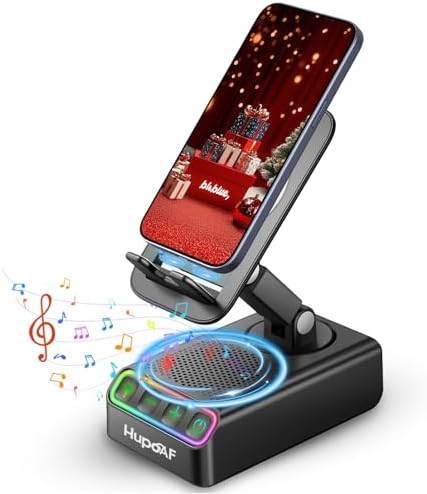
Moreover, smart speakers serve as a source of companionship, combating feelings of loneliness that many elders may experience. Through voice interactions, seniors can engage with their devices to listen to music, set reminders for medications, or even play games. The convenience of voice-activated technology allows users to access essential services effortlessly, removing barriers that may exist for those with mobility challenges or cognitive impairments. However, while these advantages are compelling, potential challenges such as privacy concerns and the complexity of technology must also be addressed.
Through this exploration, we will highlight the most suitable smart speakers available for the senior demographic, focusing on their features, benefits, and any limitations. Ultimately, the goal is to present smart speakers not merely as gadgets but as valuable aids that can genuinely enhance elderly care while maintaining safety and privacy.
Understanding Ambient AI Monitoring
Ambient AI monitoring refers to a sophisticated technology that leverages artificial intelligence to analyze data within a given environment, providing insights and alerts without being intrusive. This type of monitoring is particularly beneficial for the senior population, as it allows caregivers to ensure safety and well-being while respecting seniors' privacy. Through the integration of various sensors and smart devices, ambient AI can monitor vital signs, detect falls, and track daily activities.
At its core, ambient AI monitoring utilizes a combination of data from multiple sources, including voice, movement, and environmental conditions, to create a comprehensive overview of an individual’s health status. For seniors, who may be at risk of health complications or accidents, this technology can be vital. For example, if a senior falls, ambient sensors can detect the event and immediately alert caregivers or emergency services, facilitating prompt assistance.
Moreover, the unobtrusive nature of ambient AI monitoring aligns well with the needs of older adults. Many seniors may resist traditional monitoring systems that require them to wear devices or interact with technology. In contrast, ambient systems operate in the background, reducing the perceived burden on users while ensuring that their well-being is continuously monitored.
This technology also fosters a greater sense of independence among seniors. By seamlessly integrating into their daily lives, it empowers individuals to maintain a familiar and comfortable home environment while still providing a safety net. Additionally, by allowing caregivers to receive timely alerts, ambient AI can enhance the overall care experience, minimizing response times and enabling proactive management of health issues.
Key Features of Smart Speakers Suitable for Seniors
Smart speakers have evolved to become invaluable tools for senior care, combining technology with safety and accessibility. One of the primary features that make these devices suitable for the elderly is voice activation. This technology allows seniors to interact with their smart speakers hands-free, enabling them to access various functionalities without needing to navigate cumbersome menus. As a result, voice activation significantly enhances usability for seniors, particularly those with limited dexterity or visual impairments.
In addition to voice control, ease of use is paramount when considering smart speakers for seniors. Devices designed specifically with older adults in mind often come with simplified interfaces and intuitive commands, ensuring that users can operate them with minimal effort. This user-friendly approach empowers seniors to take advantage of modern technology, helping to reduce social isolation and increase engagement.
Another crucial feature of smart speakers geared toward elderly care is fall detection capabilities. Some devices can be integrated with sensors that monitor movement and detect sudden falls or unusual activity patterns. This feature is particularly beneficial for seniors living alone, as it enhances safety by alerting caregivers or emergency services if a fall occurs.
Emergency assistance features further bolster the relevance of smart speakers in senior care. Many devices are capable of placing calls or sending messages to designated contacts in emergencies, providing seniors with a reliable means of alerting others to their needs without panic. Moreover, compatibility with health monitoring devices, such as blood pressure monitors or glucose meters, allows seamless tracking of health conditions, fostering proactive health management.
Safety and Privacy Considerations
The integration of smart speakers into senior care settings has indeed revolutionized the way technology assists daily living. However, with this integration arises a set of safety and privacy considerations that users must take into account. Smart speakers, while designed to enhance convenience, can also pose risks to personal privacy if not properly configured or selected.
One of the primary concerns involves data protection. Different smart speaker manufacturers have implemented varied security protocols to safeguard user information. For instance, reputable devices often come equipped with encryption capabilities that protect voice data during transmission. Users should prioritize smart speakers that emphasize robust security measures, such as end-to-end encryption and routine security updates. These features can mitigate many privacy concerns associated with constant audio monitoring.
In addition to encryption, users should understand the importance of secure connection protocols such as Secure Socket Layer (SSL) or Transport Layer Security (TLS). These protocols create secure channels over which data can be transmitted without being intercepted by unauthorized parties. Choosing smart speakers that comply with these standards ensures a higher level of confidentiality for the end-user.
Furthermore, it is prudent to select devices with adjustable privacy settings. Many smart speakers allow users to mute microphones or delete voice recordings, offering an additional layer of control over personal data. Being knowledgeable about a device's privacy features empowers users to maintain their confidentiality while still benefiting from the smart technology at their disposal.
Ultimately, the selection of a smart speaker should be influenced by both its technological benefits and its privacy functionalities. Ensuring that devices adhere to stringent safety protocols is essential in fostering a secure environment for seniors, allowing them to enjoy the advantages of smart technology without compromising their privacy.
Top Smart Speakers for Senior Care
In the realm of advanced technology, smart speakers have emerged as essential tools for enhancing the quality of life for seniors. These devices offer a combination of convenience, safety, and companionship while addressing privacy concerns. Below, we present a curated list of some of the best smart speakers specifically tailored for senior care.
Amazon Echo Show 10 - The Echo Show 10 features a 10.1-inch HD screen that automatically moves to face the user, offering hands-free video calling. It hosts a robust Alexa AI, capable of managing smart home devices, setting medication reminders, and playing soothing ambient sounds. Its visual display can be particularly helpful for seniors who prefer clear, visual interfaces.
Google Nest Hub - The Google Nest Hub is a versatile smart speaker that combines audio performance with visual elements. Its Google Assistant can provide assistance in various tasks, including recipes, weather updates, and reminders. The device's sleep monitoring feature, combined with an intuitive touch screen, makes it an excellent choice for seniors looking for both functionality and simplicity.
Apple HomePod Mini - For seniors invested in the Apple ecosystem, the HomePod Mini is a perfect fit. It offers exceptional sound quality and integrates seamlessly with other Apple devices. Utilizing Siri, seniors can control home automation features and make calls inadvertently through voice commands, making it a valuable tool for those who may struggle with traditional interfaces.
Sonos One - The Sonos One excels in audio quality, providing an immersive listening experience. It supports both Alexa and Google Assistant, giving seniors flexibility in their choice of voice technology. This smart speaker is ideal for those who enjoy music and podcasts, and it can also control other devices within the Sonos system.
These smart speakers cater to various needs and preferences among seniors. By selecting a suitable device, caregivers can enhance the autonomy and safety of older adults while ensuring their privacy remains intact.
User Experience: How Seniors Interact with Smart Speakers
Smart speakers, equipped with voice recognition and artificial intelligence, provide a user-friendly interface that facilitates ease of use for seniors. These devices often allow seniors to interact without the need for complex buttons or screens. They can initiate interactions using simple voice commands, making it an accessible option for individuals who may not be tech-savvy.
Setting reminders is one of the most beneficial features for seniors. They can effortlessly ask their smart speakers to remind them of medication schedules, appointments, or important events. This feature promotes independence and helps to ensure that they stay on track regarding health-related tasks. For instance, a simple command like "Hey Siri, remind me to take my pills at 8 PM" makes routine management straightforward.
Additionally, seniors can enjoy music and entertainment easily through voice commands. They may request their favorite songs, play audiobooks, or even hold conversations with virtual assistants. This auditory interaction not only enhances their overall enjoyment but also fosters a sense of companionship, which can be vital for emotional well-being. Activating music is as simple as saying, "Alexa, play some jazz music," offering immediate access to a myriad of options.
Moreover, smart speakers can facilitate communication with family and friends. Seniors can easily make phone calls or send messages by using straightforward commands, bridging any gaps in social interaction. For example, a senior might say, "Call my daughter" to make a direct voice call, removing the need for intricate dialing processes that could be challenging.
Lastly, smart speakers serve as portals for accessing information quickly. Whether they need the latest news, weather updates, or answers to general questions, a simple prompt like "Hey Google, what’s the weather today?" delivers accurate information instantly. This capability can empower seniors by providing them with knowledge and connectivity in a rapidly changing world.
Real-Life Examples and Testimonials
Smart speakers have gained popularity in recent years, particularly among seniors and their caregivers. Many users have reported transformative results from integrating these devices into their daily routines, highlighting their significance in enhancing safety, alleviating loneliness, and promoting better communication with family members.
For instance, Mary, an 82-year-old retiree, found a new sense of independence after using a smart speaker in her home. She mentioned, "I often worry about falling when I’m alone. Having my voice assistant nearby gives me the confidence to move around. If I need help, all I have to do is ask, and it connects me to my family or emergency services instantly." This sense of reassurance is echoed by numerous seniors who appreciate the peace of mind these devices provide.
Moreover, smart speakers have proven invaluable for combating loneliness. John, a caregiver for his elderly father, shared, "Since we got a smart speaker, dad has found an outlet to interact with music and news. It’s like having a friend around. He talks to it, asks questions, and even plays games. It’s reduced his sense of isolation significantly." This reflects a broader trend among seniors, who are increasingly using these technologies to engage with the world and remain socially active.
Additionally, families often utilize these devices for better communication. Lisa, a daughter of a senior, explained how her smart speaker facilitates regular check-ins. "Whenever I call, I can ask it to make a list of questions for my mom to ensure she’s doing alright. It strengthens our bond because she can hear my voice every day, even from afar," she noted. Such testimonials emphasize the positive impacts that smart speakers can have on the lives of seniors, turning technology into a tool for safety and connection.
Tips for Integrating Smart Speakers into Senior Care
Integrating smart speakers into the daily lives of seniors can significantly enhance their quality of life by providing companionship, reminders, and ambient monitoring. However, successful adoption requires thoughtful planning and effective communication. Here are practical tips for caregivers and family members aiming to introduce this technology.
First and foremost, ensure the smart speaker is set up properly. Choose a central location in the senior's living space, preferably where they spend most of their time. This not only facilitates ease of use but also maximizes the speaker's capabilities for audio input and output. Follow the manufacturer's setup instructions carefully and connect the device to a stable Wi-Fi network. Once operational, personalize the settings to accommodate the unique preferences and routines of the senior.
Next, it’s essential to educate seniors on how to use the smart speaker. Begin by introducing them to the basic voice commands, illustrating with simple examples such as asking for music, asking for weather updates, or setting reminders for medications. Patience is vital during this training process; allow seniors to practice using the device without pressure. Consider creating a simple visual guide with common commands that they can refer to until they become familiar with it.
Ongoing support is critical in ensuring seniors feel comfortable and confident with their new device. Schedule regular check-ins to address any questions or challenges that may arise. Encourage social interaction by suggesting family members engage with the speaker during calls or by playing games together with the senior. This approach promotes a sense of connection while ensuring that seniors fully benefit from the advantages offered by smart speakers in their daily routine.
Conclusion and Future of Smart Technology in Elderly Care
The evolving landscape of smart speaker technology presents significant opportunities for enhancing elderly care. By integrating health monitoring, social interaction, and safety features, these devices have the potential to improve the quality of life for seniors. Throughout this discussion, we have explored how these smart speakers not only facilitate easier communication but also provide assistive capabilities that empower seniors to live more independently.
Smart speakers like Amazon Echo and Google Home are increasingly becoming an integral part of modern households, particularly for the elderly population. Features such as reminders for medications, health updates, and emergency alerts contribute to a safer living environment. Moreover, the ambient AI monitoring capabilities of these devices allow caregivers to keep an eye on seniors' well-being without intruding on their privacy. This balance between support and autonomy is crucial in fostering a sense of dignity among seniors.
As we continue to advance technologically, it is essential to recognize the emerging trends within this sector. Future developments may include enhanced artificial intelligence for more personalized interactions, improved voice recognition to accommodate various speech patterns, and better integration with other smart home devices for holistic care solutions. As these technologies mature, it is imperative that developers prioritize privacy and security to alleviate any concerns that seniors and their families may have.
In essence, smart speaker technology stands at the forefront of transforming elderly care, offering a comprehensive toolkit to assist seniors while ensuring their safety and independence. By embracing this innovative technology, families and caregivers can enhance the overall living experience of seniors, allowing them to enjoy their later years with greater comfort and security.

0 Comments