Introduction to Perennial Vegetables
Perennial vegetables are a distinct category of edible plants characterized by their ability to live for several years, unlike annual vegetables that complete their life cycle within a single growing season. These resilient plants remain productive year after year, often yielding crops without the need for replanting, making them an attractive option for sustainable agriculture. Examples of perennial vegetables include rhubarb, asparagus, and various types of sorrel.
The primary advantage of perennial vegetables lies in their contribution to food security. As climate change and environmental concerns continue to challenge traditional farming practices, the shift towards perennial crops can promote a more stable food supply. These plants typically require fewer resources, such as water and fertilizer, due to their established root systems that can access deeper soil moisture and nutrients. This makes them particularly valuable in regions prone to drought or where soil health is a concern.

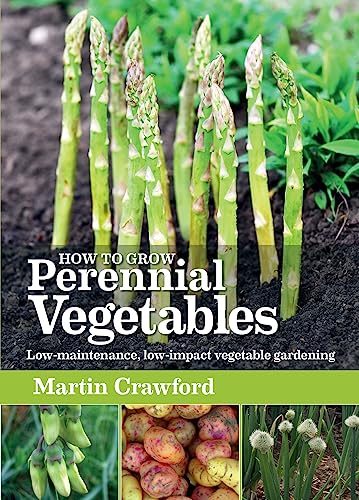
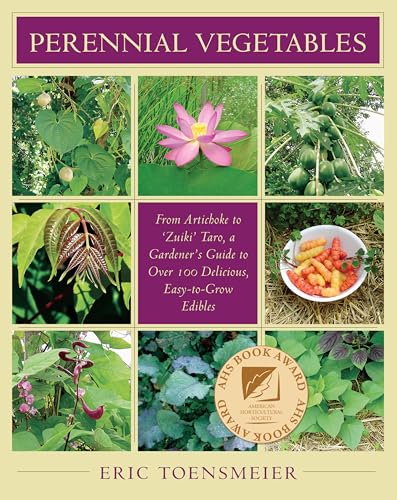
Moreover, perennial vegetables can enhance biodiversity in agricultural landscapes. They can support various beneficial organisms, including pollinators and soil microbes, contributing to healthier ecosystems. Additionally, incorporating perennial plants into farming systems can reduce soil erosion, improve carbon sequestration, and promote a more sustainable approach to land management.
In summary, perennial vegetables offer numerous benefits over their annual counterparts, including increased resilience against climate variability, reduced input costs, and the promotion of sustainable agricultural practices. As we explore the best options available, understanding their unique characteristics can help gardeners and farmers alike make informed decisions to promote enduring food systems.
Advantages of Growing Perennial Vegetables
Growing perennial vegetables offers a multitude of advantages that make them an appealing choice for gardeners and farmers alike. One of the most significant benefits is the reduction in labor associated with planting and maintenance. Unlike annual crops, which require replanting each season, perennial vegetables continue to produce year after year. This results in less time spent on sowing seeds and nurturing young plants, providing a more sustainable approach to food production.
Furthermore, perennial gardening minimizes soil disturbance. Traditional annual farming practices often involve heavy tilling, which can disrupt soil structure and harm beneficial microorganisms. By planting perennial vegetables, gardeners can maintain a stable soil environment, fostering healthy ecosystems within the soil. Less disturbance not only preserves the existing flora and fauna but also enhances nutrient cycling, contributing to improved overall soil health.
Another noteworthy advantage of growing perennial vegetables is the potential for lower input costs over time. With less frequent planting, gardeners reduce the need for seeds, which can also mean savings on fertilizers and other inputs often necessary for annual crops. Over the long term, the establishment of a perennial garden can lead to decreased financial expenditure while ensuring a steady supply of fresh produce.
Additionally, perennial vegetables can play a vital role in enhancing biodiversity within a garden or farm environment. By diversifying the plant system, they attract various beneficial insects and wildlife, which can contribute to natural pest control and improve pollination. This biodiversity not only supports the ecosystem but can also lead to a more resilient food production system, capable of withstanding pests, diseases, and climatic variability. The integration of perennial vegetables into agricultural practices presents a promising avenue for promoting ecological health alongside food security.
Top Perennial Vegetables to Plant
Perennial vegetables are an essential part of sustainable gardening, offering long-term yields and minimal cultivation efforts. Among the most popular choices for perennial gardens are asparagus, rhubarb, and Jerusalem artichokes, each providing unique flavors and culinary versatility.
Asparagus is one of the first perennial vegetables to emerge in spring. This vegetable requires well-drained soil and a sunny location, ideally receiving at least eight hours of sunlight daily. When properly cared for, asparagus can produce spears for up to 15 years. The taste profile is earthy and savory, making it a delightful addition to salads, pasta, or simply grilled. Harvesting should begin in the third year after planting to allow for healthy root development.
Rhubarb, known for its tartness, thrives in fertile soils with ample moisture. It can also tolerate partial shade, making it a versatile option for different garden layouts. Rhubarb is typically harvested in the spring and early summer months. The stalks are commonly used in pies, jams, and as flavoring in beverages. It’s important to note that only the stalks are edible, as the leaves contain toxic compounds.
Jerusalem artichokes, sometimes referred to as sunchokes, are hardy tubers that can flourish in various soil conditions. They are best planted in the spring after the last frost, preferring full sun and regular watering. The nutty, sweet flavor of Jerusalem artichokes is excellent in soups, roasted dishes, or even raw in salads. With their ability to grow in challenging environments, they make a reliable addition to any perennial vegetable garden.
Incorporating these perennial vegetables not only enhances culinary options but also promotes food security by producing consistent yields year after year. As a sustainable choice, they require less maintenance than annual crops, making them an ideal solution for both novice and experienced gardeners.
Growing Conditions for Perennial Vegetables
Growing perennial vegetables requires an understanding of specific environmental and soil conditions to ensure their optimal health and longevity. These plants thrive best in nutrient-rich, well-drained soils that are able to retain moisture without becoming waterlogged. Ideally, the soil pH should range from 6.0 to 7.5, which is conducive for most perennial vegetable species. Conducting a soil test can provide valuable insights into the nutrient levels and pH, allowing for necessary amendments to be made for the best growth outcomes.
In terms of sunlight, most perennial vegetables prefer full sun, which means they require at least six hours of direct sunlight per day. However, some varieties can tolerate partial shade, especially in hotter climates where afternoon sun can be particularly intense. It is crucial to research the specific sunlight requirements of the perennial vegetable varieties being grown to ensure they receive adequate light throughout the growing season.
Watering schedules are equally important for establishing healthy perennial plants. These vegetables generally prefer consistent moisture, particularly when they are first planted. A good rule of thumb is to provide about one inch of water per week, either through rainfall or irrigation. Mulching around the base of the plants can help retain moisture, regulate soil temperature, and minimize competition from weeds.
To prepare the garden for perennial vegetables, it is essential to clear any existing vegetation and amend the soil with organic matter such as compost. This not only improves the soil structure but also enhances its nutrient content. Integrating these factors into your garden preparation will promote a thriving environment for perennial vegetables, ultimately contributing to long-term food security.
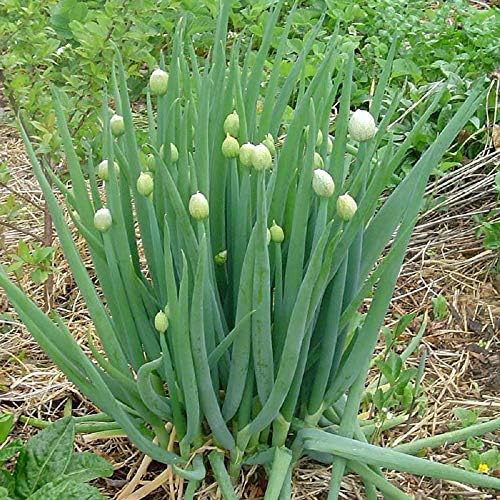
- Sow under cover from early spring or directly outdoors from late April. Seeds germinate in 10-14 days at 15-20c soil tem...
- Gradually harden off and plant outdoors after 5-6 weeks with 10cm between plants. Prefers full sun to partial shade and ...
- The leaves can be harvested as per chives. The onions can be lifted and used whole.
Maintenance and Care for Perennial Vegetables
To ensure the health and productivity of perennial vegetables, proper maintenance and care are essential. The approach to watering, fertilization, pest management, and seasonal tasks significantly influences the vitality of these plants.
Watering practices should be tailored to the specific needs of different species, with a general rule being to provide deep watering rather than frequent shallow irrigation. This encourages deeper root growth and enhances drought resistance. During dry spells, monitor soil moisture by checking the top few inches, ensuring it remains adequately moist but not waterlogged. Ideally, watering should occur early in the morning to reduce evaporation and fungal diseases.
Fertilization is another critical aspect of care. Perennial vegetables benefit from organic matter such as compost or aged manure applied in spring as they begin to grow. A balanced organic fertilizer can also be used during the growing season, with attention to the specific nutrient needs of the plants. Soil testing is recommended to determine nutrient deficiencies and amend the soil accordingly.
Pest management for perennial vegetables often combines cultural controls with organic practices. Regular monitoring for pests can help in early detection. Introduce beneficial insects, such as ladybugs, that predate on common pests like aphids. Crop rotation, though less common with perennials, can also be useful for pest control while maintaining soil health.
As seasons change, different maintenance tasks become necessary. In fall, it’s prudent to trim back dead or dying foliage to reduce disease risk and prepare plants for winter. For some perennials, mulching can provide insulation against harsh weather while suppressing weeds. Spring maintenance may include removing winter debris and ensuring that the plants have adequate space for growth.
Through dedicated care practices, gardeners can enjoy a bountiful yield from their perennial vegetables while promoting sustainable and permanent food security.
Harvesting and Using Perennial Vegetables
Perennial vegetables, known for their ability to regrow year after year, provide a sustainable source of nutrition for many households. To maximize the benefits of these resilient plants, understanding optimal harvesting techniques and timing is crucial. Harvesting should generally occur when the vegetables reach maturity but before they over-ripen. This often means picking them at different times throughout their growing season, depending on the type of vegetable.
For instance, asparagus can be harvested in the spring when the spears emerge from the ground and are approximately 6-8 inches tall. It is advisable to cut, rather than pull, the asparagus to avoid damaging the plant. Similarly, rhubarb should be harvested before it flowers, typically in early summer, when the stalks are firm yet tender. Annual varieties of vegetables may require different techniques, but with perennials, understanding the growth cycle is key.
Once harvested, perennial vegetables can be used in a variety of culinary applications. They can be easily added to stir-fries, soups, salads, or even as standalone side dishes. For example, the leaves and roots of edible perennials like sorrel and Jerusalem artichoke can enhance the flavor profiles of numerous dishes. Additionally, preparing these vegetables fresh often yields the best flavor and nutritional value.
One practical method for incorporating perennial vegetables into everyday meals is to treat them as supplements to traditional salad ingredients. Adding fresh greens, such as sorrel, or chopped roots, like those from rhubarb, can elevate standard leafy salads into refreshing and nutritious dishes. Experimentation with these ingredients will cultivate a diverse palate while promoting food security through a resilient garden.
Challenges of Growing Perennial Vegetables
Growing perennial vegetables offers numerous benefits, but it is not without its challenges. Understanding these challenges is crucial for achieving a successful and sustainable harvest. Among the primary difficulties faced by gardeners are pests and diseases, environmental factors, and soil health.
Pests can pose a significant threat to perennial vegetable crops. Common pests, such as aphids, slugs, and caterpillars, can severely deplete plant vitality. Implementing integrated pest management strategies, such as introducing beneficial insects like ladybugs or utilizing organic pest deterrents, can help control pest populations effectively. Regular monitoring of plants for early signs of infestation is essential to mitigate pest-related issues.
Diseases, both fungal and bacterial, can also hinder the growth of perennial vegetables. Conditions such as root rot or powdery mildew thrive in wet and humid environments. To reduce the risk of disease, it is vital to ensure adequate air circulation around plants and practice crop rotation. Selecting disease-resistant varieties is another practical approach to minimize this risk.
Environmental factors such as temperature fluctuations, drought, and heavy rainfall can have a profound impact on perennial vegetables. Planting perennial crops adapted to specific climate conditions can enhance resilience against environmental stressors. Furthermore, implementing mulching techniques can help maintain soil moisture and temperature, benefiting plant growth during extreme conditions.
Soil health is another critical consideration. Perennial vegetables often require well-drained, nutrient-rich soil. Regular soil testing, along with the introduction of organic matter such as compost, can significantly improve soil quality. By addressing these challenges with informed strategies, gardeners can enhance the growth and sustainability of perennial vegetables, leading to a more secure food source.
Long-term Benefits of Perennial Vegetables for Food Security
Perennial vegetables, which can be cultivated for several years without needing to be replanted, play a crucial role in enhancing food security over the long term. Their ability to thrive in diverse climates offers numerous advantages that directly contribute to sustainable food production systems.
One significant aspect of perennial vegetables is their contribution to climate resilience. As global temperatures rise and extreme weather patterns become more frequent, traditional annual crops can be highly vulnerable. In contrast, perennial varieties can withstand harsher conditions, promoting a stable food supply despite environmental uncertainties. This adaptive capacity is critical for communities facing the repercussions of climate change.
Moreover, perennial vegetables are inherently more resource-efficient than their annual counterparts. They often require less water and fertilizer due to developed root systems that enhance soil structure and health. Their continuous presence in the landscape helps to prevent soil erosion, improve biodiversity, and enhance nutrient cycling. This resource conservation is vital for reducing agricultural inputs and minimizing environmental impacts, aligning with sustainable practices that seek to preserve natural ecosystems.
Furthermore, integrating perennial vegetables into local farming practices can foster community resilience. By providing a reliable source of nutrition over the long term, these crops promote food sovereignty and empower communities to become less reliant on external food systems. As families and neighborhoods cultivate a diverse range of these vegetables, they also benefit from improved health outcomes, as diverse diets are critical for nutritional security.
In summary, the long-term benefits of perennial vegetables significantly contribute to food security by enhancing climate resilience, conserving essential resources, and fostering community sustainability. By incorporating these adaptable crops into agricultural practices, we can pave the way for a more secure and sustainable food future.

- Plant where peas have not been grown for 2 seasons, digging in well rotted organic matter.
- The distance between the rows should equal the expected height of the variety. Avoid sowing during any cold or very wet ...
- Protect immediately from birds. Keep weed free. Provide support by 3 inches tall.
Conclusion and Encouragement to Get Started
In conclusion, incorporating perennial vegetables into home gardens presents a viable pathway towards achieving permanent food security and promoting sustainable living practices. These resilient plants, which return year after year without the need for replanting, not only provide a renewable source of nourishment but also contribute to a more environmentally friendly approach to gardening. By selecting the appropriate perennial vegetables, gardeners can reduce their dependence on annual crops and minimize resource inputs such as water and fertilizers.
Throughout this blog post, we explored several perennial vegetable options that are well-suited for a variety of climates and soil types. From asparagus, a nutrient-dense vegetable that thrives for up to 25 years, to rhubarb, known for its tart flavor and culinary versatility, the choices are abundant. Additionally, plants like sorrel and perennial kale add not only diversity to the diet but also enrich the garden's ecosystem. Every perennial vegetable included offers unique benefits, reinforcing the idea that these plants are both low-maintenance and high-yielding.
For those considering the transition to a more sustainable gardening routine, now is the perfect time to begin experimenting with these long-lasting crops. Start by researching local varieties that fit well with the climate and soil conditions in your area. As you set your garden, remember that perennial vegetables can pave the way for a more resilient food system right within your backyard. Engaging with this form of horticulture not only enhances food security but encourages greater biodiversity in your gardening practices.
Embrace the opportunity to cultivate perennial vegetables and contribute positively to your own well-being, while also fostering a connection with the environment. Take that first step, and let the journey towards sustainable gardening begin today.

0 Comments