Introduction
Compression socks have gained significant popularity among travelers and remote workers, owing to their ability to enhance circulation and provide comfort during prolonged periods of sitting. These specialized garments apply gentle pressure to the legs, supporting venous return and reducing the risk of discomfort associated with inactivity, such as swelling and fatigue.
"Heads up: Some of the links in this post are affiliate links. This means if you click on the link and purchase the item, I’ll receive an affiliate commission. This helps keep the lights on here at techdhami.com! Thanks for your support!"
The relevance of compression socks becomes particularly pronounced during long-haul flights, where passengers are often seated for extended durations. Without adequate circulation, the likelihood of developing conditions such as deep vein thrombosis (DVT) increases, making it essential for travelers to consider the benefits of these socks. Not only do they help with circulation, but they also mitigate discomfort from cramped seating conditions typically experienced on long journeys.
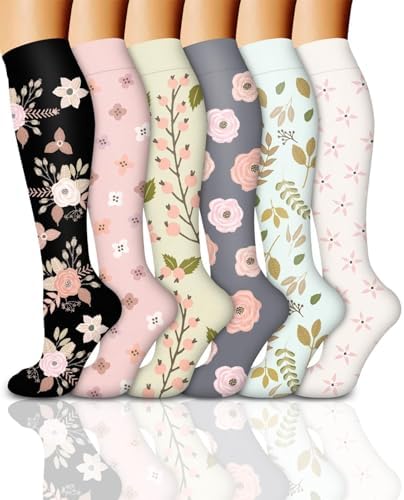
Remote work has similarly led to an increased interest in compression socks, as professionals tend to remain seated for hours while engaging in tasks from home or the office. Long periods of sedentary behavior can result in poor blood flow, which can lead to various health issues over time. By integrating compression socks into their daily routine, remote workers can promote better circulation, reduce the chances of leg fatigue, and improve overall well-being.
Overall, the consideration of compression socks is not merely a trend but a proactive approach to maintaining leg health and comfort. Whether one is embarking on an international flight or spending long hours at a desk, these socks serve as an effective solution to facilitate blood circulation and support leg wellness during periods of inactivity.
What Are Compression Socks?
Compression socks are specialized hosiery designed to apply gentle pressure to the legs and feet, promoting improved blood circulation. They work by compressing the veins, which decreases the diameter of the vein, leading to increased blood flow and reduced swelling. This supportive apparel comes in various styles, lengths, and levels of compression, catering to different needs and preferences.
Compression socks are primarily categorized by their level of compression, which is typically measured in millimeters of mercury (mmHg). The options range from mild compression (8-15 mmHg), often recommended for everyday wear, to moderate compression (15-20 mmHg) which is commonly used for travel or prolonged sitting. Higher levels, such as firm compression (20-30 mmHg) and extra firm compression (30-40 mmHg), are usually prescribed for individuals with specific medical conditions such as chronic venous insufficiency or varicose veins.
Wearing compression socks during long-haul flights can minimize the risk of deep vein thrombosis (DVT) and reduce leg swelling, making them an essential item for frequent travelers. These benefits also extend to remote work, where prolonged periods of sitting can lead to discomfort and reduced circulation. By wearing compression socks, remote workers can experience enhanced blood flow and increased oxygen delivery to their muscles, which may alleviate tiredness and discomfort associated with extended sedentary behavior. Furthermore, compression socks can help prevent the formation of blood clots, ensuring a healthier and more comfortable experience whether in transit or at home.
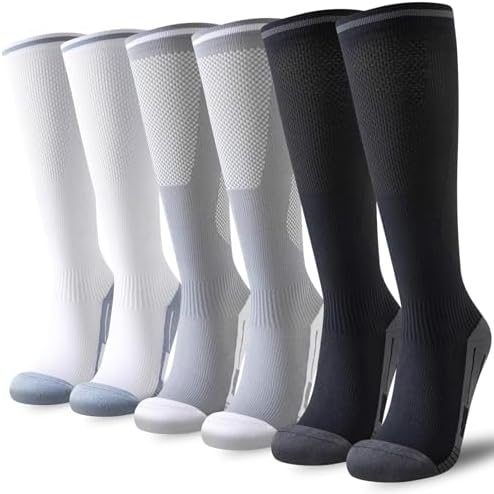
Why Use Compression Socks on Long-Haul Flights?
Long-haul flights present a unique set of challenges for travelers, primarily due to the extended duration of inactivity. During these prolonged periods, individuals are at an increased risk of experiencing various complications, such as blood clots and swelling in the legs. Deep vein thrombosis (DVT) is one notable concern, with studies estimating that approximately 1 in 1,000 individuals may experience a thromboembolic event during long flights, particularly those lasting longer than four hours.
The gravitational pull on the lower extremities can impede venous blood flow, contributing to the formation of clots. Compression socks, designed to apply a controlled amount of pressure to the legs, offer a practical solution to mitigate such risks. By facilitating better blood circulation, these socks prevent blood from pooling in the veins, which in turn helps reduce swelling. A study published in the British Journal of Sports Medicine found that wearing compression stockings effectively decreases leg swelling and improves overall comfort for travelers on long-distance flights.
Moreover, users of compression socks often report reduced fatigue and discomfort, enhancing their travel experience. The design of these socks encourages the flow of blood back to the heart, ensuring that oxygen-rich blood reaches the muscles even during periods of limited mobility. This factor is especially vital for passengers engaging in remote work during flights, as prolonged sitting can increase discomfort.
While the use of compression socks is increasingly recommended by medical professionals, it is essential for travelers to choose socks that are specifically suited for air travel. Options that provide graduated compression, with tighter fit around the ankles that gradually loosens up the leg, are often considered most effective. By understanding the risks involved and the practical benefits of wearing compression socks, travelers can make informed decisions to safeguard their health on long-haul flights.
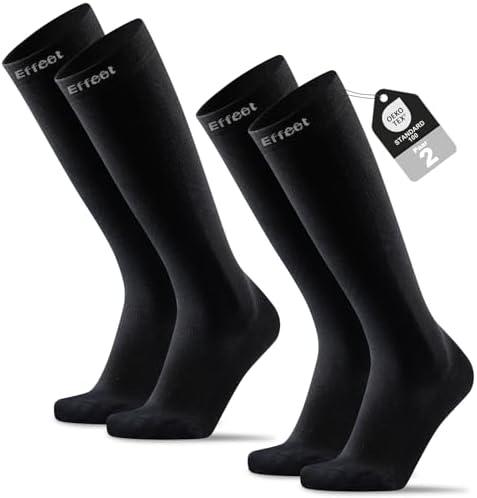
The Benefits of Compression Socks for Remote Work
In today's work environment, many individuals find themselves spending long hours seated at a desk, which can lead to a variety of discomforts and health issues. One effective solution for those who engage in remote work is the use of compression socks. These specialized socks are designed to provide graduated compression, which encourages better blood circulation in the legs. As a result, their use can be particularly beneficial for professionals who sit for extended periods.
Wearing compression socks can help alleviate discomfort caused by prolonged sitting. As blood flow can slow down when one remains stationary, many individuals experience symptoms such as swelling and heaviness in their legs. By applying gentle pressure, compression socks aid in keeping blood circulating effectively, reducing the likelihood of these uncomfortable sensations. Improved circulation can not only mitigate physical discomfort but can also positively impact overall well-being.
Additionally, compression socks have been associated with enhanced productivity. By reducing fatigue and the risk of muscle cramps, individuals can maintain their focus and energy levels throughout the workday. When physical discomfort is minimized, mental clarity and cognitive function often improve, allowing for sustained concentration on tasks. This enhancement in productivity is especially vital in a remote work setting, where self-motivation and efficient time management are key.
Moreover, the psychological benefits of wearing compression socks should not be overlooked. Knowing that one is actively taking steps to care for their health can instill a greater sense of well-being, inspiring a more positive approach to work. This holistic advantage can be particularly beneficial in home office environments where the boundaries between work life and personal life may blur.
Key Features to Look For in Compression Socks
When selecting compression socks for long-haul flights or remote work recovery, several key features contribute significantly to their effectiveness and comfort. An important aspect to consider is the material. Compression socks are typically made from a blend of nylon and spandex, providing elasticity and durability. High-quality materials not only promote comfortable wear but also enhance breathability, ensuring that your feet remain cool and dry throughout the day.
Size is another critical factor, as the right fit is necessary for optimal compression. Compression socks are available in various sizes, often categorized by shoe size or calf circumference. To benefit from the intended compression levels, it is advisable to measure your legs and choose socks accordingly. A proper fit prevents slippage and discomfort, maximizing the advantages of wearing compression therapy.
The compression level, usually measured in millimeters of mercury (mmHg), is essential to ensure you receive the necessary support. For long-haul flights, a compression level ranging from 15-20 mmHg is typically recommended for travelers. In contrast, for those engaged in post-work recovery, higher levels up to 30 mmHg can be beneficial, particularly for individuals prone to swelling or circulatory issues.
Additional attributes such as moisture-wicking properties enhance the functionality of compression socks. This feature is particularly useful during extended periods of wear, as it draws sweat away from the skin, keeping feet dry and reducing the chances of blisters or discomfort. Some socks also offer cushioned soles or targeted compression zones, providing additional support where it is most needed, enhancing overall comfort.
In summary, when choosing compression socks, consider the material, size, compression level, and additional attributes to ensure you select a pair that meets your needs and enhances comfort during long periods of sitting or standing.
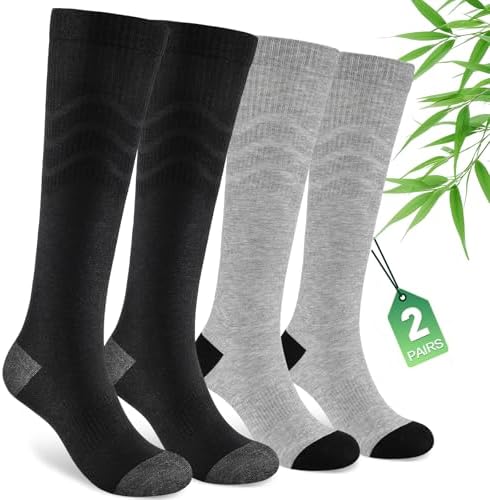
Top Compression Sock Brands for Flights and Recovery
When choosing compression socks for long-haul flights and remote work recovery, several brands have established themselves as leaders in the market. Each brand offers unique benefits tailored to different needs, ensuring that travelers and remote workers can find the perfect fit for their comfort and health requirements.
One of the most recognized names in compression socks is Sockwell. Known for their eco-friendly materials, Sockwell provides a variety of styles that combine aesthetics with functionality. Customers have praised their products for not only alleviating leg fatigue during flights but also for their fashionable designs, making them suitable for both travel and everyday wear.
Another prominent brand is Physix Gear, which focuses on high-performance compression wear. Their socks are designed with varying levels of compression to cater to different needs, providing excellent support during long hours of sitting in a plane or at a desk. User feedback highlights their durability and comfort, often noting that they help minimize swelling and discomfort.
CompressionZ also offers reliable options for travelers. Their socks are known for their affordable pricing without compromising on quality. Many users report significant relief from symptoms of travel-related leg fatigue and have appreciated their snug yet comfortable fit. This brand’s products are particularly popular among frequent flyers and those who spend extended periods in sedentary positions.
Finally, Zensah stands out for its innovative designs that include moisture-wicking properties and graduated compression. Their range has been well-received by consumers who value both performance and comfort. Reviews highlight the socks' ability to keep feet dry during long flights, making them a preferred choice among travelers who prioritize both active recovery and style.
How to Choose the Right Compression Socks
Selecting the appropriate compression socks involves several considerations that are crucial for optimizing comfort and effectiveness. First, it is essential to assess your individual health needs. Individuals with specific medical conditions such as chronic venous insufficiency or edema should consult a healthcare provider to determine the most suitable compression level. These socks come in various compression levels, typically ranging from mild (8-15 mmHg) to graduated (30-40 mmHg) pressures; selecting the right one is paramount for your intended use.
Next, measuring your leg size accurately helps in achieving the perfect fit. To measure, use a soft measuring tape to determine the circumference of your ankle, calf, and the length from your heel to just below your knee. Ensure that you measure in the morning, as legs may swell throughout the day, which could affect the fit. It is advisable to refer to the manufacturer’s sizing chart when selecting the size based on these measurements, as sizes may vary among brands.
Additionally, personal preferences play a significant role in your choice. Consider the style and design of the socks. Options range from knee-highs to thigh-highs, as well as various materials, such as cotton or nylon blends, that might offer different levels of breathability and moisture-wicking properties. Some users might prefer more colorful designs, while others may seek a classic look. Comfort is paramount; thus, ensure that the socks do not constrict your legs too much or cause discomfort during prolonged wear.
Ultimately, investing time in understanding your health requirements, achieving proper measurements, and aligning the style with your comfort ensures a better experience while wearing compression socks during long-haul flights or remote work recovery.

- ★(2 PAIRS INCLUDED!)Calves Kelson (20-30 mmHg)compresssion socks. You can buy 2 pairs of high quality compresssion socks...
- ★The compression sock can help you to promote leg blood circulation, prevent thrombus and varicose veins. Compression so...
- ★The use of compression socks is very wide, many occupations are suitable for it. For example: Nurse,Runners,Teachers,Ma...
When and How to Wear Compression Socks
Compression socks are highly beneficial in specific circumstances, primarily during long-haul flights and while working remotely for extended periods. These socks are designed to promote blood circulation and reduce the risk of conditions such as deep vein thrombosis (DVT) and varicose veins. Wearing compression socks during air travel is particularly important due to prolonged periods of immobility and decreased blood flow, which can increase the likelihood of leg swelling and clot formation. It is advisable to wear these socks before the flight begins and to keep them on throughout the entire duration of the journey.
In the context of remote work, especially for those who spend a significant amount of time seated, compression socks can aid in alleviating fatigue and discomfort. They can be worn throughout the workday or during breaks to encourage venous return and keep the legs feeling energized. The key is to integrate their use into your daily routine to maximize their effectiveness.
When it comes to putting on compression socks, it is crucial to ensure they fit correctly to reap the intended benefits. Start by turning the sock inside out until you reach the heel, then place your foot into the heel section, gradually rolling the sock up the leg. It is essential to ensure there are no twists or folds during this process, as any misplacement could diminish the compression effect. For individuals with limited dexterity, using compression sock donners can make the process easier.
While generally safe for most people, there are certain limitations to consider. Individuals with specific medical conditions such as peripheral artery disease or severe skin infections should consult a healthcare professional before using compression socks. Furthermore, it is important to choose the right level of compression to match individual needs, often ranging from mild to high compression, depending on lifestyle and health status.
Conclusion
In the contemporary world of travel and remote work, maintaining personal health and comfort is paramount. One effective way to support vascular health during long flights or extended periods of sitting at a desk is by using compression socks. These specialized garments are designed to enhance blood circulation in the legs, which can help minimize the risks of swelling, discomfort, and more serious health complications such as deep vein thrombosis (DVT).
For travelers embarking on long-haul flights, compression socks serve a dual purpose. They not only help to mitigate the fatigue that can accompany extended periods of immobility but also work to reduce the likelihood of common issues like leg swelling and cramping. By gently squeezing the legs and promoting healthy blood flow, compression socks can make a noticeable difference in overall travel comfort.
Similarly, for remote workers who often find themselves seated for hours on end, the benefits of wearing compression socks cannot be overstated. They can help alleviate the discomfort associated with prolonged sitting and encourage better posture and circulation throughout the workday. With an array of styles and configurations available, these garments can easily be incorporated into both professional attire and casual wear.
In conclusion, investing in a pair of high-quality compression socks is a wise choice for anyone who travels often or spends extended time at their workstations. The underlying benefits to leg health and overall comfort are significant, making these socks an invaluable addition to personal wellness routines. Whether you are planning your next journey or simply looking to enhance your daily comfort, consider integrating compression socks into your routine for a healthier, more enjoyable experience.




0 Comments