Introduction to Composting in Small Spaces
Composting has emerged as a vital practice in promoting sustainability and reducing waste. For many residents of small apartments, the idea of composting may initially seem impractical due to space limitations. However, even within confined living quarters, composting can be effectively integrated into daily life, offering notable environmental benefits.
One of the primary advantages of composting is its ability to divert organic waste from landfills. In urban environments, where space for traditional waste disposal is at a premium, this practice not only minimizes waste but also contributes to a healthier ecosystem. Composting transforms food scraps and yard waste into nutrient-rich soil, which can enhance gardening efforts, even in limited spaces such as balconies or community gardens. This closed-loop system not only enriches local soil but also decreases methane emissions associated with organic waste decomposition in landfills.
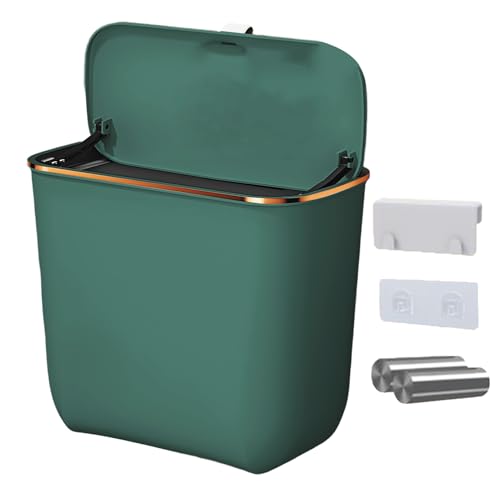

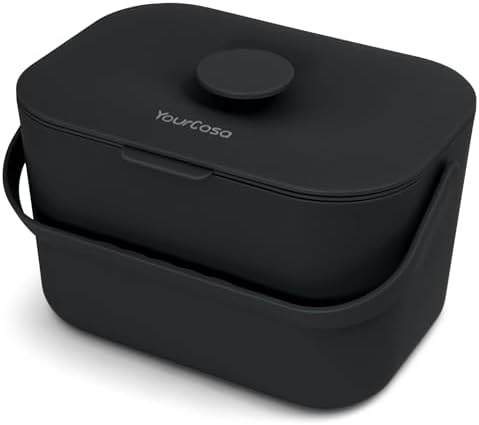
Despite urban challenges, such as limited space and potential odor concerns, many compost bin solutions are designed specifically for apartments. These compact and odor-free models allow residents to compost efficiently without sacrificing living space or comfort. Furthermore, educational resources about composting in small areas have become increasingly accessible, providing comprehensive guidance to individuals interested in this eco-friendly endeavor. Residents can choose from various options, including vermicomposting, bokashi bins, or a traditional compost bin tailored for small, indoor environments.
Incorporating composting into an apartment lifestyle not only promotes a more sustainable personal living space but also inspires communities to engage in environmentally responsible practices. Cultivating awareness around composting helps foster a culture of sustainability that can influence wider urban living habits. Those who embrace composting contribute to a greater collective effort toward environmental stewardship, showcasing how even small spaces can play a significant role in the larger sustainability movement.
Benefits of Using a Compost Bin
Utilizing a compost bin in small apartments offers several significant advantages, especially for urban dwellers. One of the primary benefits is waste reduction. By composting kitchen scraps and organic material, individuals can significantly decrease the amount of waste sent to landfills. This not only helps in prolonging the life of landfill sites but also reduces greenhouse gas emissions associated with organic waste decomposition in landfills.
Moreover, composting promotes nutrient recycling, which is particularly beneficial for those with limited access to outdoor gardening. Organic waste breaks down into nutrient-rich compost that can be used to enrich potting soil for indoor plants. This enriches the urban living experience by allowing apartment dwellers to cultivate their gardens without relying heavily on store-bought fertilizers. Consequently, an investment in a compost bin can lead to substantial cost savings on fertilizers over time.
Another noteworthy advantage is the contribution to a greener environment. Composting is not merely a personal benefit; it plays a vital role in sustainable living. By choosing to compost, individuals participate in a larger movement towards resource conservation, reducing the carbon footprint associated with traditional waste management methods. This aligns with the growing trend of urban sustainability and conscious living, allowing residents to take meaningful actions toward environmental stewardship, even in small spaces.
Additionally, some compact compost bins are designed to be odor-free, making them suitable for apartment living. They can be conveniently placed in kitchens or balconies without causing unpleasant smells, enhancing the overall livability of the space. Thus, adopting composting practices aligns with both efficient waste management and eco-friendly living, making it a practical choice for those in urban settings.
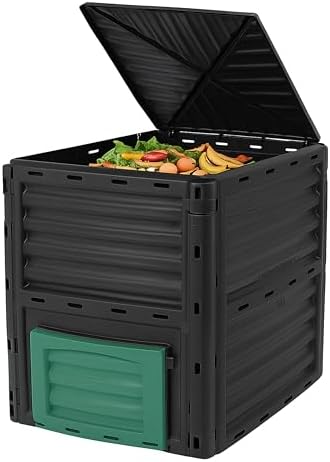
- 300L Large Capacity Compost Bin – This high-volume compost bin is perfect for gardens, outdoor spaces, and backyards. Th...
- Quick and Easy Assembly Composter – Assemble this outdoor composter in minutes with no tools required. The top-loading c...
- Eco-Friendly and BPA-Free Compost Converter – Made from UV-protected, BPA-free, food-safe plastic, this compost bin is d...
Criteria for Choosing a Compost Bin
Selecting the appropriate compost bin for a small apartment involves several crucial criteria that directly affect the effectiveness and convenience of composting within confined spaces. One of the primary considerations is the size of the compost bin. In a small apartment, space is often limited, necessitating a compact design that can fit into kitchen corners or beneath sinks without obstructing daily activities.
Another essential factor is odor control features. Composting can produce unpleasant smells if not managed properly. Therefore, a compost bin with effective sealing mechanisms, charcoal filters, or ventilation systems can significantly reduce odors, making it suitable for use in apartments. This attribute not only enhances comfort for residents but also for neighbors.
The materials used in constructing the compost bin should also be a consideration. Bins made from durable, non-toxic materials, such as stainless steel or BPA-free plastics, are preferred as they are easier to clean and less likely to retain odors over time. Additionally, the choice of material can impact the bin's weight, making portability a potential issue for those who may need to relocate the bin frequently.
Ease of use is another vital criterion. A user-friendly design facilitates the addition of organic waste, such as fruit scraps and coffee grounds, and often includes features that allow for easy mixing or aeration. Maintaining balance between ease of access and security against pests is important, as it ensures that the composting process is efficient.
Finally, it is essential to evaluate the maintenance requirements of the compost bin. The ideal bin should require minimal effort to maintain while still ensuring optimal composting conditions. Low-maintenance options are particularly beneficial for those with busy lifestyles, making composting a feasible task even in small living environments.
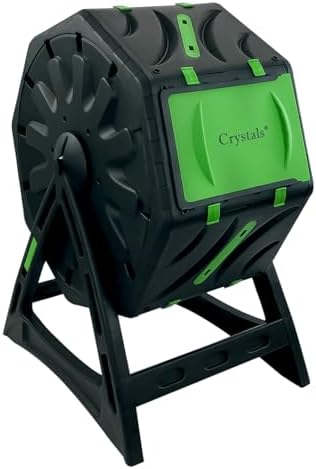
- {Efficient Composting}: The 65L rotating compost bin is perfect for converting organic kitchen and garden waste into nut...
- {Durable and Compact Design}: Constructed from high-quality plastic, this compost bin is designed to last, offering stre...
- {360° Rotating Barrel}: The tumbling compost bin design makes mixing waste easy and hands-free, ensuring uniform decompo...
Top Odor-Free Compost Bins for Small Apartments
Composting in small apartments can be challenging, especially when it comes to managing odors. Fortunately, several compost bins are designed specifically for urban living. Below, we present a curated list of some of the best odor-free compost bins that are ideal for small spaces.
1. Epica Stainless Steel Compost Bin
The Epica Compost Bin is a stylish option for urban dwellers, featuring a sleek stainless steel design that complements any kitchen décor. It includes an activated charcoal filter that effectively eliminates odors, making it suitable for indoor use. Its 1.3-gallon capacity is perfect for small apartments, and the removable inner bucket allows for easy compost transfer and cleaning.
2. OXO Good Grips Easy Clean Compost Bin
This compost bin from OXO features a unique design that facilitates easy cleaning and odor control. The bin’s airtight seal keeps odors trapped inside while also ensuring that compost is kept free of pests. With a capacity of 1.75 gallons, it provides ample space for kitchen scraps, and its compact size fits perfectly on countertops or inside cabinets.
3. Uline Compost Bin
The Uline Compost Bin is made of durable materials and features a specialized lid that minimizes odor while still allowing for ventilation. It holds up to 1.5 gallons of compost materials and includes a removable liner for easy cleaning. The design is compact enough to fit in any small apartment, making it a practical choice for eco-conscious urban residents.
4. Food Cycler Platinum Indoor Composter
For those seeking a more technologically advanced option, the Food Cycler Platinum provides an odor-free solution by silently grinding and dehydrating food waste within hours. This countertop unit not only minimizes odors but is also an efficient way to create compost quickly. Its compact design makes it perfect for small apartments, and it can process a significant amount of waste in a short time.
These compost bins are excellent choices for odor-free composting in small apartments. They meet the needs of urban living while contributing to sustainable practices and reducing kitchen waste effectively.
Compact Compost Bin Options
When living in a small apartment, finding effective solutions for waste management can be challenging. Compact compost bin options are specifically designed to fit seamlessly into limited spaces, providing an efficient way to recycle kitchen scraps while minimizing odors. Two popular types of compact compost bins are countertop models and compact tumbler bins, each offering unique benefits.
Countertop composters are ideal for small living spaces, as they often have a sleek design that fits on kitchen counters or under sinks. These bins typically feature sealed lids and charcoal filters, effectively controlling odors while allowing easy access for depositing food waste. They can be a great investment for households that produce minimal organic waste, as they hold a moderate amount of scraps before needing to be emptied into a larger outdoor composting system or municipal compost collection.
On the other hand, compact tumblers offer a more hands-off approach to composting. Designed to be space-efficient, these bins are often elevated off the ground to streamline turning the compost mixture. Compact tumblers use a rotating drum to aerate the compost, promoting faster decomposition while keeping the process odor-free. Available in various sizes, these tumblers can be utilized on balconies or patios, making them suitable for those who may not have garden space but still wish to compost.
Both countertop and tumbler compost bins come in various materials, such as stainless steel, plastic, or biodegradable options. Choosing the right bin ultimately depends on individual needs, space availability, and composting goals. With such innovative designs available, compact compost bins are an excellent solution for apartment dwellers looking to lead a more sustainable lifestyle.
DIY Compost Bin Ideas for Small Spaces
Creating a compost bin in a small apartment can be both a practical and fulfilling endeavor. With a bit of creativity, you can transform everyday household items into effective composting solutions. Here are some innovative DIY compost bin ideas tailored for compact living situations.
One of the simplest methods involves repurposing a plastic storage container. A standard plastic bin can serve as a functional compost unit with minimal alterations. Start by drilling small holes in the bin's sides and bottom for ventilation and drainage, which are essential for facilitating the decomposition process. This compact approach allows you to utilize vertical space effectively while minimizing odors and mess.
A more aesthetically pleasing option is to create a countertop compost bin using a ceramic pot with a lid. This design not only keeps odors under control but also adds a touch of style to your kitchen. Fill it with kitchen scraps like fruit peels and vegetable trimmings, and periodically transfer the contents to a larger outdoor or balcony bin when it becomes full. To keep the composting process efficient, consider adding coffee grounds or leaves for additional carbon material.
If you prefer a more mobile solution, an old wooden pallet can be transformed into a compact compost bin. Simply take two pallets and secure them together in an L-shape to create a contained area. This option offers excellent airflow, which is critical for composting efficiency. Ensure to place it in a well-drained area and rotate the composting materials regularly to maintain the ideal environment for decomposition.
Finally, consider using a worm bin, or vermicomposting, which allows you to compost in the smallest of spaces. A small plastic container or a drawer with ventilation holes can house red wiggler worms that will break down kitchen scraps into nutrient-rich compost. This method is particularly beneficial for those with very little room, as it can fit under a sink or in a closet.
Maintaining Your Compost Bin: Essentials for Success
Proper maintenance of a compost bin is crucial for creating nutrient-rich compost and minimizing unpleasant odors. A successful composting process relies on a balanced mix of materials, appropriate aeration, and moisture control. First and foremost, it is essential to balance green and brown materials within the compost bin. Green materials, such as vegetable scraps and grass clippings, are rich in nitrogen, while brown materials, such as dried leaves and cardboard, provide carbon. A general rule of thumb is to maintain a ratio of approximately 2:1 of brown to green materials, ensuring a healthy composting environment.
Aeration techniques are also key to maintaining a well-functioning compost bin. Oxygen is vital for the microorganisms that break down organic matter. Turning the compost regularly, ideally every few weeks, helps to introduce air into the pile, enhancing decomposition. If space allows, rotating the compost or using a compost tumbler can simplify this process, promoting even aeration and mixing.
Moisture control is another essential factor in maintaining a compost bin. Compost should retain moisture but not be overly wet, as excess moisture can lead to a smelly, slimy mass. Aim for a consistency similar to a damp sponge; you can add water if it feels too dry or incorporate more dry materials if it is too wet. If odors develop, it may be due to an imbalance of materials or insufficient aeration. Adding browns and turning the compost more frequently can help mitigate these issues.
By adhering to these essential maintenance tips, composting in a small apartment can be a successful endeavor. Balancing materials, ensuring adequate aeration, and controlling moisture will lead to a healthy compost bin, ultimately facilitating a productive composting experience while minimizing odors.
Composting Challenges and Solutions in Urban Settings
Composting in small apartments presents unique challenges that urban dwellers must navigate. One of the most significant issues is odors. Without proper management, kitchen scraps can emit strong smells that may be uncomfortable for residents and their neighbors. To mitigate odors, it is essential to maintain a balanced carbon-to-nitrogen ratio by adding materials such as dried leaves, shredded paper, or cardboard. These items not only absorb excess moisture but also facilitate air circulation within the compost bin, reducing unpleasant scents.
Pests are another common hurdle in apartment composting. Fruit flies, for example, can quickly populate a poorly managed compost bin. To combat this, it is advisable to store compost inside a sealed container before transferring it to the larger bin. Additionally, using finer particles of food scraps, such as blended fruits or vegetables, allows for quicker decomposition and minimizes the risk of attracting pests.
Space constraints can further complicate composting efforts in urban settings. With limited square footage, it is crucial to opt for compact compost bins designed specifically for apartments. These bins are often odor-resistant and may even have built-in ventilation systems. Moreover, utilizing worm composting (vermicomposting) can be an efficient solution, as it requires minimal space while providing nutrient-rich compost.
Regular monitoring and maintenance are vital for successful composting. Turning the compost frequently and monitoring moisture levels helps to accelerate decomposition, ensuring that the composting process runs smoothly and efficiently. Setting up regular schedules for adding scraps and maintaining the composting bin can simplify the process and integrate it seamlessly into daily routines. By implementing these strategies, apartment residents can enjoy the benefits of composting while overcoming the associated challenges in an urban environment.
Conclusion: Embracing a Sustainable Lifestyle in an Apartment
As urban living continues to rise, it becomes increasingly crucial for residents of small apartments to seek innovative solutions for waste management. Composting offers an excellent way to reduce kitchen waste while contributing to a sustainable lifestyle. By adopting composting practices, city dwellers can significantly decrease their carbon footprint and engage in an environmentally conscious habit that promotes recycling at home.
Many individuals may hesitate to start composting due to concerns about odors, space limitations, or a perceived lack of knowledge. However, modern compost bins designed for small apartments effectively address these issues. These bins are compact, odor-free, and aesthetically pleasing, making them suitable for kitchen or balcony placement. By incorporating composting into their daily routines, apartment residents can transform organic waste into nutrient-rich compost that benefits indoor plants or can be donated to community gardens.
Moreover, composting in an urban setting can foster a sense of community and shared responsibility toward the environment. Neighbors can exchange compost or tips, and local schools or organizations may host workshops to educate the public about sustainable practices. This collaborative spirit promotes awareness and encourages individuals to take ownership of their waste disposal habits.
In summary, embracing composting in small apartments not only aids in waste reduction but also allows residents to participate in a vital movement toward sustainability. By taking the plunge into composting, individuals can enhance their lifestyles, manifest environmental stewardship, and contribute to a healthier planet. Therefore, consider incorporating composting into your routine, and inspire others to join in, making a collective impact on urban waste management.


0 Comments