Introduction to Anti-Microbial Socks and Their Importance for Trekking
Anti-microbial socks are specialized garments designed to inhibit the growth of bacteria and fungi, which can cause unpleasant odors and foot-related issues. These socks are engineered with materials that possess inherent anti-microbial properties, often infused with silver ions or treated with specific chemicals that disrupt the cellular structure of microorganisms. This functionality is especially valuable for individuals embarking on multi-day trekking adventures, where foot hygiene becomes paramount.
"Heads up: Some of the links in this post are affiliate links. This means if you click on the link and purchase the item, I’ll receive an affiliate commission. This helps keep the lights on here at techdhami.com! Thanks for your support!"
During extended hikes, the environment inside footwear can become dark and moist, creating an ideal breeding ground for harmful pathogens. The use of anti-microbial socks can significantly mitigate this risk by maintaining a cleaner environment for the feet, thus reducing the likelihood of infections. By hindering bacteria growth, these socks help in maintaining foot health, something that is vital for those who rely on their feet to traverse challenging terrains.

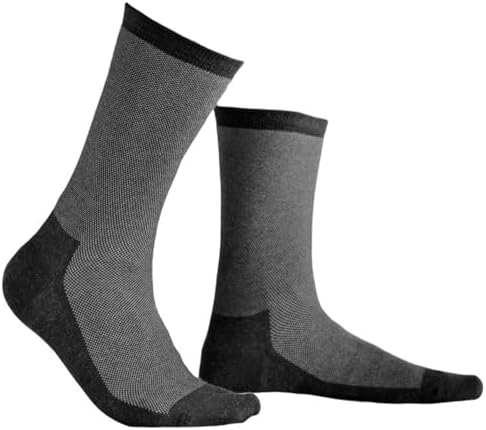


Furthermore, anti-microbial socks play a crucial role in enhancing comfort throughout the trekking experience. As these socks work to control odor, trekkers can enjoy a fresher feeling, which can be a significant psychological boost during long hikes. Wearing socks that protect against the growth of fungi can also help in preventing blisters and other skin irritations that arise from prolonged moisture and friction, making them an essential accessory for any serious hiker.
In addition to their performance benefits, the availability of various styles and designs of anti-microbial socks ensures that trekkers can choose options that suit their individual needs and preferences. As we explore the best anti-microbial socks available for multi-day trekking, we will uncover high-rated choices that not only focus on foot health but also prioritize comfort and durability in demanding environments.
Key Features to Look for in Anti-Microbial Trekking Socks
When selecting anti-microbial trekking socks, several key features should be considered to ensure optimal performance during extended multi-day treks. One of the most critical aspects is the materials used, as they directly influence the sock's effectiveness in preventing microbial growth. High-quality synthetic fibers such as nylon and polyester are commonly used for their durability and moisture-wicking properties. Natural fibers, including merino wool, also play an essential role as they naturally resist odor and provide excellent thermal regulation.
Breathability is another vital feature to look for, as it allows for air circulation within the sock, helping to keep feet dry and comfortable. This is particularly important when embarking on long treks where sweat accumulation can lead to blisters and other foot problems. Many anti-microbial socks incorporate mesh panels for increased ventilation, thereby enhancing overall comfort.
Moisture-wicking properties are paramount in trekking socks, as they help draw moisture away from the skin to the sock's exterior, where it can evaporate. This function significantly reduces the risk of fungal infections and other complications associated with excessive moisture. Look for socks with advanced moisture management technologies to ensure that your feet remain dry and healthy during rigorous activities.
Cushioning is also an essential aspect of performance socks. Adequate cushioning provides support and shock absorption, minimizing impact while walking on uneven terrains. Additionally, a secure fit is necessary to prevent slippage and minimize friction. Socks with reinforced heel and toe areas not only enhance durability but also contribute to improved fit and comfort.
Ultimately, understanding the balance between synthetic and natural fibers is crucial. While synthetic materials often provide superior moisture-wicking and durability, natural fibers, like merino wool, offer breathability and natural anti-microbial properties. Choosing the right blend ultimately depends on individual preferences and specific trekking conditions.
Top-Rated Anti-Microbial Socks for Multi-Day Trekking
Choosing the right anti-microbial socks can significantly enhance your trekking experience, especially during long multi-day journeys. Below, we highlight some of the top-rated anti-microbial socks available on the market, designed to keep your feet comfortable and free from bacteria.
1. Darn Tough Hike/Trek Socks
Made from merino wool, these socks provide excellent moisture-wicking properties and natural anti-microbial benefits, which help in combatting odor. Users appreciate their durability and cushioning, making them ideal for long treks. The seamless construction ensures comfort without blisters.
2. Smartwool PhD Outdoor Heavy Crew Socks
Crafted with a blend of Merino wool, nylon, and elastane, Smartwool socks incorporate anti-microbial technology that keeps feet fresh over time. Reviews often highlight their warmth and support, particularly on colder hikes. Their strategic cushioning and elasticized ankle support contribute to comfort during extended use.
3. Icebreaker Hike+ Mid Crew Socks
These socks use a combination of Merino wool and nylon, incorporating anti-microbial properties that prevent bacterial growth. They feature exceptional breathability and cushioning, making them a favored choice for multi-day treks. Users find them comfortable even after multiple days of wear, with minimal odor.
4. Injinji Trail Midweight Toesock
Injinji offers a unique toe sock design that focuses on individual toe protection and comfort. Made with a durable combination of nylon and lycra, these socks have anti-microbial properties to prevent odor and blisters. Customers appreciate the fit and feel during long hikes, noting that they help in reducing fatigue.
5. Farm to Feet Linville Lightweight Hiking Socks
These socks utilize a blend of Merino wool and nylon, offering natural moisture management and anti-microbial properties. Users have praised their soft feel and excellent durability, highlighting their effectiveness during multi-day trekking trips.
Comparison of Popular Anti-Microbial Sock Brands
When it comes to selecting the ideal anti-microbial socks for multi-day trekking, several reputable brands stand out in the market, each offering unique features. This section presents a comparison of some popular brands, focusing on aspects such as price, performance, comfort, and overall reputation.
1. Smartwool: Known for their high-quality merino wool products, Smartwool offers socks that are not only comfortable but also highly effective in moisture management and odor resistance. Prices typically range from $20 to $30, making them a mid-range option. Their reputation for durability and comfort makes them a popular choice among trekkers.
2. Merrell: Merrell is recognized for its outdoor apparel and accessories. Their anti-microbial socks are designed for high performance in rugged environments, featuring strategic cushioning and arch support. At approximately $15 to $25, they offer competitive pricing. User reviews often highlight their breathability and comfort during long treks.
3. Balega: Specializing in performance socks, Balega uses advanced fiber technology to ensure their products are not only anti-microbial but also supportive and cushioned. Prices range from $12 to $22, making them accessible for budget-conscious consumers. Their reputation is bolstered by consistent customer satisfaction, particularly for comfort during prolonged usage.
4. Darn Tough: This brand is renowned for its lifetime guarantee and exceptional durability. Darn Tough socks are constructed with merino wool and are known for their snug fit and moisture-wicking properties. Prices generally range from $25 to $30, positioning them at a premium level, yet their performance and comfort justify the investment.
A quick reference table comparing key features, including material type, pricing, and specific benefits, may assist readers in making an informed decision tailored to their trekking needs. Overall, selecting the right anti-microbial sock brand is crucial, as the performance during treks significantly affects comfort and foot health.
User Reviews: What Trekkers Have to Say
When it comes to selecting the best anti-microbial socks for multi-day trekking, user testimonials provide invaluable insights into real-world performance across various terrains and conditions. Many outdoor enthusiasts have shared their experiences, highlighting the socks' effectiveness in managing moisture and odor, which are critical features for long treks.
For instance, trekkers in wet and muddy terrains have praised specific brands for their superior moisture-wicking abilities. Users report that these socks kept their feet dry even after hours of hiking in adverse weather, reducing the risk of blisters and discomfort. Additionally, the anti-microbial properties of these socks have been noted as a significant advantage, with several users mentioning that they could trek for multiple days without experiencing unpleasant odors.
Conversely, in mountainous terrains where temperature fluctuations are common, many trekkers have found that certain models offered enhanced thermal regulation. Testimonies indicate that even in colder conditions, these socks provided sufficient insulation, while still allowing breathability during strenuous climbs. Trekkers appreciated the balance between warmth and comfort, leading to minimal distractions during their journeys.
Moreover, users hiking in arid climates reported that specific socks were instrumental in providing cushioning and support, especially during prolonged wear. These testimonials reflect a consensus on the importance of quality materials, with many mentioning blends that include merino wool and synthetic fibers which contribute to comfort and durability.
In summary, the feedback of outdoor enthusiasts showcases not only the comfort and functionality of anti-microbial socks but also highlights their versatility across diverse trekking conditions. The shared experiences of trekkers underline the necessity of choosing the right socks to enhance overall trekking performance.
Care and Maintenance Tips for Anti-Microbial Socks
To ensure the longevity and effectiveness of your anti-microbial socks, it is essential to follow proper care and maintenance protocols. These specialized socks are designed to combat odors and maintain a fresh feeling even during prolonged wear, but their benefits can diminish without the right upkeep.
When it comes to washing your anti-microbial socks, always adhere to the manufacturer's specific instructions. Generally, it is advisable to use a gentle cycle with cold water to prevent the fibers from breaking down. Opt for a mild detergent without harsh chemicals or fabric softeners, as these can interfere with the anti-microbial properties of the material. Avoid using bleach, as it can weaken the fabric and compromise its odor-fighting capabilities.
After washing, it is critical to choose the appropriate drying method. While air drying is the best option for preserving the integrity of the fibers, if you must use a dryer, select a low heat setting to reduce the risk of damage. High temperatures can lead to shrinkage and may hinder the anti-microbial function. Proper drying not only maintains the fit of the socks but also helps in prolonging their lifespan.
Storage is another important aspect of maintaining your anti-microbial socks. Ideally, store them in a cool, dry place, away from direct sunlight, which can degrade the material over time. Avoid cramming them into tight spaces, as this can cause deformation. Folding them neatly or using a sock organizer can help retain their shape and prevent damage.
By following these care and maintenance tips for anti-microbial socks, you will not only extend their lifespan but also ensure that they continue to provide the comfort and protection they are designed for throughout your multi-day trekking adventures.

The Science Behind Anti-Microbial Technology in Socks
Anti-microbial technology has revolutionized the world of textiles, particularly in socks designed for multi-day trekking. At the core of this technology lies the principle of inhibiting the growth of bacteria and fungi, which can lead to odor and foot infections.
One of the most prevalent methods used in manufacturing anti-microbial socks involves ion treatments. This process incorporates positively charged ions, such as silver ions, into the fabric. These ions disrupt the cellular processes of the microbes, ultimately leading to their demise. Silver is particularly effective due to its natural properties that prevent bacteria from reproducing, making it a popular choice in outdoor gear.
In addition to ion treatments, chemical applications are employed to enhance sock performance. These solutions create a barrier on the fibers of the fabric that actively repels microbes. For instance, some anti-microbial socks include treatments that bond with the fabric's fibers, providing lasting protection throughout multiple wears and washes. This chemical treatment not only helps in odor control but also ensures a healthier environment for the wearer’s feet, reducing the risk of athlete's foot and other fungal infections.
Moreover, naturally resistant materials such as merino wool are increasingly incorporated into anti-microbial sock designs. Merino wool possesses inherent anti-bacterial properties, which assist in moisture management and temperature regulation, key factors in maintaining foot hygiene during long treks. The combination of synthetic and natural fibers can produce socks that are not only comfortable but also highly effective in warding off unwanted microbes.
Understanding the scientific principles behind anti-microbial technologies can help consumers make informed decisions when selecting the best socks for their trekking adventures, ensuring both comfort and performance over extended periods.
Conclusion: Choosing the Right Anti-Microbial Socks for Your Trek
In the context of multi-day trekking, the selection of the appropriate anti-microbial socks can substantially influence the overall comfort and hygiene of your trekking experience. As we have explored throughout this blog post, anti-microbial socks are not merely an accessory but a vital component of trekking gear that can provide enhanced moisture management, odor control, and blister prevention.
It is imperative to consider various factors when choosing your socks, including the intended trekking duration, terrain, and climatic conditions. The brand and material of the socks play a significant role in their effectiveness. Many of the top-rated socks utilize advanced fabrics with inherent anti-microbial properties, allowing for prolonged use without undue discomfort. Additionally, factors such as cushioning, cushioning placement, and fit should align with personal preferences to provide optimal support.
Moreover, keeping in mind individual foot anatomy can further refine your choice. This attention to detail in selecting the right pair can help prevent the common pitfalls associated with trekking, such as blisters and fungal infections.
Ultimately, the selection process demands that you blend your personal preferences with the technical specifications outlined in this blog. By understanding your specific trekking requirements and considering feedback from fellow trekkers, you can make a well-informed decision. This approach will not only enhance your trekking joy but also contribute significantly to your foot health, ensuring that your adventures are both comfortable and enjoyable.

FAQs About Anti-Microbial Trekking Socks
When it comes to choosing the right socks for multi-day trekking, anti-microbial trekking socks are often at the forefront due to their unique properties designed to combat bacterial growth and odor. Below are some frequently asked questions that address common concerns regarding these specialized socks.
1. How effective are anti-microbial socks?
Anti-microbial socks are designed to inhibit the growth of bacteria and fungi, significantly reducing odor and foot infections during prolonged wear. The effectiveness of these socks can vary based on the materials used, with some brands incorporating advanced technologies such as silver ions or other natural anti-microbial substances. Users typically report a noticeable improvement in foot hygiene, especially during multi-day treks.
2. How long do anti-microbial properties last?
The longevity of the anti-microbial properties in trekking socks largely depends on the fabric composition and washing practices. While some socks maintain their effectiveness for several weeks to months, regular washing may gradually diminish these properties. It is essential to follow the manufacturer's care instructions to maximize the lifespan of the anti-microbial effects.
3. What materials are best for anti-microbial trekking socks?
Common materials for anti-microbial trekking socks include merino wool, synthetic blends, and bamboo fibers. Merino wool is particularly valued for its natural anti-microbial capabilities, moisture-wicking properties, and thermoregulation, making it an excellent choice for various weather conditions. Synthetic blends often incorporate anti-microbial treatments that enhance performance and durability.
4. How should I wash my anti-microbial socks?
To preserve the beneficial features of anti-microbial socks, it is recommended to wash them in cold water and avoid fabric softeners that can impair their moisture-wicking properties. Air drying is preferred, as excessive heat from tumble drying can degrade the fibers and the anti-microbial treatments.
5. Are there any downsides to using anti-microbial socks?
While the benefits of anti-microbial trekking socks outweigh the downsides, some users may find them more expensive than regular socks. Additionally, the effectiveness of anti-microbial properties may vary between brands, highlighting the importance of quality when making a selection for trekking purposes.




0 Comments