Introduction to Headphone Burn-In
Burn-in is a term frequently used in the audiophile community to describe the process of allowing new headphones to be played for a duration to optimally condition the drivers. Many enthusiasts believe that this practice enhances the overall sound quality and performance of the headphones, leading to a more refined audio experience. The belief in headphone burn-in is rooted in the notion that, with time and use, the mechanical components of the headphones—most notably the drivers—settle into their intended operational state.
The drivers, which convert electrical audio signals into sound waves, are typically made from materials that may require a breaking-in period to reach their full potential. During initial usage, the diaphragm and suspension systems can be somewhat stiff and not fully responsive to frequencies, which may affect sound quality. As the headphones are used, these components gradually loosen and begin to perform as originally intended. This results in a smoother response, improved detail retrieval, and greater overall fidelity.
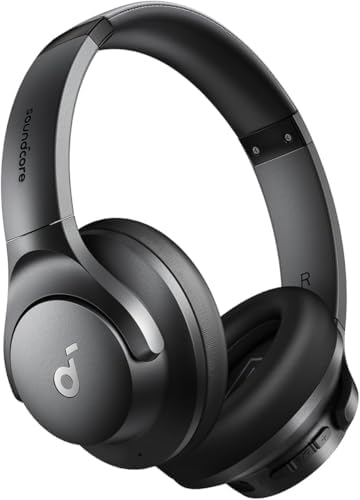
- Hybrid Active Noise Cancelling: 2 internal and 2 external mics work in tandem to detect external noise and effectively r...
- Immerse Yourself in Detailed Audio: The noise cancelling headphones have oversized 40mm dynamic drivers that produce det...
- 40-Hour Long Battery Life and Fast Charging: With 40 hours of battery life with ANC on and 60 hours in normal mode, you ...
Despite the lack of consensus among audio researchers regarding the scientifically measurable effects of burn-in, a significant number of audiophiles advocate for the practice. Advocates often report an improvement in soundstaging, clarity, and an overall pleasing acoustic quality after following burn-in procedures, which may include playing various audio genres at different volume levels for several hours.
Critics, on the other hand, argue that perceived changes may be more psychological than physical, attributing shifts in sound quality to the listener’s adjusting ear rather than actual improvements in headphone performance. Nevertheless, regardless of the cause, many audiophiles continue to embrace the burn-in process as a necessary step in enjoying their new headphones to the fullest extent.
Why Burn-In Matters
Burning in new audiophile headphones is a process that is often debated within the audio community, yet it is widely practiced for its perceived benefits in sound quality. The process involves playing audio through the headphones at moderate volume over a period of time, which aims to stabilize the components and enhance the listening experience.
One of the primary advantages of burning in headphones is the improvement in bass response. Many audiophiles report a more pronounced and controlled bass after a burn-in period. This could be due to the mechanical components, such as the drivers and cushions, settling into their appropriate positions, allowing for better sound quality.
Additionally, clarity tends to improve following a burn-in. New headphones may initially sound somewhat muted or unclear, which can be attributed to the materials not being fully acclimated to their functional ranges. During the burn-in process, these materials undergo slight changes that ultimately result in a more crisp and detailed audio output.
Overall balance is yet another significant improvement noted by users who have burned in their new headphones. This encompasses the relationship between various frequency ranges, ensuring that treble, midrange, and bass coexist harmoniously in the sound profile. Consequently, audiophiles can achieve a more engaging and immersive listening experience.
However, it is crucial to recognize that the necessity of burning in headphones remains a contentious topic within the audiophile community. Some professionals argue that perceived changes in sound quality are primarily psychological rather than physical, attributing them to the listener’s adaptation to the existing sound profile rather than actual improvements. Ultimately, whether or not to burn in new audiophile headphones is a personal choice, influenced by individual experiences and presentation preferences.

- All-Day Comfort & Premium Design: Crafted with high-quality materials, these over-ear wireless headphones combine luxury...
- Unbeatable 60-Hour Battery Life: Enjoy up to 60 hours of playtime in standard mode at moderate volume. A quick 5-minute ...
- Bluetooth 6.0 & Seamless Connectivity: Advanced Bluetooth 6.0 ensures stable, high-speed pairing with smartphones, table...
Myths and Misconceptions About Burn-In
The concept of burn-in for audiophile headphones often sparks heated debates among enthusiasts and audio professionals alike. One prevailing myth is that burn-in is strictly necessary for achieving optimal sound performance. This belief arises from the idea that components within headphones, particularly drivers, require time to loosen up and reach their full sonic potential. However, there is no scientific consensus supporting the notion that burn-in effects have a substantial impact on audio quality. It is essential to understand that while some users report noticeable changes in sound characteristics after extended use, this is frequently attributed to psychological factors rather than mechanical changes in the headphones.
Another common misconception is that all headphones, regardless of type or price point, require burn-in. In reality, differences in design and engineering mean that not all headphones experience the same level of change over time. For example, dynamic drivers may exhibit more noticeable burn-in effects compared to planar magnetic or electrostatic headphones, which tend to be stable in sound characteristics. This distinction raises questions about the universality of the burn-in process across different headphone models and technologies.
Additionally, the influence of auditory memory cannot be understated when discussing burn-in. Many listeners may perceive enhancements in sound quality after extended usage, driven by psychological adjustments to the sonic profile of new headphones. This phenomenon, known as the "familiarity effect," can lead to an altered perception of audio fidelity that may not directly correlate to an actual change in the headphone's performance. Consequently, while burn-in remains a topic of interest among audiophiles, it is crucial to approach the subject with a critical mindset and an understanding of the psychological elements that can color sound perceptions.
Preparing for the Burn-In Process
To ensure that your audiophile headphones undergo an effective burn-in process, it is essential to prepare adequately. The right equipment selection plays a crucial role in this phase. First, you need a high-quality audio playback device, such as a dedicated CD player or a high-fidelity digital audio player (DAP). These devices often provide better fidelity compared to standard consumer electronics, ensuring that the sound quality during burn-in is optimal.
In addition to the playback device, using a capable amplifier that matches the specifications of your headphones is recommended. A suitable amplifier can help drive the headphones efficiently and ensure they receive adequate power without causing distortion. For optimal performance, selecting an amplifier that balances well with your headphones' impedance is essential.
Next, the choice of audio tracks is fundamental for the burn-in process. It is advisable to use a variety of genres and audio frequencies. Tracks that include a wide range of frequencies—such as classical music, electronic beats, or specialized burn-in tracks designed to test the full audio spectrum—can be particularly beneficial. The diversity in audio content allows for the headphones to be exposed to different sound dynamics, which can aid in the development of their acoustic properties.
Moreover, controlling the volume levels during burn-in is important. It is suggested to start with moderate volume levels that are comfortable to listen to, avoiding excessive loudness that could potentially damage the drivers. Typically, a volume level that feels natural while still pushing the headphones slightly beyond normal listening levels works best. Maintaining these conditions will enhance the burn-in process, leading to a more refined audio experience once completed.
Step-by-Step Burn-In Process
Burn-in, a critical process for audiophile headphones, allows the components to settle and perform optimally. To execute an effective burn-in, follow this detailed step-by-step guide. First, allocate a timeline for the burn-in process, ideally between 50 to 100 hours. This duration has been suggested by many enthusiasts for achieving the best results, although some may prefer shorter or longer periods depending on personal experience.
Next, ensure that you have the right audio files ready for the burn-in. The most effective types of audio include a mix of genres such as classical music, jazz, and high-quality electronic test tones. This variety not only emphasizes different frequencies but also helps in evenly breaking in the drivers of the headphones. Lossless files, such as FLAC or WAV formats, are recommended for this process to maintain audio integrity.
When starting the burn-in, set the volume to a moderate level, around 60-70% of maximum loudness. Avoid using extreme volume levels, as this could potentially damage the headphones and hinder the burn-in effectiveness. Initially, run your audio files for approximately 8-12 hours daily while alternating between different genres and tracks. This approach will ensure that all frequency ranges are adequately utilized, promoting a well-rounded performance.
It's crucial to monitor the headphones during this period. If possible, use a burn-in tool designed for headphones to keep a consistent playback loop, which may include white noise, pink noise, or specific burn-in tracks. Maintain a relaxed listening environment, and preferably, intermittently stop the burn-in after every few hours to allow the headphones to rest.
In essence, adhering to this structured burn-in technique will significantly enhance the sound quality and overall performance of your new audiophile headphones.

- INTRODUCING THE SONY WH-CH520: Enjoy superb sound for every song, in a style that suits you, Featuring our Digital Sound...
- HIGH-QUALITY SOUND, TAILORED TO YOU: These Sony headphones feature DSEE technology to upscale every track, 360 Reality A...
- LISTEN IN COMFORT AND STYLE: With soft earpads and weighing just 147g, these wireless headphones are comfortable, Choose...
Monitoring Sound Changes During Burn-In
When it comes to the burn-in process of audiophile headphones, monitoring sound changes is essential for understanding how the headphones evolve over time. As you initiate the burn-in period, it is crucial to pay attention to various audio characteristics that indicate audible improvements. Start by listening for changes in treble clarity, bass depth, soundstage width, and overall balance. These elements are indicative of how the drivers adapt and settle into their optimum performance state.
One of the first changes you might notice is in the treble. Initially, the highs may appear harsh or peaky. As the burn-in progresses, they should smooth out, producing a more refined and natural sound. In contrast, the bass may start off as bloated or underwhelming, but it should tighten and gain depth, offering better definition and impact as you continue the process. Soundstage, which refers to the perceived spatial distribution of sound, is another vital characteristic to monitor. An initial sense of constraint may give way to a more expansive, immersive experience as the headphones settle into their new environment.
Documenting your findings throughout the burn-in process can contribute to a better understanding of your headphones' evolution. Keeping a log of your listening sessions can help you track subtle nuances that emerge over time. Note the specific tracks used for evaluation, the listening conditions, and your observations regarding any shifts in sound quality. This technique not only enhances your appreciation of the headphones' development but also fosters a deeper connection with your audiophile gear.
Ultimately, understanding how to monitor these sound changes will enrich your burn-in experience and allow you to fully appreciate the impact of this crucial period. Knowing what to listen for and documenting each session establishes a comprehensive perspective on the headphones' performance both before and after burn-in.
Post-Burn-In Evaluation of Headphone Performance
After completing the burn-in period for your audiophile headphones, it is crucial to evaluate their performance to understand the changes in sound quality. This evaluation allows you to determine whether the burn-in process has enhanced your listening experience, aligning with your expectations for audio fidelity.
Begin by familiarizing yourself with the sound signature of the headphones before the burn-in. Take notes on characteristics such as bass response, midrange clarity, and treble detail. Use reference tracks that you are familiar with and can rely on to identify subtle changes in audio performance. It is advisable to choose a varied selection of genres and recording styles to get a comprehensive understanding of the headphones’ capabilities.
After the burn-in is completed, revisit the same reference tracks. Listen attentively for any noticeable improvements in sound quality. You might find that bass becomes tighter and more impactful, midrange frequencies sound clearer, and treble notes become more defined and airy. These changes can signify that the drivers have settled into their optimal performance state.
Additionally, pay attention to the stereo imaging and soundstage of the headphones. Robust sound imaging allows you to pinpoint the location of instruments and vocals, giving a sense of space and depth in your music listening experience. Compare the perceived width and depth of the soundstage before and after the burn-in process to gauge improvements.
Lastly, assess how these changes affect your overall enjoyment of the headphones. If the enhancements contribute positively to your listening experience, then the burn-in process can be deemed successful. However, if you find no significant changes, it is important to remember that every pair of headphones can respond differently to burn-in, and personal preferences will also play a critical role in your satisfaction.
Maintenance and Care of Audiophile Headphones
Proper maintenance and care of audiophile headphones are vital to ensure their longevity and optimal performance. Once you have completed the burn-in process, implementing effective storage techniques is essential. For instance, always store your headphones in a dedicated case or pouch when not in use. This practice helps to protect them from dust, dirt, and potential physical damage that can occur when headphones are left exposed. Select a case that fits your headphones snugly to minimize movement inside the case.
Cleaning your audiophile headphones is equally important. Use a soft, dry microfiber cloth to clean the outer surfaces regularly. For ear pads, follow the manufacturer's instructions, which may recommend specific cleaning solutions or methods. Avoid aggressive chemicals as these can degrade materials such as leather or fabric. It may also be beneficial to gently wipe down the headband and ear cups with a slightly damp cloth to remove any accumulated oils or sweat, ensuring the headphones remain comfortable during use.
Another key aspect of maintenance involves regular inspection of the cables and connectors. Check for any signs of wear, fraying, or damage, which could impact sound quality and overall usability. If any issues are detected, consider replacing cables or seeking professional repairs rather than attempting DIY fixes that could void warranties. General upkeep should also include keeping them in a cool, dry environment, away from direct sunlight, which can deteriorate the materials over time.
By implementing these maintenance strategies, you can significantly prolong the lifespan and enhance the performance of your audiophile headphones, ensuring that you continue to enjoy high-fidelity sound for years to come.

- [Ultra 100H Playtime & Fast Charging] Bluetooth earphones have a battery life of up to 100 hours. You can charge the wir...
- [Active Noise Cancelling] Bluetooth headphones with strong wrapping can cover the entire ear, block most external noise,...
- [Superior Sound Quality] Headphones wireless bluetooth adopts a 40mm full frequency dynamic driver, significantly reduci...
Conclusion and Final Thoughts
In this guide, we explored the critical process of burning in audiophile headphones, an often-discussed yet frequently misunderstood aspect of headphone ownership. It is essential to recognize that the burn-in period serves a purpose; it facilitates the gradual settling of the headphone drivers, which can result in noticeable improvements in sound quality.
Throughout this article, we highlighted various methods for conducting a burn-in process, ranging from using dedicated tools and playlists to simply enjoying your favorite music over an extended duration. Each approach has its benefits and can cater to different preferences or lifestyles. The recommendations provided ensure a comprehensive understanding of how to properly execute a burn-in, aiming to enhance your listening experience.
Moreover, we emphasized the subjective nature of this process. While many audiophiles report positive changes in audio performance after completing burn-in sessions, individual experiences may vary. This variance underlines the importance of personal experimentation. As you monitor the evolution of sound quality over time, document your observations to contribute to a broader understanding of the phenomenon. Your insights may help to inform others who are curious about headphone burn-in practices.
In conclusion, the burn-in process stands as a pivotal step in maximizing the potential of new audiophile headphones. By taking the time to properly burn them in, you may unlock an enhanced audio experience that aligns with your listening tastes. We encourage our readers to share their own experiences with burn-in, as collective knowledge can enrich the audiophile community as a whole.



0 Comments