Introduction to Solo Hiking and Group Trekking
Outdoor adventures take many forms, with solo hiking and group trekking being two popular options among enthusiasts. Each approach offers unique experiences, challenges, and rewards, shaping how one interacts with nature and fellow adventurers. While some find solace in the tranquility of solo hikes, others prefer the camaraderie and safety that comes with group trekking.
Solo hiking allows individuals the freedom to choose their own routes, pace, and stops. This independence fosters a strong connection with the environment, encouraging introspection and personal growth. However, it also requires a high level of self-sufficiency and preparedness. Solo hikers must be proficient in navigation, risk assessment, and emergency handling, as they may not have immediate assistance in a crisis.

Conversely, group trekking is characterized by a shared experience, often enhancing the enjoyment of challenging trails. Travelers find comfort in the collective knowledge and support offered by companions, which can improve safety and motivation. Group dynamics also allow for a diversity of perspectives, enriching the overall experience. Yet, trekking in groups often necessitates more complex logistics, including coordination on gear, pacing, and meal planning.
Ultimately, the choice between solo hiking and group trekking hinges on individual preferences, experience levels, and the desired level of social interaction. Understanding these nuances is crucial when considering the appropriate gear setup for each adventure. Next, we will delve into the specific gear requirements for solo hikers and group trekkers, outlining how these needs differ based on their hiking styles.
Understanding Your Hiking Style
Hiking is a versatile outdoor activity that appeals to a wide range of individuals, each possessing unique preferences and motivations. Understanding your hiking style can significantly impact your overall experience. The two primary styles are solo hiking and group trekking, each with its own set of advantages and considerations.
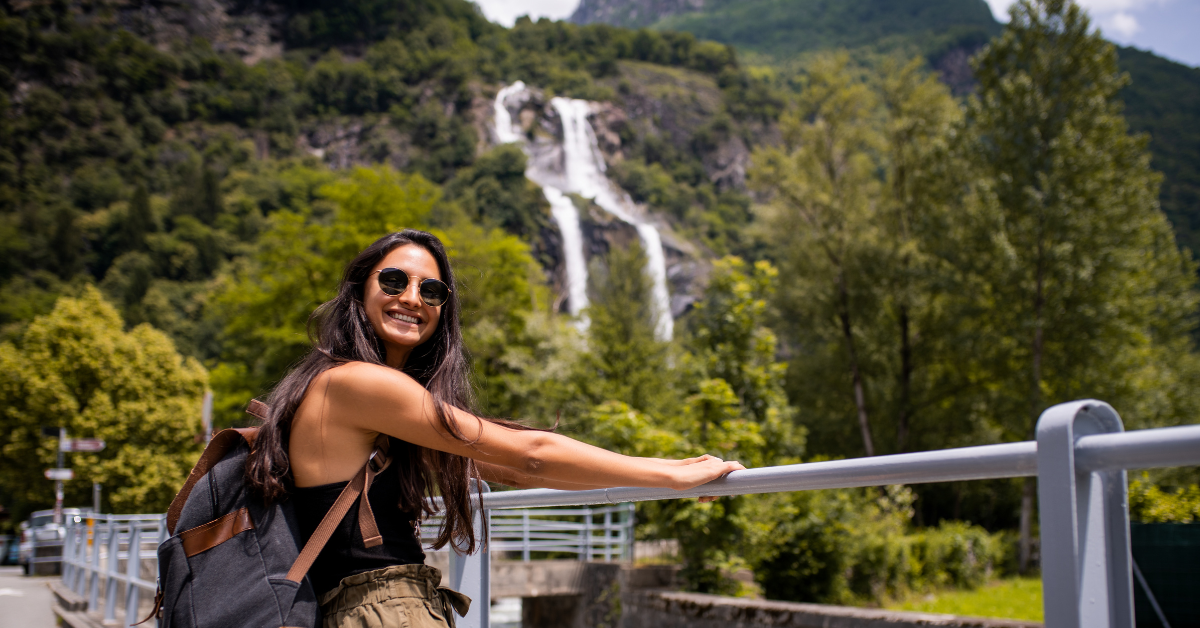
Solo hiking often attracts those seeking solitude and a deeper connection with nature. This style allows for personal reflection, giving hikers the freedom to navigate trails at their own pace, choose their own destinations, and indulge in moments of quiet introspection. The absence of distractions can foster a greater appreciation for the natural surroundings, enabling hikers to fully immerse themselves in the experience. However, solitary exploration may entail higher risks in terms of safety, as travelers must rely solely on their skills and preparedness.
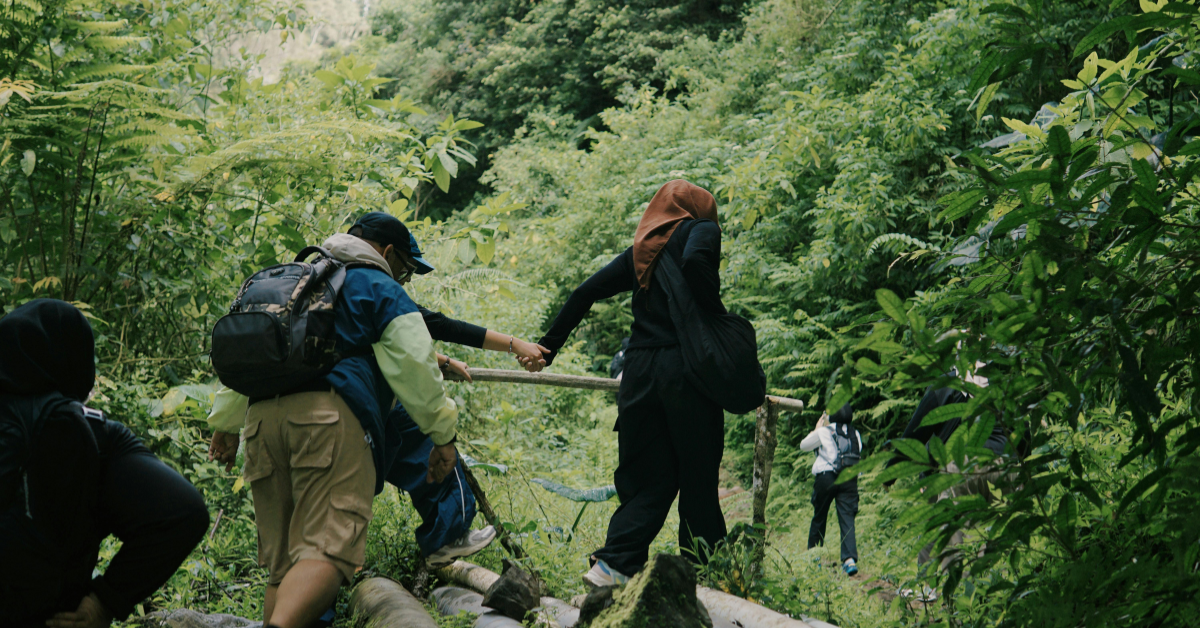
On the other hand, group trekking offers a sense of camaraderie and shared experience that many find invaluable. Navigating trails with friends or fellow enthusiasts can enhance the adventure, providing opportunities for social interaction and mutual support. Additionally, traveling in a group often contributes to a heightened sense of safety, as members can look out for one another, particularly in unfamiliar terrain. However, group hiking does come with its own challenges, such as coordinating schedules, managing different fitness levels, and accommodating varying preferences for pace and distance.
Ultimately, understanding your personal hiking style—whether you gravitate towards the independence of solo hiking or the shared experiences of group trekking—can help you make informed decisions regarding gear setups and preparations for your next outdoor adventure. Consideration of both options may also lead to a more well-rounded appreciation of the hiking ecosystem.
Gear Essentials for Solo Hiking
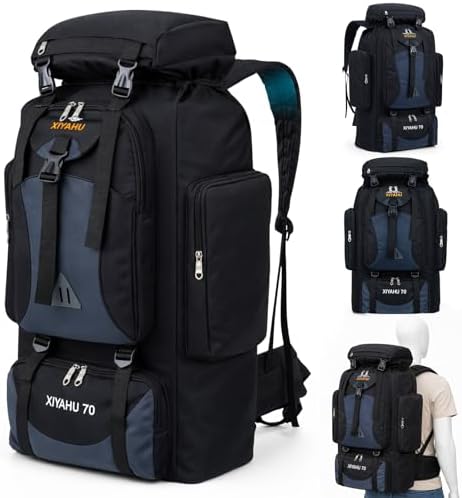
When embarking on a solo hiking adventure, having the right gear is essential for both safety and enjoyment. One of the primary considerations is the selection of a backpack that is both lightweight and spacious enough to accommodate all necessary items. Opting for a backpack with multiple compartments will enhance organization and accessibility, allowing solo hikers to keep important gear within easy reach. Generally, a capacity of 50 to 70 liters is adequate for most hiking trips, depending on the duration and nature of the journey.
Navigation tools are crucial for solo hikers, especially when traversing unmarked trails. A reliable map and compass are indispensable, and it is advisable to have a GPS device as a backup. Smartphone applications can also assist in navigation; however, it is important to carry a portable charger to ensure that devices remain powered throughout the hike.
In terms of cooking gear, lightweight options such as a portable camping stove and compact cookware set are vital for meal preparation. Dehydrated meals are an excellent choice for solo hikers, as they require minimal cooking time and equipment, thus reducing weight carried in the backpack. Additionally, a reliable water filtration system is essential for solo hikers, enabling access to clean drinking water from natural sources along the trail.
Safety equipment must not be overlooked in solo hiking scenarios. A first-aid kit tailored to personal needs is a must-have, but it is equally important to carry a whistle and a personal locator beacon for emergencies. Incorporating a multi-tool can further enhance safety, providing various functionalities in a compact form.
With the right gear, solo hiking can be a rewarding experience, characterized by the freedom to explore while maintaining a high level of preparedness and safety.
Gear Requirements for Group Trekking
When embarking on a group trekking adventure, selecting the appropriate gear is crucial for ensuring not only safety but also a more enjoyable experience. Unlike solo hiking, where minimalistic gear is often sufficient, group trekking necessitates additional items tailored to collective needs. These requirements often emphasize safety, convenience, and overall group dynamics.
One of the primary considerations is the accommodation gear. Large tents designed to house multiple individuals are essential for group trekking. These tents provide adequate space for sleeping, storage, and socialization, facilitating a comfortable environment. Furthermore, they often come equipped with enhanced features such as vestibules for gear storage and better ventilation.
In addition to sleeping arrangements, communal cooking equipment is highly beneficial for group settings. Items such as larger cooking pots, portable stoves, and food preparation tools allow the group to efficiently prepare meals. Sharing meals can foster camaraderie and streamline the logistics of food planning, which is especially important during multi-day treks.
Navigation tools also play a significant role in group trekking. Compiling resources such as maps, compasses, or GPS devices enhances the group's ability to navigate unfamiliar terrain effectively. Designating a group navigator ensures that everyone is on the same page regarding the route and helps maintain a sense of collective responsibility.
Safety gear cannot be overlooked in group settings. First aid kits should be adequately stocked to address the potential needs of multiple hikers. Additionally, group-specific items such as walkie-talkies or signaling devices can facilitate communication during emergencies or when the group separates due to terrain changes.
Ultimately, the choice of gear for group trekking must align with the collective preferences, sizes, and skills of the participants, highlighting the importance of collaboration in achieving a successful expedition.
Safety Considerations for Solo Hikers
Hiking alone can be a deeply rewarding experience; however, it brings a unique set of challenges that solo hikers must navigate effectively to ensure their safety. One of the foremost considerations is emergency preparedness. Unlike trekking in a group where assistance is readily available, solo hikers must be self-reliant. This means not only carrying the essentials such as adequate food and water but also having a well-thought-out emergency kit that includes items like a first-aid kit, a whistle for signaling, and a headlamp for visibility in low-light conditions.
Navigation skills are another critical aspect of solo hiking safety. Familiarity with maps and compasses can be invaluable, especially in areas devoid of established trails. Utilizing GPS devices is also recommended, but reliance solely on technology can be risky. It is advisable for solo hikers to combine electronic navigation with traditional skills to create a versatile approach. Practicing these skills before heading out on an adventure can significantly enhance a hiker's confidence and competence.
Moreover, solo travel safety tips are essential for minimizing risks. Informing friends or family about hiking plans, including expected routes and return times, establishes a safety net in case of emergencies. Hikers should also familiarize themselves with the terrain, weather conditions, and potential hazards associated with their trail. Carrying a personal locator beacon or satellite messenger can provide an additional layer of security, allowing hikers to summon help if necessary.
Ultimately, preparation is key to ensuring a safe solo hiking experience. By understanding the potential risks and equipping oneself with essential survival gear, solo hikers can increase their chances of a successful and enjoyable adventure, while also being ready to respond to unforeseen circumstances.
Group Dynamics and Safety in Trekking
When it comes to group trekking, the dynamics among participants can deeply influence not only the experience of the trek but also the overall safety of the group. It is vital for trekkers to understand that, unlike solo hiking, group trekking entails interaction with multiple individuals, each bringing their own attitudes, skills, and backgrounds to the journey. This variation can lead to both synergy in shared experiences and challenges that arise from differing perspectives and capabilities.
Effective communication plays a crucial role in maintaining a harmonious and safe environment during group treks. Establishing clear roles and guidelines prior to the journey helps in managing expectations from the outset. Participants should discuss group goals, pace, and any particular concerns regarding physical condition or experience levels. Fostering an inclusive atmosphere allows for the open exchange of ideas, which can be invaluable in addressing safety precautions and shared responsibilities, particularly in situations demanding first aid or emergency protocols.
Moreover, conflict resolution within trekking groups is essential for maintaining morale and safety. Disagreements may arise due to differing opinions on routes, pacing, or issues related to equipment. It is advisable for participants to establish a respectful dialogue about dissenting viewpoints, potentially designating a group leader to facilitate discussions. This ensures that conflicts are addressed promptly, reducing the likelihood of creating tension that could negatively impact the trek.
Lastly, shared responsibility in maintaining safety cannot be overstated. Each group member should be encouraged to carry essential gear, such as first aid supplies, navigation tools, or emergency equipment, ensuring that the group is adequately prepared for unforeseen situations. By fostering strong group dynamics and a shared commitment to safety, trekking can become a collective adventure where each participant's contribution helps shape a memorable experience.
Cost Considerations: Solo vs. Group
When evaluating the cost implications of solo hiking versus group trekking, it is essential to consider various factors, including gear, logistics, and potential communal expenses. Solo hiking often presents a more economical approach as individuals can tailor their gear setup according to personal preferences and needs. A solo hiker may choose to invest in high-quality equipment that aligns with their specific hiking style without the necessity of accommodating group preferences. Additionally, by hiking alone, individuals can avoid costs associated with group arrangements such as transportation, permits, or guides that are often shared in group settings.
On the other hand, group trekking can provide opportunities to share certain expenses, which may lead to a more affordable adventure when managed effectively. For instance, when several trekkers pool resources for communal gear such as tents, cooking equipment, or navigational tools, the overall financial burden on each individual can be significantly reduced. Nevertheless, groups may also encounter unique costs that solo hikers can typically avoid, such as group travel fees or the need for specialized group insurance.
Furthermore, the logistics of group trekking can sometimes require additional financial commitment. This includes coordinating schedules, planning meals that cater to multiple dietary preferences, and ensuring that everyone is equipped with necessary items. In some instances, group trekkers may find themselves compelled to purchase extra gear that is deemed essential for safety but may not be necessary for the solo hiker. Therefore, while sharing costs within a group can be beneficial, it is crucial to weigh these shared expenses against the potential cost savings offered by solo hiking.
The Role of Experience in Gear Selection
When it comes to choosing the right gear for hiking, your experience level plays a crucial role. New hikers might find themselves overwhelmed by the vast array of equipment available, while seasoned trekkers often have specific preferences that align with their skills and past experiences. Understanding your hiking proficiency can help streamline your gear selection process and ensure that you are well-prepared for whatever challenges you may encounter.
For novice hikers, it is essential to consider essential gear that balances safety and comfort without being overly complicated. Basics such as a sturdy pair of hiking boots, a reliable backpack, water purification methods, and a simple first-aid kit should be prioritized. As inexperienced hikers progress on their journey, they may want to invest in higher-quality equipment. However, it's prudent to avoid excessive spending on advanced gear until they gain a better understanding of what fits their hiking style and needs.
Conversely, experienced trekkers often require specialized gear that caters to specific conditions or terrains. They typically possess a sound knowledge of layering systems, the importance of moisture-wicking materials, and the benefits of lightweight equipment. Such familiarity allows for a more nuanced choice of gear, ensuring that their setup enhances both safety and performance. It is crucial for seasoned hikers to continually reassess their gear in response to changing environmental conditions and personal physical capabilities.
The contrasting experiences of solo hiking and group trekking also influence gear choices. Solo hikers may prioritize self-sufficiency through items like navigation aids and emergency provisions. In contrast, group trekkers might share responsibilities, which can lead to opportunities for gear sharing. This collaboration can help reduce weight and bulk, yet it requires careful consideration of each member's experience level regarding equipment use. A balanced understanding of personal skill and group dynamics ultimately enhances the hiking experience.
Conclusion and Final Thoughts
After exploring the various aspects of gear setups for both solo hiking and group trekking, it is evident that the right choice ultimately hinges on the individual's preferences and the nature of the adventure planned. For solo hikers, lightweight and compact gear, such as a streamlined tent and multi-functional cooking equipment, can be paramount. The necessity for greater self-sufficiency requires careful consideration of every item taken on the trail, favoring options that provide efficiency with minimal weight.
Conversely, group trekking encourages a different approach to gear selection. Participants can afford to bring larger and potentially heavier equipment when shared amongst themselves. This might include spacious tents, larger cooking systems, and more comprehensive first-aid kits. The group dynamic allows for a more comfortable setup, where communal provisions can enhance the overall experience, thereby making the journey both enjoyable and functional.
It is crucial for outdoor enthusiasts to reflect upon their own hiking styles and comfort levels with different gear setups. Assessing the location, duration, and potential challenges of a trip can guide individuals in making informed decisions about their gear. Moreover, personal safety and preparedness should always be paramount considerations. Engaging with local hiking communities or experts can also provide valuable insights and recommendations on what to include in one's gear.
Ultimately, whether trekking alone or with a group, the key is to strike a balance between functionality and weight while ensuring that all essential items are at hand. This thoughtful approach will enhance the hiking experience, making it safer and more enjoyable for adventurers, regardless of their preferred hiking style. Happy trails!

0 Comments