Introduction to Smart Speakers for Kids
Smart speakers have rapidly gained popularity in modern households, particularly among families with children. These devices not only facilitate hands-free control of music and home automation but also provide a platform for educational content and interactive games. However, the integration of smart technology into a child's environment raises essential questions regarding safety and data privacy.
Designed specifically for youngsters, smart speakers tailored for kids aim to deliver a more secure and engaging experience. Unlike traditional models, these child-friendly devices come with features that restrict access to inappropriate content while enhancing parental controls. Parents can find peace of mind knowing that their children can enjoy music, stories, and educational activities without encountering harmful or adult-oriented material.


Despite the evident benefits, such as promoting learning and fostering creativity, there are inherent drawbacks that warrant consideration. The ability of smart speakers to collect voice data and respond to queries has sparked concerns regarding data privacy. As children interact with these devices, parents must remain vigilant about safeguarding their children's information. The idea of a "zero-data" model has emerged in response to parental demands for enhanced privacy. Such models ensure that children's interactions are not stored or used for data analytics, offering a safer alternative.
In summary, while smart speakers hold considerable potential for enriching children's learning experiences, their implementation in a family setting necessitates a careful approach. Balancing the benefits these devices provide with the pressing need for child safety and data protection is essential for a harmonious technological integration in today's households.
Understanding Zero-Data Technology
Zero-data technology is an innovative approach designed specifically for smart speakers intended for children, focusing on the critical aspect of safeguarding personal privacy. In essence, zero-data models operate without collecting, transmitting, or storing any personal data from their users. This technology ensures that conversations and interactions between the child and the smart speaker remain private and secure, thus alleviating concerns related to data breaches or misuse of sensitive information.
The importance of zero-data technology cannot be overstated, particularly in the context of child safety. Traditional smart devices often rely on extensive data collection to refine their functionality and improve user experience. However, this practice poses significant risks, especially for young users who may be unaware of the implications of their data being recorded. Data collection could inadvertently expose children to targeted advertising based on their preferences or worse, leave them vulnerable to potential online threats and cyberbullying.
By utilizing zero-data technology, manufacturers of smart speakers for kids aim to create a safer environment that prioritizes the privacy and security of children. These devices typically function using local processing capabilities, minimizing external communications and ensuring that no recorded data is stored on third-party servers. With the rise of concerns about digital safety and privacy in an increasingly connected world, zero-data technology offers a viable solution for parents seeking peace of mind.
Moreover, the adoption of this technology reflects a growing awareness and commitment from companies to prioritize user privacy. As awareness of data management issues grows, more manufacturers are responding by developing models that align with the expectations and needs of safety-conscious parents, particularly for their children. Therefore, choosing a smart speaker that incorporates zero-data technology can significantly reduce risks while still providing a playful and educational experience for young users.
Criteria for Choosing Kid-Friendly Smart Speakers
When selecting smart speakers intended for children, several important criteria come into play. One primary factor is the ease of use. Kid-friendly smart speakers should feature intuitive interfaces that allow children to operate them with minimal complexity. A simple touch, voice command, or button press should initiate functions, making the technology accessible even to the youngest users.
Another critical aspect is the availability of age-appropriate content. It's imperative that the smart speaker can deliver educational and entertaining material suited for the child's age group. Parental controls are essential in this regard, as they enable adults to restrict access to certain types of content. By effectively utilizing these controls, parents can ensure that children engage with safe, enriching media without encountering inappropriate material.
Durability is also a key consideration when choosing smart speakers for kids. Young children can be rough on devices, so selecting a model that can withstand drops or spills is advisable. A sturdy design will extend the lifespan of the product, providing value over time. Additionally, parents should consider the speaker's safety features, which should include options that prevent unauthorized use or access to the internet. These features act as a safeguard against potential dangers that a connected device may pose to young users.
Voice recognition accuracy is equally important for ensuring a good user experience. The smart speaker should effectively recognize a child's voice, which may be higher in pitch or less articulate than an adult's. Effective voice recognition enhances the overall usability of the speaker, encouraging children to engage with the technology. By focusing on these criteria, parents can select a smart speaker that is not only fun but also safe and developmentally appropriate for their children.
Top Zero-Data Smart Speaker Models
When selecting a smart speaker for children, prioritizing safety and data privacy is essential. Below are some of the top-rated zero-data smart speakers designed specifically for kids.
1. Yoto Player
This innovative device features a card-based system that allows children to engage with audio stories, music, and activities without internet connectivity. The Yoto Player is designed with kid-friendly controls and a durable exterior, making it suitable for young users. Priced at approximately $100, it ensures a safe listening experience, promoting creativity and learning without exposure to ads or unnecessary data collection.
2. Amazon Echo Dot Kids Edition
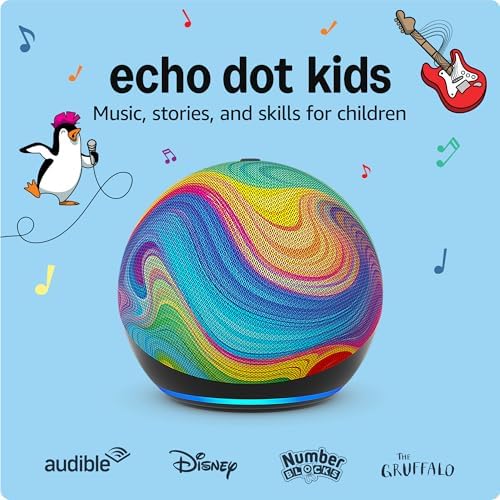
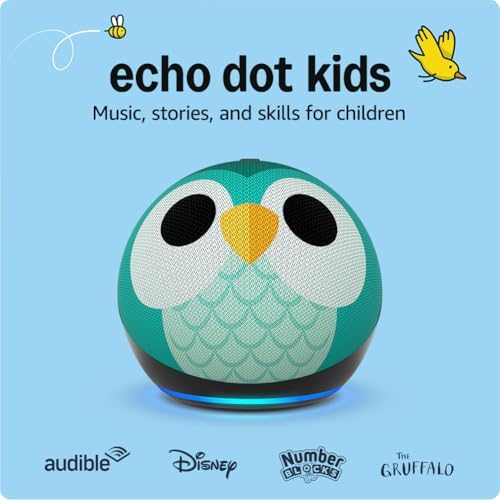
The Echo Dot Kids Edition combines functionality with child safety by enabling parents to set age-appropriate content filters. This model features playful designs and includes a two-year worry-free guarantee, allowing hassle-free replacements if damaged. Retailing around $60, it provides an excellent balance between audio quality and usability, ensuring parental controls remain robust while providing entertainment.
3. Google Nest Mini Kids Edition
Though similar to the standard Mini model, the Kids Edition focuses on child-centric content and safe interactions. Designed to provide answers to children’s queries while filtering inappropriate content, it establishes a balance between curiosity and protection. Priced around $50, the smart speaker integrates with various apps, allowing access to music and stories without compromising data privacy.
4. Toniebox
This unique speaker employs figurines to unlock different stories and songs, making it highly interactive and intuitive for children. Its soft, durable design ensures safety, while operating without an internet connection guarantees a zero-data experience. Available for about $100, the Toniebox encourages imaginative play and auditory engagement, ensuring children can enjoy audio content without the risks associated with data sharing.
Each of these smart speakers prioritizes child safety, combining entertainment with educational opportunities, all while adhering to data privacy principles. When selecting the best model, consider your child’s specific preferences and needs alongside the features highlighted above.
Comparative Analysis of Selected Models
As parents become increasingly concerned about their children's digital safety, the demand for smart speakers that prioritize child-friendly features has surged. This comparative analysis reviews various smart speakers designed with children in mind, summarizing their strengths and weaknesses in key areas, such as sound quality, usability, parental controls, app availability, and pricing.
The Amazon Echo Dot Kids Edition stands out with its robust parental controls, allowing parents to set filters on content and manage screen time efficiently. Additionally, it incorporates a cheerful design that appeals to kids. However, its sound quality does not match that of some higher-end models, which may be a drawback for some families seeking superior audio performance.
In contrast, the Google Nest Mini offers impressive sound quality, delivering clear audio that enhances the listening experience. Its integration with Google’s services makes it easy for children to access a variety of educational content. Nonetheless, it lacks certain parental controls, which may raise concerns among caregivers regarding content access. This could lead parents to seek alternative devices to ensure safety.
The Jooki Music Player, focusing primarily on music playback, delivers a unique feature set, allowing children to use figurines to access their favorite playlists. While this encourages creativity and independent exploration, its limited app availability and higher price point may limit its applicability for some families.
Each model has its unique strengths and weaknesses, and understanding these differences is critical in selecting a smart speaker that suits a family’s needs. Parents should consider what features are most important to them, whether it be sound quality, safety features, or ease of use, as these factors will significantly influence their choice when purchasing a "zero-data" smart speaker for their children.
User Testimonials and Experiences
Many parents have turned to zero-data smart speakers as a solution for introducing their children to technology while ensuring their online safety. One parent, Sarah, shared her experience, stating, "We chose a zero-data model for our six-year-old, and it has been a game-changer. She loves asking it questions about her favorite animals, and I love that I don’t have to worry about her online data being collected." This sentiment resonates with many households that prioritize child safety alongside accessibility.
Another testimony comes from Mark, a father of three, who mentioned, "At first, I was skeptical about smart speakers in our home, but we opted for one of these kid-friendly models. It's impressively user-friendly for all ages, and the kids really enjoy storytime features. I appreciate that it does not store their data, which gives me peace of mind." Parents like Mark often highlight this crucial aspect of zero-data smart speakers—the enhanced privacy it offers compared to traditional models.
On the other hand, not all feedback is entirely positive. Jessica, whose son is nine, emphasized certain limitations, saying, "While the speaker is great for basic tasks and fun facts, it sometimes struggles with more complex queries. I often have to remind my son how to phrase his questions or help him find the right approach.” Although such concerns are valid, they reflect the ongoing evolution of technology and the learning curve associated with new devices.
Despite some challenges, the overall consensus among users is that zero-data smart speakers can provide a fun, interactive, and safe environment for kids to explore technology. As children grow accustomed to interacting with these devices, parents are hopeful that these speakers can adapt to their needs, continuing to prioritize safety while fostering curiosity.
Tips for Safe Use of Smart Speakers with Kids
As smart speakers become increasingly integrated into daily life, ensuring their safe use around children is paramount. Here are several practical tips for parents to consider when utilizing these devices.
First and foremost, parents should take advantage of the parental controls that many smart speaker models offer. These controls can restrict access to inappropriate content and limit certain functionalities, allowing you to manage what your child can hear or interact with. Familiarizing yourself with these features can help ensure a safer listening and learning environment.
Supervision is another critical aspect of using smart speakers with children. While smart speakers are designed to be user-friendly, they are still electronic devices that require oversight. Sit with your child during their interactions with the speaker, guiding them on proper use and explaining the importance of not sharing personal information. Regular discussion about what they access can foster a sense of responsibility.
Education plays a key role in ensuring child safety with smart speakers. Teach your children about data privacy and the concept of voice commands. Explain that they should avoid asking the device for personal information and not to disclose private details such as their full name, address, or phone number during interactions. Discussing how the voice data is processed can help children understand the importance of being cautious when using technology.
Additionally, set guidelines for when and how long they may use the smart speaker. Establishing boundaries promotes healthier technology habits and mitigates the risk of overexposure to screen time and excessive dependency. Encourage them to use the speaker for productive tasks, such as asking educational questions or playing interactive games, rather than solely for entertainment.
By implementing these strategies, parents can significantly enhance child safety when using smart speakers, ensuring that technology serves as a positive tool in their child’s life.
The Future of Smart Technology for Kids
The importance of selecting the appropriate smart speakers for children cannot be overstated, particularly in an era where data privacy is a growing concern. As technology continues to evolve, parents are increasingly cautious about the digital environments their children engage with. The rise of "zero-data" models specifically designed for young users highlights an essential trend in smart technology: prioritizing child safety and privacy.
Many of these advanced devices focus on minimizing the collection of personal information, thus ensuring that children can interact with technology without the looming threat of data misuse. Manufacturers are now creating smart speakers that not only offer limited data retention but also incorporate features aimed at fostering educational and interactive experiences. These innovations bridge the gap between entertainment and learning, providing children with opportunities to develop their cognitive abilities in a safe environment.
Looking ahead, the future of smart technology for kids will likely see continued advancements in security features and parental controls. As awareness surrounding internet safety grows, expectations for smarter devices will shift accordingly. Kids-friendly tech is expected to integrate ethical guidelines and best practices to further protect the users' privacy. This progression indicates a broader movement within the tech industry, focusing on the implementation of child-centric design principles.
In essence, as smart technology evolves, it will persist in prioritizing child safety and privacy, enhancing the digital experiences children have. With proactive measures, parents can confidently embrace these innovations, fully aware of the safeguards in place to protect their young ones. The commitment to fostering a safer technological landscape will undoubtedly shape the future of smart devices designed for children, offering not just entertainment, but also security and peace of mind for families around the world.
Additional Resources
In an era where technology is rapidly evolving, it is essential for parents to equip themselves with knowledge about modern devices, particularly smart speakers designed for children. This section provides a curated list of additional resources, helping parents navigate the complexities of child safety, privacy issues, and the broader implications of technology on children’s development.
Books are a great starting point for understanding the intersection of technology and child safety. "The Tech-Wise Family" by Andy Crouch offers practical advice for balancing technology use within the family dynamic. Additionally, "Raising Digital Natives" by Kristen J. Johnson examines how parents can instill healthy tech habits in their children.
For online resources, websites like Common Sense Media provide articles and reviews on various children’s gadgets, including smart speakers. Their ratings take into consideration factors like educational value and potential risks associated with technology use. Another invaluable source is the American Academy of Pediatrics (AAP), which regularly publishes guidelines and research regarding children’s interaction with technology.
Research articles offer deeper insights into child safety and technology, such as the study titled "Impact of Smart Technology on Child Development" published in the Journal of Pediatric Care. This type of literature can help parents understand the developmental implications of technology, including how smart speakers might influence learning and social interactions.
Furthermore, educational videos available on platforms like YouTube provide visual and illustrative content regarding the safe use of smart speakers for kids. Channels focused on parenting often discuss the practical aspects of integrating technology into daily life, ensuring that these tools are beneficial rather than detrimental to child development.

0 Comments