Introduction to Smart Home Technology for Pets
In recent years, smart home technology has made significant advancements, and one notable area of growth is within the realm of pet care. Innovative solutions have emerged, combining traditional pet monitoring with smart technology to create an enhanced environment for our furry companions. This trend reflects a shift in how pet owners prioritize not only their pets' physical needs but also their well-being through modern technological assistance.
Smart home systems, particularly those incorporating artificial intelligence (AI), have become increasingly popular among pet owners. AI cameras, for example, offer real-time monitoring, allowing pet parents to observe their pets even when they are not at home. Such systems enable the detection of abnormal behavior patterns, which can be crucial for identifying health issues or stress signals that may require attention. As a result, the significance of using these advanced technologies extends beyond mere convenience; it also plays a vital role in ensuring a pet's quality of life.

- - 🌐 Advanced Dual Connectivity: Experience uninterrupted monitoring with 2.4GHz/5GHz dual-band WiFi and Bluetooth connec...
- - ⚡ Impressive Battery Performance: Enjoy exceptional power efficiency with a 2800mAh rechargeable battery providing 10 ...
- - 🔔 Intelligent Security Alerts: Stay informed with highly sensitive motion detection technology that delivers instant s...
The integration of AI in pet care represents a broader trend in which owners seek to leverage technology for enhanced pet health and happiness. Pet care apps, automated feeders, and interactive toys are just a few examples of how smart devices contribute to the overall welfare of pets. By monitoring behavior patterns through AI cameras, pet owners can gain valuable insights into their pets' daily habits, and any deviations from the norm can prompt timely interventions. These advancements provide peace of mind, offering assurance that one’s pet is safe and healthy.
In summary, the incorporation of smart home technology for pets marks a progressive step in pet care. The ability to monitor behavior in real-time has empowered pet owners to respond more effectively to their pets' needs, ultimately enhancing their well-being through informed care strategies.
Understanding Abnormal Behavior Patterns in Pets
Identifying abnormal behavior patterns in pets is essential for ensuring their well-being. Abnormal behavior can manifest in various forms, each serving as a potential indicator of underlying issues, including stress, health problems, or environmental changes. Pet owners should be vigilant and observant, as subtle changes in behavior may signify larger concerns.
Excessive barking is one common sign of distress in dogs. While barking is a natural form of communication for canines, when it becomes excessive, it may indicate anxiety, fear, or even boredom. Observing the context of this barking can provide additional insights; for instance, if a dog barks ferociously at unfamiliar sounds or passersby, it may be highlighting territorial behavior or fear-based responses.
Withdrawal from activities or social interactions is another critical behavior to monitor. Pets, particularly dogs and cats, are social creatures. If a normally playful pet suddenly isolates itself, avoids interaction with humans or other animals, or loses interest in food and play, this may indicate emotional distress or health issues. Factors such as changes in the household, loss of a companion, or illness can contribute to such behavior.
Aggression, whether exhibited through growling, hissing, or biting, is a serious behavioral concern. It often signals fear, pain, or territorial disputes. Recognizing the triggers of aggressive behavior can help pet owners address the underlying causes effectively. Additionally, changes in eating habits, such as a sudden decrease or increase in food intake, can also reflect emotional issues or indicate illness; pets may consume less if they are feeling unwell or stressed.
In summary, understanding these abnormal behavior patterns is crucial for pet owners. Awareness of excessive barking, withdrawal, aggression, and changes in eating behavior equips owners to detect potential health issues or emotional distress early on, enabling them to seek appropriate interventions.
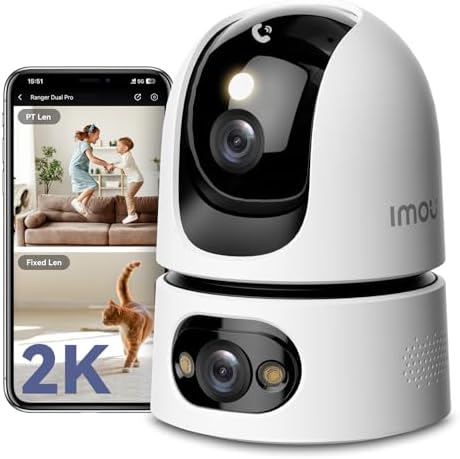
- 【2-in-1 Dual-Lens Indoor Camera】Imou New Security Camera designed with two independent lenses: a fixed lens for continuo...
- 【360°Full Coverage & Dual-Screen Display】Avoids blind spots behind the camera lens that traditional single-lens cameras ...
- 【6 Million Pixels & Colour Night Vision & 2.4/5GHz Wi-Fi 】With a total of 6 million pixel dual-camera resolution: 3 mill...
Overview of AI Cameras and Their Capabilities
In recent years, AI cameras have emerged as highly effective tools designed specifically for pet owners looking to monitor their animal companions. These sophisticated devices utilize advanced machine learning algorithms to continuously observe, analyze, and understand various behavioral patterns exhibited by pets. The integration of artificial intelligence into these cameras enhances their ability to deliver insights that were previously unattainable with standard monitoring equipment.
One of the core capabilities of AI cameras is motion detection. This feature enables the camera to subsequently differentiate between typical pet movements and unusual activities. For instance, if a dog is pacing restlessly or if a cat is hiding in unusual places, the camera will identify these actions and trigger alerts to the pet owner, ensuring that any potential issues can be addressed promptly.
Beyond just capturing images or video, AI cameras are equipped with behavioral analytics tools. These systems analyze data from monitored behaviors over time, creating profiles that may highlight inconsistencies or changes. If a pet, for example, starts displaying signs of anxiety or aggression, the AI can recognize these shifts from the learned patterns and send notifications to the owner, allowing them to take preventive measures to ensure their pet's wellbeing.
Moreover, many modern AI cameras are interconnected with alert systems, which can provide immediate updates through mobile applications. This connectivity allows pet owners to stay informed, whether they are at home or away, enabling real-time decision-making based on their pet’s monitored behavior.
As technology continues to advance, the capabilities of AI cameras are expected to expand further, thus enhancing the owner-pet relationship by fostering a deeper understanding of pet health and behavior.

- Crystal-Clear 2K QHD Resolution & Full-Color Night Vision: Capture ultra-sharp 2K QHD (2304x1296) footage, ensuring ever...
- AI-Powered Human/Vehicle Detection & Auto Tracking: Reduce false alarms with advanced AI technology that accurately dete...
- Sound & Light Alarms with Two-Way Audio: Instant alerts, spotlight activation, and a 110dB siren deter intruders the mom...
Setting Up AI Cameras in Your Home
Setting up AI cameras for pet monitoring requires careful planning and consideration to maximize their effectiveness and ensure your pets are comfortable with their presence. Follow these steps to establish a seamless pet monitoring system in your home.
Firstly, choose the right AI camera that suits your specific needs. Look for features such as two-way audio, motion detection, and night vision, which can enhance monitoring capabilities. Once you have selected the appropriate camera, identify the ideal locations for placement. Position the camera in areas where your pets spend most of their time, such as living rooms, kitchens, or playrooms. Ensure that the camera has a clear view of your pets’ activities without any obstructions, as this will help in accurately detecting abnormal behavior patterns.
Next, check the connectivity requirements for the camera. Ensure your Wi-Fi network is stable and has sufficient bandwidth to support the camera's streaming capabilities. Most AI cameras require a secure Internet connection to function effectively, so having a reliable router is crucial. Place the camera within range of the Wi-Fi signal to avoid connectivity issues.
Once the camera is positioned and connected, it is imperative to help your pets acclimate to its presence. Introduce the camera gradually by allowing your pets to explore the equipment while it is powered off. Once they are comfortable, turn the camera on and observe their natural behavior. Using treats or engaging them in play nearby can facilitate a positive association with the camera. Over time, they will likely become accustomed to its presence, allowing you to gather valuable insights into their behavior.
By following these steps, you can effectively set up AI cameras in your home, ensuring a smooth transition for both you and your pets while making the most of the advanced monitoring technology available.

- 【OBSBOT × EWC 2025 Official Partnership】OBSBOT is thrilled to be the 2025 Esports World Cup (EWC) Official Camera & Webc...
- 【New Tail, New Tale】Revolutionizing live production with OBSBOT Tail 2's innovative PTZR lens design, offering seamless ...
- 【Capture Cinematic Shots】Featuring a 1/1.5'' CMOS sensor capable of capturing 50MP frames, the Tail 2 streaming camera d...
Analyzing the Data: Understanding Alerts and Notifications
AI cameras designed for monitoring pets incorporate advanced analytics that allow pet owners to receive timely alerts and notifications regarding their animals' behavior. These alerts serve as critical indicators of changes in a pet's routine or health, prompting owners to take necessary actions when required.
One of the primary types of alerts is the notification of abnormal barking. For instance, if a dog barks excessively or at unusual times, the camera can send a real-time alert to the owner's smartphone. This could signify stress, discomfort, or pain, which requires immediate attention. Owners receiving such notifications should observe their pet closely, taking note of the context in which the barking occurs. This can help discern whether the barking is due to external stimuli, such as noise or visitors, or potentially indicative of an underlying health issue.
Another common alert includes notifications regarding restlessness. If a pet exhibits signs of frequently moving around, whining, or attempting to escape their space, the AI camera can alert the owner to this behavioral change. Restlessness can be interpreted in various ways; it could indicate boredom, anxiety, or health-related concerns. Monitoring these behaviors can help pet owners understand their pets’ emotional states and needs better.
Likewise, owners might receive alerts regarding reduced activity levels, which could suggest lethargy or illness. Keeping track of these notifications is essential. Owners should interpret them alongside their knowledge of their pet's normal behavior, as these reports enable proactive engagement in maintaining their pet's well-being. Through the use of AI cameras combined with effective analysis of alerts and notifications, pet owners can foster healthier living conditions for their beloved animals.
Case Studies: Success Stories from Pet Owners
In recent years, numerous pet owners have taken advantage of AI cameras to monitor their pets’ behavior remotely. These devices not only provide peace of mind but also have proven invaluable in identifying abnormal behavior patterns in household pets. For example, a case study involving a golden retriever named Max revealed a notable improvement in his anxiety-related behaviors. The pet owner utilized an AI camera to observe Max’s actions when left alone. They discovered that Max would pace and whine excessively, indicating distress. With this understanding, the owner sought professional help, incorporating desensitization techniques along with interactive toys suggested by a veterinarian. Over a few weeks, Max displayed a marked decrease in anxiety, showcasing the efficacy of monitoring technology in addressing behavioral issues.
Another compelling case involves Bella, a feline diagnosed with obesity due to inactivity. After the owner installed an AI camera, they observed Bella's daily activities, confirming she spent most of her time sleeping rather than engaging in play. This was surprising as the owner believed Bella was more active. Armed with this information, they sought veterinary advice on incorporating a healthier diet and stimulating play sessions tailored to Bella’s needs. Over time, Bella not only lost weight but also became more playful and energetic, greatly improving her overall health.
Furthermore, a family with two dogs, Charlie and Daisy, utilized AI cameras to monitor interactions between their pets. They identified that Charlie was often aggressive during feeding times, leading to fights. The owners changed their feeding routine, ensuring that both dogs fed in separate areas, which remarkably reduced tension and improved their relationship. The evidence amassed through AI camera footage empowered the owners to take proactive measures, resulting in a harmonious home for both pets.
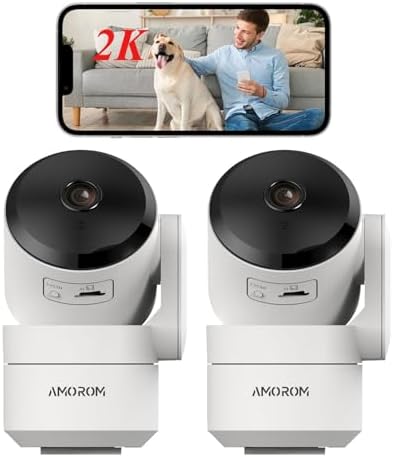
- ⚠️【AI Customize Scenario Alerts】You can define exact scenarios (e.g., "pets climbing counters!" or "babies crying") from...
- ☪️【360°Coverage & Night Vision】Experience unparalleled camera views with the AMOROM security camera. You can rotate this...
- 🚫【Enhanced Privacy Mode - One-Key Shut Down】Introducing the innovative privacy mode feature in the AMOROM indoor camera,...
Integrating AI Cameras with Other Smart Home Devices
In the evolving world of pet care, the integration of AI cameras with other smart home devices is transforming how pet owners monitor and manage their furry companions. Smart home technology provides a cohesive ecosystem that enhances pet welfare while offering peace of mind to owners. AI cameras, equipped with advanced analytics, can serve as the core of this ecosystem, enabling seamless interactions among various devices.
For instance, AI cameras can be integrated with smart feeders, allowing pet owners to monitor their pets' eating habits in real-time. This collaboration allows the camera to detect abnormal feeding patterns, such as lack of appetite or overeating, and notify the owner through mobile alerts. Integrating feeding schedules with AI cameras ensures that the pet's dietary needs are met promptly while also tracking changes in behavior that may indicate health issues.
Moreover, the synergy between AI cameras and environmental sensors adds another layer of functionality. Sensors that monitor temperature, humidity, and air quality can communicate with the AI camera, enabling it to capture and analyze behaviors related to the pet's comfort. For example, if the temperature rises excessively or drops too low, the AI camera can alert the owner, ensuring that the pet remains in a safe and comfortable environment.
Health trackers are also significant when integrated with AI cameras. These devices can monitor the pet's activity levels, heart rate, and sleep patterns. When paired with AI cameras, abnormal behavior can trigger immediate alerts to the owner. The combination of data from health trackers and visual monitoring creates a robust mechanism for identifying and addressing potential health concerns swiftly, thus promoting the overall well-being of the pet.
Ultimately, an interconnected smart home ecosystem, featuring AI cameras alongside smart feeders, environmental sensors, and health trackers, enhances pet care significantly. This cohesive integration not only allows for better health monitoring but also enriches the bond between owner and pet by fostering a more responsive and supportive living environment.
Best Practices for Utilizing AI Cameras
Utilizing AI cameras effectively involves several best practices that pet owners should adhere to in order to maximize safety and enhance their understanding of their pets' behaviors. The first critical practice is regular monitoring. Consistent surveillance allows pet owners to observe real-time interactions and identify any abnormal behavior patterns that may signal distress or health issues. Schedule specific times during the day to check the camera feed, ensuring that you stay attuned to your pet's activities and routines.
Understanding the settings of your AI camera is another fundamental aspect. Familiarize yourself with features such as motion detection, audio monitoring, and alert customization. Most of these devices come equipped with sophisticated algorithms that can differentiate between normal and unusual behaviors. By adjusting the sensitivity settings, pet owners can tailor alerts to their specific needs, reducing false alarms while ensuring they are alerted to genuine concerns.
Moreover, responding promptly to alerts is vital for maintaining pet welfare. When an alert is triggered, take immediate action to evaluate the situation through the camera feed. It could range from your pet having an accidental mishap to exhibiting signs of anxiety or discomfort. Being proactive allows owners to address potential issues before they escalate, thereby safeguarding their pets' health and happiness. Additionally, using the recorded footage can help veterinary professionals better diagnose any suspected behavior changes during routine check-ups.
Finally, incorporating social sharing features can be beneficial in engaging with a community of other pet owners. By sharing insights or concerns with fellow enthusiasts, you'll gain further knowledge and support related to the challenges of pet ownership, enhancing both your experience and that of your animal companions. By following these best practices, pet owners can utilize AI cameras to foster a safe and healthy environment for their pets.

- AI-Powered Detection Technology: Equipped with advanced AI technology to accurately identify hidden cameras, listening d...
- Multi-Mode Comprehensive Coverage: Equipped with advanced RF signal detection to uncover wireless cameras and audio bugs...
- Door Locker Alarm System: Turn to this mode and wait for 10 seconds to work. Put this detector onto the locker of the do...
Conclusion: The Future of Smart Homes for Pets
The landscape of pet care is undergoing a significant transformation, propelled largely by advancements in smart home technology. As pet owners increasingly prioritize the health and well-being of their furry companions, the integration of AI cameras and other smart devices into homes offers unprecedented insights into pet behavior. These AI-driven technologies not only enable real-time monitoring of pets but also enhance the ability to detect abnormal behavior patterns that may indicate health issues or emotional distress.
Looking forward, it is clear that the future of smart homes for pets holds immense potential. With continuous innovations in artificial intelligence and machine learning, we can expect even more sophisticated systems designed to cater to the unique needs of pets. For instance, future AI cameras may become adept at analyzing behavioral changes, providing alerts for specific health concerns, and even suggesting modifications to a pet's environment to promote well-being.
Pet owners are encouraged to remain informed about emerging technologies that can enhance their caregiving practices. Learning about the latest smart home devices will empower them to make informed decisions that benefit their pets. The growing network of smart devices can facilitate better communication with veterinarians and help in maintaining a pet's overall health through preventive measures.
In embracing these advancements, pet owners not only enrich their lives with greater peace of mind but also contribute to a paradigm shift in pet care. As we venture further into this new era, incorporating AI technology into our homes stands to revolutionize how we interact with our pets, ultimately leading to happier, healthier animals.



0 Comments