Introduction to Smart Gardening
Smart gardening is an innovative concept that combines technology with traditional gardening practices to enhance and streamline the gardening experience. By integrating various forms of technology, such as sensors, automated systems, and mobile applications, gardeners can achieve higher levels of efficiency and sustainability while maintaining their outdoor spaces. This modern approach not only transforms the way gardens are managed but also aligns with the growing emphasis on environmental responsibility and resource conservation.
The core idea of smart gardening is to empower individuals to monitor and manage their gardens remotely. This can include tracking soil moisture levels, adjusting irrigation schedules, and even managing plant health through specialized applications. Such technological integrations enable gardeners to make informed decisions based on real-time data, ultimately leading to healthier plants and reduced resource waste.

Smart gardening matters significantly in today's world, where urbanization and climate change pose challenges to traditional gardening. By utilizing matter-compatible outdoor tech, gardeners can create adaptive ecosystems that respond intelligently to environmental conditions. This not only enhances the overall health of gardens but also contributes positively to the surrounding ecosystem, promoting biodiversity and reducing the carbon footprint associated with conventional gardening methods.
Furthermore, smart gardening tools and devices can save time and effort for gardeners, allowing them to focus on the creative aspects of gardening rather than mundane tasks. The ability to automate routine functions also makes it easier for individuals with busy lifestyles to maintain a thriving garden. In conclusion, smart gardening represents a significant evolution in how we interact with our outdoor spaces, blending technology with nature to foster a more sustainable and efficient gardening practice.
Understanding Matter-Compatibility in Technology
Matter is an open-source, royalty-free connectivity standard that aims to unify and enhance the smart home ecosystem. This innovative protocol allows various smart devices from different manufacturers to communicate seamlessly with one another, essentially functioning as a common language for an array of technologies in our homes and, more specifically, in our gardens. As gardening increasingly incorporates innovative outdoor technology, understanding Matter compatibility becomes pivotal for homeowners looking to create a cohesive smart gardening environment.
The significance of Matter lies in its ability to eliminate the complexities that often arise from using devices that operate on different protocols. This is particularly relevant in gardening applications, where many devices, such as smart irrigation systems, weather sensors, and garden lighting, need to work in concert to ensure optimal results. Matter's compatibility ensures that these various devices can communicate effectively, thus enabling gardeners to create a more efficient and manageable outdoor space.
Moreover, the adoption of Matter-compatible technology fosters a burgeoning ecosystem of devices that can be integrated into existing setups. For example, a Matter-enabled smart sprinkler system can automatically adjust its watering schedule based on weather forecasts provided by a Matter-compatible weather station. This allows for precision in your watering habits while conserving water and promoting healthier garden growth. The ability of different products to interact creates an environment in which gardeners can obtain real-time data and analytics, ultimately enabling them to make better-informed decisions about their garden care.
In a rapidly evolving technological landscape, embracing Matter-compatible devices transcends mere convenience. It signifies a commitment to advancing agricultural practices in a sustainable manner, aligning with future-oriented gardening strategies. With Matter, the integration of outdoor technology into gardening becomes not just a possibility but a necessity for efficient and thriving gardens.


The Benefits of Integrating Technology into Gardening
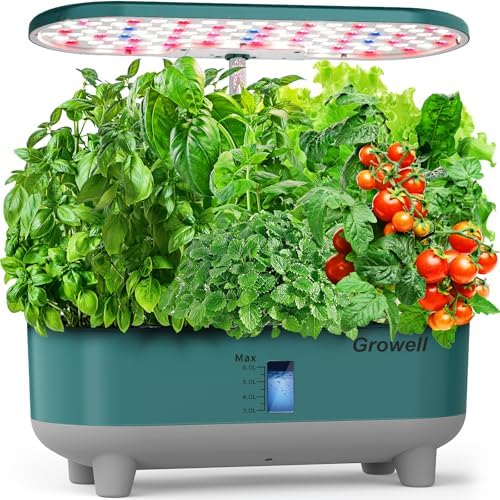
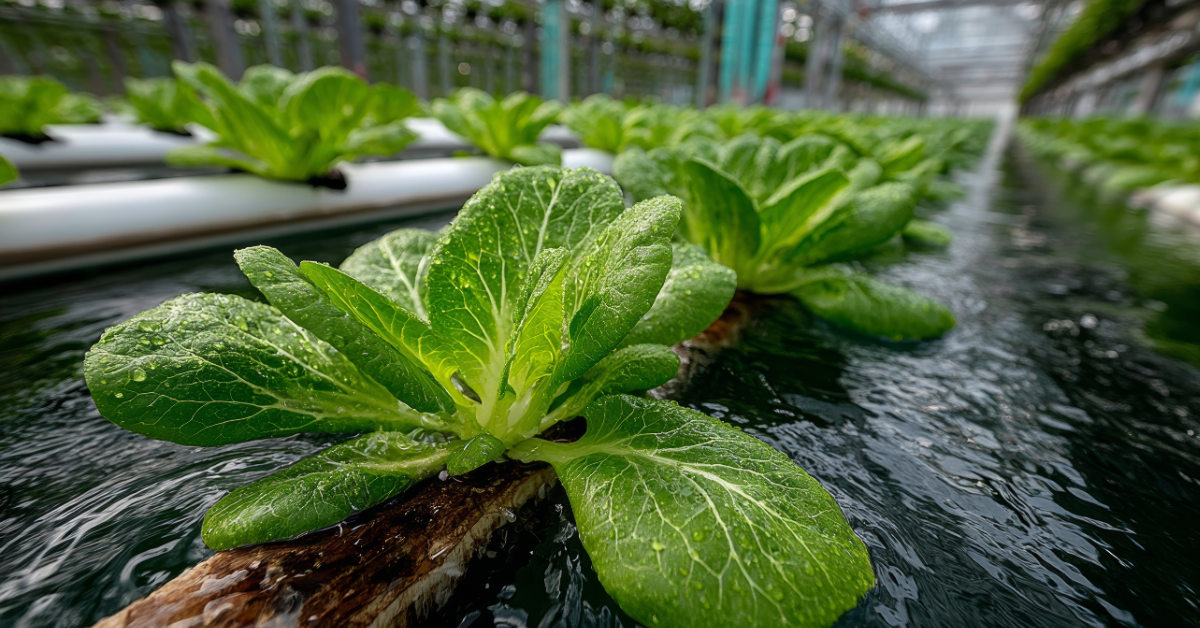
Integrating technology into gardening offers numerous advantages that can significantly enhance both the gardening experience and plant health. One of the most notable benefits is water conservation. Smart irrigation systems, equipped with moisture sensors, can automatically adjust watering schedules based on real-time data. This not only prevents overwatering but also maximizes water efficiency, contributing to sustainable gardening practices.
Pest management is another critical area where technology demonstrates its value. Advanced monitoring systems can identify pest activity through the use of sensors and cameras. By providing gardeners with accurate data, these technologies enable timely interventions, reducing the reliance on chemical pesticides and promoting a healthier ecosystem.
Moreover, plant health monitoring technologies, such as soil sensors and mobile applications, allow gardeners to track vital parameters such as nutrient levels, pH, and moisture content. These insights facilitate informed decision-making, ensuring that plants receive the optimal conditions for growth. For instance, gardeners can adjust fertilizer applications based on the specific needs of their plants, resulting in healthier foliage and more robust yields.
Energy efficiency is also significantly enhanced through the integration of outdoor tech. Solar-powered devices, including lights and pumps, reduce the need for conventional energy sources, minimizing the overall carbon footprint of gardening activities. Furthermore, using automation through smart gardening tools reduces the time and effort required for routine tasks, allowing gardeners to focus on more creative aspects of gardening.
Ultimately, the integration of technology into gardening leads to increased productivity, healthier plants, and a more sustainable approach to maintaining outdoor spaces. By leveraging these advancements, gardeners can enjoy a more fruitful and efficient gardening experience.
Essential Smart Gardening Tools and Devices
As the realm of smart gardening continues to evolve, various tools and devices have emerged that help homeowners optimize their outdoor spaces. Among the essential gadgets are sensor systems, automated irrigation solutions, smart plant monitors, and weather stations. Each of these devices contributes to a more efficient and productive gardening experience, especially when integrated with Matter-compatible technology.
Sensor systems are pivotal, providing real-time data about the soil conditions, moisture levels, and nutrient content. These sensors allow gardeners to understand the needs of their plants better, ensuring they receive adequate care without overwatering or nutrient imbalance. When paired with a mobile app, these systems can deliver alerts and recommendations directly to the user's device, enhancing overall garden management.
Automated irrigation solutions represent another key element in the smart gardening toolkit. These systems can automatically adjust watering schedules based on current weather conditions, ensuring that plants receive the appropriate amount of water. This not only conserves water but also promotes healthier plant growth. Matter-compatible devices often allow for seamless integration with existing smart home ecosystems, enabling users to control their irrigation systems through voice commands or mobile applications.
Smart plant monitors take this technology a step further by monitoring factors such as light exposure, temperature, and humidity levels. By analyzing this data, these monitors help gardeners make informed decisions about their plants' health and care routines. They often provide insights in real-time, making it easier to troubleshoot issues before they become serious problems.
Lastly, weather stations serve as a vital asset in smart gardening. These stations can track local weather patterns, including temperature fluctuations, rainfall, and humidity, enabling gardeners to plan their activities efficiently. With Matter-compatible systems, data from these stations can be shared with other smart devices, ensuring a synchronized and intelligent gardening approach.
Setting Up Your Smart Garden System
Establishing a smart garden system in your backyard involves careful planning and execution to ensure a seamless integration of technology with nature. Start by assessing the available space and understanding the specific needs of your garden. Consider factors such as sunlight, soil type, and existing plants before deciding on the layout. This initial stage is vital, as it will dictate the positioning of various smart devices.
Once the layout is in place, the next step is to select the appropriate devices that align with your gardening goals. Common devices include smart irrigation systems, soil moisture sensors, and weather monitoring stations. Opt for products that are compatible with one another, ensuring smooth interoperability within your system. Additionally, you may want to consider smart plant sensors that offer insights into the health of your plants, allowing you to take proactive measures.
After selecting your devices, the installation process can commence. Begin by placing the sensors in the designated areas of your garden. For instance, moisture sensors should be buried at root level, while weather stations need an unobstructed view to gather data accurately. Follow the manufacturers' guidelines to ensure each device is installed correctly. For irrigation systems, ensure your water lines are connected to the appropriate control hubs that manage watering schedules automatically.
Finally, connect all devices to a central hub or a mobile app that allows for easy control and monitoring. This integration is crucial, as it enables the various components of your smart garden to communicate effectively, optimize plant care, and provide real-time updates on garden conditions. Once everything is connected, conduct tests to identify any connectivity issues or necessary adjustments.
Maintenance and Care for Your Smart Garden
Maintaining a smart garden involves more than simply planting your seeds and letting technology do the work. To ensure that your garden remains healthy and productive, it is essential to establish a routine for checking and updating the software that operates your garden's smart devices. Regular software updates are crucial as they not only enhance functionality but also improve security features that protect your data and garden systems.
In addition to software updates, calibration of sensors is critical to maintain accurate readings. Soil moisture sensors, temperature gauges, and light sensors may require periodic recalibration to ensure they provide reliable data. This step is particularly important as it helps in making informed decisions regarding irrigation schedules, nutrient delivery, and plant health monitoring.
Routine maintenance of your hardware devices is another vital aspect of smart garden care. Inspecting irrigation systems, ensuring that sensors are free from debris, and checking battery levels in wireless devices can prevent common issues that might otherwise disrupt the growth of your plants. Regularly cleaning and checking the physical components of your smart devices increases their lifespan and reliability.
Moreover, integration of automated alerts can be beneficial. Setting up notifications for unusual sensor readings or errors in device operation can prompt timely intervention. This proactive approach ensures that your garden's health remains a priority, minimizing risks related to plant stress or damage.
Overall, the synergy between technology and horticulture requires diligent maintenance practices. By staying attuned to the needs of both your plants and the technology supporting them, you can leverage the full potential of your smart garden, ensuring a flourishing and productive outdoor space.
Case Studies: Successful Smart Gardens
As communities adapt to advancements in technology, many have embraced Matter-compatible technology to optimize their gardening practices. One such successful case is the transformation of a community garden in Austin, Texas, which utilized smart irrigation systems powered by Matter-compatible sensors. This system allowed for precise water management, responding to weather conditions in real-time. As a result, the garden saw a significant reduction in water usage by up to 40%, while simultaneously improving plant yield. Residents attributed their success to the data-driven insights provided by the technology, which helped them understand their garden's specific needs.
Another notable example can be found in a suburban neighborhood in Portland, Oregon, where individuals integrated automated climate control in their greenhouses using Matter-compatible devices. By regulating temperature and humidity levels meticulously, these backyard gardeners reported improved growth rates of multiple vegetable varieties. They faced initial challenges in configuring devices to work together, yet tutorials and community support facilitated the integration process. Ultimately, garden productivity increased by nearly 30%, allowing families to enjoy fresh produce throughout the year.
A more extensive initiative took place in a public park in San Francisco, where the local government deployed Matter-compatible technology across various gardening installations. By implementing smart soil sensors and environmental monitors, park managers could maintain optimal conditions for plant health. Despite facing hurdles such as funding and public engagement, they launched community workshops to educate residents. The outcome not only beautified the park but also fostered a sense of community pride and ownership among those who participated in the gardening operations.
These examples illustrate how integrating Matter-compatible technology can create distinctive advantages in gardening practices, thereby promoting sustainable and efficient outdoor spaces. By overcoming initial challenges through collaboration and innovation, individuals and communities can achieve remarkable results in their urban gardening endeavors.
Future Trends in Smart Gardening
The integration of technology into gardening is continuously evolving, thanks to the emergence of smart gardening practices that utilize Matter-compatible outdoor tech. As we look towards the future, several trends are expected to shape the landscape of smart gardening, enhancing both the efficiency and enjoyment of gardening tasks.
One of the most promising advancements is the development of interconnected devices that communicate via the Matter protocol. This open-source standard simplifies the integration of various smart devices, allowing seamless communication between gardening tools, sensors, and management systems. For instance, gardeners will be able to control irrigation systems, soil moisture sensors, and even climate control devices from a single application, streamlining the maintenance of their gardens.
Furthermore, we are likely to see an increase in the use of artificial intelligence (AI) and machine learning in smart gardening. These technologies can analyze data collected from the garden environment, predicting plant needs and providing actionable insights for optimal care. Imagine a soil sensor that not only informs you when to water but also predicts the exact amount needed based on weather forecasts and plant growth patterns.
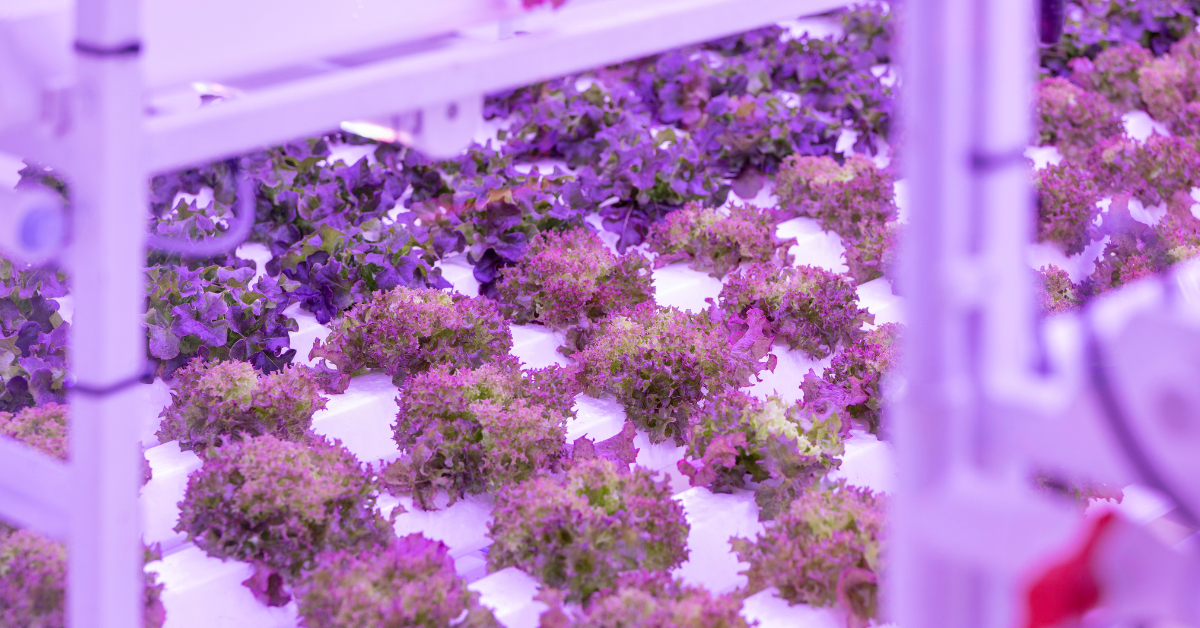
Smart gardening equipment is also expected to become more energy-efficient, with solar-powered devices becoming more commonplace. These innovations will reduce the ecological footprint of gardening and promote sustainable practices. Moreover, as urban gardening gains popularity, solutions designed for small spaces will be developed, such as vertical gardens equipped with smart irrigation systems, ensuring that anyone can embrace smart gardening regardless of their living situation.
A significant trend will also be the increased awareness and implementation of biodiversity within smart gardens. By incorporating tools that monitor ecosystem health, gardeners can create environments that support pollinators and native species, fostering a balanced ecosystem.
Conclusion: The Future is Now in Gardening
As we have explored throughout this post, the integration of technology into gardening practices presents a transformative opportunity for both novice and seasoned gardeners. The convergence of outdoor tech with gardening not only enhances efficiency but also ensures sustainability and improved crop yields. Smart gardening techniques, such as the use of automated irrigation systems, soil sensors, and data-driven analytics, empower gardeners to make informed decisions, effectively manage resources and optimize plant growth.
Furthermore, the advent of matter-compatible technologies signifies a pivotal shift towards more interconnected and responsive gardening environments. These advancements enable real-time monitoring and adjustments, allowing gardeners to maintain the ideal conditions for their plants with minimal effort. As ecology and technology converge, the possibilities for smart gardening are boundless, paving the way for more resilient and adaptive gardening practices.
In fostering a culture that embraces smart gardening, individuals and communities can significantly influence the future of food production and environmental sustainability. By adopting innovative approaches and utilizing available technologies, we can enhance our gardening experiences, resulting in more fruitful yields and a deeper connection to our ecosystems. The future of gardening is not just about growing plants; it is about cultivating a mindful relationship with nature, supported by intelligent technologies. Therefore, we encourage readers to explore and implement smart gardening strategies in their own backyards. Embrace these advancements, and be a part of the gardening evolution that awaits us now.

0 Comments