Introduction to AI Smart Glasses
AI smart glasses represent an innovative addition to the rapidly evolving landscape of wearable technology. These devices integrate augmented reality (AR), artificial intelligence (AI), and various sensor technologies to enhance the user experience by providing functionalities that surpass traditional eyewear. The core purpose of AI smart glasses is to seamlessly layer digital information onto the real world, allowing users to access a multitude of features while keeping their hands free.
The integration of AI enables features such as voice commands, facial recognition, and real-time information retrieval, which can greatly enhance productivity and convenience. For example, users can receive notifications, control smart devices, and even navigate routes without having to glance at their smartphones. Such versatility has led to a growing interest in smart glasses, driven by the potential to revolutionize how we interact with our environment.

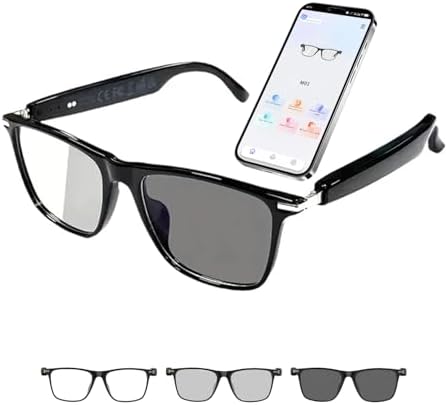

The trend of embedding AI in everyday objects, including eyewear, reflects a broader technological shift towards connectivity and intelligent systems. As more consumers begin to embrace smart technologies, the appeal of AI smart glasses grows. These devices not only appeal to early adopters of technology but also to individuals seeking practical solutions for everyday challenges.
Moreover, with major brands like Ray-Ban and newcomers like Solos developing smart glasses, the market is gradually becoming more competitive, leading to advancements in design and functionality. Users are now presented with a wider array of choices that cater to varying needs and preferences, propelling the debate on which devices offer genuine value for the investment. In this respect, it's crucial to analyze which models stand out in terms of features and user experience.
Overview of Ray-Ban Meta
The Ray-Ban Meta smart glasses signify a remarkable evolution in wearable technology, blending fashion and functionality. These glasses are designed to cater to a diverse audience, from tech enthusiasts to fashion-forward individuals. With a sleek design reminiscent of classic Ray-Ban styles, the Meta models are available in multiple frame shapes and colors, ensuring a broad appeal.
In terms of specifications, Ray-Ban Meta hosts a range of advanced features that enhance the user experience. The glasses are equipped with high-definition cameras capable of capturing images and videos, enabling users to document their experiences seamlessly. Furthermore, the device integrates smart technology, including voice-command capabilities and touch sensors, granting users easy access to various functions without the need for physical controls.
The connectivity options offered by Ray-Ban Meta are noteworthy. These glasses can sync with smartphones via Bluetooth, allowing users to receive notifications and stream music directly from their devices. The internal battery is designed for long-lasting use, providing several hours of operation on a single charge, thus making them suitable for day-to-day activities.
User experiences have shown that the Ray-Ban Meta provides an intuitive interface, thanks to its seamless integration of technology within a familiar design. However, feedback also emphasizes the weight factor, as some users deem the glasses slightly heavier compared to traditional eyewear. Pricing for the Ray-Ban Meta is positioned within the premium segment of the smart glasses market, reflecting the brand's reputation and the features incorporated into the device.
In summary, the Ray-Ban Meta smart glasses offer a compelling mix of advanced technology and stylish design. Their target audience includes not only tech-savvy consumers but also those looking to elevate their everyday fashion with innovative accessories.
Overview of Solos Airgo V3
The Solos Airgo V3 smart glasses represent a significant advancement in wearable technology, designed primarily for athletically inclined users. These glasses integrate cutting-edge artificial intelligence capabilities with a stylish and functional frame, making them a strong competitor in the smart eyewear market. The sleek design of the Airgo V3 is both lightweight and ergonomic, ensuring comfort during extended wearing, whether you are cycling, running, or engaging in other outdoor activities.
The Solos Airgo V3 features advanced augmented reality (AR) technology, which overlays essential performance data directly onto the user's field of vision. Key specifications include a high-resolution display that provides real-time metrics such as speed, distance, elevation, and heart rate, thus allowing athletes to monitor their performance without distraction. Additionally, the glasses are equipped with voice control capabilities, enabling hands-free operation and enhancing the user experience in dynamic environments.
User feedback has generally been positive, with many applauding the clarity of the display and the intuitiveness of the accompanying app. The app, compatible with both Android and iOS devices, allows for extensive customization of data display and personal performance tracking. Moreover, the battery life is commendable, offering several hours of operation on a single charge, which is essential for long training sessions.
In terms of pricing, the Solos Airgo V3 is positioned in the mid to high range within the smart glasses market, reflecting its premium features and quality. The intended market primarily includes fitness enthusiasts and professional athletes who are looking to enhance their training regimes through innovative technology. As a result, the Solos Airgo V3 smart glasses endeavor to strike a balance between technological sophistication and user-friendly design, ultimately aiming to deliver a valuable tool for performance enhancement.
Comparison of Key Features
In the evolving landscape of AI smart glasses, both the Ray-Ban Meta and Solos Airgo V3 stand out with their distinctive features tailored for the modern user. A thorough evaluation reveals crucial differences and similarities that may influence prospective buyers in their decision-making process.
Starting with audio quality, both devices emphasize clear sound and noise cancellation technology. The Ray-Ban Meta integrates advanced speakers that provide a compelling audio experience, blending seamlessly with the glasses' stylish design. In contrast, the Solos Airgo V3 aims for superior audibility in outdoor environments, utilizing a directional sound system to enhance clarity while minimizing interference from ambient noise.
Battery life is another essential factor. The Ray-Ban Meta boasts a robust battery that typically lasts up to 6 hours on a single charge, ideal for a day of casual or professional use. Meanwhile, the Solos Airgo V3 shows slightly longer performance times, promising up to 8 hours, which is particularly appealing for users who prefer extended usage without frequent recharging.
Display capabilities are integral to the functionality of smart glasses. Ray-Ban Meta enhances the visual experience through its ability to project notifications and essential information on a semi-transparent display, thereby allowing users to stay connected effortlessly. Conversely, the Solos Airgo V3 features an augmented reality display designed primarily for navigation and fitness applications, appealing particularly to those who engage in outdoor activities or sports.
Regarding app integration, both models come equipped with their respective applications to enhance user experience. Ray-Ban Meta allows users to navigate music and calls seamlessly through its integrated interface, while Solos Airgo V3 connects with fitness apps for real-time performance analysis. In terms of additional functionalities, the Ray-Ban Meta offers voice commands for hands-free operation, a feature that enhances user convenience considerably.
Overall, the choice between Ray-Ban Meta and Solos Airgo V3 will largely depend on user priorities, such as audio quality, battery longevity, display requirements, and integration capabilities. Each pair offers unique strengths that cater to different lifestyles and preferences.
Design and Comfort
The design of smart glasses plays a crucial role in their appeal and usability, influencing consumer preferences significantly. Both the Ray-Ban Meta and the Solos Airgo V3 prioritize aesthetics while integrating cutting-edge technology, yet they diverge in style and user comfort.
Starting with the Ray-Ban Meta, this model maintains the classic appeal associated with the Ray-Ban brand, characterized by its timeless aviator and wayfarer silhouettes. The Meta frames are crafted from high-quality lightweight materials, ensuring durability without compromising comfort. Available in multiple colorways, these smart glasses cater to a wide array of personal styles, enabling users to select those that fit their preferences seamlessly. The comfort level of the Ray-Ban Meta is enhanced by its ergonomic design, which features adjustable nose pads that help distribute the weight evenly, making prolonged wear a more enjoyable experience.
In contrast, the Solos Airgo V3 adopts a more modern aesthetic that exudes technological sophistication. Their minimalist design is both sleek and functional, appealing to users looking for a contemporary look. Constructed from a combination of plastic and metal, these frames are also lightweight, ensuring that users can wear them for extended periods with minimal fatigue. One notable aspect of the Solos design is its emphasis on fit; the temples are slightly flexible, allowing them to conform to various head sizes comfortably without applying excessive pressure.
Overall, both pairs of smart glasses are designed with user comfort in mind, although they cater to different stylistic preferences. With the Ray-Ban Meta appealing to those who favor a classic look and the Solos Airgo V3 targeting a more tech-savvy audience, the choice ultimately comes down to individual taste and comfort requirements.
User Experience and Performance
The comparison between Ray-Ban Meta and Solos Airgo V3 in terms of user experience and performance reveals significant insights into their usability and functionality in daily situations. Both of these AI smart glasses aim to enhance the user’s interaction with technology while providing a stylish accessory, but their effectiveness varies based on individual experience.
Starting with the Ray-Ban Meta, users generally report a seamless integration of AI features into their daily routines. The glasses are designed to be intuitive, allowing easy navigation through applications via voice commands or touch-sensitive controls on the frame. Users have noted that the responsiveness of the AI features, such as real-time notifications and hands-free calls, works effectively in most environments. However, some have mentioned occasional lag in execution during busy urban settings, indicating that performance can be affected by external factors.
On the other hand, the Solos Airgo V3 is perceived as a strong competitor, especially in terms of performance specificity. The glasses excel in providing focused functionalities, such as fitness tracking and navigation assistance, which are particularly beneficial during sports activities or outdoor adventures. Users appreciate the lightweight design and comfort during longer wear. However, while Solos offers robust dedicated features, some users have pointed out that the AI interaction can feel somewhat less fluid compared to Ray-Ban Meta, suggesting that it might require more user input to access certain functionalities.
In daily applications, both AI smart glasses serve distinct purposes driven by their design philosophies. While Ray-Ban Meta embodies a lifestyle-oriented approach, Solos Airgo V3 is tailored for active users looking for performance in specialized tasks. The user experiences associated with both products highlight their unique strengths and weaknesses in the ever-evolving landscape of AI-enhanced eyewear.
Value for Money
The advent of AI smart glasses represents a significant innovation in the eyewear market, and models such as the Ray-Ban Meta and Solos Airgo V3 have garnered attention for their advanced features. However, understanding their value for money requires a closer examination of their pricing against the functionalities they offer.
The Ray-Ban Meta smart glasses come with a price tag that reflects a blend of heritage and modern technology. They are designed not just as fashion statements but as multifunctional devices capable of enhancing the user experience. With built-in cameras, speaker functionalities, and seamless connectivity to smartphones, these glasses aim to provide a myriad of features. However, prospective buyers must consider whether these enhancements justify the premium price point compared to traditional eyewear. Given that conventional glasses serve the primary purpose of vision correction at a fraction of the cost, consumers need to assess what added value the Meta line provides in terms of lifestyle integration.
On the other hand, the Solos Airgo V3 also present their own set of functionalities, such as augmented reality displays and voice command features, at a distinct price range. While they may be more affordable than the Ray-Ban Meta, potential buyers still need to contemplate whether these features align with their everyday needs. For those who seek advanced technological integration, the cost may seem justified. However, for individuals who simply seek vision correction, the investment in smart glasses may appear excessive.
Ultimately, both the Ray-Ban Meta and Solos Airgo V3 provide unique functionalities that cater to niche markets. To determine whether these AI smart glasses are worth the investment, one must weigh the benefits against their traditional counterparts, considering factors such as personal lifestyle, usage frequency, and the overall financial justification of the purchase.
Pros and Cons of Each Option
When considering whether to invest in either the Ray-Ban Meta or the Solos Airgo V3, it is essential to weigh their respective pros and cons to make an informed decision.
Ray-Ban Meta:
Pros: The Ray-Ban Meta combines stylish aesthetics with functional smart technology, providing users with a contemporary look without sacrificing fashion. These smart glasses are equipped with impressive audio capabilities, offering speakers that deliver immersive sound quality. Additionally, the integration with social media applications enables seamless interaction, making it easier to capture moments and share them instantly. Their sturdy build and reputable brand heritage enhance durability and user trust.
Cons: However, the Ray-Ban Meta is relatively expensive compared to other smart glasses options. The battery life has also received criticism, as users frequently report that it requires regular recharging for extended use. Furthermore, the steep learning curve associated with navigating its features may deter users who prefer straightforward technology.
Solos Airgo V3:
Pros: The Solos Airgo V3 stands out with its lightweight design, making them comfortable for extended wear. These smart glasses have advanced features such as augmented reality overlays and integrated navigation, beneficial for users engaged in outdoor activities or commuting. Their price point is generally more affordable than that of the Ray-Ban Meta, which may appeal to budget-conscious consumers. Furthermore, the battery life is commendable, often supporting longer periods of use without interruption.
Cons: Nonetheless, the design of the Solos Airgo V3 may be perceived as less fashionable compared to the Ray-Ban Meta. Additionally, the limited integration with certain mobile applications can be a drawback for users seeking comprehensive connectivity. Some users have mentioned that the audio quality might not be as impressive as competing products in the market.
Conclusion and Recommendation
In the competitive realm of AI smart glasses, the Ray-Ban Meta and Solos Airgo V3 each provide distinct advantages and experiences for users. Examining the features of both models is crucial for potential buyers. The Ray-Ban Meta blends style with functionality, offering a sleek design while integrating advanced technology that resonates with the modern-day user. Features such as augmented reality tools and high-quality audio output set it apart in the market.
On the other hand, the Solos Airgo V3 prioritizes utility, particularly appealing to avid cyclists and sports enthusiasts. Its built-in navigation system and performance tracking make it an ideal choice for individuals seeking enhanced outdoor experiences. However, it might lack some of the aesthetic appeal that the Ray-Ban Meta offers, which could influence consumer preferences.
User experience is another critical element to consider. Feedback from early adopters of the Ray-Ban Meta suggests a sophisticated yet intuitive interface, making it accessible for everyday use. Meanwhile, Solos Airgo V3 users have reported satisfaction with its performance during physical activities but note that its bulkier design may not be as comfortable for prolonged wear.
Finally, assessing value for money requires a careful look at individual needs and preferences. The investment in Ray-Ban Meta may be worthwhile for individuals looking for stylish smart glasses with versatile applications, whereas those prioritizing precise functionality during athletic pursuits might find the Solos Airgo V3 to be a more fitting option. Each product has its strengths tailored to different user scenarios.
Ultimately, the decision should hinge on the specific requirements and lifestyle of the buyer. For those who value aesthetics alongside technology, Ray-Ban Meta is a compelling choice. Conversely, for performance-driven users, Solos Airgo V3 holds significant appeal. Weighing features, user experience, and overall value will lead to a more informed decision regarding which AI smart glasses are worth the money.



0 Comments