"Heads up: Some of the links in this post are affiliate links. This means if you click on the link and purchase the item, I’ll receive an affiliate commission. This helps keep the lights on here at techdhami.com! Thanks for your support!"
Smart air purifiers are advanced devices designed to improve indoor air quality by filtering out pollutants, allergens, and other harmful particles. Unlike traditional air purifiers, which operate at a basic level to cleanse the air, smart models integrate modern technology, allowing users to have greater control and monitoring ability over their indoor environment.


One significant feature of smart air purifiers is their connectivity with mobile devices, often via applications. This enables users to receive real-time data regarding air quality, filter status, and energy consumption from their smartphones or tablets. Additionally, the ability to adjust settings remotely ensures that air quality is optimal even before arriving home, making these devices particularly appealing for individuals who prioritize a healthy indoor atmosphere.
The importance of maintaining good air quality cannot be overstated. For light sleepers, ensuring a fresh, pollutant-free environment can significantly enhance sleep quality and overall well-being. Poor air quality, often rife with dust, allergens, and harmful fumes, can lead to sleep disturbances and exacerbate health issues such as allergies and respiratory conditions.
Moreover, smart air purifiers typically employ advanced filtration systems, including HEPA filters, activated carbon, and UV lights, which are more effective at trapping fine particles and neutralizing odors compared to their traditional counterparts. These innovations not only optimize air cleanliness but also contribute to lower noise levels, creating a serene sleeping environment that is essential for light sleepers.
As the market for air purification continues to grow, selecting the right model becomes crucial, especially for individuals who seek both peace and health while they rest. In the sections that follow, we will explore the best smart air purifiers available, focusing on their unique features and benefits, particularly for light sleepers.
Why Light Sleepers Need Quiet Air Purifiers
Light sleepers are those individuals who are particularly sensitive to ambient sounds during their sleeping hours. This sensitivity can significantly affect their overall sleep quality, leading to disrupted sleep cycles and a constant state of alertness. The importance of a quiet environment for light sleepers cannot be overstated, as external noises such as traffic, conversations, or even household activities can lead to increased stress levels and a poorer quality of rest. For these individuals, the choice of an air purifier becomes critical, as certain models can introduce unwanted noise that interferes with their tranquility.
When it comes to air purification, the primary function is to improve indoor air quality by removing pollutants such as dust, allergens, and particulate matter. However, if the purifier operates at high decibels, it can become a detrimental factor for light sleepers. Studies indicate that exposure to noise during the night increases cortisol levels, a hormone that elevates stress, thereby causing disturbances in the deep sleep phase. This disruption not only affects mood and cognitive function the following day but can also contribute to long-term health issues.
Therefore, choosing an air purifier that offers quiet operation is essential for light sleepers. Brands have recognized this need and are now manufacturing devices designed to operate quietly, often utilizing technology that minimizes sound output without compromising on efficiency. These models provide the necessary air-cleaning capabilities while ensuring a peaceful sleep environment. Consequently, light sleepers should prioritize finding a powerful yet silent air purifier to enhance the quality of their sleep and overall well-being.
Key Features to Look for in Air Purifiers for Light Sleepers
When selecting an air purifier specifically designed for light sleepers, several key features should be considered to ensure a restful environment. One of the primary factors is the noise level, which is often measured in decibels (dB). Light sleepers may find it difficult to rest in environments with excessive noise, meaning an air purifier operating at a low decibel count is crucial. Look for models that maintain noise levels below 30 dB to ensure an unobtrusive operation, allowing for a more peaceful night’s sleep.
Another important aspect is the filtration technology employed by the air purifier. HEPA (High-Efficiency Particulate Air) filters are often recommended as they can capture 99.97% of particles that are 0.3 microns or larger, including dust, pollen, and pet dander. Additionally, an air purifier that incorporates activated carbon filters can help neutralize odors and volatile organic compounds (VOCs) that may disturb sleep. Ensuring the unit has a combination of both HEPA and activated carbon filtration will enhance the air quality significantly.
Smart capabilities are also worth considering when choosing an air purifier for light sleepers. This may include features such as app control, allowing users to monitor air quality and adjust settings remotely. Such connectivity can help light sleepers tailor their environment to their preferences efficiently. Furthermore, some air purifiers come equipped with sleep modes that minimize fan speeds and reduce noise levels during nighttime, which is beneficial for maintaining a tranquil sleeping atmosphere. A design that includes these features can significantly elevate the sleeping experience and promote overall well-being.
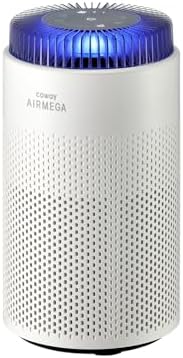
- SMART SENSING FOR CLEANER, CONTROLLED AIR – A built-in particle sensor continuously monitors indoor air quality and adju...
- SUITABLE FOR ALLERGY-SENSITIVE HOUSEHOLDS – Designed to support a healthier environment, this model has been acknowledge...
- CLEAN AIR FOR SMALL SPACES, FAST – With a verified CADR of 120.1 m³/h, the Airmega 50 efficiently cleans rooms up to 25 ...
Top Quiet Smart Air Purifiers for Light Sleepers
For light sleepers, finding an air purifier that operates quietly while ensuring effective air purification is essential. Below are several top models that not only function efficiently but also maintain a serene environment conducive to restful sleep.
1. Coway AP-1512HH Mighty Air Purifier
With a noise level as low as 24.4 dB, the Coway Mighty is an excellent choice for light sleepers. This model features a four-stage filtration system, including a pre-filter, an activated carbon filter, and a true HEPA filter. It is ideal for rooms up to 361 sq. ft. The price typically ranges around $229, which many users find offers great value considering its performance. Pros include its high CADR ratings, compact design, and energy-efficient operation. However, its somewhat basic interface might not appeal to all users.
2. Levoit Core 300
The Levoit Core 300 operates at a whisper-quiet 24 dB, making it perfect for bedrooms. This air purifier is also equipped with a true HEPA filter and offers several features such as a sleep mode that dims the lights and reduces noise even further. Generally priced at around $99, it is a budget-friendly option. The Core 300's pros include a high clean air delivery rate (CADR) and multiple filter options. However, larger room sizes may require additional units to maintain optimum air quality.
3. Dyson Pure Cool Link TP01
The Dyson Pure Cool Link TP01 not only purifies the air but also functions as a fan, making it suitable for warmer climates. Operating at a minimum noise level of 40 dB, it is designed for spaces up to 600 sq. ft. With a price point of approximately $399, its innovative design and air quality monitoring capabilities justify the higher cost. Its pros are the sleek design and dual functionality, while the cons include higher pricing and the need for Wi-Fi for full feature access.
In conclusion, when selecting a smart air purifier, it is important to consider not only the noise level but also the size of the room and key features. Models like the Coway AP-1512HH, Levoit Core 300, and Dyson Pure Cool Link TP01 stand out for their quiet operation and efficient air purification—making them ideal for light sleepers seeking clean air without disruptive noise.
Comparative Analysis of Popular Models
Choosing the right air purifier can greatly enhance the quality of sleep, especially for light sleepers who are sensitive to noise. In this comparative analysis, we assess prominent models based on several key factors, enabling you to make an informed choice based on your specific requirements.
One essential metric is the noise level. Models such as the Coway Airmega and the Levoit Core 300 operate quietly, with noise levels measured around 24 dB, which is barely noticeable during nighttime use. In contrast, the Dyson Pure Cool may generate more noise at higher settings, making it less suitable for individuals who have difficulty sleeping in the presence of sound.
Another crucial aspect is the Clean Air Delivery Rate (CADR), which indicates how efficiently an air purifier can remove pollutants from the air. High CADR ratings are indicative of effective performance; for instance, the Honeywell HPA300 boasts a CADR of 300 m³/h, making it a powerful option for larger spaces. The Levoit Core 300, while also effective with a CADR of 230 m³/h, proves to be more suitable for smaller rooms, thus catering to varying space requirements.
Energy efficiency is another consideration worth noting, particularly for those concerned about long-term operational costs. Many modern models, like the Coway Airmega, are energy-efficient and have earned Energy Star certification, reducing their impact on utility bills. Comparatively, air purifiers that lack this efficiency standard may lead to higher energy consumption over time.
Finally, maintenance costs, including filter replacements, should also influence your decision. Purifiers like the Levoit offer affordable, washable pre-filters which add to lower long-term costs. Conversely, models with specialized HEPA filters may require more frequent replacements, thereby increasing overall maintenance expenses. By weighing these factors against your specific needs, you can identify the best smart air purifier that aligns with your lifestyle and sleep preferences.

- 🏠【𝗜𝗱𝗲𝗮𝗹 𝗳𝗼𝗿 𝗔𝗹𝗹 𝗦𝗽𝗮𝗰𝗲𝘀 】The PJ07 Air Purifier features a high-efficiency filtration system and 360° air intake design. W...
- 🐶【𝐏𝐞𝐭-𝐟𝐫𝐢𝐞𝐧𝐝𝐥𝐲 𝐀𝐢𝐫 𝐏𝐮𝐫𝐢𝐟𝐢𝐞𝐫】The Pet Air Purifier is specially designed for pet-friendly homes, tackling the unique air q...
- 🧽【𝗛𝗶𝗴𝗵-𝗘𝗳𝗳𝗶𝗰𝗶𝗲𝗻𝗰𝘆 𝗙𝗶𝗹𝘁𝗿𝗮𝘁𝗶𝗼𝗻】This home air purifier features a True H13 HEPA filter with a 3-stage high-efficiency filtr...
User Reviews and Experiences
When it comes to selecting an air purifier, particularly for light sleepers, user reviews and experiences can provide valuable insights into how well these devices perform in real life. Many users have reported their experiences with various smart air purifiers, focusing primarily on noise levels, purification effectiveness, and overall satisfaction.
A common theme among reviews is the concern over noise. Light sleepers often struggle with devices that produce even minimal sounds. Numerous users have highlighted air purifiers that operate silently, enabling them to sleep soundly through the night. For instance, one user noted, "This model is whisper-quiet; I can barely hear it running, and my sleep has improved significantly since I started using it." This feedback underscores the importance of quiet operation in choosing an air purifier for sensitive users.
In addition to noise levels, the effectiveness of the air purification process is another critical factor evaluated by consumers. Many users have shared their positive experiences regarding the performance of these smart air purifiers in removing allergens, dust, and pet dander. A satisfied customer stated, "I noticed a dramatic improvement in my allergies after using this air purifier for just a week. The air feels much cleaner, and I can breathe easier at night." Such testimonials reinforce the effectiveness of these devices in creating a healthier indoor environment.
Overall satisfaction with smart air purifiers is generally high among users. Many appreciate the convenience of smart features, including remote control and integration with home automation systems. One reviewer commented, "Being able to control the air purifier from my phone is a game-changer, especially when I’m too tired to get out of bed." This seamless connectivity adds to their appeal, making them a worthy investment for those particularly sensitive to indoor air quality.
Maintaining Your Smart Air Purifier for Optimal Performance
Smart air purifiers are designed to operate efficiently while ensuring a peaceful sleep environment. However, to achieve their best performance, regular maintenance is essential. One of the primary aspects of upkeep is timely filter replacement. Each air purifier comes with manufacturer guidelines on how often to replace filters, which can vary based on usage and environmental factors. Generally, HEPA filters should be replaced every 6 to 12 months, while activated carbon filters may need changing more frequently, especially in areas with high levels of pollutants.
Additionally, cleaning your smart air purifier regularly is vital for maintaining optimal air quality. Dust and debris can accumulate on the unit, hindering airflow and potentially leading to noise issues. It is advisable to wipe down the exterior with a damp cloth regularly. For the intake and exhaust vents, use a soft brush or vacuum attachment to remove any buildup. This routine care not only keeps the appliance running smoothly but also extends its lifespan.
Another important maintenance step is checking the sensors of your smart air purifier. These sensors monitor air quality and performance, contributing to the unit’s effectiveness. Dust or dirt can obstruct sensors, leading to incorrect readings and inefficient operation. Make it a habit to examine and clean the sensors as per the manufacturer’s recommendations.
Lastly, staying informed about firmware updates for your smart air purifier is crucial. Manufacturers often release updates to enhance functionality and improve performance. Regularly checking for updates ensures that your device operates with the latest features, leading to optimal efficiency.
The Future of Air Purification Technology
The air purification technology sector is rapidly evolving, driven by the demand for cleaner air and enhanced user experience, especially for light sleepers. Recent innovations are focused not only on efficiency but also on noise reduction, allowing these devices to operate quietly while effectively removing pollutants. Upcoming models are incorporating advanced filtration systems, utilizing materials such as HEPA and activated carbon, which enhance their ability to capture particulate matter, volatile organic compounds (VOCs), and odors without generating significant noise.
One notable trend is the integration of smart technology in air purifiers, providing users with enhanced control and monitoring capabilities. Many modern air purifiers now feature mobile app connectivity, enabling users to adjust settings from their smartphones. These apps not only allow for remote operation but also provide real-time air quality data, which is particularly beneficial for light sleepers who may be sensitive to changes in their environment. Additionally, upcoming purifiers are likely to introduce adaptive algorithms that adjust fan speeds based on indoor air quality, thereby minimizing noise levels during nighttime hours.
Moreover, the development of ultra-quiet motors and sound dampening materials is set to revolutionize the market. Manufacturers are investing in research to create motor designs that produce less vibration and noise, ensuring that these devices can operate unobtrusively while maintaining peak performance. This innovation is particularly crucial for light sleepers who require a tranquil environment to ensure restful sleep.
Furthermore, the use of energy-efficient technologies will continue to play a vital role in future designs. Energy-efficient purifiers not only help reduce electricity costs but are also an environmentally friendly option, appealing to eco-conscious consumers. In the near future, we can expect a new generation of air purifiers that combine advanced filtration, smart features, and quiet operation, ultimately catering to the needs of light sleepers while promoting a healthier indoor atmosphere.
- Thoroughly purifiers rooms up to 39 m2: With a CADR of 170 m3/h, its powerful airflow cleans the air in minutes (4), rem...
- 99.97% particles removal at 0.003 microns(1): NanoProtect HEPA technology traps pollutants and uses an electrostatic cha...
- Energy-efficiency: The most efficient air purifier in the market (2). Operating at max. 12W, it is designed to minimize ...
Conclusion: Finding the Perfect Air Purifier for Your Sleep Needs
In the quest for optimal sleep quality, selecting the right air purifier can be a pivotal decision, especially for light sleepers. A quiet smart air purifier not only improves the air quality in your sleeping environment but also minimizes disturbances that may disrupt your rest. As sleep is a crucial aspect of overall health, ensuring that your bedroom remains tranquil is paramount for achieving restorative slumber.
When considering which air purifier to purchase, it is essential to reflect on individual preferences and needs. Factors such as noise levels, filter efficiency, and smart features should be paramount in your research. An ideal air purifier for light sleepers should have a whisper-quiet operation, especially during sleep mode, thus maintaining a calm atmosphere. Additionally, features like automatic air quality sensors can significantly enhance user experience by adjusting the purifier's performance based on real-time air conditions.
Moreover, different filters target various pollutants, including allergens, dust, and odors, enabling you to select a model that best suits your specific challenges. Consumers should also consider the purifier's design and size to ensure it fits seamlessly into their bedroom space without becoming a distraction. Ultimately, the goal is to foster an environment conducive to deep, uninterrupted sleep.
By thoughtfully assessing your requirements, you can identify a quiet smart air purifier that aligns with your sleeping habits and lifestyle. Investing in a suitable model not only enhances air purity but also promotes tranquility, allowing for an optimal night's rest. Emphasizing personal comfort and needs will lead to smarter choices when you are on a quest to find the perfect air purifier for your sleeping needs.


0 Comments