Introduction to the Jony Ive Speaker
The Jony Ive speaker, developed by OpenAI, is an innovative device that represents a significant milestone in the integration of artificial intelligence with everyday hardware. Designed by renowned designer Jony Ive, known for his work on iconic Apple products, this speaker combines the capabilities of ChatGPT technology with high-quality audio hardware. This intersection of advanced AI and carefully crafted design reflects a growing trend in the smart home device market, where user interaction and artificial intelligence are becoming increasingly important.
By utilizing ChatGPT, the speaker is designed not only to deliver exceptional sound quality but also to offer intelligent conversational capabilities. Users can engage with the speaker in a natural, human-like dialogue, asking questions, requesting information, and controlling various smart home functionalities. The innovation lies in the seamless integration of voice recognition and AI-generated responses, allowing for a more intuitive and personalized user experience.


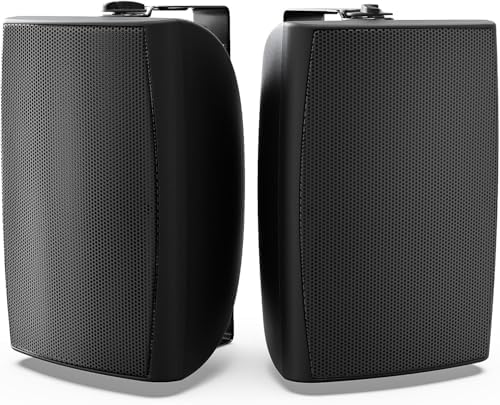
The significance of the Jony Ive speaker extends beyond its technical specifications. It symbolizes a shift toward more sophisticated smart home devices that prioritize user engagement. With the evolution of AI technologies like ChatGPT, the potential for smarter, more responsive home automation systems is vast. This development suggests a future where smart devices are not simply tools for controlling homes but partners in daily life, enhancing convenience and enriching experiences.
The introduction of ChatGPT in hardware creates possibilities for other applications, paving the way for a new generation of devices capable of learning from user interactions. By effectively responding to queries and understanding preferences, the Jony Ive speaker opens the door to the future of smart home technology. It raises essential questions about usability, privacy, and the impact of AI on our domestic environments.
Design and Features of the Speaker
The Jony Ive speaker, a product born from the collaboration between the renowned designer and OpenAI, showcases a remarkable blend of aesthetic appeal and innovation. Its minimalist design is characterized by clean lines and a harmonious form, which seamlessly integrates with various interior styles, making it a desirable addition to any home environment. The speaker's exterior is crafted from premium materials that not only enhance its visual appeal but also contribute to its durability and longevity.
In terms of usability, the Jony Ive speaker is intuitive and user-friendly. It features an easy-to-navigate touch interface that allows users to control playback, adjust volume, and access ChatGPT functionalities effortlessly. There are also voice command capabilities, enabling a hands-free experience that fosters convenience in daily use. This is particularly beneficial in a home setting, where multitasking is common; users can engage with the device while performing other tasks.
Moreover, the speaker incorporates advanced sound technology, providing high-fidelity audio that elevates the listening experience. With its acoustic design, it delivers balanced sound, ensuring that music, podcasts, or voice interactions come through with clarity and depth. The speaker's innovative ChatGPT integration enhances its functionality, allowing it to respond to spoken queries and commands, adapting to the user’s preferences over time.
In addition, the speaker is designed with energy efficiency in mind, ensuring that it contributes positively to the sustainability of the home while providing an exceptional user experience. Overall, the Jony Ive speaker successfully embodies a fusion of elegant design, user-centric features, and cutting-edge technology, making it a noteworthy addition to modern homes.
The Role of ChatGPT in Home Automation
ChatGPT is an advanced conversational AI model developed by OpenAI, designed to engage users in natural language conversations. This capability makes it an ideal candidate for home automation applications, particularly in the context of smart speakers. By integrating ChatGPT into devices, manufacturers enable a seamless interaction between users and their home automation systems. This conversational interface allows for intuitive command execution, enhancing user experience significantly.
The potential of ChatGPT in automating home tasks lies in its ability to understand context, ask clarifying questions, and provide personalized responses. For instance, a user can verbally instruct the speaker to adjust the thermostat, make coffee, or play music, without needing to use multiple apps or interfaces. This fluid communication fosters an environment where tasks are completed more efficiently, utilizing natural language commands that keep the user in control.
Moreover, ChatGPT can learn from user interactions, adapting its responses and suggestions based on preferences and previous actions. This adaptability not only enhances user satisfaction but also transforms the ordinary tasks of managing a household into an engaging experience. As the speaker converses back, it helps in reducing the cognitive load on users, allowing them to multitask more effortlessly.
Furthermore, the integration of ChatGPT holds the promise of making home automation systems more accessible to a wider audience. Users who may not be tech-savvy often find traditional interfaces overwhelming. In contrast, the conversational nature of ChatGPT simplifies the process, allowing everyone to leverage the benefits of smart home technology without the steep learning curve.
In essence, ChatGPT serves as a bridge between users and their home environments, enhancing interaction through conversational AI. This innovation not only automates home tasks but also redefines the user experience by bringing an element of personal engagement into smart technology.
Safety Concerns of AI-Powered Home Devices
The introduction of AI-powered home devices, such as OpenAI’s Jony Ive speaker, has generated interest and excitement, yet it also brings forth crucial safety concerns that warrant attention. One of the most significant issues relates to data privacy. As these devices continuously collect and process user data to enhance their functionality, the potential for privacy breaches becomes a point of contention. Personal information might be exposed or misused, especially if adequate encryption and protection measures are not in place.
Another alarming consideration is cybersecurity risks associated with AI-integrated products. Devices that connect to the internet face vulnerability to hacking. Cybercriminals can potentially exploit weaknesses in the speaker’s software or network connections to gain unauthorized access, leading to malicious acts such as data theft or controlling the device for harmful purposes. Therefore, it is essential for manufacturers to adopt robust security protocols in the development phase to mitigate such threats.
To address these concerns, consumers should remain vigilant. It is crucial to understand the security features of any AI-powered device before purchasing—this includes reading the privacy policies and user terms associated with the device. Regular software updates should be monitored as they often contain crucial security patches that help protect against emerging threats.
Additionally, consumers can enhance their safety by utilizing strong, unique passwords and enabling two-factor authentication where applicable. As AI technology continues to evolve, awareness and education about these risks will play a fundamental role in ensuring that devices like the Jony Ive speaker can be safely integrated into our homes.
User Experience and Interface
The user interface of OpenAI's Jony Ive speaker exemplifies a commitment to providing an intuitive and seamless experience. The design is minimalistic, emphasizing simplicity without compromising functionality. This approach allows users to interact with the speaker using straightforward voice commands, making it accessible for individuals of all ages and technical backgrounds.
One of the standout features of the speaker is its natural language processing capability. Users can initiate interactions by simply saying "Hey, Jony," followed by their request, such as "play my favorite playlist." The system immediately recognizes common commands, demonstrating how effectively the interface caters to everyday user needs. Additionally, features such as calendar integration allow users to ask, "What’s on my schedule for today?" This feature seamlessly merges organizational tasks with entertainment, which enhances the overall user experience.
The speaker also boasts smart home integration capabilities. For example, users can effortlessly say, "Turn off the living room lights" or "Set the thermostat to 72 degrees." This functionality exemplifies the speaker's role as a central hub for managing various smart devices, facilitating a comprehensive home automation experience. Furthermore, the interface is designed to provide feedback, responding with confirmations to user commands. This feedback ensures that users remain informed about their requests, reducing any potential confusion.
Overall, the user experience with OpenAI's Jony Ive speaker is characterized by its ease of use, responsive interface, and comprehensive functionality. The thoughtful incorporation of voice commands into everyday tasks enhances the value of the product, making it a desirable addition to any smart home environment.
Feedback from Early Users
As with any newly launched technology, user feedback plays a significant role in defining the product's success and potential shortcomings. The initial responses from early users of OpenAI's ChatGPT-powered speaker have unveiled a mix of enthusiasm and concern, reflecting a comprehensive user experience that is essential to note.
On the positive side, many users have praised the speaker's ability to engage in fluid and natural conversations. Individuals highlighted that the device effectively communicates a diverse range of topics with an impressive understanding of context. This feature has allowed users to enjoy informative discussions or casual chats seamlessly, marking a substantial improvement over conventional smart speakers. Moreover, some feedback emphasized the speaker’s sound quality, with users noting that the audio output is crisp and clear, adding value to the overall experience.
However, it isn’t without its challenges. Some early adopters reported issues regarding connectivity and responsiveness. A few users experienced delays in processing or interruptions during their conversations, which detracted from the speaker's overall functionality. Instances of the device failing to recognize commands, especially in environments with background noise, were also mentioned. Additionally, concerns related to privacy have been raised by some testers. Users have expressed apprehensions about the extent of data being collected by the speaker and how it could potentially be used.
The feedback obtained from these early users serves as vital information for OpenAI to consider further enhancements. Balancing the standout features with the highlighted issues will be crucial to ensuring that the ChatGPT-powered speaker meets user expectations while also addressing their concerns.
Comparison to Existing Smart Speakers
In the rapidly evolving landscape of technology, smart speakers have become a staple in many households, bringing voice recognition, music streaming, and home automation to users. When considering OpenAI’s Jony Ive speaker, it is essential to compare it with established competitors like Amazon Echo, Google Nest Audio, and Apple HomePod.
In terms of functionality, the Jony Ive speaker promises an innovative integration of ChatGPT capabilities, enhancing user interaction through more natural conversation styles. Unlike existing smart speakers that primarily focus on commands and responses, the Jony Ive model seeks to facilitate deeper engagement with users through contextual understanding. However, it is important to note that while the AI-driven features set it apart, it may also introduce complexities that could seem overwhelming compared to the more straightforward operation of common smart speakers.
Design is another distinctive aspect where the Jony Ive speaker aims to shine. Drawing on Jony Ive’s design philosophy, known for its aesthetic minimalism and elegant contours, this speaker may appeal to design-conscious consumers. In contrast, many popular smart speakers exhibit a more utilitarian design, prioritizing function over form. This premium design might justify a higher retail price, distinguishing it from lower-cost alternatives that offer basic functionality.
Finally, the price point could be a determining factor for many users. Generally, the Jony Ive speaker is expected to be priced at a premium compared to mainstream models. While the enhancements in artificial intelligence and design may warrant this premium, consumers will need to weigh these benefits against their budgetary constraints. In conclusion, the Jony Ive speaker presents a compelling option in several areas but also raises questions about usability and cost-effectiveness compared to existing smart speaker solutions.
Future of Smart Home Devices with AI Integration
The integration of Artificial Intelligence (AI) in smart home devices is poised to revolutionize user interaction with technology in unprecedented ways. As we move towards a more connected living environment, the functionality and capabilities of these devices will expand, leading to an evolution that appears to be both intriguing and complex.
In the coming years, we can expect AI-powered home devices to become increasingly intuitive. With the ability to learn user preferences and adapt to their routines, these devices will not only streamline day-to-day tasks but also enhance the overall user experience. For instance, smart refrigerators might keep track of inventory levels and suggest recipes based on the available ingredients. Likewise, smart thermostats could optimize energy consumption by learning the occupancy patterns of the household.
Moreover, advancements in natural language processing technologies, such as those exemplified by OpenAI's ChatGPT, will likely facilitate more fluid interactions between users and their smart home devices. Voice commands will be understood with greater accuracy, allowing for seamless communication. The implementation of AI chatbots into these devices can also provide real-time assistance and troubleshooting support, significantly reducing user reliance on traditional customer service.
As AI technology continues to evolve, ensuring the safety and security of smart home devices will become paramount. Developers will need to focus on safeguarding against vulnerabilities, thereby instilling confidence among consumers regarding data privacy and device reliability. The marriage of AI and smart home technology presents an opportunity to create not just smarter devices, but also safer environments.
Considering these trends, the future landscape of smart home devices integrates AI in ways that not only enhance functionality and convenience but also prioritize user-centric design. As this tech evolves, the very definition of a "smart" home will expand, opening up a realm of possibilities that promises to transform modern living.
Conclusion: Is the Jony Ive Speaker Right for You?
Evaluating the safety and viability of the Jony Ive speaker, powered by ChatGPT, entails examining several dimensions, such as its technological capabilities, user privacy, and overall usability within a domestic setting. Throughout this article, we have scrutinized its innovative features, highlighting the seamless integration of artificial intelligence into everyday life. The speaker’s ability to respond intelligently to user prompts encourages a dynamic interaction that could enhance various aspects of home entertainment and connectivity.
Another critical aspect of the discussion revolves around user privacy. As conversations about data collection and surveillance become increasingly prevalent, the Jony Ive speaker's commitment to maintaining user confidentiality stands out. OpenAI's assurances regarding data security and ethical AI use may alleviate some concerns surrounding the risks of having an AI-powered device in the home. Nevertheless, it is essential for potential users to remain vigilant and informed about the data policies that accompany such technology.
Moreover, the speaker's design, stemming from Jony Ive's celebrated aesthetic principles, is worth noting. Those who value minimalism and elegance in home technology may find the speaker especially appealing. The combination of stylish design with cutting-edge functionality makes it a potentially worthwhile addition to contemporary living spaces.
Ultimately, whether the Jony Ive speaker is the right choice for you will depend on individual preferences and priorities. If the promise of a refined, responsive speaker that obeys user commands while safeguarding personal data aligns with your needs, it may indeed prove to be a safe and valuable enhancement to your home environment. Assessing your comfort with AI technology and weighing the pros and cons will guide your decision as you consider this intriguing new hardware offering.




0 Comments