Introduction to Smart Speakers and Their AI Capabilities
Smart speakers are innovative devices equipped with artificial intelligence (AI) that facilitate hands-free control of various tasks and services. Typically, these devices utilize natural language processing (NLP) to understand and respond to voice commands, thus simplifying the interaction between humans and technology. Common examples include popular brands such as Amazon Echo and Google Nest, which can play music, answer questions, control smart home devices, and even assist with personal tasks like setting reminders.
At the core of smart speakers' functionality is their ability to interpret verbal commands, which is heavily reliant on AI technology. Smart speakers generally employ two primary models of AI: on-device AI and cloud AI. On-device AI processes data locally, meaning that the speaker's capabilities are executed directly within the device, relying on its built-in hardware. This offers advantages in response time and user privacy since less data is transmitted to external servers.



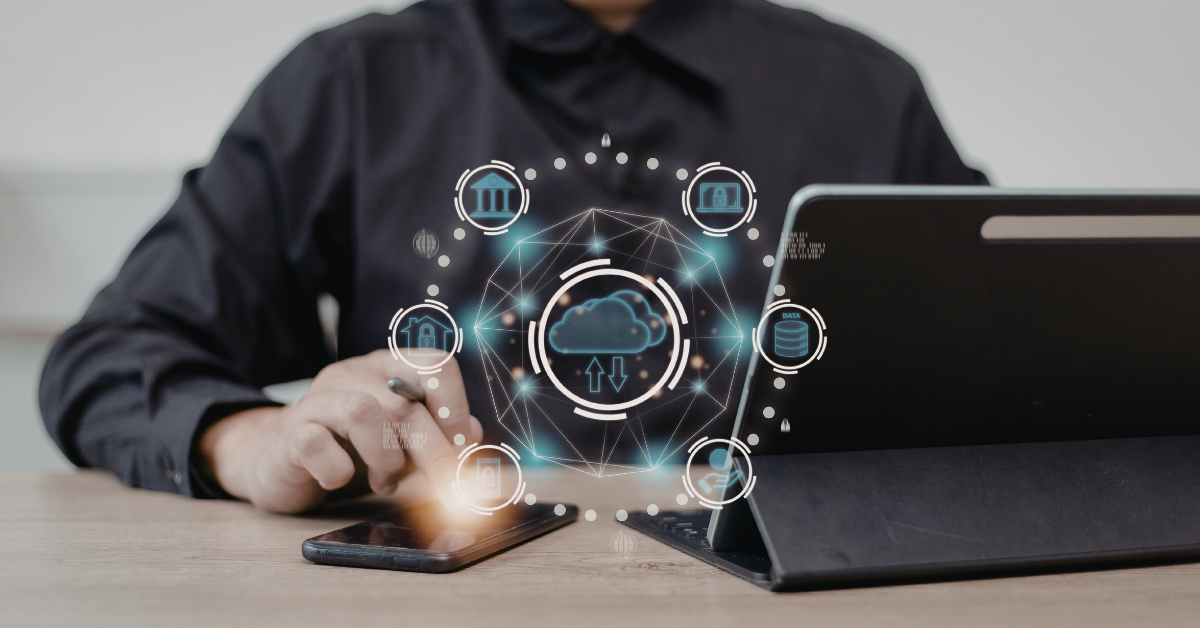
In contrast, cloud AI depends on an internet connection to access external servers where data processing occurs. This allows for more powerful computations and extensive learning models, enabling the device to continuously improve its ability to understand user commands over time. Businesses that implement cloud AI can leverage vast amounts of user data to enhance their services, thereby creating a more robust AI experience.
As smart speakers gain traction in households worldwide, concerns regarding privacy arise, particularly in relation to how voice recordings and data are managed. Understanding the distinction between on-device and cloud AI is critical for consumers seeking to protect their privacy while enjoying the conveniences offered by these advanced technologies. This article will further explore which model might provide better security regarding home conversations.
Understanding On-Device AI: How It Works
On-device AI refers to the processing of data directly on the smart speaker rather than sending it to a remote server. This capability allows for immediate responses to user commands while conserving bandwidth and enhancing privacy. The core of on-device AI lies in its ability to utilize local processing power, enabling the device to execute tasks such as voice recognition and command execution without the need for continuous internet connectivity.
One of the primary benefits of on-device AI is heightened privacy. Since the data is processed locally, sensitive information, including voice commands and personal conversations, remains on the device rather than being transmitted to a cloud server. This reduces the risk of data breaches and unwanted eavesdropping, making users feel more secure about their private discussions in their homes. Consequently, manufacturers of smart speakers incorporating on-device AI often emphasize these privacy features to attract privacy-conscious consumers.
Despite its advantages, on-device AI does come with certain limitations. The processing power available on such devices is typically less than that of cloud-based systems. This can limit the complexity of tasks the smart speakers can perform. For instance, advanced machine learning algorithms and extensive data analysis processes may be constrained by the hardware capabilities of the smart speaker. Moreover, this restriction can affect the functionality of features that depend on more substantial computational resources, necessitating a balance between privacy and performance.
In conclusion, understanding how on-device AI works in smart speakers reveals its dual nature. While it offers significant benefits in terms of privacy and immediate processing capabilities, it also faces challenges regarding processing power and overall functionality. An informed choice between on-device and cloud AI can ultimately depend on a user's specific needs for security and performance.
Exploring Cloud AI: Mechanism and Features
Cloud AI technology operates through the transfer of data from smart speakers to remote servers for processing. This functionality allows for substantial improvements in performance as devices utilize powerful computational resources unavailable on local hardware. When a user gives a command, the audio data is captured by the smart speaker and then transmitted to a cloud-based system where advanced algorithms analyze the information. This approach enables the smart speaker to deliver more accurate responses and perform complex tasks, enhancing its overall utility.
One of the primary advantages of cloud AI is its ability to continuously learn and adapt over time. As the system processes more data, it refines its algorithms, leading to improved speech recognition and understanding of user preferences. This continuous learning model means that cloud AI systems can stay updated with the latest advancements in natural language processing and machine learning, offering features that often evolve with user interaction.
However, the reliance on cloud AI raises significant privacy and security concerns. Transmitting audio data to external servers means that the users' conversations might be vulnerable to interception or misuse. While providers implement robust encryption and security measures, the inherent risk of data breaches or unauthorized access persists. Users must consider whether the enhanced capabilities of cloud AI outweigh the potential risks associated with exposing their private conversations to the cloud.
Consequently, while cloud AI offers sophisticated features and capabilities that enhance the functionality of smart speakers, privacy concerns play a crucial role in the decision-making process for potential users. Understanding these mechanisms helps homeowners weigh the trade-offs between advanced technology and personal privacy.
The Privacy Debate: On-Device AI vs. Cloud AI
The growing prevalence of smart speakers has raised significant concerns about user privacy, particularly regarding how conversations are processed and stored. When considering the privacy implications of on-device AI versus cloud AI, it is essential to understand the core differences in how each system operates. On-device AI performs tasks directly on the device, which means that data is processed locally without the need to transmit it to external servers. This inherent design offers a heightened level of privacy protection, as sensitive information is less likely to be intercepted during transfer.
In contrast, cloud AI relies on remote servers for processing, which raises notable privacy vulnerabilities. User conversations are sent over the internet to be analyzed, stored, and potentially monetized by third-party companies. This approach exposes users to risks such as hacking, data breaches, and unauthorized surveillance. Recent incidents involving major tech companies have highlighted these risks, prompting users to question how securely their conversations are being managed and stored when using cloud-based smart speakers.
Specific scenarios can further illustrate the privacy implications of these two AI methods. For instance, during an active listening session, where devices are continuously monitoring for voice commands, on-device AI minimizes the risk of unintended recording, as it requires an explicit wake word to activate. Conversely, devices that depend on cloud AI may accidentally capture sensitive conversations before the wake word is recognized, leading to potential infringements on user privacy.
Ultimately, users must weigh the benefits of convenience against the risks associated with cloud data transmission. By understanding the privacy implications of on-device and cloud AI, consumers can make informed decisions about which smart speaker best aligns with their privacy expectations and requirements.
User Control: Customization and Data Management
In the ever-evolving landscape of artificial intelligence, the balance between optimal utility and user privacy is a focal point for consumers considering smart speakers. When we examine on-device versus cloud-based AI solutions, user control over customization and data management emerges as a crucial differentiator. On-device AI, which processes information locally, often provides enhanced user autonomy, allowing for personalized settings adjustments that align with individual preferences. For instance, users can fine-tune the responsiveness of their smart speaker, modify voice recognition settings, and manage integrations with smart home devices without relying on external servers.
Conversely, cloud-based AI systems typically require continuous internet connectivity to function, with data being processed remotely. Though this model may offer more robust learning capabilities for contextual awareness, it poses challenges in terms of data sharing. Users may find themselves engaging with complex privacy settings presented through application interfaces that dictate how their data is utilized. While certain platforms provide transparency regarding data management practices, others may lack clarity, leading to concerns over personal information exposure.
A comprehensive understanding of user preferences is integral for managing data effectively. Both on-device and cloud solutions often allow users to access their stored data, presenting options for deletion or modification. However, the ease of achieving this control varies across platforms. Users who prioritize privacy may gravitate towards on-device options, affording them greater control over their interactions and the consequent retention of information. In contrast, those seeking expansive functionalities might opt for cloud-based systems, albeit with the acknowledgement of potential data sharing considerations.
Case Studies: Which Smart Speakers Utilize On-Device or Cloud AI?
In the rapidly advancing landscape of home automation, smart speakers have emerged as essential devices, offering voice-activated assistance for various tasks. However, the method through which these devices process data—either via on-device AI or cloud AI—plays a crucial role in determining their effectiveness, privacy, and overall functionality.
One prominent example of a smart speaker employing primarily on-device AI is the Apple HomePod. This device leverages local processing power to handle various commands, improving response times and increasing user privacy. By processing requests directly on the device, Apple minimizes data sent to the cloud, thereby enhancing security for sensitive information such as home conversations. However, the primary drawback is its limited functionality when compared to devices relying heavily on cloud AI, as features that require extensive data access may be less responsive.
In contrast, the Amazon Echo series, which predominantly utilizes cloud AI, showcases a different approach. The Alexa voice assistant employs powerful cloud resources to process voice commands, enabling it to access vast databases for more interactive and versatile responses. This feature allows for a rich set of functionalities, including third-party integrations and smart home controls. However, the reliance on cloud processing raises privacy concerns, as recorded conversations are often stored for improving service quality, potentially putting users' data at risk.
Another case worth mentioning is the Google Nest Audio, which also operates primarily on cloud AI. It provides users with a seamless integration of Google services, leading to higher accuracy in search-based tasks. Nevertheless, similar to the Amazon Echo, privacy implications come into effect due to the storage of voice recordings and personal data in the cloud, thus sparking concerns among privacy-aware consumers.
These examples illustrate the trade-offs associated with on-device versus cloud AI in smart speakers. On-device processing offers enhanced privacy and speed, but may lack some advanced features. Conversely, cloud-based systems provide broader functionalities but often at the expense of user privacy. Such considerations are vital for consumers as they determine which smart speaker best aligns with their preferences and needs.
Consumer Perspectives: User Reviews and Experiences
As the market for smart speakers continues to expand, user feedback has become a critical component in understanding consumer preferences, particularly in relation to privacy and the protection of home conversations. Many consumers have shared their experiences with both on-device and cloud AI systems, highlighting key differences in their perceptions of security and functionality.
Users of on-device AI systems often express a sense of relief and control. Some reviews indicate that having processing occur locally alleviates concerns about data being transmitted to the cloud. One consumer noted, "I feel safer knowing that my voice commands are processed directly on the device. It adds an extra layer of privacy that cloud solutions cannot provide." This perspective is increasingly common, particularly among those who are conscious of data privacy and potential vulnerabilities associated with cloud storage.
Conversely, there are users who appreciate the advanced features and capabilities of cloud-based systems. Many have reported that although they are aware of privacy risks, the convenience and integration offered by cloud AI outweigh these concerns. One reviewer mentioned, "The convenience of accessing my smart speaker from anywhere is worth it to me. I understand the risks, but I trust the security measures in place for cloud storage." This sentiment illustrates the trade-off consumers face between advanced functionalities and the potential risks to their private conversations.
The reviews also reveal a growing awareness of transparency in data handling and privacy policies. Users express a desire for manufacturers to provide clear guidelines on how their voices and interactions are stored or utilized. As consumers navigate the landscape of smart speakers, their insights underscore an increasingly nuanced understanding of the intersection between technology, privacy, and user experience.
Future of Smart Speakers: Trends in AI Integration
The rapid evolution of artificial intelligence is significantly shaping the future of smart speakers, introducing an array of trends aimed at enhancing user experience and functionality. As smart speakers become increasingly integral to daily life, the integration of AI technology continues to advance, bridging the gap between on-device capabilities and cloud services. One notable trend is the emergence of hybrid systems that leverage both on-device processing and cloud-based AI. By combining these approaches, manufacturers can enhance processing speed and responsiveness while maintaining a level of privacy and security for users. This dual method enables smart speakers to perform complex tasks locally, reducing latency, while simultaneously utilizing the cloud for more resource-intensive operations.
Furthermore, advancements in privacy features are becoming a focal point in the design and functionality of smart speakers. In response to growing concerns about data security and user privacy, developers are working to implement stronger encryption and more sophisticated data management practices. Features such as voice recognition capabilities and temporary data storage can empower users by allowing them to control what data is shared and with whom. This shift towards increased transparency allows consumers to engage with smart speakers with greater confidence, knowing that their personal information is being protected.
Another promising trend is the incorporation of context-awareness into AI systems. Modern smart speakers are being designed to understand the context of user commands better, leading to more accurate and personalized responses. By harnessing machine learning algorithms, these devices can learn user preferences over time, contributing to an increasingly intuitive interaction. The fusion of AI technologies into smart speakers is not merely about convenience; it reflects a broader commitment to enhancing home automation while prioritizing user privacy and security.
Conclusion: Making an Informed Choice
As consumers increasingly turn to smart speakers for convenience and enhanced connectivity, the choice between on-device and cloud AI solutions has become paramount, particularly regarding privacy concerns. The rise of the Internet of Things (IoT) has led to various smart speaker options, each equipped with distinct features and functionalities driven by either on-device processing or cloud-based analytics.
On-device AI smart speakers process data locally, minimizing reliance on remote servers. This feature offers a sense of security, as it limits the potential for unauthorized data access and decreases dependency on internet connectivity. Users favoring heightened privacy often prefer this technology, as it permits greater control of personal conversations, effectively reducing the risk of eavesdropping or data breaches from cloud systems.
Conversely, cloud AI smart speakers utilize expansive server resources to process and analyze user interactions. This comparative power contributes to a more sophisticated user experience through improved speech recognition and personalized responses. While convenience and immediate access to advanced features might appeal to some users, those concerns regarding data security and privacy risks are valid. Furthermore, relying on cloud services means entrusting third parties with potentially sensitive information.
Ultimately, the decision hinges on individual privacy needs and technology preferences. Users must weigh the benefits of enhanced functionality against potential risks to their private conversations. It is advisable for consumers to conduct thorough research and assess their comfort level regarding data protection before making a choice. By aligning technology with personal values and requirements, one can select the smart speaker that best suits their lifestyle and privacy expectations, ensuring that their home conversations remain secure and private.



0 Comments