Introduction to Robotics Evolution
The field of robotics has undergone remarkable evolution over the past few decades, transitioning from rudimentary automated machines to advanced systems capable of complex interactions with their environment. Initially, robots were primarily designed for basic tasks, such as assembly line operations, performing repetitive motions that lacked adaptability and intelligence. This early phase of robotics heavily relied on mechanical components, limiting their potential to engage dynamically with varying conditions.
As technology progressed, the introduction of artificial intelligence and machine learning began to transform robotic systems significantly. The combination of AI vision and mechanical arms marks a pivotal moment in the evolution of robotics. Mechanical arms have developed enhanced dexterity and precision, enabling them to execute tasks with a level of finesse previously reserved for human operators. These advancements allow robots to perform intricate manipulations, such as picking up small or irregularly shaped objects, thus broadening their application across industries.
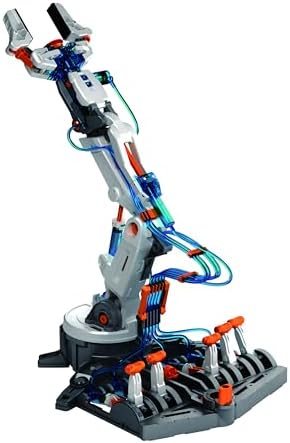


Moreover, AI vision systems have revolutionized the way robots perceive their environment. These systems employ advanced algorithms and machine learning techniques to analyze visual data and make informed decisions. By processing visual inputs in real-time, robots can identify, categorize, and interact with objects around them, rather than merely avoiding obstacles. This seamless integration of AI vision with mechanical capabilities empowers robots to engage in more complex operations and enhances their functionality.
In summary, the evolution of robotics represents a significant leap in technological advancements. The advent of mechanical arms paired with sophisticated AI vision systems signifies a transition from simple automated tasks to intelligent systems capable of adapting to and interacting thoughtfully with their surroundings. As research and development continue, it is expected that robotics will enter new realms of capability, fulfilling an increasing range of roles in various sectors of society.
The Role of Mechanical Arms in Robotics
Mechanical arms serve as a crucial component in the realm of robotics, designed specifically for the manipulation of objects across various environments. These robotic appendages are engineered to replicate the movements of a human arm, allowing machines to perform tasks that require precision and dexterity. The design of mechanical arms varies significantly, encompassing a range of types such as articulated arms, SCARA (Selective Compliance Assembly Robot Arm) arms, and parallel link arms. Each type is tailored for specific functions, resulting in versatile applications in industries such as manufacturing, healthcare, and logistics.
Articulated robotic arms, for instance, feature multiple joints which provide a wide range of motion, making them ideal for complex assembly tasks. They are extensively used in automotive assembly lines where their ability to maneuver through intricate spaces is crucial. SCARA arms, on the other hand, are favored for tasks requiring precision in a horizontal plane such as those found in electronics manufacturing. Their design allows for compliance without losing rigidity, providing a perfect balance for handling delicate components.
Mechanical arms equipped with advanced sensors and actuators can enhance their functionality significantly. These enhancements enable them to not only perform repetitive tasks but also adapt to dynamic environments. For example, in the logistics industry, robotic arms are employed for sorting and stacking items, streamlining processes that involve high volumes of goods. As technology progresses, these arms increasingly integrate with artificial intelligence systems, further enhancing their ability to navigate complex tasks and improve efficiency.
In summary, the role of mechanical arms is pivotal in advancing robotics, enabling machines to perform intricate tasks that were once the sole domain of human operators. Their diverse applications and continuous improvements in design underscore their significance in the evolving landscape of automation.
Understanding AI Vision Technology
AI vision technology serves as a pivotal element in the contemporary landscape of robotics, enabling machines to not only perceive their environment but also to analyze and respond to it appropriately. This advanced technology integrates a multitude of components, primarily consisting of sensors and algorithms, that collectively empower robots to interpret visual information in real-time.
Sensors such as cameras and LiDAR systems capture visual data, converting light signals into a format that can be processed by the robot's onboard computer. These sensors are capable of producing high-resolution images and depth maps, which are crucial for understanding the spatial orientation of objects within their field of view. The data harvested by these sensors forms the foundation of what robots know about their surroundings.
To make sense of the visual input, AI vision systems deploy complex algorithms that utilize machine learning and deep learning techniques. These algorithms are trained using extensive datasets, enabling them to recognize patterns, identify objects, and even interpret nuanced visual cues such as color, shape, and size. As a robot processes this information, it can distinguish between various objects, predict their movements, and determine the most effective way to interact with them. This capability is particularly important for tasks that require precision, such as object manipulation and navigation in cluttered environments.
Moreover, the adaptability of AI vision systems is remarkable. By leveraging advancements in computer vision, these systems continuously improve their object detection and recognition abilities over time. This is achieved through feedback mechanisms that allow the robots to learn from their experiences. Consequently, a robot equipped with a sophisticated AI vision system is not merely reactive; it becomes proactive, allowing it to pick up objects, navigate efficiently, and collaborate with humans in increasingly complex scenarios.
Comparison: Object Avoidance vs. Object Manipulation
Traditionally, robotics has focused on object avoidance, ensuring that machines could navigate around obstacles without collision. This function, while essential, is limited in scope and application. Robots equipped with sensors would ascertain the presence of objects and alter their paths accordingly, but their interaction with the environment was primarily passive. This approach served well in controlled settings, such as manufacturing lines where the layout is predictable and the range of potential obstacles is defined. Nevertheless, the real world is diverse and unpredictable, demanding robots that can not only avoid obstacles but also engage with them constructively.
The emergence of advanced robotic systems with capabilities for object manipulation marks a significant evolution in the field. Unlike their predecessors, these modern robots can grasp, move, and interact with various objects. This necessitates a suite of integrated technologies, including precise mechanical arms and sophisticated AI vision systems, enabling the robot to identify, classify, and manipulate items dynamically. Such advancements have profound implications for sectors ranging from logistics and warehousing to healthcare and personal assistance, where interaction with objects is paramount.
Object manipulation technology is inherently more complex than mere avoidance. It requires an amalgamation of real-time data processing, dexterous movement, and often a degree of machine learning to refine capabilities through practice. This shift towards active engagement with objects enhances a robot's utility and expands its practical applications significantly. For instance, a robot that can pick up and deliver items in a cluttered space can serve more versatile functions compared to its avoidance-based counterparts, thereby bridging the gap between mechanical routines and autonomous operation.
Integrating Mechanical Arms and AI Vision
The evolution of robotics has led to remarkable advancements in the integration of mechanical arms and AI vision systems. This combination not only enhances the functional capabilities of robots but also expands their applicability in various sectors, from manufacturing to healthcare. By equipping robotic arms with sophisticated vision technology, robots can accurately identify, grasp, and manipulate objects in their environment, moving beyond traditional limitations that focused primarily on avoidance rather than interaction.
One notable example of successful integration is in the realm of automated warehouses. Companies like Amazon leverage robotic systems that combine articulated mechanical arms with AI-powered vision. This enables the robots to pick and sort items efficiently, thereby streamlining logistics and reducing human error. The AI vision technology allows the robotic system to analyze the physical properties of the items, determining the appropriate grip and method of handling based on shape, size, and weight.
Moreover, in medical settings, surgical robots have benefitted significantly from the integration of AI vision and mechanical arms. Systems such as the da Vinci Surgical System utilize advanced imaging techniques to ensure precision during surgical procedures. This fusion of hardware and software not only enhances the capabilities of surgeons but also improves patient outcomes through minimally invasive techniques and reduced recovery times.
The integration of mechanical arms with AI vision provides robots with a level of adaptability that was previously unattainable. By understanding their surroundings through powerful visual inputs, robots can make informed decisions about interaction with objects, allowing them to perform complex tasks that require both dexterity and perception. This synergy between advanced robotics hardware and intelligent software paves the way for the next generation of robotic solutions across industries, illustrating the transformative potential of this technology combination.
Real-World Applications of Object Manipulating Robots
The advent of object manipulating robots has revolutionized various industries, showcasing their capabilities far beyond basic avoidance of obstacles. In manufacturing, these robots are utilized for assembly lines, where precision and efficiency are paramount. For instance, a leading automotive manufacturer has integrated robotic arms that can not only assemble components but can also make real-time adjustments to their grip based on the object being handled. This adaptability reduces errors and enhances production rates, leading to significant cost savings and an improved workflow.
In the healthcare sector, robots equipped with advanced vision systems are being employed to assist surgeons and staff in operating rooms. Surgical robots, such as the da Vinci system, can manipulate instruments with exceptional precision, allowing doctors to perform minimally invasive procedures with greater accuracy. Additionally, robotic assistants in hospitals are being developed to transport medication and supplies, streamlining operations and minimizing the potential for human error. This integration highlights the critical role that object manipulating robots play in improving patient care and operational efficiency.
The logistics industry also stands to gain enormously from the capabilities of these innovative machines. Companies like Amazon are increasingly deploying robots in their fulfillment centers to automate the process of picking and packing orders. These robots can identify, grasp, and move items across the warehouse floor, optimizing the supply chain and reducing labor costs. As demand for rapid delivery services continues to grow, the efficiency brought by object manipulating robots becomes essential for meeting consumer expectations. The transformative effects of adopting such technologies are not only evident in speed and cost but also in the enhancement of worker safety and satisfaction, as humans are freed from repetitive, physically demanding tasks.
Challenges in Developing Object-Manipulating Robots
The advancement of robotics technology has led to the creation of increasingly sophisticated machines capable of manipulating objects. However, developing robots that can effectively see and interact with their environment presents numerous technical and engineering challenges. One of the primary obstacles is achieving the precision required for delicate tasks. Robots must be designed with advanced sensors and components that allow them to detect and grab a variety of objects with different shapes, sizes, and weights. This level of accuracy is vital, especially in complex environments where objects may be tightly packed or positioned unpredictably.
Dexterity is another critical factor in the development of object-manipulating robots. Unlike simpler automation that simply moves items from one point to another, advanced robots need to perform intricate tasks such as lifting, rotating, or assembling small components. This requires the integration of highly flexible mechanical arms with multiple joints and grips that can adjust to each object. Ensuring that these arms can mimic human-like movements while maintaining stability and control adds a layer of complexity to the design process.
Safety is also a major concern in the development of robots for object manipulation. Robots must be equipped with safety protocols to prevent accidents, especially when interacting with humans. They need to recognize their surroundings and distinguish between safe and hazardous situations to avoid injury related to miscalculation. This involves deploying advanced algorithms and machine learning techniques that enable robots to adapt to dynamic environments.
Ultimately, the combination of precision, dexterity, and safety presents formidable challenges in robotic design. Engineers and researchers continue to work collaboratively to develop innovative solutions that will enhance the capabilities of robots. With ongoing advancements in artificial intelligence and machine learning, the potential for robots that can seamlessly manipulate objects is becoming increasingly attainable.
Future Trends in Robotics: What Lies Ahead
The field of robotics is witnessing unprecedented advancements, particularly in the integration of mechanical arms and AI vision. These technologies are evolving rapidly, reshaping the functionality of robots beyond simple tasks to more complex activities such as object manipulation and interaction. As we look to the future, several trends are likely to emerge, significantly impacting various industries and society at large.
One notable trend is the increasing sophistication of robotic dexterity. In the coming years, mechanical arms are expected to become more articulated and responsive, allowing them to handle delicate tasks such as assembling intricate components or performing surgical procedures. Enhanced AI vision systems will complement these advancements, enabling robots to accurately perceive and evaluate their environment. This synergy will facilitate not only efficiency but also safety, as robots are equipped to navigate unpredictable contexts.
Moreover, the incorporation of machine learning algorithms into robotics will allow for continual self-improvement. Robots will analyze previous actions, adapting to their tasks over time. This predictive capability means that they will be able to assist humans in diverse sectors—from manufacturing to healthcare—by improving workflows and reducing manual labor.
Additionally, collaboration between robots and humans will become more seamless. Expectations for human-robot interactions will shift as machines become capable of understanding emotional cues and engaging more intuitively with people. This evolution will draw from advancements in natural language processing and affective computing, allowing robots to respond appropriately in social settings.
These developments raise essential questions about the ethical implications of robotic deployment in society. As robots become more autonomous and integrated into daily life, addressing concerns regarding job displacement and security will be crucial. Future discussions must focus on balancing technological progress with the societal needs, ensuring that the transition towards advanced robotics is both equitable and beneficial.
Conclusion: The Next Frontier in Robotics
As we advance into an era marked by rapid technological progress, the integration of mechanical arms with AI vision represents a significant leap forward in robotics. Unlike earlier robotic systems that focused primarily on avoiding obstacles, these new systems exhibit an impressive capability to pick up and manipulate objects. This evolution signifies a paradigm shift in the functionality of robots from passive observers to active participants in various environments.
The synergy between mechanical arms and AI-driven vision systems enhances the ability of robots to perform tasks that require precision and adaptability. By implementing advanced object recognition and manipulation techniques, robots are now able to handle diverse items in real-time. This functionality opens the door to a myriad of applications, ranging from manufacturing and logistics to healthcare and service industries. For example, robots equipped with these technologies can efficiently sort packages, assist in surgeries, and even serve as companions in assisted living settings.
The integration of such systems not only highlights the potential for increased efficiency and reduced labor costs but also brings forth considerations regarding safety and human-robot collaboration. Training robots to understand when and how to interact with objects demands sophisticated programming and ethical guidelines. As these technologies develop, the necessity for interdisciplinary collaboration among engineers, ethicists, and industry experts will become paramount to address the social impact of robotics’ expanded role.
In conclusion, the advancements in robotic systems that can pick up objects signify the next frontier in robotics. As these technologies continue to evolve, their impact on various sectors will undoubtedly reshape our interactions with machines and redefine the capabilities of robotics in the modern world.




0 Comments