Introduction to Grow Lights
Grow lights serve a pivotal role in indoor gardening and agriculture, providing an essential light source for plants when natural sunlight is inadequate. These artificial lighting systems replicate the spectrum and intensity of sunlight, enabling plants to perform photosynthesis effectively, which is crucial for their growth and development. In situations where sunlight exposure is limited, such as during winter months or in shaded locations, grow lights can substantially enhance plant health and yield.
The primary purpose of grow lights is to deliver the specific light wavelengths that plants require, particularly red and blue light. Red light aids in flowering and fruit production, while blue light promotes vegetative growth. By adjusting the grow light settings or selecting different light types, gardeners can tailor the conditions to suit various stages of plant life cycles, maximizing productivity and efficiency.

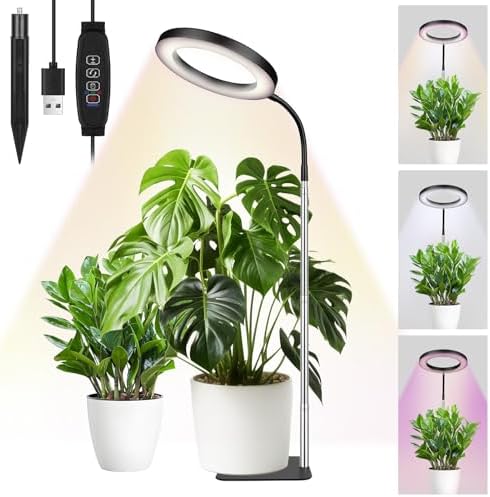
- 𝙍𝙚𝙥𝙡𝙖𝙘𝙚𝙖𝙗𝙡𝙚 𝘽𝙪𝙡𝙗 𝘿𝙚𝙨𝙞𝙜𝙣: Fitted with standard E27 sockets, each head holds one bulb (includes two 12W E27 plant grow bul...
- 𝙎𝙢𝙖𝙧𝙩 𝘿𝙖𝙞𝙡𝙮 𝘾𝙮𝙘𝙡𝙚 𝙏𝙞𝙢𝙚𝙧: The plant light has a smart daily cycle timer with 4, 8, and 12-hour settings. Once set, it wil...
- 𝙒𝙞𝙙𝙚-𝘼𝙣𝙜𝙡𝙚 𝘾𝙤𝙫𝙚𝙧𝙖𝙜𝙚: The light allows plant lights indoor to rotate freely, flexible 360° goosenecks giving you balanced...
In contemporary gardening practices, grow lights have become indispensable, particularly in urban settings where access to natural gardening spaces is scarce. These systems not only facilitate growing a vast array of plants, from fruits and vegetables to ornamental species, but they also extend the growing seasons by allowing indoor cultivation year-round.
The spectrum of light emitted by grow lights can be either broad-spectrum, which mimics natural sunlight, or specific-spectrum, optimized for particular plant needs. Each type comes with its unique features and benefits, making it important for indoor gardeners to understand their options and select appropriate systems based on their growing goals.
Understanding LED Grow Lights
LED grow lights, or light-emitting diode lights, have revolutionized indoor gardening and horticulture by providing an efficient and versatile lighting solution for plant growth. These lights harness solid-state technology to emit light, making them distinct from traditional lighting systems. The fundamental principle behind LED grow lights is the ability to convert electrical energy directly into light energy, minimizing heat emission and improving energy efficiency.
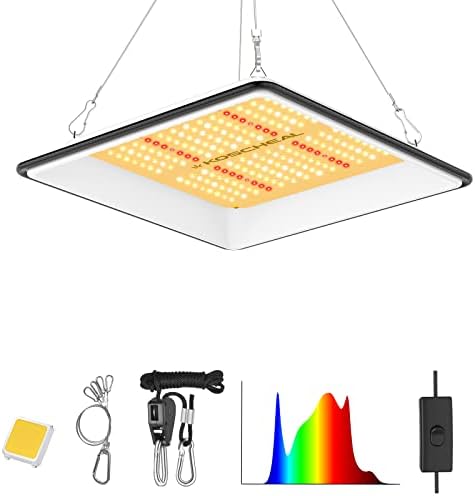
There are various types of LED grow lights, each with unique specifications suited for different growing conditions and plant needs. Full-spectrum LED lights offer a balance of blue, red, and white wavelengths, simulating natural sunlight and promoting optimal photosynthesis across all plant growth stages. Specialized LED fixtures may focus on either the blue spectrum, which enhances vegetative growth, or the red spectrum, ideal for flowering and fruiting stages.
One of the primary advantages of LED grow lights is their energy efficiency. They consume significantly less electricity compared to fluorescent lights while providing a comparable or even superior light output. This efficiency translates into reduced energy costs for growers. Additionally, LED lights have a longer lifespan, often exceeding 50,000 hours of use, which means less frequent replacements and maintenance, further contributing to cost savings.
LED technology also allows for customizable light spectra, enabling growers to tailor the wavelengths to meet specific plant requirements. This adaptability enhances plant photosynthesis, leading to improvements in growth rates, yield, and overall plant health. In environments such as indoor gardens or greenhouses, where controlling light conditions is vital, LED grow lights prove to be an invaluable tool.
In conclusion, the implementation of LED grow lights marks a significant advancement in agricultural technology, offering numerous benefits that enhance food production efficiency. Their energy efficiency, long lifespan, and customizable features make them an excellent choice for modern growers seeking sustainable and effective solutions.

An Overview of Fluorescent Grow Lights
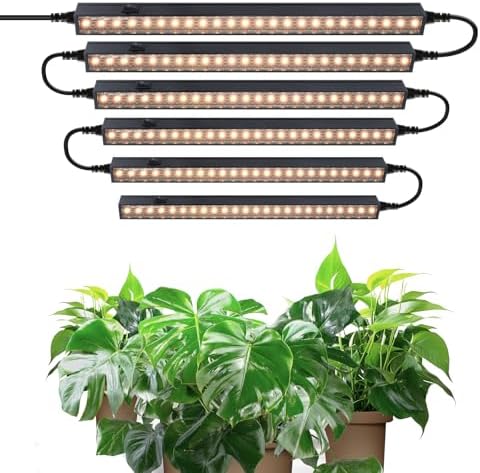
Fluorescent grow lights have been a staple in indoor gardening for many years. Their construction involves a glass tube filled with gas and a fluorescent coating on the interior. When electricity passes through the gas, it produces ultraviolet light, which then excites the coating to emit visible light. This type of lighting is primarily available in two forms: T5 and T8, which refer to the diameter of the tubes. T5 bulbs are about 5/8 inch in diameter, while T8 bulbs are 1 inch in diameter. Due to their varying sizes, each type has distinct advantages and disadvantages.
One of the primary benefits of fluorescent grow lights is their cost-effectiveness. They are generally cheaper to purchase than their LED counterparts and offer a lower upfront investment for growers. Additionally, fluorescent lights are widely available, making them accessible for both amateur and professional horticulturists. Their ability to provide a broad spectrum of light is well-suited for seed starting and growing leafy greens, which thrive under the balanced light conditions these bulbs offer.
However, fluorescent grow lights do come with limitations, particularly regarding efficiency. Although they consume less energy compared to incandescent bulbs, they do not match the energy efficiency of LED grow lights. Fluorescent bulbs also produce more heat, which may necessitate additional cooling measures in a growing environment. Furthermore, while they have a reasonable lifespan, T5 and T8 bulbs need to be replaced more frequently than LED options. As such, while they are a viable option for many growers, the limitations should be considered when selecting the appropriate lighting system for effective plant growth.

- ❀[Newest 4 Heads Grow Lights & Full Spectrum] Garpsen growing light is designed with 4 goose necks, provides a much wide...
- ❀[3 Light Modes &10 Dimming Levels] The indoor grow lamp includes red light and blue light, you can choose 3 color modes...
- ❀[Auto Turn On/off Function ] The led plant lamp has 3 timer setting options(4H/8H/12H). After you set up the repeat tim...
Growth Efficiency: LED vs. Fluorescent
The efficiency of grow lights is critical for optimizing plant growth and maximizing productivity in both commercial and home gardening. Two of the most widely used types of grow lights are LED (Light Emitting Diode) and fluorescent lights. A key factor in comparing these two modalities is their output of Photosynthetically Active Radiation (PAR), which is the light spectrum that plants utilize for photosynthesis.
When analyzing energy efficiency, LEDs have a significant edge over fluorescent lights. LEDs produce a higher PAR output per watt consumed, allowing them to deliver more usable light for plants while consuming less energy. Typically, LED grow lights can emit essential wavelengths of light while minimizing energy waste, thus enhancing growth efficiency. For instance, a well-designed LED system can achieve PAR outputs of up to 2.5 µmol/J, whereas fluorescent lights generally fall in the range of 1.3 to 1.5 µmol/J. This means that LEDs provide more effective light for plant photosynthesis using less power.
Besides energy consumption, the longevity of grow lights adds another dimension to their efficiency. LEDs are known for their durability, often lasting up to 50,000 hours, compared to the shorter lifespan of fluorescent bulbs, which typically endure around 10,000 hours. This extended operational lifespan translates into fewer replacements, reducing both labor and material costs over time. Furthermore, the lower heat output from LEDs means plants benefit from optimal temperature conditions, as the risk of heat stress is minimized. In a controlled environment, such as indoor farming, maintaining the right temperature is crucial for achieving maximum yield; thus, efficient lighting plays a vital role.
Investment in LED grow lights, while initially higher, pays off in energy savings and improved growth efficiency, offering a clear advantage over fluorescent options. The combination of high PAR output, lower energy consumption, and prolonged lifespan makes LEDs a more productive choice for growers seeking optimal plant growth.
Cost Analysis: Initial and Long-Term Investment
When evaluating the economic impact of grow lights in horticultural setups, both initial and long-term costs must be thoroughly analyzed. The first factor to consider is the initial purchase price. Generally, LED grow lights tend to be more expensive upfront compared to fluorescent lights. While LED systems can cost between $250 and $1,000 depending on the brand and features, fluorescent lights are relatively cheaper, with prices ranging from $50 to $300.
However, the initial investment does not provide the complete picture. One critical aspect to factor in is electricity consumption. LED grow lights are notably more energy-efficient than their fluorescent counterparts. Studies indicate that LEDs use approximately 40-80% less energy than fluorescent lights for the same light output, which translates into lower operating costs over time. This energy efficiency is particularly advantageous when the lights are used for extended periods, as is common in indoor gardening and greenhouse applications.
Lifespan also significantly influences the long-term cost. LED grow lights generally last much longer, with lifespans averaging 50,000 hours or more, compared to fluorescent bulbs that typically last between 7,000 to 15,000 hours. While fluorescent bulbs may need regular replacement, LEDs provide prolonged usage, making them a cost-effective choice over time.
Maintenance costs further impact the overall investment. LED systems generally require less maintenance than fluorescent lights. The latter may involve replacing broken tubes and ballasts frequently, while LEDs, due to their durability and design, tend to be a more reliable option.
In summary, investing in LED grow lights may demand a higher initial outlay; however, their efficiency, longevity, and lower maintenance requirements can yield significant savings over time, making them arguably the more economical choice in the long run for sustainable horticultural practices.
Performance in Various Growth Stages
When cultivating plants indoors, the choice of artificial lighting plays a crucial role in optimizing growth at different stages. Two prominent contenders in this arena are LED and fluorescent grow lights. Understanding their performance in growth phases such as germination, vegetative growth, and flowering can help growers maximize their yield.
During the germination stage, seedlings are particularly sensitive to light intensity and quality. LED grow lights are often preferred due to their ability to emit a spectrum conducive to initial growth while minimizing heat output. This is beneficial as excessive heat can damage delicate seedlings. On the other hand, fluorescent lights, especially T5 types, provide a softer light that is also effective for germination, albeit with less energy efficiency compared to LEDs. Gardeners may notice that while both types support germination, LEDs often promote faster sprouting and stronger initial growth.
As plants transition into the vegetative phase, the light requirements increase significantly. Here, LED grow lights excel with their full-spectrum capabilities, providing a balanced mix of blue and red light that stimulates robust stem and leaf development. Fluorescent lights can still be effective, particularly for low-light crops, but they generally require closer placement to the plants, which can be less efficient in larger setups.
In the flowering stage, the choice of lighting becomes even more critical. LED lights are considered superior once again, as they can be adjusted to emit higher amounts of red light, promoting flowering and fruiting processes. Although fluorescent grow lights can still be used, they tend to result in lower yields compared to LEDs due to their limited light spectrum and intensity. Consequently, for growers aiming for maximum output, especially during the flowering phase, LEDs are likely the preferred lighting solution.
Case Studies and Research Findings
Numerous research studies and real-world case examples illustrate the effectiveness of both LED and fluorescent grow lights in maximizing crop yields. A significant research project conducted by the University of Florida explored the impact of LED lighting compared to traditional fluorescent systems on the growth rates of leafy greens. The findings revealed that plants grown under LED lights demonstrated a 30% increase in growth rate and a 40% enhancement in nutrient density. This study emphasizes the efficiency of LED technology in producing higher yields within shorter cultivation periods.
In another case study implemented by the University of Guelph, researchers examined the effectiveness of LED and fluorescent lighting on tomato plants. Their investigation indicated that while fluorescent lights produced sizeable crops, the tomatoes grown under LED conditions exhibited improved fruit quality and a greater overall crop yield. The difference in energy efficiency was also notable, with LEDs consuming up to 50% less energy than their fluorescent counterparts.
Furthermore, an extensive field study published in the "Horticultural Technology" journal analyzed the tomatoes and peppers cultivated in commercial greenhouses utilizing varying lighting strategies. The results highlighted that greenhouses employing LED grow lights yielded approximately 15% more crops than those using fluorescent lighting. The authors concluded that the photosynthetically active radiation emitted by LEDs was better absorbed by the plants, leading to enhanced photosynthesis and growth efficiency.
In summary, the collection of case studies and research findings demonstrates a clear trend favoring LED grow lights as superior to fluorescent options in maximizing crop production. The enhanced growth rates, improved quality, and lower energy consumption provide compelling evidence for growers considering the switch to LED technology in their operations.
User Experiences and Expert Opinions
As the debate between LED and fluorescent grow lights continues, both amateur gardeners and professional farmers offer valuable insights based on personal experiences. Many users report that LED grow lights provide several advantages over their fluorescent counterparts. Gardeners have noted that LED lights are not only energy-efficient but also have a longer lifespan. This has led to decreased replacement costs and less frequent maintenance, making them a preferred choice for those cultivating plants indoors.
For instance, a hydroponic farmer from California shared that switching to LED lights significantly reduced their energy bills while increasing crop yields. They remarked, "With LED grow lights, I've noticed my tomatoes ripen faster and my leafy greens are more vibrant. It feels like I’m able to produce more food in less time." Such testimonials reflect the growing trend of favoring LED technology in both residential and commercial applications.
On the other hand, some gardeners still advocate for fluorescent lights, citing affordability as a key factor. An experienced horticulturist emphasizes that while LEDs may be superior in certain respects, fluorescent grow lights can be just as effective if used correctly. They state, "Fluorescents are excellent for seedlings and starting plants because they provide a softer light spectrum." This sentiment is echoed by several users who recommend a hybrid approach, using both types of grow lights during different stages of plant growth to maximize results.
In summary, the choice between LED and fluorescent grow lights often comes down to individual needs, specific plant types, and budget considerations. Both user experiences and expert opinions highlight the necessity of understanding the unique benefits offered by each lighting option to optimize food production effectively. As advancements in technology continue to evolve, it will be intriguing to see how these perspectives change in the future.
Conclusion: Making the Right Choice
When it comes to selecting lighting solutions for food production, both LED and fluorescent grow lights offer distinct advantages and drawbacks. Grow lights are essential tools that can significantly influence plant growth, flowering, and yield. In evaluating these two technologies, it is crucial to consider various factors such as energy efficiency, light spectrum, heat generation, and lifespan.
LED grow lights are well-known for their superior energy efficiency, as they consume less electricity while providing a broad spectrum of light. This efficiency translates to lower operational costs and less environmental impact. Additionally, LEDs produce minimal heat, which mitigates the risk of damaging plants and reduces the need for additional cooling systems. This makes LED lights an excellent option for indoor farming and controlled environment agriculture.
On the other hand, fluorescent grow lights have been a staple in the horticulture industry for decades. They are more affordable upfront and offer satisfactory performance for a wide range of plants. Fluorescents emit a specific spectrum that can benefit certain growth stages, particularly in seedling and vegetative phases. However, they tend to have shorter lifespans compared to LEDs and consume more energy, which can increase long-term costs.
In summary, the choice between LED and fluorescent grow lights ultimately depends on specific needs and conditions of the growing environment. Growers who prioritize efficiency and long-term sustainability may find LEDs to be the best option, while those looking for a cost-effective initial investment might prefer fluorescents. Assessing factors such as budget, plant types, and space constraints will aid in making an informed decision that aligns with personal cultivation goals.

0 Comments