Introduction to Gear Testing
Independent gear testing is crucial in a competitive market, where consumers are often faced with a plethora of options. The significance of impartial assessments cannot be understated; they empower potential buyers with the necessary information to make informed decisions. When it comes to purchasing gear—whether it involves outdoor equipment, technology gadgets, or home appliances—objective evaluations provide clarity and enhance consumer confidence.
One of the major reasons for the need for independent testing is to eliminate bias that could arise from manufacturer claims. Companies may market their products with enticing promises, yet these assertions are not always backed by rigorous standards. Independent assessments offer transparency, allowing consumers to see how gear performs in real-world conditions. This objectivity is essential as it helps consumers discern which products truly deliver on their promises and which fall short.
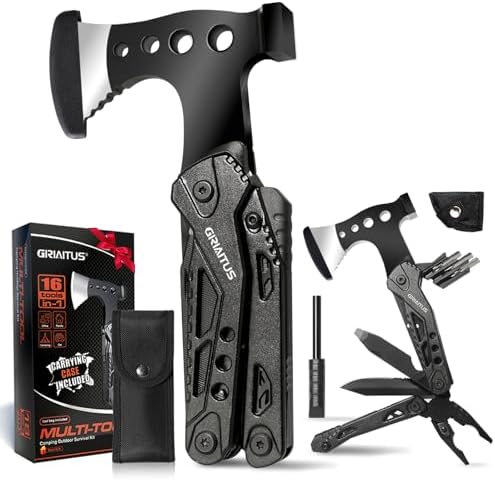


The variety of gear types subjected to testing is vast. We examine everything from hiking boots to high-tech gadgets, ensuring a broad spectrum of categories is covered. Each type of gear presents unique challenges andperformance metrics that must be scrutinized. Through a standard methodology that encompasses field tests, lab testing, and user surveys, we gather comprehensive data that inform our scoring system.
Our methodology involves not only assessing durability and functionality but also considering user experience and satisfaction. By employing rigorous testing protocols, we ensure that our evaluations reflect realistic usage scenarios. This approach guarantees that each piece of gear is put through its paces, providing valuable insights to consumers. In the end, the goal of independent gear testing is to present consumers with the information needed to select gear that best meets their specific needs and expectations.
Our Testing Philosophy
At the core of our evaluation process lies a steadfast commitment to objectivity, transparency, and thoroughness. Each piece of gear that enters our lab undergoes rigorous testing protocols designed to promote fair comparisons and ensure reliable outcomes. Our philosophy emphasizes not only the accuracy of the tests conducted but also the integrity of our findings, fostering trust among consumers who rely on our evaluations.
The foundation of our testing approach is built on the belief that every item must be assessed under identical conditions. This ensures that results are feasible and reflect real-world performance accurately. We prioritize control and consistency in each test, removing as many variables as possible that could skew results. This meticulous attention to detail allows us to create benchmarks that are both informative and actionable.
Reliability is a critical consideration throughout our evaluation process. We understand that gear specifications can often differ vastly from actual user experience, highlighting the need for comprehensive real-world tests that mimic typical use cases. From outdoor gear to technical equipment, each type of product is subjected to specific, tailored tests aimed at understanding its performance under various scenarios.
Moreover, transparency plays a significant role in our methodology. Our detailed reporting on how tests are conducted provides insight into the strengths and weaknesses of each product evaluated. By maintaining openness about our processes, we empower our audience with the knowledge needed to make informed purchasing decisions.
Ultimately, our testing philosophy underscores our dedication to delivering balanced and insightful product analyses. By adhering to these principles, we continue to refine our approach, striving to provide the most accurate representations of gear performance available.
The Lab Environment
The integrity of any scientific testing hinges on its environment, and our lab is meticulously designed to ensure optimal conditions for accurate gear assessments. Set within a controlled facility, our lab is equipped with various advanced instruments, each tailored to measure specific parameters critical for evaluating the performance of gear. From temperature-controlled chambers to specialized testing rigs, every piece of equipment serves a unique role, allowing us to replicate real-world scenarios while maintaining consistent conditions.
To further enhance the reliability of our tests, we adhere to strict safety protocols. These protocols not only safeguard the well-being of our staff but also ensure that the testing process remains uninterrupted and efficient. We implement thorough training programs for our personnel, covering the proper handling of gear and the operation of testing machinery. Additionally, regular maintenance and calibration checks are performed on all equipment, reinforcing the validity of our results. By creating an environment anchored in safety and precision, we can confidently provide scores that reflect the true performance of each piece of gear.
Our lab environment has been specifically tailored to minimize external variables that could potentially introduce bias into our results. This includes soundproofing measures, humidity and temperature controls, and the careful arrangement of testing materials to prevent any inadvertent contamination. Such meticulous attention to detail allows us to isolate each gear's performance characteristics accurately. In summary, the careful design and management of our lab environment play a crucial role in ensuring that our testing results are both reliable and reproducible, allowing consumers to make informed decisions based on our findings.
Testing Protocols and Procedures
Our testing protocols and procedures are meticulously designed to ensure a comprehensive evaluation of each piece of gear. The core of our methodology revolves around several critical areas: durability tests, usability evaluations, and performance benchmarks. Each area plays a pivotal role in our scoring system, reflecting both qualitative and quantitative measures.
Durability tests are essential in assessing how well gear withstands stress and wear over time. We utilize standardized procedures to simulate various environmental conditions, such as extreme temperatures and humidity, to ensure the gear can handle diverse situations. Each item undergoes rigorous testing, where factors like the material quality and construction integrity are scrutinized. The results from these tests directly influence the durability score, informing consumers about the longevity of the products.
Usability evaluations focus on the user experience. This involves assessing the ease of use, comfort, and overall functionality of the gear. Experts and regular users alike partake in these evaluations, offering a broad perspective on how intuitive and effective the gear is in practical scenarios. Feedback collected during this phase helps refine our usability rating, ensuring it accurately represents users’ interactions with the gear.
To complete the evaluation, performance benchmarks are established to measure the gear based on specific criteria relevant to its intended use. Whether it’s speed, efficiency, or overall output, these benchmarks provide an objective basis for comparison against similar products in the market. The scores from all these tests form a cumulative evaluation that reflects the overall quality of the gear, ultimately leading to a fair and transparent scoring system.
Scoring Metrics Explained
The evaluation of gear in our testing lab is grounded in a meticulous scoring system that encompasses a range of metrics designed to provide an insightful assessment of each product’s performance. Our scoring process is multifaceted, focusing primarily on four core areas: performance, durability, features, and value for money.
Firstly, performance is assessed based on how well the gear meets its intended function. This includes not only the effectiveness of the product in real-world scenarios but also its efficiency and reliability during various use cases. Scores in this category take into account objective measurements as well as user feedback, ensuring a comprehensive view of the product's abilities.
Durability evaluates the longevity of the gear under normal usage conditions. This metric is determined through rigorous stress testing and material analysis, which provides insights into the product's ability to withstand wear and tear over time. A durable product not only signifies quality but also represents a better long-term investment for consumers.
The features section reviews the functionalities offered by the gear, including usability and any unique attributes that enhance its overall appeal. Scoring under this metric highlights not just the presence of features, but also their practicality and relevance to users’ needs.
Lastly, the value for money metric assesses whether the gear delivers adequate performance and quality relative to its price point, making it a crucial factor for consumers aiming for cost-effective choices without sacrificing quality.
Our scoring system is balanced between subjective and objective assessments. Subjective evaluations take into account user experience and expert opinions, while objective assessments rely on quantitative data obtained through standardized testing methods. This collaborative approach ensures that our scores reflect a holistic view of the gear’s capabilities.
Case Studies of Gear Testing
In our quest to evaluate and score various gear, we have encountered a range of unique cases that have provided valuable insights into the testing process. One particular case that stands out involved a high-performance hiking boot designed for rugged terrains. The challenge in this instance was to determine the boot's durability and comfort over prolonged use under extreme conditions. Our testing involved a series of simulated hiking scenarios, including wet and dry environments, steep inclines, and rough terrain. The findings indicated that the boot excelled in water resistance but showed signs of wear after extensive use. This case emphasized the importance of considering both performance metrics and user comfort in gear testing.
An additional noteworthy case revolved around a multi-tool that promised versatility and ease of use. The primary challenge was to evaluate the tool's effectiveness in various applications, from camping to emergency situations. We developed a series of practical scenarios in which to test the tool, including cutting, screwing, and opening cans. Interestingly, while the multi-tool performed well in standard tasks, it struggled with more intricate functions, revealing limitations in its design. This highlighted a key aspect of gear testing: the need to analyze versatility versus specialization.
Another fascinating case involved a state-of-the-art camping stove, which was touted for its efficiency and portability. During testing, we sought to assess the stove's fuel consumption, cooking speed, and overall user experience. The challenge was to simulate real-world camping conditions while factoring in variables like wind and temperature. Our results showed that while the stove was efficient under ideal conditions, its performance decreased significantly in windy environments, emphasizing the significance of field testing over lab simulations. Such insights from these case studies not only illustrate the technical capabilities of gear but also inform consumers about real-world applicability and performance limitations.
The Role of Consumer Feedback
In the realm of gear evaluation, the significance of consumer feedback cannot be overstated. Our testing processes are not solely based on laboratory assessments; they are greatly enhanced by the insights garnered from user experiences and product reviews. By actively incorporating feedback from consumers, we ensure that our evaluations reflect real-world performance and usability, which is paramount for making informed purchasing decisions.
Every piece of gear undergoes rigorous testing, but understanding how it performs in everyday scenarios is equally important. Through a systematic collection of consumer reviews, we are able to capture a diverse range of perspectives that highlight both strengths and weaknesses of the products. This comprehensive approach allows us to fine-tune our testing criteria, ensuring they align with the expectations and needs of actual users.
Moreover, consumer feedback helps us identify trends and common usage patterns that might not be apparent in controlled testing environments. For instance, users might report on aspects such as durability, ease of use, or practical applications that can significantly differ from laboratory conditions. By taking these experiences into account, we create a more holistic evaluation process that mirrors the realities faced by consumers.
Engaging with our community not only influences our testing techniques but also reinforces our responsibility as a testing organization. We are committed to responsively adapting our methods based on feedback, ensuring that our scores and recommendations are truly reflective of user satisfaction. This dynamic interaction underscores the value of consumer insights as pivotal contributions to our gear assessments.
Continuous Improvement of Testing Methods
In a rapidly evolving landscape of technology and consumer preferences, it is imperative that our testing methods are not only robust but also adaptable. Continuous improvement plays a pivotal role in ensuring that our evaluations remain relevant, accurate, and reflective of current market trends. This commitment begins with a systematic review process where our methodologies are regularly evaluated and updated in light of emerging technologies. By analyzing data and performance metrics, we can identify areas for enhancement in our testing protocols.
Feedback loops are integral to this process, involving input from various stakeholders including consumers, industry experts, and our own testing teams. We encourage feedback on previous tests to highlight any gaps or shortcomings, allowing us to refine our approach continually. In cases where new products enter the market or existing technologies undergo significant improvements, our team conducts in-depth analyses to reassess our testing criteria and scoring systems.
Furthermore, we dedicate resources to training team members in the latest testing and evaluation techniques. By fostering an environment of knowledge sharing, we ensure that all contributors are equipped with the skills needed to assess gear effectively. This personal and professional development aligns our team’s capabilities with the growing complexities of modern consumer products.
Importantly, the lessons learned from past testing experiences inform our future evaluations, ensuring a cycle of learning and improvement. Historical data allows us to identify trends in product performance and consumer satisfaction, which can be pivotal in adjusting our methods accordingly. By maintaining an agile and responsive testing framework, we aim not only to meet but to exceed the expectations of our consumers in an ever-changing marketplace.
Conclusion and Final Thoughts
Independent testing plays a crucial role in the consumer landscape, particularly within the gear market. As we have explored, the rigorous methodologies employed in our testing processes ensure that each piece of gear is evaluated without bias or external influence. This level of commitment is vital in providing accurate scores and assessments that consumers can rely on when making purchasing decisions.
By adhering to stringent standards, our evaluations help to illuminate the strengths and weaknesses of various products, empowering consumers to choose gear that best fits their needs and preferences. In a marketplace inundated with options, our independent testing serves as a guiding light, fostering transparency and accountability in the industry.
Moreover, our dedication to quality extends beyond the testing phase. We consistently strive to share our findings with the public, equipping readers with comprehensive insights that facilitate informed choices. Our aim is not only to evaluate but also to educate, ensuring that consumers are well-equipped to navigate the complexities of gear selection.
As we continue to evolve and improve our testing practices, we remain steadfast in our mission. Consumers can trust that our assessments are grounded in meticulous research and objective analysis. Thus, we encourage all readers to stay informed and engaged, as their awareness and understanding of gear performance are essential in making smart choices in today’s diverse market.

0 Comments