Understanding the Benefits of Syncing Your Smart Home with Your Sleep Schedule
Aligning smart home technologies with an individual’s sleep schedule offers a multitude of benefits that can significantly enhance overall well-being. One of the primary advantages of this synchronization is the improvement in sleep quality. By utilizing smart devices such as automated lighting systems, users can create a conducive environment for resting. For example, dimming lights in the evening aligns with natural circadian rhythms, signaling to the body that it is time to wind down. Conversely, smart lighting can gradually brighten in the morning, mimicking the sunrise and providing a gentle wake-up experience.
Additionally, this technological alignment can lead to optimized energy consumption. Smart thermostats can adjust room temperatures to preferred settings automatically, promoting a comfortable sleeping environment while minimizing energy use. In turn, this not only contributes to environmental sustainability but also reduces utility costs.
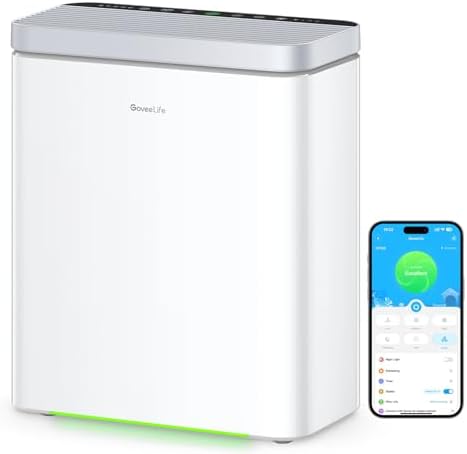


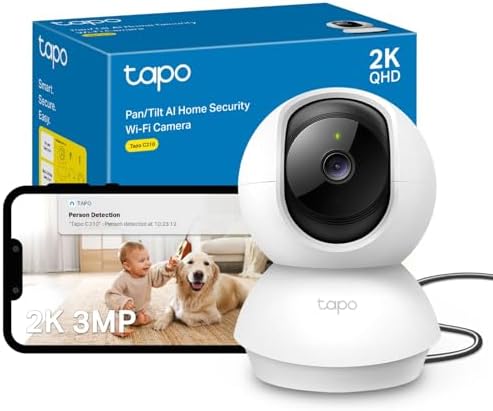
Beyond comfort and energy savings, the integration of smart home technologies can also support healthier sleep patterns. Devices such as sleep trackers can monitor your sleep cycles, providing insights that help adjust your sleep routine for better rest. Furthermore, sound machines or white noise devices, programmable through smart home platforms, can create an ideal auditory backdrop to facilitate uninterrupted sleep.
Another significant benefit is the contribution to an individual's overall wellness. By establishing a bedtime routine synchronized with smart home features—such as setting reminders, controlling devices, and adjusting environmental factors—individuals can foster habits that promote mental and physical health. This proactive approach not only leads to better sleep but also supports productivity and mood stability during waking hours.
Assessing Your Current Smart Home Setup
Before embarking on the journey towards optimizing your smart home for improved sleep quality, the initial step involves a thorough assessment of your current smart home setup. This evaluation is crucial to determine which devices you already possess and whether they can be effectively utilized to enhance your sleep schedule. Begin by listing all smart devices currently integrated within your home, including smart lights, thermostats, sound systems, and any other smart appliances.
Identify the primary functions of these devices and their compatibility with sleep-enhancing features. For instance, smart lighting systems that allow you to adjust color temperature and brightness may be instrumental in creating a conducive environment for sleep. Consider also whether your existing smart thermostat can adjust temperatures according to your sleep schedule, ensuring a comfortable ambiance throughout the night.
Next, evaluate the central control platform you are utilizing. A cohesive smart home ecosystem is essential for seamless functioning. Verify that all devices are connected to the same platform, such as Amazon Alexa, Google Home, or Apple HomeKit, which facilitates centralized management. This ensures that you can automate settings, such as dimming lights or adjusting the thermostat before bedtime, without the need for multiple applications. Compatibility amongst devices contributes to a more streamlined experience, ultimately allowing you to tailor your smart home to align with your sleep patterns.
Additionally, consider exploring emerging technologies that may not yet be in your home. Devices specifically designed for sleep enhancement, such as smart sleep masks or white noise machines, can be integrated into your existing system to further optimize your environment for rest. By taking inventory of your current setup and assessing the compatibility of various devices, you pave the way for a more restful night’s sleep.
Choosing the Right Smart Devices for Sleep Optimization
Achieving a restful night's sleep is of paramount importance to overall health and well-being, and the integration of smart devices can significantly enhance sleep quality. When selecting devices aimed at sleep optimization, there are several categories and features to consider.
One of the most pivotal smart devices for sleep is the smart bed, which offers adjustable firmness and temperature settings. These beds often feature built-in sleep monitoring capabilities that can track sleep patterns and provide personalized recommendations. By adapting to body movements and changing sleep positions throughout the night, smart beds can encourage deeper sleep cycles.
In addition, sleep trackers are crucial for anyone looking to gain insights into their sleep habits. These wearables or smartphone-integrated apps monitor various metrics such as heart rate, blood oxygen levels, and rem cycle duration. They can help users identify factors that affect their quality of sleep, promoting adjustments that lead to improved rest.
Smart blackout curtains are another excellent option for optimizing sleep conditions. These curtains can automatically block out external light sources based on the time of day, ensuring a dark environment that is conducive to sleep. By controlling light exposure, they help signal the body’s internal clock, thus supporting natural circadian rhythms.
Moreover, ambient sound machines offer significant benefits by creating soothing soundscapes that mask disruptive noises. Many models have connected features that allow users to choose sounds that promote relaxation, which can be instrumental for those living in noisy environments. Some devices can even adapt sounds according to real-time noise levels, creating a dynamic sleeping atmosphere.
Features such as adaptive lighting and temperature regulation play an essential role in sleep hygiene as well. Smart lighting systems can gradually dim as bedtime approaches, promoting melatonin production, while smart thermostats can maintain an optimal sleep environment by regulating room temperature.
Ultimately, selecting the right combination of smart devices tailored to enhance sleep quality can lead to more restorative nights. The synergy achieved by integrating these technologies can profoundly change the sleep experience, allowing users to wake up rejuvenated and ready to take on the day.
Creating a Sleep-Friendly Environment with Smart Technology
In today’s digital age, smart technology plays a pivotal role in enhancing our daily lives, including our sleep quality. By integrating smart devices into your sleeping space, you can create a serene and conducive environment for rest. One of the first steps is to manage your lighting effectively. Smart lighting systems allow you to schedule your lights to dim gradually as bedtime approaches. For instance, configuring your smart bulbs to emit softer, warmer tones can signal to your body that it is time to wind down, promoting the production of melatonin, the hormone responsible for sleep.
In addition to lighting, maintaining an optimal room temperature is crucial for a restful night. Smart thermostats enable you to adjust the temperature of your bedroom to suit your personal preferences. For example, setting the thermostat to a cooler temperature before sleep can enhance comfort and encourage a more restful state. You can program these devices to automatically adjust throughout the night, ensuring your sleep environment remains ideal.
Furthermore, incorporating sound machines into this setup can drastically improve sleep quality. These devices can be programmed to emit soothing sounds or white noise at a designated time, helping to drown out disruptive noises and lull you into a peaceful slumber. Similar to lighting and temperature, sound can have a significant impact on how quickly you fall asleep and whether you stay asleep throughout the night.
Lastly, consider the use of smart curtains. These devices can be programmed to close completely at bedtime, effectively blocking out any unwanted light from outside sources. This feature is particularly useful during summer months or in urban areas, where streetlights or the early morning sun might interfere with your sleep. Smart curtains promote darkness in your sleep environment, further encouraging a natural sleep cycle and improving overall sleep quality.
Integrating Sleep Data into Your Smart Home System
The integration of sleep data into your smart home system is a transformative step towards creating an environment that optimally supports your rest. By connecting sleep trackers and mobile applications to your smart home devices, you can ensure your home adapts to your specific sleep patterns, thereby enhancing your overall sleep quality.
To begin this integration, the first step involves selecting a compatible sleep tracker or app that can effectively monitor your sleep habits. Popular options include devices such as Fitbit, Oura Ring, or sleep monitoring apps available for smartphones. These tools are equipped with technology to capture vital sleep metrics, including duration, cycles, and quality of sleep.
Once you have a chosen device, establish a connection between this sleep tracker and your smart home ecosystem. Many smart home platforms like Google Home, Amazon Alexa, or Apple HomeKit offer functionalities to link with third-party applications. This connection typically involves enabling the respective skill or application in your smart home settings and signing in with your user credentials, allowing seamless data sharing.
After the integration is complete, you can configure your smart home devices to operate based on sleep data. For example, you can set smart lighting to gradually dim as your designated bedtime approaches, simulating a sunset to encourage the production of melatonin. Similarly, smart thermostats can be programmed to lower the temperature during the night, promoting a cooler sleep environment. Additionally, some systems allow for the automation of sound machines or alarms that can gently wake you during light sleep phases, thereby minimizing sleep disruption.
Overall, the integration of sleep data into your smart home not only enhances your nighttime experience but also supports a healthier sleep routine by aligning your home’s workings with your individual sleep needs.
Setting Up Automation for Your Sleep Routine
In today’s fast-paced world, establishing a consistent sleep routine can be challenging. However, the integration of smart home technology offers an efficient solution to enhance sleep hygiene by automating various aspects of the home environment. Automation can play a crucial role in syncing your sleep schedule with your smart home devices, allowing for a smoother transition from daytime activities to nighttime rest.
To begin setting up automation for your sleep routine, start by identifying specific tasks you would like to automate. Common examples include dimming lights, adjusting thermostat settings, or turning off electronic devices at a predetermined time. Most smart home systems allow you to create routines either through their dedicated apps or via integrated voice assistants. You can utilize these platforms to establish a customized sleep schedule that aligns with your nightly rituals.
For instance, you may choose to schedule your smart lights to gradually dim dimming over a span of 30 minutes, simulating a natural sunset to signal your body that it is time to wind down. Similarly, smart thermostats can automatically adjust the temperature to create a more comfortable sleeping environment, accommodating preferences such as cooler temperatures for restful sleep.
In many smart home apps, there are pre-set routines specifically designed for sleep or evening modes. These routines typically include multiple actions, such as locking doors, turning off appliances, and adjusting lighting conditions. Once you select a routine, be sure to personalize it further by adding or removing specific actions that cater to your unique needs.
The automation of these tasks not only helps reduce distractions during the winding down period but also promotes better sleep by creating a tranquil atmosphere. By taking advantage of the capabilities that smart technology offers, you can develop a consistent sleep routine that transforms your living space into a restful haven every night.
Adjusting Your Smart Home Sync as Needed
As your sleep schedule evolves, it is essential to adjust your smart home settings to ensure they remain aligned with your current needs. Factors such as changes in work commitments, seasonal variations, or lifestyle adjustments can impact your sleep patterns significantly. Therefore, regularly assessing your smart home setup can provide insights into its effectiveness in enhancing your sleep quality.
Consider evaluating how well your current system is serving your sleep requirements. One way to do this is by monitoring your sleep quality and noting any changes that coincide with your automation schedules or device settings. If you find that you frequently wake up feeling unrested, it may be time to consider modifications.
One effective adjustment can be altering light colors in your bedroom. Research suggests that warmer tones can promote relaxation, helping your body prepare for sleep more naturally. Similarly, integrating smart lighting that gradually dims to mimic sunset can signal to your body when it is time to wind down. Conversely, adjusting to cooler tones in the morning can help facilitate a smoother wake-up process.
Additionally, your automation schedules may require updates as your routine shifts. For example, if you have started going to bed earlier or later, revisit your preset routines to ensure they reflect this change. Establishing a gradual shift in your wake-up time using smart alarms can be beneficial and might help in reducing morning grogginess.
Updating devices regularly is also vital, as firmware updates can improve functionality and introduce new features. Consequently, maintaining current devices not only enhances the overall efficacy of your smart home system but can also provide new opportunities to optimize your sleep environment.
Troubleshooting Common Issues with Smart Sleep Devices
As smart home technology continues to advance, users may encounter various challenges while syncing their devices with their sleep schedules. Understanding common issues and their solutions can significantly enhance the user experience. One of the most frequent problems involves connectivity errors between devices and the smart home hub. If a smart sleep device appears unresponsive, resetting the device may assist in re-establishing a connection. This process typically entails unplugging the device from power for a brief period, then plugging it back in. Checking for any software updates is also advisable as outdated firmware can hinder connectivity.
Another prevalent issue arises from the misconfiguration of settings. Users should ensure that sleep devices are programmed correctly to communicate with other smart home components. Make sure that all relevant devices, including smart lights or thermostats, are integrated into the same network. Verifying the settings within the corresponding application can help identify discrepancies or errors that may impede functionality.
Moreover, ensuring that the device is within a reasonable range of the smart home hub is critical. If a device is too far away, it may struggle to maintain a stable connection, leading to performance issues. Consider relocating devices or utilizing range extenders to enhance coverage. Additionally, performing a factory reset on the sleep device can rectify persistent issues by restoring it to its original settings, allowing users to set it up anew and resolve previous misconfigurations.
Lastly, regular maintenance, including dusting devices and checking for obstructions, can prevent physical barriers that might interfere with signal strength. In cases where issues persist despite trying these steps, consulting the user manual or the manufacturer’s technical support can provide further assistance. Addressing these troubleshooting aspects will ensure that all smart sleep devices operate optimally, promoting better sleep quality through effective synchronization.
Conclusion and Additional Resources
In conclusion, integrating smart home technology with your sleep schedule offers a significant opportunity to enhance your overall well-being. By aligning smart lighting, temperature control, and various sleep monitoring devices with your natural sleep cycles, you can cultivate an environment conducive to restful sleep and productivity. The steps outlined in this guide provide a comprehensive approach to achieving this synchronization, emphasizing the need for thoughtful setup and regular adjustments based on individual preferences and needs.
For further exploration of the intersection between technology and sleep improvement, there are a variety of resources available. Numerous online forums focus on smart home devices and sleep optimization, encouraging community members to share their experiences and tips. Websites such as TechHive and Sleep Foundation provide in-depth articles on the latest trends in smart home automation and research-backed strategies for better sleep hygiene.
Additionally, engaging with sleep studies can offer valuable insights into how environmental factors, including lighting and temperature, impact sleep quality. Institutions like the National Sleep Foundation publish findings regularly, which can deepen your understanding of sleep science and its relationship with technology.
If you encounter technical challenges while syncing your devices, many smart home manufacturers offer dedicated support resources and user forums to assist with troubleshooting and enhance device functionality. Incorporating these technologies should be an evolving process; embrace experimentation to find the best solutions for your specific sleep needs.
Ultimately, the convergence of smart home technology and sleep management holds immense potential for personal well-being. As you continue to explore these possibilities, stay informed through reliable resources and actively seek ways to harness technology's full benefits for improved rest and rejuvenation.

0 Comments