Understanding Multi-Room Audio Systems
Multi-room audio systems represent a significant advancement in home entertainment technology, enabling sound distribution across various areas within a dwelling. These systems utilize wireless audio technology, allowing users to play music simultaneously or independently in different zones of a home. This capability not only enhances the audio experience but also allows for convenient control through various devices such as smartphones, tablets, or dedicated remotes.
The core functionality of a multi-room audio system hinges on its ability to connect to streaming services, allowing individuals to access vast libraries of music from platforms such as Spotify, Apple Music, and more. This integration permits seamless playback of audio content, whether it be a single playlist enjoyed throughout the house or different selections catered to individual preferences in specific rooms.
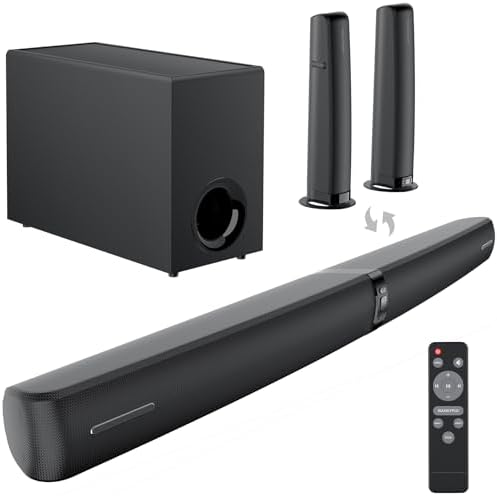
- Immersive Sound Experience: The Vecibel Soundbar, powered by 4 premium speaker drivers and an additional subwoofer, revi...
- Versatile Connectivity: The Vecibel Soundbar provides multiple connection options, including ARC, Bluetooth 5.3, Optical...
- Customised Sound Experience: Three EQ modes are available to enhance sound clarity and texture. Movie Mode delivers cine...
Zone control is another critical feature of multi-room audio systems. This functionality allows users to designate different areas, or zones, that can be controlled independently. For instance, while one room plays upbeat music for a social gathering, another can be set to a calming ambiance, ideal for relaxation. Such flexibility ensures that each space in a smart home can provide a tailored audio experience, enhancing the overall atmosphere.
In addition to these practical features, the aesthetic aspect of a multi-room audio system should not be overlooked. Many systems employ discreet speakers and smart designs, ensuring that the technology integrates harmoniously with the home’s interior. The evolution of multi-room audio systems is indicative of the broader trend toward smart home technology, promoting enhanced connectivity and convenience.
Assessing Your Space
Before embarking on the journey of setting up a multi-room audio system, assessing the space where the system will be installed is essential. The layout of your home significantly influences how sound travels and how effective the audio system will be in delivering a quality listening experience. It is crucial to consider various factors, such as room size, acoustics, and furniture placement, to ensure optimal speaker performance.
First, examine the dimensions of each room where speakers will be placed. Larger rooms may require more powerful speakers or additional units to fill the space adequately. Conversely, smaller rooms can benefit from compact speakers that won’t overpower the environment. Each speaker's capability to perform well in different space sizes should be a key aspect of your planning process.
Next, consider the acoustic properties of the rooms. Hard surfaces, such as tile or wooden flooring, can create a harsh, echoing sound environment, whereas rooms with carpets and soft furnishings can enhance audio quality by absorbing sound and reducing undesirable reverberation. To evaluate this, walk around the space and listen to the natural acoustics before installation. You might also want to experiment with different speaker positions to find locations that maximize sound quality.
Finally, pay attention to the furniture arrangement. Large pieces of furniture can obstruct sound waves, resulting in an uneven audio experience. Ideally, you should strategically place speakers away from walls and furniture as much as possible. Creating a clear path for sound ensures that each room will deliver uniform audio throughout your smart home. By carefully assessing your space and tailoring your setup accordingly, you can create an exceptional multi-room audio experience that meets the needs of your lifestyle.
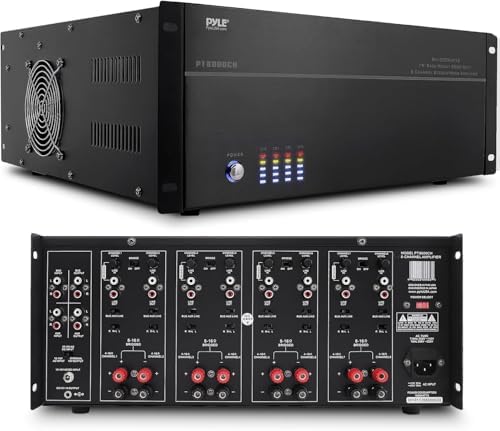
- 【MULTI-ROOM MUSIC】: Enjoy seamless audio throughout your home with this hi-fi amplifier. This audio amplifier supports m...
- 【8-CHANNEL HIGH POWER AMPLIFIER】: Experience robust performance with 100W per channel, featuring 5-way speaker binding p...
- 【SPEAKER VOLUME CONTROL】: Tailor your sound with the speaker selectors and volume control feature on this power amplifie...
Choosing the Right Equipment
When setting up a multi-room audio system, selecting the right equipment is crucial to ensure an optimal listening experience throughout your home. The two primary components of such a system include speakers and receivers, each serving a distinct purpose.
Firstly, speakers come in various types designed for different purposes. In-ceiling and in-wall speakers are great for minimalistic aesthetics, while bookshelf and floor-standing speakers provide robust sound. Wireless speakers offer impressive flexibility, allowing you to place them anywhere in your home without the clutter of wires. Brands like Sonos, Bose, and Yamaha are renowned for their quality and performance, with the added advantage of existing integration with smart devices.
Next, the receiver acts as the central hub of your audio system, managing the audio signals and distributing sound to the speakers. A network receiver supports streaming services, making it easier to integrate your favorite music platforms. Look for brands such as Denon and Onkyo, which provide reliable performance and compatibility with various audio formats.
Lastly, hubs are essential for connecting all your equipment seamlessly. They enable you to control your entire multi-room audio system from a central device, such as a smartphone app or smart home interface. Compatibility with existing smart home devices is a critical factor to consider. Devices compatible with protocols like Apple HomeKit, Amazon Alexa, or Google Assistant will facilitate more straightforward operation and enhanced interactivity within your smart home environment.
In conclusion, when choosing equipment for your multi-room audio system, prioritize compatibility, type of speakers, and the receiver’s capabilities to create an integrated and enjoyable listening experience tailored to your lifestyle.
Wiring and Connectivity Options
When setting up a multi-room audio system, selecting the appropriate wiring and connectivity options is paramount. These choices significantly impact both sound quality and overall system performance. You can opt for traditional wired connections or contemporary wireless solutions, each with its pros and cons.
In-wall wiring is one of the most common methods for a robust audio setup. Utilizing speaker wire, coaxial, or optical cables can provide a stable and interference-free connection. In-wall wiring not only enhances audio quality but also maintains aesthetic appeal by concealing cables within the walls. This option is particularly effective in larger homes where distance can attenuate signals.
For those who prefer a less intrusive installation, optical cables and HDMI provide alternative wired solutions with high-quality sound transmission and minimal signal loss. HDMI is especially beneficial for systems that incorporate video, as it can carry both audio and video signals, simplifying your setup. Conversely, optical cables are excellent for digital audio connections, ensuring clear sound throughout your rooms.
On the other side, wireless connectivity options like Wi-Fi and Bluetooth present their own advantages. Wi-Fi-based systems enable high-quality streams over larger distances and are ideal for homes where walls may obstruct wired connections. Moreover, platforms like Sonos allow for easy integration and quick setup without the need for extensive wiring. Bluetooth, while generally effective for short-range applications, may not be suitable for multiple rooms due to potential audio compression and limited range.
Ultimately, choosing between wired and wireless options depends on the layout of your home, desired audio quality, and integration preferences. Assessing your unique requirements will guide you in selecting the most suitable connectivity for a seamless multi-room audio experience.
- 【MULTI-ROOM MUSIC】: Enjoy seamless audio throughout your home with this hi-fi amplifier. This audio amplifier supports m...
- 【8-CHANNEL HIGH POWER AMPLIFIER】: Experience robust performance with 100W per channel, featuring 5-way speaker binding p...
- 【SPEAKER VOLUME CONTROL】: Tailor your sound with the speaker selectors and volume control feature on this power amplifie...
Setting Up the Audio Zones
When configuring a multi-room audio system, one of the most important steps is establishing distinct audio zones throughout your home. This approach not only enhances the listening experience but also allows for better management of audio playback. To create these zones effectively, you need to consider several factors including speaker placement, volume control, and the ability to switch modes for different occasions.
Firstly, the optimal placement of speakers is crucial. Begin by identifying the primary areas where you wish to enjoy audio, such as the living room, kitchen, and outdoor spaces. Each zone should have speakers that are strategically positioned to deliver sound evenly across the area. Wall-mounted or ceiling speakers can provide a clean look while also minimizing clutter. Additionally, floor-standing or bookshelf speakers may be more appropriate in larger spaces, ensuring rich sound without interference from furniture.
Once speaker placement is completed, you should focus on controlling the volume levels in each zone. It is advisable to utilize a multi-zone audio controller, which allows for individual volume adjustments according to the preferences of users in each space. This means that while one area can enjoy soft background music, another can have a lively playlist for entertaining guests, all without compromising on sound quality.
Furthermore, consider setting up a ‘party mode’ setting that allows for simultaneous playback across all zones. This feature can be especially beneficial for gatherings, as it creates a cohesive audio environment. You can easily program your system to play a selected track or playlist at a unified volume level throughout the house, encouraging guests to mingle while enjoying the same auditory experience.
Incorporating these strategies will ensure an effective setup of audio zones in your smart home, allowing for a versatile and enjoyable sound experience tailored to your lifestyle.
Integrating Smart Home Systems
Integrating a multi-room audio system into your smart home is a multifaceted approach that can enhance the user experience by bringing various digital systems into harmony. A well-integrated audio system can interface seamlessly with smart TVs, smart lights, and voice assistants, providing a cohesive automation experience. The first step in achieving this integration is to ensure compatibility between devices. Different brands and models have varying degrees of interoperability; hence understanding the specifications and functionalities of your audio system and other smart devices is crucial.
By opting for devices that adhere to common standards such as Wi-Fi, Bluetooth, or proprietary protocols, you can foster a smooth interaction among all components in your smart home. For instance, many modern multi-room audio systems allow connection to services such as Amazon Alexa or Google Assistant, enabling voice control over music playback and smart home controls. This creates an environment where a simple command can adjust lighting, play music across multiple rooms, or switch on a smart TV without needing multiple apps or remotes.
Utilizing a single app to control all your smart home devices simplifies usability significantly. Many audio systems now come equipped with dedicated mobile applications designed to manage not only the audio components but also other smart devices within the home. This centralized control is not only convenient but also fosters a more integrated ecosystem. Benefits include ease of access to the settings, customizable scenes that activate several smart devices simultaneously, and updates to device firmware, ensuring optimal performance. Overall, integrating a multi-room audio system with other smart home technologies enhances accessibility, making it an essential consideration for any smart home setup.
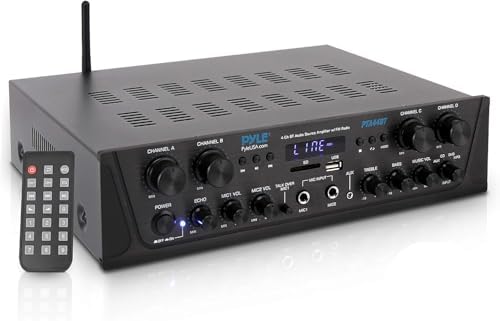
- POWERFUL 500W OUTPUT: Supports 4–8 Ohm speakers; enjoy crisp stereo sound from this compact bluetooth amplifier with pow...
- WIRELESS BLUETOOTH STREAMING: Connect your smartphone, tablet or laptop to this hifi amplifier for seamless bluetooth au...
- MULTIPLE INPUT OPTIONS: AUX, USB, RCA and FM radio inputs let you connect your turntable, SD player or mic; this stereo ...
Controlling Your Audio System
When it comes to managing a multi-room audio system, having flexible and efficient control methods is essential. Various technological advancements have introduced several approaches to facilitate seamless interaction with your audio setup. Among these methods, app controls have become increasingly popular, providing users with the convenience of managing their audio experience directly from their smartphones or tablets. Most modern systems come with dedicated applications that allow you to play music, set volumes, and choose sources for each room, enabling a tailored listening experience.
In addition to app controls, voice commands have gained traction in recent years due to the rise of smart assistants like Amazon Alexa, Google Assistant, and Apple Siri. These voice-activated systems allow users to issue commands hands-free, making it easier to play specific tracks or adjust settings without needing to physically interact with a device. This voice control feature enhances the accessibility of your audio system, catering to individuals who prefer a more intuitive and natural way of interaction.
Physical remotes also remain a staple in the world of multi-room audio. While technology has introduced more sophisticated methods, the simplicity and tactile experience offered by a remote make it an appealing option for many users. Having a dedicated remote for your audio system allows for quick adjustments and direct access to functions without navigating through apps or issuing voice commands.
Furthermore, establishing routines and schedules can significantly enhance the usability of your multi-room audio system. By programming your system to play specific music at designated times or adjusting volume levels based on the time of day, you create an automated audio experience that aligns with your lifestyle. This way, you can effortlessly enjoy your favorite playlists during breakfast or have calming sounds in the background while you unwind in the evening.
Troubleshooting Common Issues in Multi-Room Audio Systems
Setting up a multi-room audio system can elevate your smart home experience, but users may encounter various issues that diminish audio enjoyment. Addressing these common problems is essential for ensuring a seamless audio experience throughout your home.
One prevalent issue is connectivity problems, which can arise from network interference or incorrect settings. To resolve this, ensure that your Wi-Fi network is robust and that the devices are within range of the router. Additionally, consider using a dedicated frequency band, such as 5GHz, to minimize potential interference. Restarting your router and the audio devices can also help re-establish a stable connection. If connectivity issues persist, reviewing your system’s firmware and ensuring everything is updated may rectify hidden bugs.
Audio lag is another concern that affects the synchronization of sound across multiple speakers. This delay can be caused by differences in processing times across devices. To minimize audio latency, ensure all devices are connected via the same network type (wired or wireless) and review the settings in your audio software to select the appropriate latency compensation option. In some cases, switching to a wired configuration might provide the most reliable performance.
Speaker pairing issues often stem from device compatibility or incorrect setup. To troubleshoot, confirm all devices support the same audio protocols. Starting the pairing process afresh—ensuring to follow the manufacturer’s instructions carefully—can also eliminate any discrepancies. Familiarizing yourself with how to reset the devices can provide a fresh start for any incorrect configurations.
Regular maintenance is key to avoiding these issues. Keeping your software up to date, routinely checking network performance, and ensuring the integrity of all physical connections can significantly enhance the reliability of your multi-room audio system. Addressing issues proactively will help keep your smart home audio experience at optimal performance.

- All-in-one Bluetooth ceiling speaker system combines four discreet low-profile 8” speakers and an advanced in-wall ampli...
- Quick, flush-mount installation with magnetic grilles and rotating clamps ensures a seamless look, blending effortlessly...
- Wall-mounted touch panel amplifier features LCD display, Bluetooth 5.0 streaming, USB, microSD, and AUX playback – enjoy...
Enhancing Your Audio Experience
Setting up a multi-room audio system can significantly upgrade your connected home, but to truly transform your audio experience, there are several enhancements you can consider. One effective way to elevate sound quality is by incorporating subwoofers into your system. Subwoofers are designed to reproduce low frequencies, adding a depth and richness that standard speakers may lack. This is particularly beneficial for home theaters, where deep bass can heighten the emotional impact of films and music. Ensure that your subwoofer is correctly placed to maximize its effect, as placement can influence sound distribution throughout the room.
In addition to adding subwoofers, opting for high-resolution audio formats can significantly improve the listening experience. Formats such as FLAC or DSD provide greater details and clarity compared to standard compressed formats. Investing in high-resolution music files allows for a superior listening experience, particularly with high-fidelity audio equipment. Many streaming services now offer high-resolution options, so be sure to explore these features to fully enjoy your audio system's capabilities.
Furthermore, room acoustics play a crucial role in sound quality. Incorporating acoustic treatments can help minimize unwanted echoes and enhance clarity. Simple solutions like adding rugs, curtains, and wall panels can absorb sound and prevent it from bouncing around excessively. If you want to take it a step further, consider consulting an acoustic expert to guide you in optimizing your space based on specific dimensions and materials.
Ultimately, personal preference should guide your audio enhancements. Every listener has unique tastes and listening environments, so tailoring adjustments like subwoofers, audio formats, and acoustic treatments can create an optimal audio experience that resonates with your individual style.

0 Comments