Introduction
Maintaining a clean and safe environment for infants is paramount for every caregiver. New parents often find themselves inundated with baby gear, ranging from strollers and cribs to toys and feeding utensils. Ensuring that these items remain free from harmful bacteria and allergens is a key responsibility, as infants are particularly vulnerable to illness due to their developing immune systems. Regular sanitization of baby gear not only promotes hygiene but also ensures the well-being of your little one.
However, the process of sanitizing baby gear presents unique challenges, especially considering the advancements in baby product technology. Many modern items come equipped with sensitive electronics that require special care during cleaning. Traditional sanitization methods, such as submerging items in water or using harsh chemicals, can damage these delicate components, leading to potential malfunctions or safety hazards. Consequently, caregivers must adopt effective sanitization strategies that are gentle yet efficient, preserving the integrity of the electronics while ensuring thorough cleanliness.
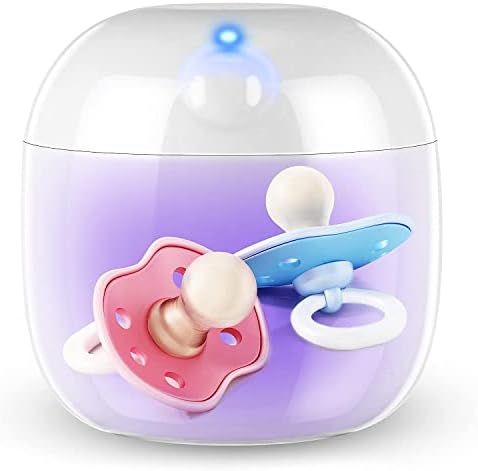


To achieve this delicate balance, it is essential to understand the materials and technologies involved in today’s baby gear. By considering the manufacturer's recommendations and employing suitable cleaning techniques, parents can effectively sanitize without compromising the functionality of these important items. In the upcoming sections of this blog post, we will explore various methods and best practices for sanitizing baby gear, particularly those with sensitive electronics, ensuring a safe and healthy environment for infants.
Understanding Baby Gear and Electronics
In today's world, the safety and convenience of infants is paramount, and a variety of baby gear equipped with electronic components plays a crucial role in achieving these goals. Among the most common types of baby gear containing electronics are baby monitors, play mats, swings, strollers, and car seats. These devices not only enhance the experience for caregivers but also ensure the well-being of the child.
Baby monitors are essential tools that allow parents to keep a close eye on their infants while engaging in other activities around the home. By utilizing audio and video technology, these monitors provide real-time updates on the child's condition, thereby enhancing peace of mind. Additionally, many modern baby monitors have features such as temperature sensors and motion detection, which add an extra layer of safety.
Play mats, often used to stimulate a baby's sensory development, now come equipped with electronic sounds and lights that capture a child's attention, promoting interaction and learning. Similarly, swings are designed to soothe infants, and many incorporate gentle motion and calming sounds that help to create a relaxing environment.
Strollers and car seats, both critical for safe transportation, often include integrated electronics such as monitoring systems and safety alerts to ensure that children are securely fastened. The evolution of these products highlights the importance of technology in modern baby gear, making life easier for parents while providing security and comfort.
As these baby products become increasingly sophisticated, understanding the intersection of baby gear and electronics becomes essential for caregivers. Proper care and sanitization of these items can help maintain their functionality and ensure the safety of children, without compromising the integrity of the electronic components involved.
Common Sanitation Methods
When it comes to sanitizing baby gear, a variety of methods can be employed to ensure a hygienic environment for infants. Among the most common sanitation techniques are wiping, steaming, and using disinfectant solutions. Each method has advantages and considerations that determine its suitability for different types of baby gear.
Wiping is perhaps the most straightforward approach. This method usually involves using a damp cloth or wipes, sometimes infused with mild disinfectants, to clean surfaces. Wiping is effective for hard surfaces like high chairs, toys, and play mats, but care must be taken with electronic components to avoid moisture damage. The advantage of wiping is its simplicity; it is quick and allows for immediate cleaning of visible dirt and grime.
Steam cleaning is another popular method, particularly beneficial for deep sanitization. It utilizes high-temperature steam to kill germs and bacteria, making it an environmentally friendly choice that requires no chemicals. Steam cleaning is suitable for fabric-covered items, such as baby carriers and stroller seats, as long as they are labeled as steam-safe. However, it is essential to avoid using steam on sensitive electronic components that can be damaged by heat and moisture.
Disinfectant solutions offer a more robust method for sanitizing a variety of baby equipment. Disinfectant sprays or wipes can effectively eradicate harmful pathogens. It is crucial to choose products that are specifically designed for use around children and to follow the instructions on the label for safety and effectiveness. Before applying any disinfectant on baby gear, always verify compatibility, particularly with items that have electronic components. Ensuring that disinfectant products are safe for use on specific materials will prevent damage while maintaining a clean environment for the child.
Electronics Sensitivity and Risks
When it comes to sanitizing baby gear, particular attention must be given to the sensitive electronics present in many of these devices. Baby monitors, strollers with electronic features, and smart bassinets utilize sophisticated technology to enhance safety and convenience. However, this technology also introduces the risk of damage if appropriate cleaning measures are not employed.
Water damage is one of the primary concerns when cleaning electronics. Exposure to moisture can lead to corrosion of internal components, which can compromise the functionality of the device. For instance, baby gear often incorporates circuit boards, sensors, and battery compartments that are susceptible to water ingress. When sanitizing, it is crucial to avoid any method that may introduce excessive moisture, such as soaking or using a high-pressure spray.
Moreover, even a small amount of cleaning agent can pose a risk. Many cleaning products contain chemicals that may corrode or degrade electronic materials over time. For this reason, selecting suitable sanitation products is paramount. It is advisable to use products that are specifically designed for electronic devices or to work with diluted solutions of gentle, non-toxic cleaning agents.
Furthermore, the physical handling of electronic baby gear during cleaning presents another avenue for potential malfunction. Dropping or mishandling devices, particularly those containing batteries, can lead to irreversible damage, rendering the device inoperable. Taking the time to understand each piece of baby gear, its components, and its specific cleaning instructions can mitigate these risks.
In essence, being vigilant and informed while sanitizing baby gear with electronic components is essential to ensure the longevity and functionality of these important devices. Proper care will not only protect sensitive electronics but also contribute to a safe environment for the infant and ease of use for caregivers.
Best Practices for Sanitizing Baby Gear
When it comes to sanitizing baby gear that contains sensitive electronics, particularly items such as high chairs, strollers, and car seats, there are several best practices that should be followed to ensure safety and effectiveness. The first and foremost guideline is to minimize excess moisture during the cleaning process. Excessive water can seep into electronic components, potentially causing damage. Instead of soaking fabrics or using a damp cloth excessively, opt for a slightly damp cloth and avoid pouring liquids directly onto the surface.
Choosing safe cleaning products is another vital aspect of sanitizing baby gear. It is crucial to select disinfectants and sanitizers that are both effective against germs and safe for use around children. Look for products that are labeled as baby-safe or non-toxic, as many conventional cleaning agents can contain harsh chemicals that are harmful to young children. Natural alternatives, such as a solution of vinegar and water or a mild soap mixed with water, can be effective and safe options for cleaning non-electronic parts.
Furthermore, protecting the electronic components during cleaning is essential. Use a soft brush or cloth to gently clean surfaces around electronic parts, ensuring that moisture does not penetrate these areas. If possible, disassemble non-electronic parts from the gear to facilitate more thorough cleaning while keeping the sensitive components dry and safe. Always refer to the manufacturer's guidelines to understand the best way to clean each specific item and any warnings against certain cleaning methods.
Finally, after sanitizing, allow the baby gear to dry completely before reassembly or use. This practice not only ensures that any residual moisture evaporates but also helps in maintaining the functionality of sensitive electronics. By adhering to these best practices, parents can effectively sanitize baby gear without compromising the integrity of essential electronic components.
Step-by-Step Sanitizing Guide
Sanitizing baby gear, especially those incorporating sensitive electronics, requires careful attention to ensure safety and longevity. Here is a comprehensive step-by-step guide that details the process for various types of baby gear.
1. Gather Necessary Supplies: Start by collecting the right supplies which include a mild soap, water, a damp microfiber cloth, and an alcohol-based sanitizer. Be sure to avoid abrasive cleaners or excessive moisture, as these can damage electronic components.
2. Power Off and Disassemble: Before you begin, power off all electronic elements. Remove any detachable parts according to the manufacturer's instructions. This may include seat covers, trays, or storage compartments.
3. Clean the Surfaces: Use the damp microfiber cloth with a mild soap solution to gently wipe down all non-electronic surfaces. Ensure that the cloth is damp, not soaking wet, to avoid moisture seeping into electronics.
4. Disinfect Removable Parts: For removable parts, wash them with warm soapy water, following the specific cleaning instructions provided by the manufacturer. For materials that cannot be submerged in water, use the damp cloth for cleaning.
5. Sanitize Electronics: For areas with sensitive electronics such as buttons or screens, apply a small amount of alcohol-based sanitizer on the cloth, not directly onto the device. Gently wipe these areas to disinfect without causing damage.
6. Drying: Allow all parts to air dry completely before reassembling. This step is crucial as moisture can lead to mold growth and damage electronics.
7. Reassemble and Test: Once all parts are dry, reassemble according to the manufacturer’s instructions. Finally, turn on the equipment to ensure everything functions correctly.
Following these steps will help ensure that your baby gear is sanitized effectively without risking damage to sensitive electronics. Regular maintenance of baby gear not only promotes hygiene but also prolongs the equipment’s lifespan, making it safe for your little ones.
Recommended Cleaning Products
Choosing the right cleaning products for sanitizing baby gear is essential, especially when it involves sensitive electronics. It is crucial to select non-toxic and baby-safe options that effectively eliminate germs without posing risks to health. Among the recommended products, multi-surface cleaners that are free from harsh chemicals are a good starting point. Look for ones that are labeled as safe for baby gear, as these formulations ensure that no harmful substances are left behind after cleaning.
One highly regarded option is an organic, plant-based cleaner. These products are effective in tackling common contaminants while remaining gentle enough not to damage delicate electronic components. Alternatively, vinegar mixed with water can serve as a natural disinfectant; however, it is important to ensure that it is used in moderation since the acidic nature of vinegar can sometimes affect surfaces negatively if not diluted properly.
For more stubborn stains or messes, consider using baking soda. This gentle abrasive can aid in scrubbing surfaces without scratching them, making it an excellent choice for disinfecting high-touch areas of baby gear. When looking for wipes, ensure they are designed specifically for sensitive skin, further enhancing safety, especially for gear that might come into contact with a baby’s skin.
Lastly, steam cleaning is another effective method to sanitize baby gear without using any chemical substances. This approach can kill germs and bacteria by using high temperatures, but care must be taken to avoid exposing electronics to excessive moisture.
In summary, choosing the right cleaning products is vital when sanitizing baby gear and protecting delicate electronics. Non-toxic and baby-safe options not only help in maintaining hygiene but also ensure the overall safety of your children.
Frequency of Sanitization
Sanitizing baby gear is crucial for maintaining hygiene and protecting your child's health. However, the frequency of sanitization can vary significantly depending on the type of gear and its exposure to germs. To ensure your child's environment is as clean as possible, it is important to adopt a tailored schedule based on usage frequency and potential contamination levels.
For items that are used daily, such as baby bottles, nipples, and pacifiers, sanitization should occur after every use. This frequent cleaning helps eliminate any bacteria or viruses that can be transferred during feeding or soothing. Additionally, baby toys that are frequently handled should also be sanitized regularly; ideally, these should be cleaned once a day to keep them free from harmful germs.
For larger items, such as cribs, strollers, and high chairs, a different approach is required. These products should be sanitized on a weekly basis if they experience heavy use but may only need bi-weekly sanitization for less frequently used gear. Whenever the baby experiences illness or has close contact with high-traffic areas, such as public places, these items should be sanitized immediately to minimize the risk of spreading infection.
Furthermore, items such as diaper bags may not require daily sanitization; however, a thorough cleaning should be conducted at least once every two weeks, especially if they often come into contact with outdoor surfaces.
Ultimately, adjusting the sanitization frequency according to usage and exposure to germs will help maintain a safe and healthy environment for your baby. Adopting this proactive approach ensures that parents can effectively protect their little ones while safely managing the various types of baby gear they utilize.
Conclusion
Ensuring the cleanliness and safety of baby gear is a vital responsibility for any parent. Throughout this blog post, we have discussed effective methods for sanitizing various items such as strollers, car seats, and toys while acknowledging the delicate nature of sensitive electronics often integrated into this gear. It is crucial to understand that the proper sanitization techniques not only promote a hygienic environment for infants but also protect the functionality of electronic components that may be present.
Using appropriate cleaning solutions that are both safe for children and effective against germs will yield the best results. When sanitizing baby gear with electronics, parents must carefully consider the materials involved. Opting for mild detergents and non-abrasive wipes ensures that surfaces are cleaned without causing damage to vital components. Additionally, air drying is recommended to prevent moisture accumulation that could compromise electronics.
Maintaining a routine for cleaning and sanitizing baby gear, especially in the context of a heightened focus on hygiene, is indeed essential. Regular attention to cleanliness helps to mitigate the risk of infections and allergies, fostering a healthier environment for young children. Lastly, keeping sensitive electronic devices safe during the sanitization process highlights the importance of thoroughness and caution. By adhering to these best practices, parents can confidently ensure that their baby gear is both sanitized and in good working order, thus promoting both safety and health for their little ones.

0 Comments