Introduction to Emergency Water Supply
Having an emergency water supply is of utmost importance in ensuring safety and well-being during unforeseen circumstances. Natural disasters such as hurricanes, earthquakes, floods, and prolonged power outages can disrupt regular water supplies. This may result in a shortage of safe drinking water, leading to potential health risks and complications.
In scenarios where access to clean water may be severely limited, whether due to contamination or physical damage to infrastructure, a well-planned emergency water supply becomes paramount. Additionally, emergencies can arise from everyday incidents such as plumbing failures or accidents, making it essential for individuals and families to have a contingency plan. Reliable water storage methods can prevent dehydration during crises, enabling individuals to remain safe until help arrives or conditions normalize.


Preparedness is a fundamental aspect of mitigating the effects of emergencies, and an effective emergency water supply is a crucial component of any comprehensive emergency preparedness plan. It is recommended that each person should have at least one gallon of water per day for at least three days, accounting for both drinking and sanitation needs. Establishing a reliable source of water can significantly reduce panic and uncertainty during emergencies and facilitate quick recovery once the immediate crisis is resolved.
Maintaining an adequate emergency water supply is not only about quantity but also about quality and safety. It requires proper storage protocols and regular checks to ensure that the water remains potable over time. By understanding the significance of emergency water supply and taking proactive steps, one can ensure preparedness for any situation in 2026 or beyond.
Understanding Water Contaminants
Water is vital to life, yet it can be susceptible to a variety of contaminants. Understanding these contaminants is essential for anyone looking to sanitize and store emergency water safely for future use. The contaminants can generally be categorized into three main types: biological, chemical, and physical.
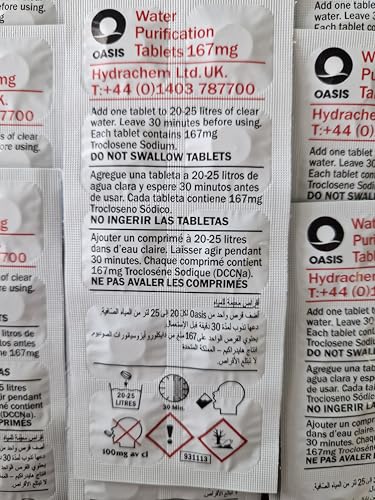
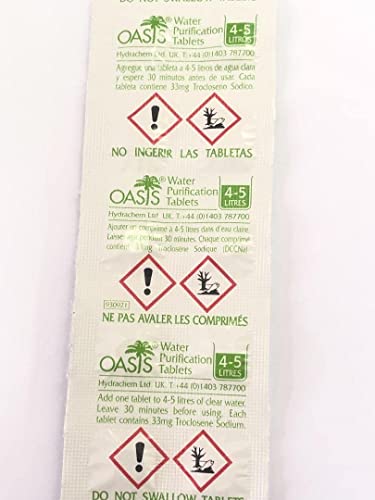
Biological contaminants include bacteria, viruses, and parasites that can lead to serious illnesses. Common pathogens found in untreated water sources may include E. coli, Giardia, and Cryptosporidium. These microorganisms can proliferate in stagnant water, making it crucial to sanitize your water thoroughly before storage. Methods such as boiling and using water purification tablets can effectively eliminate these harmful entities.
Chemical contaminants are another area of concern. These substances may originate from agricultural runoff, industrial discharges, or even household products. Heavy metals like lead and mercury can leach into water supplies and pose severe health risks. Additionally, pesticides and pharmaceuticals are frequently detected in various water systems. Effective water treatment methods, such as activated carbon filtration and reverse osmosis, can help remove most of these harmful chemicals, ensuring that the water is safe for consumption.
Physical contaminants, on the other hand, consist of particulate matter such as sand, dirt, or debris. These materials can affect the clarity and taste of the water, potentially impacting its potable quality. Filtration systems, such as mesh filters, can assist in removing these particles, while maintaining overall water integrity.
In all cases, sanitation is not merely an option but a necessity. Properly addressing these water contaminants through comprehensive sanitation methods ensures the safety and longevity of stored emergency water. By effectively mitigating these risks, individuals can secure a reliable drinking water source in times of crisis.
Methods of Water Sanitation
Ensuring safe drinking water is a critical aspect of emergency preparedness. There are several effective methods for sanitizing water, each with its own advantages and disadvantages.
One of the simplest methods for water sanitation is boiling. By bringing water to a rolling boil for at least one minute, most pathogens, including bacteria and viruses, are effectively eliminated. This method is highly effective and does not require the use of chemicals, making it safe for all. However, the main drawbacks include the time it takes to boil large quantities of water and the need for a heat source.
Another popular method is the use of chemical disinfectants, such as iodine and chlorine. Iodine tablets or solutions can be used to treat water and kill harmful microorganisms. This method is convenient and can be carried easily in emergency kits. Nevertheless, there are concerns about possible side effects from consuming iodine, and its effectiveness may be reduced in cold or cloudy water. Chlorine is widely used and effective, but it can impart a taste to the water, and too much chlorine can be harmful to health.
Water purification systems are also viable for sanitizing water. These can range from simple filter systems to advanced multi-stage purification setups that utilize ultraviolet light or reverse osmosis. Such systems are highly effective at removing contaminants, including chemicals and heavy metals. However, they can require significant investment and depend on power sources or the replacement of filters, which may not be feasible during emergencies.
Ultimately, the choice of water sanitization method will depend on the specific circumstances, including resources available and the quality of the water source.
Choosing the Right Storage Containers
When preparing for emergencies, the selection of the right storage containers for water is of utmost importance. It is vital to ensure the containers used for storing emergency water are safe, durable, and suitable for long-term use. The ideal containers should be made of food-grade materials, specifically high-density polyethylene (HDPE) or glass. Food-grade plastic is designed to store consumables without leaching harmful chemicals into the water, maintaining its purity and safety.
Containers labeled as food-grade are essential as they are manufactured to standards set by regulatory bodies, ensuring that they are non-toxic and suitable for drinking water. Glass containers, while heavier and more fragile, offer an excellent alternative due to their inert nature, which means they do not interact with the water stored within. This can be particularly beneficial for long-term storage as it prevents any alteration of taste or contamination.
On the other hand, it is crucial to avoid certain types of containers. For instance, containers previously used to store non-food items, such as chemicals or motor oil, can retain residues that may contaminate drinking water. Additionally, containers made of non-food-safe plastics, like polyvinyl chloride (PVC) or certain types of polycarbonate plastics, should also be avoided. These materials may degrade over time, releasing harmful substances into the water.
Moreover, during the selection process, ensure that the containers are tightly sealed and can prevent contamination from dust, insects, or other pollutants. Labels on containers should be read carefully to confirm that they are appropriate for water storage. Ultimately, investing in quality food-grade containers will significantly enhance the safety and longevity of emergency water supplies.
Preparing Water for Storage
When preparing water for storage, it is paramount to follow a series of systematic steps to ensure the water remains clean and free from contaminants. First, you should select appropriate storage containers. It's advisable to use food-grade plastic containers or glass bottles that are specifically intended for water storage. Avoid using containers that previously held non-food substances, as residual chemicals can contaminate your water supply.
Next, the containers must be thoroughly cleaned. Begin by washing them with hot, soapy water to remove any dirt or residues. After rinsing the containers with clean water, a sanitizing solution can be applied. A common method involves using a diluted bleach solution, where one tablespoon of unscented household bleach is mixed with one gallon of water. This bleach solution should be swirled inside the containers, ensuring that all surfaces are adequately coated, including the caps. Allow the containers to sit with the solution for at least 15 minutes before rinsing them with clean, purified water.
Once the containers are cleaned and sanitized, it is time to fill them with fresh water. Ideally, tap water that has been treated with chlorine is a suitable option for storage. However, if you have any concerns about the safety of your tap water, consider using distilled or bottled water as an alternative. When filling the containers, leave some headspace to allow for expansion. It is recommended to fill the containers completely to minimize air exposure, which can promote bacterial growth over time.
Finally, securing the lids tightly on the containers prevents contamination during storage. Certain occasions may require adding a few drops of unscented bleach to stored water, ensuring its safety for an extended period. By thoughtfully preparing your emergency water supply and adhering to these guidelines, you can ensure that it remains safe for consumption.
Proper Storage Conditions
Storing emergency water effectively is crucial to ensure its safety and suitability for consumption when needed. The ideal conditions for water storage involve careful consideration of temperature, light exposure, and location to minimize the risk of contamination and degradation.
First and foremost, temperature plays a significant role in maintaining the quality of stored water. It is recommended to keep emergency water supplies in a cool, temperature-controlled environment, ideally between 50 to 70 degrees Fahrenheit (10 to 21 degrees Celsius). Extremes in heat can encourage the growth of harmful bacteria and algae, while freezing temperatures may cause containers to burst and compromise their integrity.
Secondly, light exposure is another critical factor in maintaining the integrity of stored water. Water should be kept in dark or opaque containers, as exposure to direct sunlight can lead to the breakdown of harmful contaminants and chemicals, affecting the taste and safety of the water. Clear bottles can allow light to penetrate, triggering photo-degradation of any contaminants that may be present.
In addition, the location where emergency water is stored should be dry, clean, and away from hazardous materials. Ideal storage spots include basements or closets, where water is less likely to be exposed to temperature fluctuations or potential contaminants like cleaning agents or chemical fumes. It's essential to avoid storing emergency water near potential sources of contamination, such as areas prone to floods or spills.
By adhering to these best practices for the proper storage of emergency water, individuals can maximize the viability and safety of their water supply, ensuring that it remains drinkable and helpful during emergencies. Proper conditions will not only preserve water quality but also offer peace of mind, knowing one is prepared for unforeseen circumstances.
Labeling and Rotation of Stored Water
Proper labeling and rotation of stored water is essential to ensure that your emergency water supply remains safe and fresh. Labeling allows you to keep track of the storage dates and contents of each container, which is critical in maintaining the highest quality of water for consumption. Using durable labels helps ensure that the information is readable over time, and it's advisable to include the storage date and any other relevant details, such as the source of water.
When it comes to water storage, implementing a systematic rotation strategy is paramount. Water has a shelf life; while purified water can last for years under ideal conditions, factors such as light exposure, temperature fluctuations, and the material of the container can affect its quality over time. It is recommended to establish a schedule that allows you to check and rotate your stored water supply regularly. A common method is the "first in, first out" (FIFO) technique. This entails using the oldest water first before consuming fresher supplies. By arranging containers from oldest to newest, you can streamline the process of ensuring water is utilized before it exceeds its optimal freshness.
In addition, conducting regular inspections of the stored water is advisable. Look for signs of leakage, discoloration, or any unpleasant odors; these could indicate contamination or degradation of the water quality. When you do rotate your water supply, consider refilling and treating the containers as necessary. By labeling containers and establishing a rotation system for your water supply, you can efficiently manage your emergency resources, ensuring they remain safe and ready for use whenever needed.
Assessing Water Quality Over Time
Regular assessment of stored emergency water is vital to ensure its quality remains suitable for consumption. The initial steps in evaluating water quality involve checking its clarity and odor. Fresh water should be clear and free from any unpleasant odors. If the water appears cloudy or has a foul smell, it may indicate contamination or degradation, necessitating immediate action.
Visual inspections are essential but should be complemented with periodic testing of the water. Home testing kits are available and can provide insights into various contaminants, including bacteria, chlorine levels, and pH balance. It is recommended to carry out these tests every six months or after any major weather events that could compromise the water's safety.
Another important factor to monitor is the container in which the water is stored. Over time, containers can corrode or develop leaks, allowing for possible contamination from outside sources. Ensure that your water storage containers are made from food-grade materials and are opaque to limit exposure to sunlight, which can encourage algae growth and degradation of the water over time.
Environmental factors also play a crucial role in the assessment process. Storing water in areas with fluctuating temperatures can affect the integrity of the storage materials, leading to potential breakdown. Regularly check the storage area for pests and contaminants that could compromise the stored supply.
If signs of degradation or contamination are detected, it is imperative to replace the stored supply immediately. Maintaining a detailed log of inspections and evaluations can assist in tracking water quality over time, ensuring that your emergency water supply remains safe and reliable when needed.
Conclusion and Final Tips
In preparing for any emergency situation, ensuring a safe and accessible water supply is of utmost importance. The process of sanitizing and storing emergency water involves crucial steps that can significantly affect the quality and safety of your water supply. By using methods such as the addition of household bleach or water purification tablets, individuals can effectively eliminate harmful bacteria and viruses, ensuring that the water stored for emergencies remains safe for consumption.
Once the water has been properly sanitized, the next vital aspect is appropriate storage. Utilizing clean, food-grade containers is essential for preventing contamination. It is advisable to opt for containers that are specifically designed for water storage, as they are more resistant to degradation over time. Additionally, labeling these containers with the date of storage can help manage and rotate your water supply efficiently, ensuring that older supplies are used first.
Regular maintenance of your emergency water supply should also not be overlooked. It is recommended to inspect the stored water containers every six months, checking for any signs of leaks or water quality deterioration. Replenishing your emergency water supply periodically will help maintain a fresh and safe reserve as well. Furthermore, incorporating this strategy into your overall emergency preparedness plan is crucial. It promotes peace of mind, knowing that you have a readily available supply of sanitized water in case of unforeseen circumstances.
In conclusion, by understanding the importance of properly sanitizing and storing emergency water, and by implementing these final tips on maintenance and preparedness, individuals can significantly enhance their readiness for emergencies. This proactive approach is an essential step toward ensuring both personal and family safety during unpredictable events.




0 Comments