Introduction: The Importance of Proper Backpack Packing
Packing a backpack properly is essential for both comfort and safety during outdoor activities. Whether you're embarking on a hiking adventure, a backpacking trip, or traveling long distances, the way you distribute weight within your backpack can significantly impact your overall experience. Understanding the principles of weight distribution can help prevent injuries and enhance comfort while you navigate various terrains.
When a backpack is poorly packed, unbalanced weight can cause strain on your back, shoulders, and neck, leading to discomfort or even severe injuries. Common issues associated with improper packing include muscle fatigue, pinched nerves, and lower back pain. These problems can distract from the enjoyment of your journey and can lead to a premature end of your adventure.

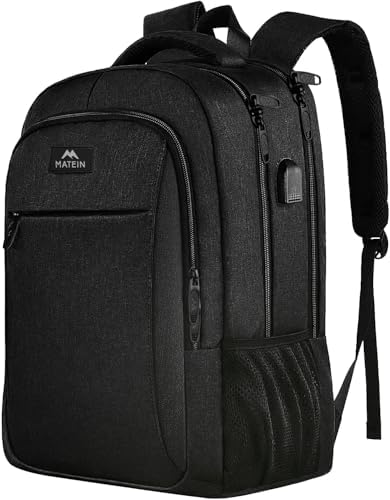
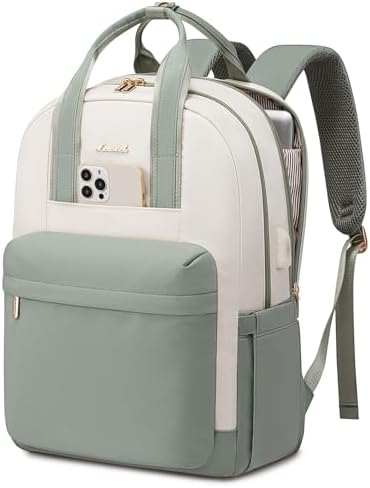
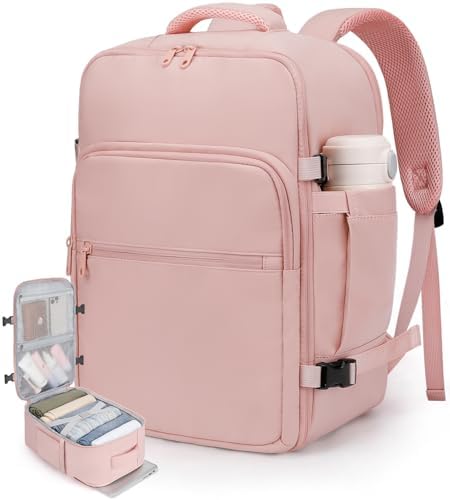
Additionally, a backpack that is not packed correctly may hinder your ability to access essential items quickly, forcing you to dig through layers of gear to find what you need. This inefficiency can be frustrating, particularly during critical moments such as when you need to rehydrate during a hike or access emergency supplies. Furthermore, a top-heavy or awkwardly weighted backpack can affect your center of gravity, making navigating difficult terrains more hazardous.
In conclusion, understanding the importance of proper backpack packing is crucial for any outdoor enthusiast. By prioritizing weight distribution, you not only enhance your comfort but also reduce the risk of injury. Emphasizing these factors in your packing approach allows for a more enjoyable and safer experience as you explore the great outdoors.
Understanding Your Backpack: Types and Features
Choosing the right backpack is essential for ensuring both comfort and function, especially when it comes to optimizing weight distribution. Backpacks are designed for a variety of purposes, with three primary types commonly recognized: daypacks, hiking backpacks, and travel backpacks.
Daypacks are typically smaller, ranging from 15 to 30 liters in capacity, making them ideal for short excursions or daily activities. They often incorporate simple designs with less emphasis on weight distribution features. However, admirable daypacks can still include padded shoulder straps and a sternum strap to help stabilize the load, promoting better weight balance across the back.
The hiking backpack, on the other hand, is built to accommodate longer trips into the wilderness and ranges from 30 to 70 liters. These backpacks are specifically engineered with advanced features like a hip belt, adjustable torso lengths, and multiple compartments that assist in managing weight distribution effectively. By securing the majority of the weight on the hips, these design elements help to alleviate strain on the back and shoulders, enhancing comfort during hikes.
Lastly, travel backpacks combine the attributes of daypacks and larger hiking models. These versatile packs often come with organizational pockets and compartments tailored for airport travel or city exploration. Additionally, many travel backpacks now offer features like stowable straps, reinforced attachment points, and even wheels, which can aid in effective weight distribution whether carried or rolled, ensuring ease of use.
Overall, understanding the types and features of backpacks is crucial in finding one that suits individual needs, leading to better weight distribution and a more comfortable experience while carrying your gear. Different designs and functionalities play a significant role in how the pack adheres to the body, ultimately influencing overall comfort and efficiency.
Assessing Your Gear: What to Pack and What to Leave Behind
When preparing for a journey, evaluating the gear you intend to take is a crucial step in enhancing weight distribution within your backpack. The fundamental principle is to prioritize necessity over quantity. Begin by creating a comprehensive list of all potential items, categorizing them based on usage, weight, and importance. Items that are rarely used should be seriously reconsidered, as their weight could significantly affect your comfort during the adventure.
One effective approach to downsizing is applying the "two-day rule"—if you won’t use an item for two consecutive days, it’s likely unnecessary. This rule helps to eliminate non-essential gear and encourages a minimalist mindset. Additionally, assess the versatility of each item. For example, multi-functional tools or clothing that serves dual purposes can significantly reduce weight without compromising safety or comfort.
Weight distribution is paramount in ensuring your backpack remains manageable and comfortable. Heavy items, such as cooking equipment or water bottles, should be packed close to your back and near the center of your pack. This positioning not only lowers the center of gravity but also improves control over the load. Lighter items can be stored toward the front and top of the pack, preventing shifting during movement. Consider ergonomics when assessing your gear—choose lightweight, compact alternatives that can serve multiple functions, particularly when it comes to sleeping bags, tents, and cooking supplies.
Moreover, conduct a trial weight test before setting out. Load your backpack and wear it for some time to gauge comfort and balance. This practice allows for real-time adjustments to your packing strategy, ensuring that the gear you choose promotes effective weight distribution. Ultimately, successful backpack packing revolves around the blend of careful assessment and strategic organization, leading to an overall more enjoyable outdoor experience.
The Principles of Weight Distribution
When preparing a backpack for a hike or daily use, understanding the principles of weight distribution is crucial for ensuring comfort and preventing injury. The primary concept is to keep heavier items close to your body. This approach helps maintain balance and stability, reducing strain on the back and shoulders. When heavy objects are situated further from the center of gravity, the strain on the body increases, potentially leading to discomfort or injury.
To achieve optimal weight distribution, it is recommended that the heaviest items should be packed first, preferably toward the middle or lower sections of the backpack. This positioning not only enhances balance but also allows for more effective loading of the backpack. It is beneficial to secure these heavier items tightly against your back, as they will be less likely to shift during movement, providing a more stable load.
In addition to keeping heavier items close, distributing the overall weight evenly across the backpack is essential. An uneven load can result in muscle strain and can challenge the natural posture of the wearer. To avoid this, pack items in such a way that the weight is balanced from side to side. Consider utilizing compartments and pockets effectively; for instance, placing smaller, yet heavier items in lower side pockets can help in achieving an even distribution.
Finally, lighter items should be packed on top or in external pockets. This not only keeps the load manageable but also allows for easy access to essential items without disrupting the weight balance. By adhering to these principles of weight distribution, one can ensure a more comfortable and safe experience while carrying a backpack, whether for short hikes or extended journeys.
Packing Techniques for Optimal Distribution
To achieve optimal weight distribution in a backpack, it is essential to employ effective packing techniques. Properly arranged items can significantly reduce strain on the back, ensuring comfort during travel or hiking adventures. Below are some recommended strategies for enhancing weight distribution.
First, consider using compression sacks for bulkier items such as sleeping bags or jackets. These sacks reduce volume and allow for more efficient packing. By minimizing air space, compression sacks enable the user to concentrate heavier items in the center of the backpack, which aids in maintaining stability and balance.
Next, rolling clothes instead of folding them can save space and help in organizing the backpack efficiently. Rolled clothes can fit snugly into gaps and corners, preventing items from shifting while in transit. This technique not only optimizes weight distribution but also allows for quick access during trips, as you can easily identify specific items.
Another effective method is compartmentalization. Many backpacks come with built-in pockets or dividers that can be utilized to separate essential gear. By placing heavier items close to the back panel, it creates a lower center of gravity, which is crucial for maintaining balance. Lighter items, such as clothing and sleeping bags, can then be placed further away from the back to fill out the pack.
As you arrange your items, it is best to pack frequently used equipment or snacks in accessible compartments. By incorporating these practical techniques—compression sacks, rolling clothes, and effective compartmentalization—you will not only enhance the overall weight distribution but also improve your overall packing efficiency. This will ultimately lead to a more comfortable experience on your journey.
Adjusting Straps and Harness for Comfort
When it comes to optimizing weight distribution in a backpack, adjusting the straps and harness is paramount for comfort and effective load management. A well-fitted backpack can significantly reduce strain on the back and shoulders, ensuring that the experience of carrying items is as pleasant as possible. The adjustment process begins with the shoulder straps, which should be aligned to the natural contour of your shoulders. This alignment allows the backpack to sit higher on your back, thereby distributing weight more evenly.
To adjust the shoulder straps, begin by loosening them and placing the backpack on your back. Tighten the straps until the backpack feels snug but not restrictive, aiming for a fit that secures the bag in place without digging into your shoulders. Ideally, the shoulder straps should allow for a comfortable range of motion while holding the backpack steady during movement.
The sternum strap plays a critical role in stabilizing the load. Positioned across the chest, this strap should be adjusted so it sits comfortably against your sternum, helping to keep the shoulder straps in place and distributing weight more effectively across your torso. This is particularly useful when navigating more rugged terrain or during dynamic activities.
Additionally, the hip belt is essential for transferring much of the weight from your shoulders to your hips, which significantly enhances comfort. Adjust this strap to ensure a snug fit around your hips, allowing for easy movement of your legs while walking. Some hip belts come with adjustable padding or positioning features that should be tailored to the curve of your body for optimal support.
In conclusion, by taking the time to properly adjust the straps and harness of your backpack, you can achieve a significant improvement in comfort and weight distribution. Ensuring that the shoulder straps, sternum strap, and hip belt are all correctly configured will enhance your overall experience while hiking or traveling with your backpack, ultimately contributing to a more enjoyable outing.
Test Packing: How to Fine-Tune Your Load
Before embarking on any journey, particularly those requiring extensive hiking or traveling, it is paramount to conduct a test pack. This process not only ensures that your backpack is packed efficiently but also helps in assessing how the weight sits on your back while in motion. A well-optimized load can greatly reduce fatigue and discomfort, allowing for a more enjoyable experience.
Start by fully loading your backpack with all the essentials you plan to carry. Ensure that the weight is evenly distributed; heavier items should be placed closer to your back and centered to maintain balance. Subsequently, try wearing the backpack in a controlled environment. Walk around your home or backyard, simulating the conditions you expect on your trip.
Pay attention to how the backpack feels during various movements. It's essential to perform simple exercises such as bending, turning, and even crouching. This will reveal whether your load shifts or affects your center of gravity. If you notice any instability or discomfort, reassess the contents of your backpack. Perhaps certain items can be repositioned or eliminated altogether.
While test packing, consider using a mirror or receiving feedback from a friend to observe your posture and movement. A properly adjusted backpack should not cause strain on your shoulders, back, or hips. If necessary, make minor adjustments to the alignment of straps to achieve an improved fit. Keep in mind that comfort during test packing is indicative of your experience on the actual trip.
Once you’ve accomplished a satisfactory test pack, take note of any particular adjustments or tips that worked for you. This practice can inform your future packing routines, ensuring you consistently optimize the weight distribution in your backpack for maximum comfort while on the move.
Tips for Maintaining Backpack Health and Longevity
Maintaining the health and longevity of your backpack is crucial for ensuring it continues to support proper weight distribution over time. A well-cared-for backpack not only enhances comfort but also prolongs its functional lifespan. One key aspect of backpack care involves regular cleaning. It is advisable to periodically remove dirt, dust, and other debris from the backpack’s exterior and interior. Most backpacks can be cleaned with a damp cloth and mild soap, while others may be machine washable. Always consult the care label to determine the best cleaning method for your specific backpack material.
Another important factor is proper storage. When not in use, store your backpack in a cool, dry place, away from direct sunlight to prevent material degradation. Ensure it retains its shape by keeping it partially filled or hanging it up rather than stuffing it into a cramped space. Additionally, be proactive in inspecting your backpack for signs of wear and tear. Look for frayed straps, damaged zippers, or loose seams that could hinder performance.
If you notice any damage, it is advisable to address these issues promptly. For instance, reinforcing loose seams or replacing broken zippers can prevent further deterioration. Using a fabric protector spray may also help resist moisture and stains, thus maintaining the fabric integrity over time.
Lastly, consider regularly redistributing the load within your backpack, especially if you frequently carry heavy items. Distributing weight evenly across all compartments helps minimize stress on specific areas and contributes significantly to maintaining both the bag’s shape and functionality. With these practices in place, your backpack can continue to provide efficient weight distribution, enhancing your comfort and performance for many adventures to come.
Conclusion: Preparing for a Comfortable Journey
In the realm of outdoor activities, the importance of properly packing a backpack cannot be overstated. The way you distribute weight within your backpack significantly affects your comfort level and overall health during your journeys. By following the principles outlined earlier, you can enhance your experience, reduce strain on your back, and feel more energized throughout your adventures.
To recap, begin with placing heavier items closest to your back, which minimizes the leverage on your spine and reduces the risk of injury. Next, distribute lighter and bulkier items towards the top and sides of your pack to maintain balance and accessibility. Using compartments and pockets effectively can also aid in achieving optimal weight distribution, allowing for easy access to frequently used items while keeping your center of gravity stable.
Moreover, remember to adjust your backpack straps to ensure that it fits snugly against your back. This adjustment plays a pivotal role in preventing shifting during movement, thereby contributing to your overall stability and comfort. Additionally, utilizing hip belts can help transfer some of the load from your shoulders to your hips, promoting better weight distribution and alleviating pressure on your back.
Ultimately, taking the time to pack your backpack properly will not only enhance your outdoor activities but also support the health of your back. By integrating these packing techniques into your preparation routine, you can embark on your journey feeling more comfortable and confident, ready to fully engage with the beauty of the great outdoors.




0 Comments