Introduction
Hiking boots are a crucial investment for any outdoor enthusiast, offering the necessary support, traction, and protection needed for various terrains. Proper maintenance of these boots is essential to ensuring optimal performance and longevity. Neglecting to clean and waterproof your hiking footwear can not only shorten their lifespan but also compromise your safety and comfort during hikes.
Cleaning your hiking boots regularly helps to remove dirt, mud, and other debris that can wear down the materials, potentially leading to cracks or leaks. Moreover, maintaining the integrity of your boots' waterproof capabilities is vital. Waterproofing protects against moisture penetration, which can cause foot discomfort and blisters as well as damage the internal structure of the boot.


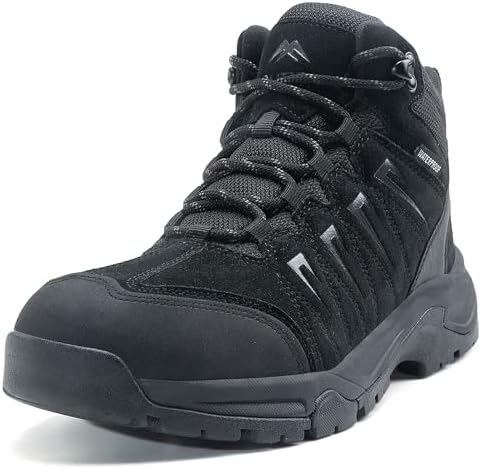
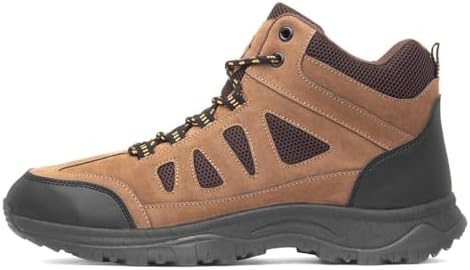
Avid hikers who log numerous miles on rugged trails understand the value of their footwear; thus, integrating cleaning and waterproofing into their gear care routine becomes paramount. By dedicating time and effort to maintain your hiking boots, you safeguard your investment while ensuring optimal performance during every trek.
Additionally, the maintenance of hiking boots can also have a positive impact on their resell value. Well-maintained boots are more likely to retain their shape, support functions, and overall aesthetic appeal, making them worthwhile for those looking to upgrade their gear without incurring excessive costs. In the following sections, we will delve deeper into the best practices for cleaning and waterproofing hiking boots to help you maximize their lifespan and performance.
Understanding the Materials
When selecting hiking boots, understanding the materials from which they are made is crucial for their maintenance and longevity. Common materials used in hiking boots include leather, synthetic fabrics, and rubber. Each of these materials possesses distinct properties that affect their performance, cleaning methods, and reaction to environmental factors.
Leather is a favored choice for its durability and breathability, making it ideal for rugged terrain. However, it can be susceptible to damage from excessive moisture and dirt buildup. Leather requires specific cleaning protocols, such as using a damp cloth and specialized leather cleaners, to prevent cracking and deterioration. Additionally, applying a waterproofing treatment is essential to preserve its integrity.
Synthetic fabrics, such as nylon and polyester, are commonly used in lightweight hiking boots. These materials are designed to be water-resistant and quick-drying, providing comfort during long hikes. However, they can accumulate dirt and grime more easily, requiring regular cleaning. Mild detergents and brushes can effectively remove surface dirt, making maintenance simpler compared to leather. Synthetic materials also require appropriate waterproofing sprays to maintain their water-resistant features over time.
Rubber is typically found in the outsoles of hiking boots, providing essential traction and durability. While generally resistant to moisture, rubber soles can still collect dirt and debris, which may affect their performance. Cleaning rubber outsoles can be done simply with water and a stiff brush, ensuring the tread remains intact for improved grip on various surfaces.
Recognizing the unique properties and care requirements of these materials is vital for ensuring that your hiking boots remain functional and protected against the elements. Each material necessitates tailored cleaning methods to maintain performance and enhance longevity, ultimately allowing you to enjoy your outdoor adventures with confidence.
Gathering Necessary Supplies
To ensure the proper cleaning and waterproofing of your hiking boots, it is important to gather the right supplies beforehand. This step is crucial for maintaining the longevity and effectiveness of your footwear. Below is a list of essential items needed for the process, along with tips for selecting high-quality products suited for various boot materials.
Firstly, you will need a combination of brushes and sponges. A soft-bristled brush is ideal for removing dirt and debris from the surface of your boots without causing damage. A harsher bristle brush can help tackle tougher grime found in crevices or on rugged soles. Additionally, sponges should be versatile enough to handle different surfaces; consider one that has both a soft side for delicate cleaning and a more abrasive side for tougher stains.
Next, specialized cleaners are crucial for effectively prepping your boots. Look for products specifically designed for the material of your footwear, whether they be leather, synthetic, or a combination of both. For leather boots, a cleaner that conditions while it cleans is highly beneficial, as it helps maintain the leather's natural oils. Synthetic materials may require a different type of cleaner, so always check the label to ensure suitability.
Water repellent sprays and conditioners are also essential. Choose a spray that offers long-lasting waterproof protection, taking care to select one that is suitable for the material of your boots. For leather boots, a conditioning cream is important not only to waterproof but also to nourish the leather, preventing it from drying out and cracking. Ensure that any product you choose is free from harsh chemicals that could undermine your boots' integrity.
By gathering these supplies and paying attention to their quality and suitability, you can effectively maintain your hiking boots, thereby extending their lifespan and ensuring they remain a reliable companion on all your outdoor adventures.
Preparing Your Boots for Cleaning
Before embarking on the cleaning process, it is essential to prepare your hiking boots properly to ensure that they receive the best care and maintenance possible. The first step in preparing your boots is to remove the laces and insoles. Laces can become easily tangled and may hinder the thorough cleaning of the boot surface, while insoles can trap dirt and moisture. By removing these elements, you allow for easier access to the entirety of the boot, facilitating a more thorough cleaning.
Next, it is vital to tap off any excess dust and dirt from the exterior surfaces. Taking your boots outside or to a well-ventilated area, gently knock them together or use a soft brush to dislodge loose particles. This step is crucial as it prevents mud and debris from being further embedded into the material during the cleaning process. The goal is to create a clean canvas, allowing for effective treatment with cleaning agents and waterproofing solutions later on.
Furthermore, while you prepare your boots, thoroughly inspect them for any signs of damage or wear. Check the seams, soles, and upper material for cracks or tears that may have developed over time. Identifying any areas that require special attention allows you to address potential issues before they worsen. For example, small punctures or seam leaks may necessitate a patching process or the application of a specialized waterproofing product that can help prolong the life of your boots. Being vigilant in this preparatory phase ensures that your cleaning efforts yield maximum benefits for the longevity and performance of your hiking footwear.
Step-by-Step Cleaning Process
Cleaning your hiking boots regularly is essential for maintaining their durability and performance. The process varies slightly depending on the materials used in the boots. Here’s a detailed guide to help you effectively clean your hiking boots.
Step 1: Remove Loose Dirt
Start by taking off the laces and removing any loose dirt or debris from the surface of the boots. A soft brush or a cloth can be used for this purpose. Ensure that you gently brush away mud from the soles and grooves.
Step 2: Prepare Cleaning Solution
For fabric and synthetic boots, mix warm water with a few drops of mild soap or a dedicated boot cleaner. For leather boots, you might consider using a cleaner specifically formulated for leather to avoid damaging the material.
Step 3: Cleaning the Boots
Using a soft cloth or sponge, apply the cleaning solution to the boots. Always work in circular motions to avoid damaging the material. Pay special attention to any stubborn stains, using additional force if necessary, but be careful not to harm the fabric or leather. For heavily soiled areas, repeat this process until clean.
Step 4: Rinse Responsively
After cleaning, rinse the boots with lukewarm water to remove any soap residue. This is particularly important for synthetic and fabric boots; soap residue can affect the waterproofing capabilities. For leather boots, a damp cloth should be used instead of rinsing them under running water.
Step 5: Drying
Allow your boots to air dry naturally away from direct sunlight or heat sources, as excessive heat can cause damage. Keep them in a well-ventilated area, preferably upright to maintain their shape.
It is important to note that while cleaning agents can be effective, some may contain harsh chemicals. Always wear gloves during the cleaning process and work in a well-ventilated area to avoid inhaling fumes from cleaning products.
Drying Your Boots Properly
After cleaning your hiking boots, proper drying techniques are essential to maintain their longevity and performance. Wet boots are not only uncomfortable but can also lead to material degradation and unnecessary wear, making the right drying approach crucial.
First and foremost, avoid using direct heat sources such as radiators, hair dryers, or direct sunlight. These methods can cause materials like leather or synthetic fabrics to warp, dry out, or crack. Instead, opt for air drying in a well-ventilated area. This method allows moisture to escape naturally without compromising the structural integrity of the materials.
To facilitate the drying process, remove insoles and laces. This action not only speeds up drying but also prevents odor build-up in the insoles. Place crumpled newspaper or moisture-absorbing inserts in the boots, as these can aid in drawing out additional moisture. Change the newspaper frequently until the boots are thoroughly dry. Alternatively, consider using a boot dryer, which circulates warm air and significantly reduces drying time without the risks associated with high heat.
Additionally, ensure that your boots are not left in damp and enclosed spaces, which can foster mold growth. If you have been hiking in particularly wet conditions, it may take longer for your boots to completely dry. Regularly checking their dryness status is important to prevent any lingering dampness.
Adhering to these proper drying practices will enable you to maintain your hiking boots' durability and usability for many outdoor adventures to come. In conclusion, taking the time to dry your boots properly not only enhances comfort but also extends their overall lifespan, ensuring you get the most value from your investment in quality hiking gear.
Waterproofing Your Hiking Boots
Proper waterproofing of your hiking boots is essential for maintaining their functionality and ensuring comfort during wet conditions. The waterproofing process typically begins after you have thoroughly cleaned your boots. Cleaning removes dirt and debris, allowing the waterproofing agent to adhere better to the materials. It is advisable to waterproof your boots either after cleaning or just before a planned hiking excursion, ensuring that they provide optimal protection against moisture.
To apply waterproofing sprays or creams effectively, first, ensure that the boots are completely dry. Shake the waterproofing product before use to ensure even distribution. If you are using a spray, hold the canister approximately six inches away from the surface of the boot, and apply a light, even coat, making sure to cover all areas, including seams and stitched sections, which are prone to leakage. In the case of cream-based products, use a clean cloth or sponge to apply an even layer over the surface, also taking care to focus on seams and high-wear areas.
For best results, it’s recommended to apply multiple thin layers rather than one thick layer, allowing each application to dry prior to adding another. This will help achieve a more uniform barrier against moisture. Additionally, re-waterproofing your hiking boots regularly is crucial, especially after extensive use or exposure to wet conditions. Depending on the frequency of your hikes and the conditions you encounter, this could mean reapplying every few months or at the start of each hiking season. Regular maintenance not only prolongs the lifespan of your boots but also ensures your feet stay dry and comfortable on the trail.
Maintaining your hiking boots is crucial for ensuring their durability and performance over time. A well-established maintenance routine extends the life of your boots, ultimately enhancing your hiking experience. The first step in maintaining your hiking boots is regular cleaning. After each hiking trip, it is advisable to remove dirt and debris from the boots, especially the soles and seams. Use a soft brush or cloth to gently scrub away accumulated grime, and rinse them with water when necessary. This process helps prevent the buildup of abrasive materials that can compromise the integrity of the boot's materials.
In addition to regular cleaning, it is essential to inspect your hiking boots for signs of wear and tear. This should be done on a frequent basis, particularly after taking them on demanding trails. Check for any cracks in the rubber, separation of the sole, or fraying laces. Noticing these issues early can help you address them before they escalate into more significant problems. If you find any damage, consider taking them to a professional cobbler or inquire about repair options to prolong their life.
Furthermore, conditioning the materials of your hiking boots is vital, especially for leather boots. Conditioning helps maintain flexibility and prevents cracking. Ideally, this should be done every few months, or more frequently if you frequent rugged terrains. Using a quality conditioner designed for your specific boot material will help keep them waterproof and looking new. If your boots get wet, ensure they dry properly to prevent mold and mildew, which can damage both the inner and outer materials.
Overall, incorporating these maintenance habits into your routine will greatly enhance the performance and longevity of your hiking boots, allowing you to enjoy the great outdoors with confidence.
Conclusion and Final Tips
In summary, maintaining your hiking boots through regular cleaning and waterproofing is essential for ensuring their longevity and optimal performance. The harsh conditions encountered during hikes can take a toll on your boots, leading to a decrease in functionality and comfort. By implementing a consistent care routine, you can enhance the overall durability and resilience of your footwear.
One effective practice is to establish a cleaning schedule based on how frequently you use your hiking boots. After every few hikes, make it a point to remove any dirt and moisture buildup. This will help prevent long-term damage and maintain the waterproofing characteristics of the material. Additionally, reapplying waterproofing agents when necessary is crucial. Look for products formulated specifically for your type of boot material, whether leather or synthetic.
It is also advisable to store your hiking boots in a cool, dry place when they’re not in use. Avoid leaving them in damp or humid environments, which can promote mold growth and deteriorate the materials. Whenever you return from a hike, ensure that your boots are completely dry before storing them away. This practice helps to maintain their structure and prevents unpleasant odors.
Finally, always check the manufacturer’s guidelines regarding cleaning and care. Each boot may have specific requirements or recommended products that can aid in keeping your footwear in the best condition. By following these tips, you can enjoy many memorable hiking adventures while keeping your boots in top shape for years to come.

0 Comments