Introduction to Sleeping Bags
Sleeping bags are essential gear for outdoor enthusiasts, providing the necessary warmth and comfort for a good night's sleep in various outdoor settings, such as camping, hiking, and backpacking. The primary function of a sleeping bag is to retain body heat while protecting the user from the cold ground and external elements. As a result, understanding the anatomy of a sleeping bag and its features is crucial for selecting the right one for your outdoor adventures.
There are several types of sleeping bags designed to cater to different environments and activities. For instance, a rectangular sleeping bag offers more room and comfort, making it ideal for car camping. Conversely, the mummy-style sleeping bag promotes warmth by hugging the body and minimizing air space, which is particularly beneficial in colder temperatures. Additionally, some sleeping bags come with built-in insulation made from synthetic materials or natural down, each having its advantages concerning weight, warmth, and packability.


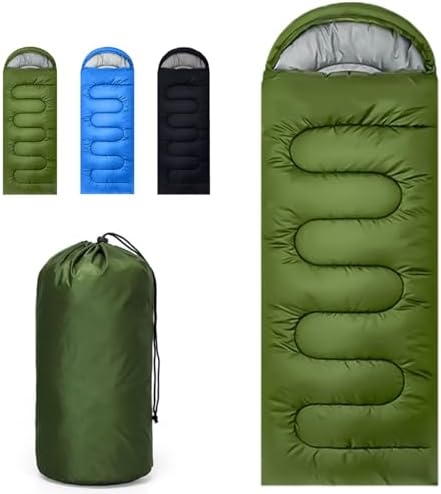

Temperature ratings play a significant role in choosing a sleeping bag, as they inform users of the lowest temperature at which the bag will keep the body warm. A sleeping bag's temperature rating is influenced by factors such as insulation type, bag shape, and individual warmth levels. Therefore, novice outdoor enthusiasts must consider these ratings when selecting a bag to ensure it meets their specific needs during their planned expeditions. In the following sections, we will delve deeper into temperature ratings and how to interpret them to enhance your comfort while camping or backpacking.
Understanding Temperature Ratings
Temperature ratings play a pivotal role when selecting the appropriate sleeping bag. These ratings serve as indicators of the lowest temperatures in which a sleeping bag can efficiently retain heat, ensuring a warm and comfortable sleeping environment. For beginners, understanding these ratings is crucial for enhancing the outdoor experience, particularly during cooler climates.
Manufacturers utilize a standardized testing method to determine temperature ratings, often guided by various regulatory frameworks. One commonly used standard is the EN 13537 (European Norm), which evaluates sleeping bags across several parameters, including the textiles’ insulation properties and the design of the bag itself. This rating system categorizes sleeping bags into different comfort levels, typically divided into three main classifications: the lower limit, the comfort rating, and the extreme rating. The lower limit indicates the minimum temperature at which a user can sleep comfortably while the comfort rating suggests the ideal temperature for a restful sleep. The extreme rating denotes the temperature threshold endured for survival, but it may not provide comfort.
It is also important to note that individual tolerance to cold varies. Factors such as personal metabolism, clothing, and even the sleeping pad used can influence actual performance. Because of these variations, it is wise for users to seek sleeping bags with ratings that offer a safety buffer. For example, if a camping trip is planned for a location where temperatures may drop to 20°F, a sleeping bag rated for 10°F would be more suitable. This ensures not only adequate warmth but also contributes to an overall better sleep.
Ultimately, being informed about these temperature ratings empowers adventurers to make educated decisions when selecting their gear, which significantly enhances their outdoor experiences.
Types of Sleeping Bag Temperature Ratings
When choosing a sleeping bag, understanding the various types of temperature ratings is crucial for ensuring comfort and safety during outdoor activities. Sleeping bags are typically categorized into three main types based on the seasons they are designed for: summer, three-season, and winter. Each type is tailored for specific temperature ranges and conditions.
Summer sleeping bags are designed for warmer weather, with temperature ratings typically ranging from 35°F (1.6°C) and above. These bags are often lightweight and feature breathable materials to enhance ventilation and comfort. They are perfect for camping in late spring and summer months when the nights are milder, allowing users to stay cool without feeling overheated.
In contrast, three-season sleeping bags are versatile options suitable for spring, summer, and fall. Their temperature ratings generally lie between 20°F (-6.7°C) to 35°F (1.6°C). These bags offer a good balance of insulation and weight, with designs that prevent heat loss while also maintaining breathability. Three-season bags are commonly used by casual campers and backpackers who may encounter a range of temperatures but do not need the extreme protection of winter sleeping bags.
Winter sleeping bags are engineered for cold conditions, featuring temperature ratings below 20°F (-6.7°C) and can often accommodate much lower temperatures. These bags are equipped with heavier insulation and often include features like draft collars and hoods to minimize heat loss and maximize warmth. Ideal for winter camping or mountaineering, they ensure that even in frigid climates, the user can enjoy a comfortable night’s sleep.
When selecting a sleeping bag, understanding the temperature ratings is crucial. Several factors influence these ratings, which in turn determine the bag's performance in various weather conditions. One primary factor is the insulation material used in the sleeping bag. Sleeping bags typically feature either down or synthetic insulation. Down insulation offers exceptional warmth-to-weight ratios and compressibility, making it a popular choice for backpackers. However, it loses its insulating properties when wet, which can be a drawback in humid conditions. On the other hand, synthetic insulation retains insulating capabilities even when damp, making it suitable for wet environments, although it may be heavier and bulkier.
The shape of the sleeping bag also plays an essential role in temperature ratings. Mummy bags, for instance, are designed to hug the body closely, trapping heat more effectively and reducing cold spots. This design is optimal for colder conditions. Conversely, rectangular sleeping bags offer more space and comfort, but may not retain heat as efficiently, resulting in a potentially lower temperature rating. Therefore, campers must assess their comfort preferences against warmth needs.
Additionally, the weight of the sleeping bag can impact temperature performance. Lighter bags may sacrifice some insulation, necessitating careful consideration when assessing temperature ratings. Furthermore, the age of the sleeping bag contributes to its thermal efficiency. Over time, both down and synthetic materials can lose their insulating properties, diminishing warmth. Thus, potential users should evaluate both the quality and age of the bag they intend to use.
How to Interpret Temperature Ratings
When selecting a sleeping bag, understanding temperature ratings is crucial to ensure comfort and safety during your outdoor adventures. These ratings are typically assigned based on the bag’s insulation capability and are categorized into three main types: comfort, limit, and extreme ratings. However, it's important to note that many sleeping bags are often marketed with a focus on the 'survivor' level rather than the ideal conditions for a restful sleep. Therefore, the comfort rating is the most relevant figure for novices and seasoned campers alike.
The comfort rating indicates the lowest temperature at which an average adult can expect to sleep comfortably. Conversely, the limit rating is the temperature at which an individual might survive without suffering hypothermia, albeit potentially uncomfortably. Finally, the extreme rating highlights the temperatures in which the sleeping bag can offer minimal protection against the cold, reinforcing that this should not be a target for sleep.
To select the appropriate sleeping bag, it is essential to consider personal comfort preferences alongside individual sleeping habits. Factors such as body temperature regulation, preferred sleeping position, and whether you tend to be a warm or cold sleeper should inform your decision. Some individuals might find cooler temperatures more comfortable, while others may require additional insulation. Additionally, consider the type of insulation used—natural down vs. synthetic—as this can influence both the weight and packability of the sleeping bag. Checking user reviews and testing the sleeping bag in various conditions will further aid in understanding how well a specific model conforms to your personal needs and expectations.
Ultimately, combining your knowledge of temperature ratings with self-awareness will guide you in choosing a sleeping bag that ensures a restful night’s sleep, regardless of the outdoor environment you encounter.
Personal Factors to Consider When Choosing a Sleeping Bag
When selecting a sleeping bag, it is essential to consider various personal factors that can significantly influence comfort and suitability during use. One primary aspect is the individual's comfort preferences. Different people have diverse expectations regarding how snug or spacious they want to feel inside their sleeping bags. For instance, some may prefer a form-fitting design that provides a sense of security, while others might opt for a more roomy option that allows for easy movement.
Additionally, the user's typical sleeping position can affect their choice. Side sleepers may require a sleeping bag that accommodates freedom of movement in the hips and shoulders, while back sleepers might find that standard bags adequately meet their needs. Stomach sleepers, conversely, might prefer a design that reduces bulk around the body to avoid discomfort while lying on their stomach. Understanding one's sleeping style is crucial in identifying the right sleeping bag for optimal comfort.
Body temperature regulation is another significant factor to take into account. Every individual possesses unique thermoregulation capabilities, which can determine how well they retain warmth. Users who generally sleep hot may seek sleeping bags that incorporate breathable materials or have a more open construction. In contrast, those who naturally feel cold may benefit from bags designed with enhanced insulation and adjustable features to trap warmth effectively.
Finally, it is important to identify whether an individual tends to sleep hot or cold. Recognizing personal temperature preferences can guide the selection of specific temperature ratings or insulation types within sleeping bags, thereby ensuring a comfortable sleeping experience regardless of environmental conditions. By considering these personal factors, consumers can make informed decisions that enhance their outdoor sleeping experience.
Best Practices for Using Sleeping Bags in Different Conditions
When embarking on outdoor adventures, understanding the proper use of sleeping bags in varying conditions is paramount for ensuring a restful night’s sleep. To maximize warmth and comfort, it is essential to consider both the temperature ratings and the specific environmental factors at play. Proper layering is one of the most effective strategies to achieve this. For instance, wearing moisture-wicking base layers contributes to retaining body heat while minimizing sweat accumulation. By preventing dampness, users can significantly enhance their sleeping experience.
In extremely cold conditions, it can be beneficial to add a sleeping bag liner. These liners can boost the thermal efficiency of the sleeping bag while providing an additional layer of insulation. Not only do liners increase warmth, but they are also easier to clean than the sleeping bag itself, which can be cumbersome when nature calls. Furthermore, selecting a liner made from materials such as fleece or silk can afford users extra warmth and a comfortable feel against the skin.
Additionally, packing techniques play a critical role in optimizing warmth. When setting up camp, allow ample time to create insulating layers under the sleeping bag. A sleeping pad or insulated air mattress will help separate the user from the cold ground, while also significantly cushioning the experience. Organizing gear by placing heavier items near the bag can further minimize heat loss by creating a barrier against the cold, especially during transition times between activities.
Ultimately, appropriate preparation combined with effective layering techniques, the use of liners, and thoughtful packing strategies allows for heightened comfort in varying temperatures. Outdoor enthusiasts looking to enhance their sleeping arrangements should consider these best practices for an improved experience.
Common Mistakes to Avoid When Choosing a Sleeping Bag
Choosing the right sleeping bag is crucial for a comfortable night’s sleep in the great outdoors, yet many beginners fall prey to common mistakes that can lead to an unsatisfactory experience. One prevalent misconception is overestimating the warmth provided by a sleeping bag based on its temperature rating. While these ratings give a good starting point, they are merely guidelines and may not accurately reflect how warm a bag will keep an individual based on personal factors such as metabolism, clothing worn during sleep, and humidity levels in the environment.
Another frequent oversight is neglecting the importance of proper sleeping bag maintenance. Many users tend to disregard the care requirements of their sleeping bags. Regular cleaning and proper storage are essential for preserving the insulation and overall structure of the bag. Failing to maintain the sleeping bag can lead to a significant reduction in its thermal efficiency, thus compromising the comfort necessary for a good night’s sleep.
Additionally, many beginners underestimate the impact of supplementary gear, such as sleeping pads and tents, on overall warmth. A high-quality sleeping pad acts as a barrier between the cold ground and the sleeping bag, serving to minimize heat loss. Consequently, investing in a good pad is just as important as selecting the correct sleeping bag. Similarly, the choice of tent can affect warmth; a well-insulated tent can retain heat much better than a poorly designed one, leading to a more comfortable temperature inside. Therefore, it is crucial to consider these factors holistically to ensure that all components work together effectively.
Conclusion and Recommendations
Choosing the right sleeping bag is a critical aspect of ensuring comfort during your outdoor adventures. The temperature rating system serves as a crucial guideline to help you select a sleeping bag that will keep you warm enough without overheating. Throughout this blog post, we have emphasized the importance of understanding these ratings and how they relate to various environments and personal preferences.
When selecting a sleeping bag, consider factors such as the season in which you plan to camp, your tolerance to cold, and the type of insulation—whether down or synthetic. Each material offers distinct advantages; for instance, down is lightweight and compressible but performs poorly when wet, whereas synthetic materials offer better insulation in damp conditions but may be bulkier. Striking the right balance between weight, packability, and warmth is essential for a satisfying camping experience.
For those new to camping, we recommend a three-season sleeping bag that can handle temperatures as low as 20°F. This will provide a solid buffer for most outdoor conditions. Brands such as The North Face, REI Co-op, and Marmot offer top-rated models that align with this temperature rating. For warmer climates, a summer bag rated for 30°F to 50°F can be suitable, while winter campers should invest in bags with ratings below 0°F to withstand harsher conditions.
In conclusion, taking the time to understand temperature ratings and how they apply to your specific needs will empower you to make informed decisions when purchasing a sleeping bag. By choosing a well-suited option, you can enhance your outdoor experience, ensuring comfort and warmth during your adventures. Happy camping!

0 Comments