Understanding the Purpose of a Breast Pump
A breast pump is a valuable device designed to extract milk from a nursing mother’s breasts, providing a convenient means for moms to enjoy the benefits of breastfeeding even when they are not directly nursing their infants. For new mothers, understanding the primary functions of a breast pump is essential in determining if it aligns with their breastfeeding goals.
One of the significant benefits of using a breast pump is that it allows mothers to supply expressed milk for their babies. This can help maintain a breastfeeding routine, especially when the mother needs to return to work or is separated from her infant for extended periods. Additionally, using a breast pump can provide an opportunity for partners to participate in feeding, thereby enhancing family bonding moments.

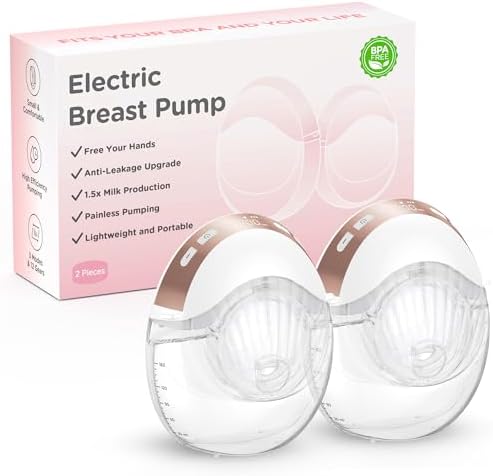


Moreover, there are different scenarios in which pumping may be advantageous. For instance, pumping for feeding can ensure that a baby receives the necessary nutrition while allowing the mother some flexibility. Alternatively, moms might pump for storage, creating a reservoir of milk that can be used later for feedings. This practice is beneficial if a mother has an oversupply of milk or wants to supplement feedings with expressed milk.
Ultimately, the choice of when and how to use a breast pump is a personal decision influenced by various factors. Each mother's experience may differ based on her situation and breastfeeding goals. Consequently, understanding the purpose of a breast pump can guide new mothers in aligning their breastfeeding journey with their lifestyle and needs. Such comprehension is vital for maximizing the beneficial impacts of breastfeeding on both the mother and the baby.
Types of Breast Pumps Available
Choosing the right breast pump can significantly impact a new mother’s breastfeeding experience. With several types available, understanding their functionalities and benefits is crucial. The three primary categories of breast pumps include manual, electric, and hospital-grade pumps.
Manual breast pumps operate mechanically, utilizing a hand-held device to create suction. They are often lightweight, portable, and relatively low-cost, making them an appealing option for mothers who require occasional pumping. However, using a manual pump can be labor-intensive and may not be ideal for those needing to express milk frequently or efficiently. Manual pumps are best suited for mothers who plan to pump infrequently or are on the go.
Electric breast pumps, which can be single or double pumps, are powered by electricity or batteries. These pumps offer a more efficient means of expressing milk, providing a consistent and adjustable suction level. Many new mothers find electric pumps easier to use, as they require less physical effort than manual options. They are ideal for those who need to pump regularly, whether due to returning to work or establishing a milk supply. As electric pumps can vary in price and features, mothers should consider their pumping frequency and personal budget when selecting one.
Hospital-grade breast pumps, classified as the highest quality, are designed for frequent use and can be rented or purchased. These pumps are typically more powerful and efficient, making them suitable for mothers with specific challenges, such as preterm infants or low milk supply. Hospital-grade pumps can accommodate multiple users, ensuring that mothers receive optimal performance and results during each pumping session.
Consider Your Pumping Frequency and Duration
When selecting the appropriate breast pump, new mothers must consider their anticipated pumping frequency and duration. This decision hinges on various factors, including the baby's feeding schedule, the mother's return to work, and overall lifestyle. Understanding these elements can significantly influence the effectiveness and convenience of the pumping experience.
The frequency of pumping sessions can vary widely from mother to mother. For instance, some may pump several times a day to maintain milk supply or provide expressed milk for their babies. In contrast, others may only require occasional pumping, such as when managing short outings or preparing for a return to the workplace. For those who plan to pump regularly, a double electric breast pump may be more advantageous, as it allows for simultaneous pumping from both breasts, significantly reducing the time required for each session.
Duration of each pumping session is equally important. If a mother intends to pump for extended periods, factors like pump speed, suction strength, and comfort features should be closely examined. High-quality breast pumps often provide adjustable settings, enabling mothers to customize the experience based on their unique needs. Furthermore, frequent, shorter sessions might warrant a portable or manual breast pump, which can be used on-the-go, accommodating a lifestyle that includes travel or busy schedules.
In addition to these individual factors, mothers should also keep in mind their baby's feeding schedule. Whether breastfeeding exclusively or incorporating formula can influence how often and for how long pumping is needed. By assessing pumping frequency and duration thoughtfully, new moms can choose a breast pump that best fits their lifestyle, ensuring a smoother and more efficient breastfeeding journey.
Assessing Your Budget for a Breast Pump
When selecting a breast pump, evaluating your budget is a critical step that can influence your choice significantly. Breast pumps vary widely in price, with manual pumps typically costing between $20 to $50, while electric or hospital-grade pumps can range from $100 to over $500. Understanding this price spectrum can help narrow your options to those that fit your financial situation.
Before deciding on a specific pump, it is advisable to check whether your health insurance covers any of the costs associated with purchasing a breast pump. Many insurance plans do cover breast pumps as part of maternity benefits, allowing new mothers to access various options at either a reduced cost or with no out-of-pocket expense. To take advantage of this, it is essential to contact your insurance provider ahead of time to inquire about their specific policies and any required documentation.
While considering a breast pump, keep in mind that the cheapest option may not always be the best choice for your needs. Pumps with advanced features—such as adjustable suction levels, double electric pumps for efficient milk expression, and quiet operation—often come with higher price tags. Evaluating these features in relation to your personal needs, such as frequency of use and comfort, may justify a higher investment. For instance, if you plan to return to work and will be pumping regularly, a more expensive, high-quality breast pump may provide better performance and comfort over time.
Categorizing your needs and balancing them against your budget will help ensure that you make an informed decision, leading to a more satisfying experience with your chosen breast pump.
Researching Brand Reputations and Reviews
When selecting a breast pump, thorough research into brand reputations and customer reviews is essential. With an array of options available in the market, understanding which brands are recognized for their quality and reliability can significantly influence your choice. Start by identifying well-established brands in the breast pump industry. Look for companies with a long history of creating reliable and effective products. This can be indicative of their commitment to quality and customer satisfaction.
To gather comprehensive insights, utilize multiple platforms for reviews. Reputable websites such as consumer product review platforms, parenting forums, and social media groups dedicated to new mothers provide detailed feedback about various breast pumps. Additionally, official manufacturer websites often feature customer testimonials. Analyzing this feedback can help you gauge the level of satisfaction among fellow users and identify common issues or highlights associated with specific models.
While reading reviews, pay attention to specific features valued by other mothers, such as ease of use, portability, battery life, and maintenance demands. Many reviews also report on the comfort of the breast pump, which can affect your milking experience significantly. It is beneficial to look for reviews that share both positive and negative experiences, as this balance will give you a realistic expectation of the product's performance.
Also, consider reaching out to friends or acquaintances who have used various breast pumps. Personal recommendations can often provide valuable insights that online reviews may not cover. Ultimately, taking the time to research brand reputations and consumer feedback can greatly assist in your decision-making process when choosing the right breast pump suited to your needs.
Trying Before Buying: Rental Options and Trials
When seeking the right breast pump, new mothers often encounter uncertainty regarding which model will best suit their needs. One viable option to alleviate this is to consider rental programs or available trial periods offered by various brands. Renting a breast pump allows mothers to test different models without committing to a purchase, thereby reducing financial pressure while determining what works best for them.
Several healthcare facilities and authorized retailers offer breast pump rentals, typically featuring hospital-grade options. These models are often more powerful than standard home versions, making them ideal for mothers who need to establish or maintain their milk supply. Renting provides the opportunity for mothers to experience the efficacy of different pumps, which can be particularly valuable if they are unsure of what features will be most beneficial.
Additionally, some manufacturers provide trial periods for their breast pumps. During these trials, mothers can use the pump for a limited time, assessing its comfort, efficiency, and ease of use. This hands-on experience offers insights that may be overlooked when simply reading product descriptions or reviews. Moreover, the trial option can significantly influence the decision-making process, granting mothers the confidence needed before making a financial commitment.
Both renting and trial opportunities are sensible strategies for new moms entering the breastfeeding journey. They empower women to make informed decisions based on personal experience rather than solely on recommendations or marketing claims. Ultimately, exploring these options can lead to greater satisfaction, ensuring that mothers choose a breast pump that aligns perfectly with their lifestyle and breastfeeding goals.
Understanding the Importance of Comfort and Fit
Choosing the right breast pump is not solely about functionality; comfort plays a crucial role in the overall pumping experience. Many new mothers may overlook this aspect while selecting a breast pump, but ensuring comfort during pumping can significantly affect both the frequency and duration of use, which in turn can impact milk supply and breastfeeding success.
The fit of the breast shield is one of the most vital factors that contribute to comfort. A breast shield that is too small or too large can cause discomfort and reduce the effectiveness of the pump. For optimal results, it is essential to measure the nipple size correctly. Many brands offer a range of breast shield sizes, and using the right size can help minimize pain and engorgement symptoms.
When selecting a breast pump, it is advisable to look for features that allow customization. Adjustable suction levels and speed settings are essential as they provide options for mothers to find the most comfortable rhythm. Experimenting with different suction strengths can also aid in achieving a more effective pumping experience. For example, starting with a gentle suction and gradually increasing it once let-down occurs can promote relaxation, leading to greater milk output.
Furthermore, make time for regular breaks during pumping to relieve discomfort. This can help prevent sore nipples and maintain an enjoyable experience. Using a pumping bra can also assist in achieving a hands-free experience, significantly enhancing comfort. By understanding the significance of comfort and fit, mothers can make informed decisions about which breast pump is best suited to their individual needs, ensuring a more positive breastfeeding journey.
Reviewing Additional Features to Consider
When selecting a breast pump, new mothers should take into account several additional features that may enhance their overall pumping experience. One of these features is adjustable suction settings. Many modern breast pumps offer multiple levels of suction strength, allowing mothers to customize their pumping sessions for optimal comfort and efficiency. This is particularly important as sensitivity levels can vary significantly between individuals, making adjustable settings a valuable feature for both ease and effectiveness.
Portability is another critical factor. For mothers leading a busy lifestyle or those who may need to pump while away from home, choosing a lightweight and compact breast pump may be essential. Some pumps are designed for greater mobility, featuring battery-operated options or a small, discreet profile that can easily fit into a diaper bag. Given the need for flexibility in handling everyday tasks, this feature can significantly ease the breastfeeding journey.
Ease of cleaning should also be considered when evaluating breast pumps. Pumps with fewer parts or those designed for quick disassembly can streamline the cleaning process, making it less time-consuming—a factor that many new mothers greatly appreciate, especially during the demanding early months of motherhood. In addition, investing in pumps that are dishwasher-safe can further enhance convenience.
Lastly, compatibility with storage bags is an essential aspect for mothers planning to store pumped milk efficiently and safely. Some pumps come with specialized adapters that allow them to connect seamlessly with various milk storage bags. This feature can facilitate a smoother transition from pumping to storing milk, ensuring that mothers can easily access and preserve their milk supply for their babies.
By carefully considering these additional features, new moms can choose a breast pump that not only meets their fundamental requirements but also enhances their overall breastfeeding experience.
Making the Final Decision on Your Breast Pump
Choosing the right breast pump is a crucial step in supporting your breastfeeding journey as a new mother. After considering various factors, including pump types, features, and personal preferences, it is important to take a moment to weigh these elements carefully before making your final decision. Each mother's experience and needs are unique; hence, the right pump for one may not be suitable for another.
Begin by reflecting on your breastfeeding goals and lifestyle. Are you planning to return to work soon, or do you intend to breastfeed exclusively at home? Your pumping schedule and frequency will play a significant role in determining the most suitable breast pump for you. If you anticipate frequent use, an electric model may be more efficient compared to a manual pump, which is often better for occasional use.
Next, consider your comfort and ease of use with the pump. Comfort features such as adjustable suction levels and flange sizes should not be overlooked, as they can enhance your overall experience. Read reviews and gather anecdotal evidence from friends or online communities to gain insights into how different models perform in real-life scenarios.
Finally, budget constraints may also affect your decision. While some higher-end models offer advanced features and greater efficiency, there are many effective options available at more accessible price points. Do not hesitate to explore rental options if that suits your needs better.
Ultimately, the best breast pump is the one that aligns with your breastfeeding goals, is comfortable, and fits within your budget. Taking the time to evaluate these aspects thoughtfully will lead to a more satisfying and successful breastfeeding experience for both you and your baby.




0 Comments