Introduction to Minimalist Bug Out Kits
A minimalist bug out kit is a compact collection of essential items designed to support an individual in emergency situations, enabling them to evacuate quickly and efficiently. The principle behind a minimalist bug out kit lies in prioritizing functionality over quantity. In scenarios where time is critical, such as natural disasters, civil unrest, or other unexpected incidents, having a well-thought-out kit can mean the difference between safety and danger.
The essence of a minimalist approach in emergency preparedness is to streamline your supplies into only what is necessary to ensure survival and well-being in the short term. Rather than attempting to include every potential need, a minimalist bug out kit focuses on fundamental items: food and water, shelter, medical supplies, and tools for protection and navigation. Each item in the kit should serve multiple purposes, maximizing its utility while minimizing the overall size and weight of the kit.
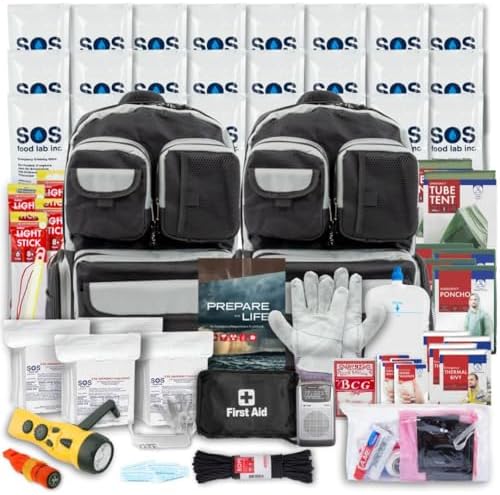
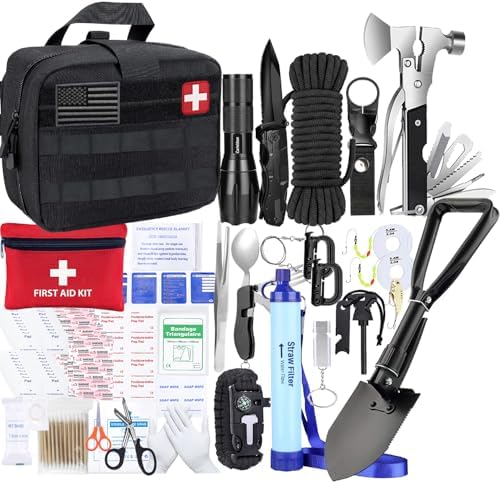

Moreover, minimalist bug out kits align well with the concept of efficiency, which is crucial during a crisis. These kits should be easy to transport, allowing for swift movement and adaptability to changing circumstances. They are ideally kept in a designated location for quick access, ensuring that an individual can respond rapidly when the need arises. Consequently, the design and composition of a bug out kit should reflect personal circumstances, such as geographical location, health considerations, and individual survival skills.
In essence, a minimalist bug out kit is an invaluable resource for preparing oneself for unpredictable emergencies. By focusing on essential items and ensuring that they are easily accessible and functional, an individual can enhance their chances of managing unexpected challenges effectively. Understanding the components of a minimalist bug out kit is the first step toward creating one that meets specific personal needs and enhances overall preparedness.
Assessing Your Personal Needs
When embarking on the journey to create an effective minimalist bug out kit, the first crucial step is to assess your personal needs. This process is not merely a one-size-fits-all approach; rather, it involves thorough consideration of various factors such as lifestyle, environment, and potential emergency scenarios that you may encounter.
Your lifestyle plays a pivotal role in determining the contents of your bug out kit. For instance, if you live in a rural area where natural disasters such as floods or wildfires are prevalent, your kit should consist of items that cater to those specific threats. Conversely, urban dwellers might focus on preparations for civil disturbances or power outages. Identifying your primary risks based on your living situation is essential for effective preparation.
Environmental factors must also be taken into account. The geographical location significantly impacts what items are necessary in a bug out kit. For example, those in cold climates may require additional thermal gear and food that can withstand low temperatures, while individuals in hot, humid regions should ensure ample hydration options and items to protect against heat-related illnesses.
Furthermore, personal health issues can influence what specific items should be included. Individuals with allergies, chronic illnesses, or special medication needs should prioritize including essential medications and health supplies in their kits. This focus on personal circumstances enables individuals to craft a bug out kit that is tailored to their unique situations, ensuring preparedness in times of need.
Ultimately, conducting a personal needs assessment will enhance the effectiveness of your bug out kit, allowing it to serve as a reliable resource during emergencies. By understanding your specific lifestyle, environmental challenges, and health requirements, you can thoughtfully select items that will provide the greatest support when unexpected situations arise.
Choosing the Right Container
When assembling a minimalist bug out kit, selecting the right container is a fundamental step. The ideal bag or container should balance size, weight, durability, and comfort while also ensuring maximum functionality.
The first consideration is size. Ideally, the container should be large enough to accommodate essential items, yet small enough to allow for ease of transport. A compact design can facilitate movement in uncertain environments, which is critical during emergencies. Aim for a size that can hold necessary tools, food, water, and additional supplies without being cumbersome.
Weight is another critical factor; a lightweight container is preferable for quick mobility. Heavy bags can be tiring and detract from the efficiency of a bug out plan. Materials such as nylon or polyester are often recommended because they combine durability with low weight. Ensuring that your chosen bag does not contribute excessive weight will improve your overall readiness and comfort levels.
Durability cannot be overlooked in the selection process. The container must withstand various environmental conditions, including rain, dirt, and physical stress. Look for bags that feature waterproof materials or water-resistant coatings to protect the items inside. Reinforced stitching and sturdy zippers add to the longevity, making it suitable for ongoing use.
Comfort is also paramount, especially if the bug out is prolonged. Ergonomic features such as padded shoulder straps and adjustable belts can help distribute weight evenly. This not only eases strain on the body but also allows for prolonged carrying without fatigue.
Lastly, while you want a compact kit, it is equally essential to maximize functionality. Consider containers with multiple compartments or compartments that can be accessed quickly. This organization will help ensure that you can find supplies efficiently during a crisis.
Essential Gear and Supplies
Building a "God-Tier" minimalist bug out kit necessitates including essential gear and supplies that are both strong and versatile. This section outlines must-have items categorized for efficient emergency preparedness.
Shelter: A lightweight, portable tarp or a bivvy sack is crucial for protection against the elements. These items offer significant versatility in various environments, enabling quick and effective shelter setup.
Food: Non-perishable food items, such as high-calorie energy bars and freeze-dried meals, should be prioritized for inclusion. They should be lightweight and compact, ensuring that they do not consume valuable space while providing the necessary energy during emergencies.
Water Purification: A compact water filter or purification tablets is essential for ensuring access to safe drinking water. Contaminated water can lead to severe health risks, making this item indispensable for a bug out kit.
Tools: A multi-tool is a cornerstone of any bug out kit, combining multiple functions such as cutting, screwing, and opening cans into one lightweight package. Additionally, a sturdy folding knife enhances versatility and aids in various tasks, from food preparation to shelter building.
First Aid: An adequately stocked first aid kit is vital for addressing potential injuries. It should include bandages, antiseptics, pain relievers, and any necessary personal medications, ensuring prompt care during crises.
Self-Defense: Depending on personal preference and local laws, including a pepper spray or compact tactical flashlight can enhance personal safety. These items are lightweight and suitable for various encounters, providing peace of mind when navigating uncertain environments.
Each of these essential items collectively contributes to a minimalist bug out kit designed not only for survival but also for efficient usage under pressing circumstances. Careful categorization and selection ensure that each component maximizes preparedness and functionality.
Optimizing Space and Weight
When constructing a minimalist bug out kit, the optimization of space and weight is paramount. First and foremost, assessing and prioritizing items is crucial. Begin by identifying essentials that serve multiple purposes. For instance, a multi-tool can replace various single-function tools, thus reducing bulk. Always remember that each item should contribute to the overall functionality of your kit.
Next, consider the use of compact and lightweight gear. Modern advancements have produced numerous materials and designs that allow for high performance without the associated weight. When selecting gear, prioritize those that are versatile and can cater to multiple scenarios, such as a sleeping bag that can double as a blanket or a pot that can serve as both cooking and water storage equipment.
Packing techniques also play a pivotal role in optimizing your bug out kit. Employ the method of rolling clothing instead of folding, as this can save considerable space. Utilizing the empty spaces within larger items, such as stuffing clothes into a backpack or a cooking pot, can maximize available space. Compression bags are a useful tool for containing clothing and smaller items, ensuring you can reduce both size and weight without sacrificing the number of essential supplies.
Strategic placement of items within your bug out kit enhances accessibility. Keep frequently required items near the top or in external pockets for quick access during emergencies. Conversely, heavier items should be placed at the bottom of the kit to promote stability while carrying. By implementing these packing strategies and prioritizing the function and versatility of each component, you will create a bug out kit that is not only efficient but also incredibly practical in various situations.
Final Touches: Personalization and Customization
Assembling a bug out kit is not solely about gathering essential survival tools; it's equally critical to personalize and customize the kit to meet individual needs and preferences. While practicality is paramount, incorporating personal items can significantly enhance one's emotional resilience during high-stress situations. A thoughtful approach to personalization can make the bug out kit feel more like home, which is instrumental for maintaining mental well-being amidst chaos.
Start by considering items that hold sentimental value. For instance, including a favorite family photo or a small token representing loved ones can provide instant comfort. These objects serve as reminders of safety and connection and can help to anchor one's thoughts during moments of uncertainty. It is crucial to choose items that resonate emotionally, as they can provide crucial psychological support in challenging times.
Additionally, comfort items, such as a small blanket, a beloved book, or a journal can play a pivotal role. These items not only help to ward off feelings of anxiety but also offer distractions and moments of solace. Particularly in high-stress scenarios, such personal touches can uplift one's spirits and foster a sense of normalcy.
Furthermore, consider customizing survival gear with personal enhancements. This could include adding a monogram to a backpack, inscribing motivational quotes onto gear, or incorporating tools that reflect personal hobbies and interests. This level of thoughtfulness can enhance the user's sense of ownership over the kit, making them more prepared and mentally equipped to face a crisis.
Ultimately, personalizing and customizing a bug out kit transforms it from a mere collection of supplies into a cohesive support system tailored to an individual’s specific situation. This elevated level of preparedness ensures both functional success and emotional readiness during unforeseen emergencies.
Creating a Grab-And-Go Plan
Establishing a well-thought-out grab-and-go plan is crucial for effectively utilizing a minimalist bug out kit during emergencies. The foundation of such a plan centers on a few core principles: preparedness, practice, and situational awareness. The first step is to define your evacuation route. Familiarize yourself with multiple paths to safety, taking into consideration various scenarios such as natural disasters or civil unrest. Equally important, ensure that all family members are well-informed about these routes, so everyone knows exactly where to go in case of an emergency.
Once the routes are clear, it’s essential to practice evacuating with your bug out kit. Regular drills not only build confidence but also help identify any potential issues with the evacuation process. During these practice scenarios, pay attention to what items in your kit are tested, evaluating their usefulness and your comfort with them. The time taken during drills can reveal if your plan requires adjustments. Rushing can lead to overlooking critical items or forgetting emergency contacts.
Moreover, situational awareness plays a vital role in any grab-and-go plan. Keeping abreast of local news and understanding the risks specific to your area will empower you to react promptly when an emergency arises. Additionally, consider the likelihood of an evacuation in different circumstances; for instance, are there local wildfires, flood risks, or civil disruptions? Take these factors into account when determining how much time you realistically have to grab your kit and evacuate.
In developing this plan, ensure that it is easily accessible, perhaps kept in physical form at home and electronically on mobile devices. Finally, regularly review and update your grab-and-go plan and its accompanying kit as circumstances change. Having a robust, practiced plan will provide peace of mind, equipping you to handle a variety of emergencies effectively.
Maintenance and Regular Updates
Creating a comprehensive bug out kit is only the first step in ensuring your survival preparedness. Regular maintenance and updates to your kit are crucial to guarantee that it remains effective and suited to your evolving needs. It is advisable to schedule periodic checks of your bug out kit to assess its contents for any items that may have deteriorated, expired, or become obsolete due to changes in personal circumstances or environmental factors.
One of the most important aspects of your kit's maintenance is monitoring expiration dates on perishable items. Food rations, medical supplies, and even batteries have specific shelf lives that must be adhered to. It is essential to remove any expired items and replace them with new equivalents to ensure that you are always equipped with usable supplies should an emergency arise. This practice not only keeps your kit functional but also provides peace of mind knowing that you are well-prepared.
Additionally, as your lifestyle or requirements change, so too should your bug out kit. Consider the potential threats specific to your area, whether they are natural disasters, civil unrest, or other emergencies. Make necessary adjustments to your kit based on these assessments. For instance, if you have recently welcomed a new family member, you may need to include additional personal supplies such as baby items or medications. Taking the time to review and adjust your kit creates a customized solution that caters to your current situation.
Incorporating a routine maintenance schedule into your preparedness strategy ensures that your bug out kit is always up-to-date and ready for any unforeseen circumstances. This proactive approach will not only enhance your safety but also empower you with confidence in your preparedness efforts.
Conclusion and Next Steps
In conclusion, having a well-prepared minimalist bug out kit is not just a luxury, but rather a vital necessity in today’s unpredictable world. The key points discussed throughout this post highlight the importance of being equipped with essential survival items that can sustain you in emergencies. A 'God-Tier' bug out kit, assembled in under 30 minutes, serves as a valuable asset that empowers individuals to face unexpected situations with confidence and assurance.
As outlined, the core elements of your minimalist bug out kit include essential tools, food supplies, water filtration systems, first-aid supplies, and reliable means of communication. Each component holds significant importance in ensuring your safety and well-being during a crisis. By streamlining your selection, you not only optimize your preparedness but also make it easier to grab your kit in a hurry, which is crucial in an emergency scenario.
Now is the time to take definitive action. Start gathering the items needed for your bug out kit today, relying on the guidelines laid out in this blog post. To simplify the process, here is a final checklist to help you get started:
- First-aid supplies (bandages, antiseptic, etc.)
- Non-perishable food items (energy bars, freeze-dried meals)
- Water filtration system (straw filters, purification tablets)
- Multipurpose tools (knives, multi-tools)
- Portable flashlights or headlamps
- Emergency blankets and fire-starting tools
- Map and compass for navigation
- Personal identification documents and funds
In essence, being prepared not only enhances your safety but also fosters a sense of peace of mind. The process of building your bug out kit, while simple, is an empowering step toward self-reliance. Start today, and take control of your preparation for whatever the future may hold.

0 Comments