Introduction to Bug Out Kits
A bug out kit is a collection of essential items that individuals prepare in advance for emergencies, allowing for a rapid evacuation if necessary. This kit serves as a personal safety net, ensuring that a person has immediate access to critical survival tools and supplies in unforeseen situations, such as natural disasters, civil unrest, or other emergencies. The primary objective of a bug out kit is to equip individuals with the means to survive and navigate through challenging circumstances.
In recent years, the importance of such kits has become increasingly recognized, especially as we face unpredictable events. A bug out kit can provide a sense of security, enabling individuals to remain calm and make rational decisions during emergencies. When considering a minimalist approach, the focus shifts from accumulating excessive supplies to selecting only the most vital items that maximize utility and efficiency. Minimalist bug out kits prioritize quality and necessity over sheer quantity, which aligns well with today’s fast-paced lifestyle.
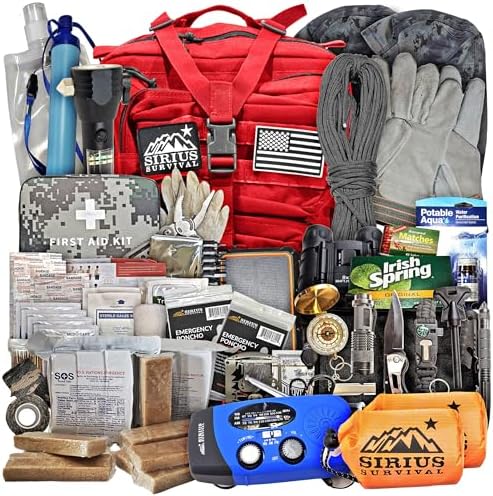
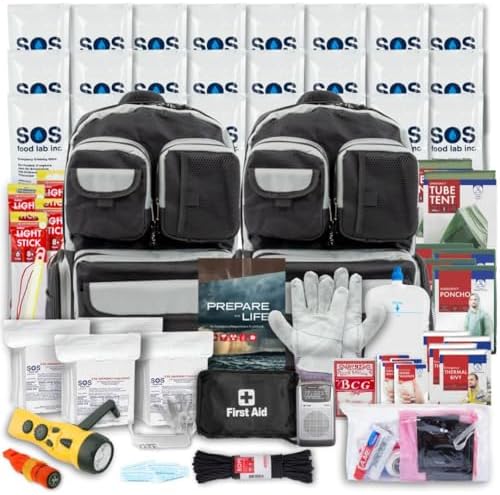
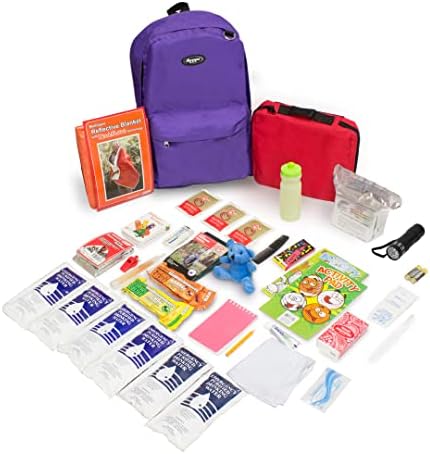
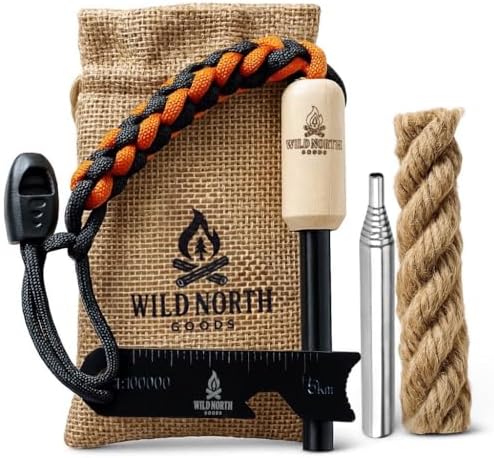
Today's world, characterized by rapid changes and potential threats, makes it imperative for individuals and families to be prepared. A minimalist bug out kit not only simplifies the process of packing but also ensures that critical items are easily accessible and manageable. For many, the thought of assembling a bug out kit can seem overwhelming; however, adopting a minimalist philosophy helps streamline the preparation process. By concentrating on essential gear and reducing clutter, one can quickly assemble a "God-Tier" minimalist bug out kit in under 30 minutes. This concept highlights the importance of readiness and adaptability in modern society.
Essential Elements of a Minimalist Bug Out Kit
Creating a minimalist bug out kit is a critical aspect of ensuring one's survival during emergencies. The selection of items should be based on versatility, weight, and necessity. Here are key components to consider:
Water supply: Staying hydrated is paramount for survival. A portable water filter or purification tablets should be included to ensure access to clean drinking water. Carrying a collapsible water container can also aid in collecting and storing water from natural sources.
Food supplies: The inclusion of non-perishable food items, such as freeze-dried meals or energy bars, is essential. These items are lightweight, compact, and provide the necessary calories to sustain energy levels during a crisis. Additionally, incorporating a small cooking device, like a portable stove, can facilitate meal preparation.
First aid kit: A minimal first aid kit can address basic medical needs. Essential items should include adhesive bandages, antiseptic wipes, pain relievers, and a pair of gloves. Proper medical supplies are crucial to treating injuries and preventing infections.
Fire starter: Having the ability to create fire is vital for warmth, cooking, and signaling for help. A reliable fire starter, such as waterproof matches or a magnesium flint striker, should be included to ensure fire can be made even in adverse conditions.
Shelter materials: Emergency blankets or a lightweight tarp can provide shelter from harsh weather. These materials are compact and can be deployed quickly, offering protection from the elements and enhancing survival chances.
Multi-tool or knife: A robust multi-tool or knife can serve various functions, from preparing food to building shelter. The versatility of such tools makes them invaluable in survival scenarios, reducing the number of separate items required.
In conclusion, a well-curated minimalist bug out kit focuses on essential elements that ensure survival with minimal weight. The items mentioned above not only serve specific purposes but also contribute to overall effectiveness in challenging situations.
Choosing the Right Container
When assembling a minimalist bug out kit, the choice of container plays a pivotal role in ensuring convenience, accessibility, and efficiency during emergency situations. A properly selected container not only holds essential supplies but also impacts your mobility and preparedness. There are a variety of container options, with backpacks and bags being the most popular choices.
Backpacks are often favored for their versatility and ability to distribute weight evenly. They typically come equipped with multiple compartments, which can help in organizing gear, making it easier to access items quickly during a crisis. When selecting a backpack, consider the size; it should be spacious enough to accommodate your essentials without becoming unwieldy. Ideally, look for a backpack with adjustable straps, padded back support, and weather-resistant fabric, ensuring comfort and durability.
Bags, such as duffel bags or tote bags, can also serve as effective containers for emergency supplies. They usually offer a large central compartment, which can be beneficial for storing bulkier items. However, they tend to lack the ergonomic features of backpacks. Therefore, when choosing a bag, ensure that it includes a comfortable shoulder strap and is lightweight, allowing for easy transport in stressful situations.
In addition to personal comfort, evaluate the container's ability to withstand various environmental conditions. A durable, lightweight, and waterproof container will serve better in emergency scenarios. Lastly, ease of organization should be considered. Look for a container that allows for modular storage solutions, enabling you to rearrange items based on your evolving needs. Remember, the key is to strike a balance between functionality and portability in your bug out kit container selection.
Time-Saving Strategies for Assembly
Assembling a "God-Tier" minimalist bug out kit in under 30 minutes demands a strategic approach to both preparation and organization. To maximize efficiency, first make a comprehensive list of essential items that you will need. Focus on the items that prioritize safety, sustainability, and survival, such as first aid supplies, water purification tools, food rations, and multi-tools. This preliminary list not only sets clear expectations but guides your gathering process.
Next, gather all materials beforehand. Utilize containers or bins to categorize each group of items. This pre-assembly organization allows for quick access when it comes time to build your kit. Having everything in one area eliminates unnecessary searching and allows for a straightforward assembly operation. Creating a designated assembly space can also decrease distractions and lead to higher productivity during this critical time constraint.
Prioritization plays a crucial role in the assembly of your bug out kit. Start with core items that everyone in your household requires and then build out from there. For example, if you have limited time, focus first on water-related necessities since hydration is essential for survival. Next, consider the inclusion of tools or shelter items that will facilitate your safety and comfort in an emergency situation.
Finally, practice assembling your kit periodically. Familiarity will breed efficiency, reducing the time it takes to pack in a real-life scenario. Having a dry run will not only help in recognizing what you might be missing but will also ensure you can assemble your kit swiftly and competently under pressure. By employing these time-saving strategies, you can successfully gather materials and assemble your bug out kit with a streamlined approach, all while ensuring that critical items are prioritized and properly organized.
Prioritizing Multitasking Gear
When assembling a minimalist bug out kit, the focus should be on selecting items that can perform multiple functions. This approach not only reduces the overall weight but also enhances the versatility and effectiveness of the kit. Multitasking gear can be invaluable in emergency situations, allowing individuals to adapt to various challenges with minimal resources.
A prime example of multitasking gear is a high-quality multi-tool. Such tools typically combine a knife, screwdrivers, pliers, scissors, and other functionalities into a compact form. This versatility allows for various tasks to be accomplished, from preparing food to making repairs or even self-defense. A reliable multi-tool can significantly streamline your kit by replacing several single-purpose items.
Another essential piece of multitasking gear is a space blanket, which serves multiple purposes. While primarily designed to retain body heat in cold conditions, it can also function as a rain cover, makeshift shelter, or ground cloth. Additionally, its reflective surface can signal for help in dire situations. This lightweight, compact item exemplifies how a single tool can fulfill various needs in survival scenarios.
Water purification methods represent another crucial element to consider when prioritizing multifunctional items. A water filter can not only provide clean drinking water but can also be utilized for cooking, cleaning, or even first aid applications. By ensuring that your bug out kit includes a reliable, compact water purification system, you can address numerous needs that arise when in the wilderness.
By carefully selecting multitasking gear for your bug out kit, you can maximize the functionality and effectiveness of your survival preparations. Each item chosen should be evaluated for its potential to serve more than one purpose, ultimately creating a comprehensive minimalist kit that can adapt to various emergency situations.
Utilizing Local Resources
When constructing a minimalist bug out kit, one of the most prudent approaches is to utilize local resources effectively. This not only minimizes the need for excessive purchases but also fosters a sense of self-sufficiency. Items readily available around your home or community can often fulfill essential roles in a bug out scenario.
First, consider your household items. For instance, large plastic containers can serve as waterproof storage for important gear and supplies. Old backpacks, tote bags, or even suitcases can be repurposed to carry your kit, ensuring that you have a reliable means to transport your essentials. Additionally, unused clothing can double as insulation against the elements; items such as thermal wear and sturdy shoes are critical in tough situations.
Furthermore, tools such as kitchen knives, scissors, and multi-tools often found in the average household can be invaluable in various survival tasks. For example, kitchen utensils can perform multiple functions, from food preparation to minor repairs. Do not overlook the utility of common items like flashlights or candles for emergency lighting, which might already be in your home.
Community resources also play a significant role in building your bug out kit. Check local groups, neighbors, or workshops that may provide valuable items or knowledge. For example, local farmers or gardening groups might offer spare equipment that can be adapted into your survival kit. This can include things like rope, tarps, or even seeds for food production.
Using your existing environment effectively not only saves you money but also enhances your readiness by familiarizing you with the items you have on hand. By creatively integrating these resources into your bug out plan, you enhance your survival capabilities without overwhelming your finances.
Practicing Effective Maintenance
Creating a well-prepared minimalist bug out kit is only the first step; maintaining its readiness is just as crucial. The importance of regular maintenance cannot be overstated, as it ensures that all supplies remain current and functional when an emergency occurs. Regularly assessing the contents of the kit helps to identify any items that are expired, damaged, or too heavily used, thus allowing for timely replacements.
One effective strategy is to schedule periodic checks, ideally every three to six months, to thoroughly review the bug out kit. During these evaluations, individuals should focus on items such as food, water purification methods, first aid supplies, and any essential tools. It is important not only to check for expiration dates but also to assess the overall condition of the items. For example, batteries in flashlights should be tested, and any signs of wear or malfunction in equipment should prompt immediate attention.
Updating the bug out kit is another vital aspect of effective maintenance. As one’s personal circumstances change—such as moving to a new area or experiencing changes in family size—the contents of the kit may need to be adapted to ensure relevance. This can include adding new supplies that reflect new climatic conditions or local emergency protocols. Furthermore, always replenishing supplies after use is essential. If an item is taken from the bug out kit, it should be replaced as soon as possible to maintain the kit's overall readiness.
In summary, regularly maintaining a minimalist bug out kit keeps it efficient and effective. Establishing a routine for checking, updating, and replenishing supplies fosters preparedness, ultimately ensuring peace of mind in times of uncertainty.
Last-Minute Adjustments and Personalization
When assembling a minimalist bug out kit, the importance of personalization should not be underestimated. Each individual's circumstances and needs can greatly affect the items they choose to include, and making last-minute adjustments can optimize the kit to be more effective for personal use. As you finalize your bug out kit, consider factors such as geographical location, climate, and personal health conditions.
One simple way to personalize your bug out kit is to reassess your essentials. For example, if you are in a cold climate, you might prioritize thermal blankets and weather-appropriate clothing. Conversely, for those in warmer regions, lightweight, breathable materials and hydration packs might take precedence. Therefore, assessing your environmental needs can lead to vital improvements in your kit.
Moreover, consider incorporating specialized items based on your lifestyle or profession. If you have specific dietary restrictions, including portable food items that meet these needs is crucial. Alternatively, if you are trained in first aid, you may wish to include advanced medical supplies beyond the typical kit offerings.
Another practical adjustment could involve your kit’s size and weight. If you aim for rapid evacuation, ensuring that your kit is lightweight and compact can significantly impact your mobility. Evaluate if there are any non-essential items that can be removed or replaced with multi-functional tools, thus providing greater versatility.
Lastly, take the time to conduct a trial run of your kit in a safe setting. This practice allows for an honest evaluation of its functionality and provides an opportunity to make any necessary last-minute adjustments before you might really need it. Personalization and thoughtful refinements will help ensure your bug out kit meets your specific survival needs when it matters most.
Conclusion and Final Tips
In constructing an effective minimalist bug out kit, it is crucial to focus on versatility and essential items that cater to immediate survival needs. This means prioritizing multi-functional tools, lightweight materials, and non-perishable food options. Careful consideration of each item not only reduces weight but also increases the usability of your kit in diverse situations.
Furthermore, the selection process should be reflective of your specific circumstances, including geographical location, personal health needs, and the potential threats you may face. By customizing your kit, you ensure that it remains relevant and practical in any emergency scenario.
As you prepare your minimalist bug out kit, remember to regularly check and update its contents. Items such as food and medical supplies can expire, and equipment may need maintenance to function correctly when needed the most. Regular reviews of your gear, ideally every six months, aid in keeping your kit efficient.
Additionally, practice drills can enhance your readiness and familiarity with your bug out kit. Knowing how to quickly access and utilize essential items can make a significant difference in a stressful situation. Consider including instructional materials or guides within your kit, especially for less familiar tools.
Finally, consider the addition of a communication device, such as a whistle or a small radio, to stay informed or signal for help if necessary. Always remember to pack these essentials efficiently to maximize space and accessibility within your bug out kit. By adhering to these final tips and regularly refining your approach, you will have a robust and effective minimalist bug out kit ready for any unforeseen circumstances.




0 Comments