Understanding the Concept of a Bug Out Bag
A bug out bag (BOB) is an essential preparedness tool designed to keep you equipped in an emergency situation. Its primary purpose is to provide the necessary supplies for survival in the event of natural disasters, civil unrest, or any scenario that necessitates an immediate evacuation. The concept of a bug out bag is rooted in the principle of quick mobilization; it is meant to be packed with quickly accessible items that can support you in a critical moment.
In various situations—such as floods, wildfires, or severe storms—having a bug out bag ready can make a significant difference in how effectively one can respond. Being forced to evacuate without preparation can lead to confusion and panic, but having a well-assembled bug out bag can mitigate these feelings and provide clarity in a chaotic environment. It serves as your lifeline, containing everything you need to ensure your safety until you can reach a secure location.
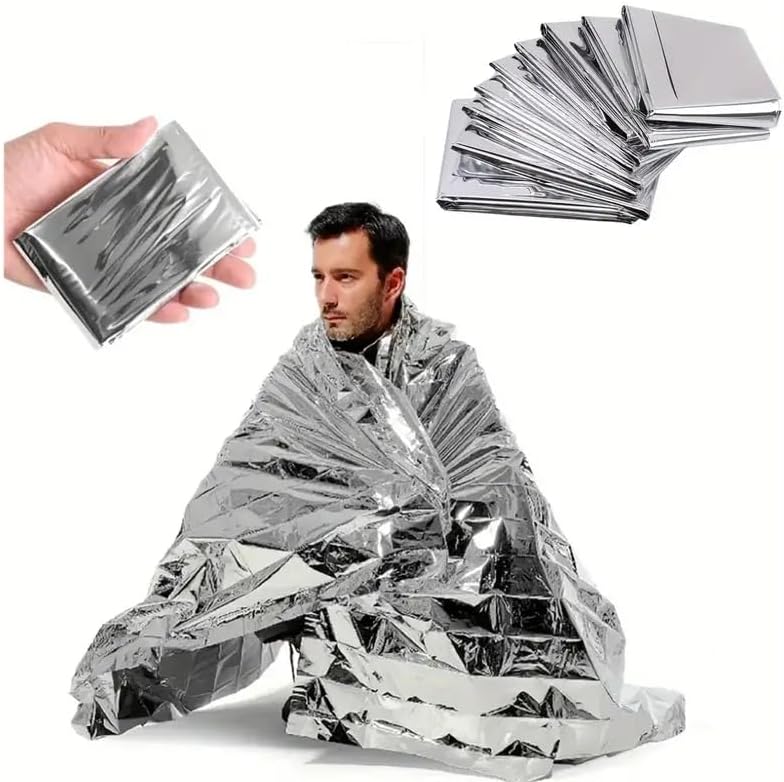
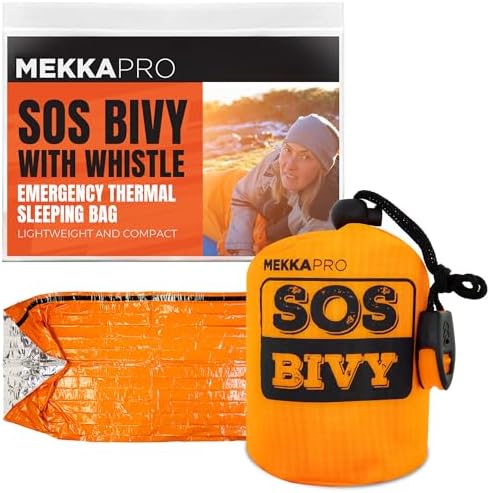
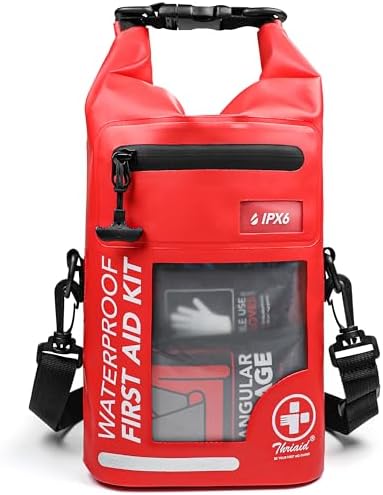
Minimalism plays a vital role in the construction of a bug out bag. Given the need for efficiency in both weight and space, individuals should focus on incorporating only the most critical items. This may include food supplies, water purification systems, first aid kits, and essential tools. Each item should serve multiple purposes and not add unnecessary bulk; this strategic selection ensures quick access and optimal functionality when every second counts. Assembling a minimalist bug out bag empowers individuals to maintain control and preparedness in unpredictable situations while fostering a sense of confidence in personal safety.
Essential Items Every Bug Out Bag Should Include
When preparing a minimalist bug out bag, it is essential to include fundamental items that ensure survival in emergency situations. The selection of these items should reflect the principles of lightness and multi-functionality to maximize efficiency and utility.
One of the primary categories to consider is shelter. A tarp or an emergency blanket can provide immediate protection from the elements, whether it’s rain, wind, or cold. These items are lightweight and can serve various purposes, such as a sleeping surface or a makeshift tent, enhancing the versatility of your bug out bag.
Next, food is a crucial component. Lightweight, non-perishable items like freeze-dried meals or energy bars ensure that you have sufficient nutrition during your journey. Including a portable cooking solution, such as a small camp stove or even an ultra-light cooking pot, can further streamline your food preparation process.
Water is critical for survival. A compact water filter or purification tablets should be included to ensure access to safe drinking water. Carrying a collapsible water container will facilitate storage without adding significant weight, making it ideal for transport.
A well-stocked first aid kit is another necessary item. This should include items such as bandages, antiseptic wipes, and specific medications tailored to your personal needs. Opt for a compact kit that contains essential supplies and can be easily transported.
In terms of tools, a multi-tool can serve various functions, reducing the need for multiple single-purpose items. This could help with fixing gear, preparing food, or even self-defense if necessary. Lastly, do not forget personal items like hygiene products and a flashlight to ensure overall preparedness.
Choosing the Right Bag for Your Needs
When it comes to creating a minimalist bug out bag, selecting the appropriate bag is a critical first step. The right bag not only serves as the container for your essentials but also enhances your ability to navigate various environments efficiently. Several styles of bags are available, each offering unique benefits tailored to different needs.
Backpacks are a popular option due to their versatility and hands-free convenience. They allow for easy mobility, which is crucial during an emergency. Look for a backpack with adjustable straps, as this feature can significantly enhance comfort and weight distribution when carrying your bug out kit for extended periods. Additionally, a waterproof or water-resistant material is highly recommended to protect your gear from the elements.
Duffle bags can also serve as effective alternatives, especially for those who prioritize quick access to their items. They typically offer a larger capacity and are easier to pack and unpack. However, they lack the stability and weight distribution provided by backpacks. Consider a duffle bag with sturdy handles as well as an adjustable shoulder strap for improved carrying versatility.
Size is another essential consideration when choosing a bag for your bug out supplies. A smaller bag may limit what you can carry, while an oversized bag could lead to unnecessary weight and bulk. Aim for a size that accommodates your critical gear while optimizing for portability. It's advisable to test pack your bag to ensure that it comfortably fits everything you intend to carry.
In terms of functionality, look for bags that include multiple compartments and attachment points, as this organization will make it easier to access important items quickly. Opt for bags with added features such as hydration bladders, MOLLE webbing, or reflective strips for visibility. This way, your minimalist bug out bag will not only serve its purpose but also stand up to the demands of an emergency situation effectively.
The 30-Minute Packing Challenge: Step-by-Step Guide
Packing a bug out bag in under 30 minutes is not only achievable but can also be enhanced through strategic planning and organization. To facilitate a prompt packing experience, adhere to the following step-by-step guide, which breaks down the process into manageable segments.
Step 1: Preparation (5 minutes)
Begin by gathering all necessary items in one location. Collect essentials such as emergency food supplies, water purification methods, first aid kits, tools, and shelter provisions. Having everything centralized will save invaluable time during the packing process. Take five minutes to assess what you need, ensuring items are functional and readily accessible.
Step 2: Categorization (5 minutes)
Next, categorize collected items into groups: food, water, first aid, tools, and gear for shelter. This step will not only simplify your packing but also ensure you do not forget any critical components. Use backpack compartments or bags to sort these categories. You are allocating five minutes at this stage, focusing on both efficiency and clarity in organization.
Step 3: Packing Technique (10 minutes)
With your items organized, it’s time to pack. Commence with heavier items at the bottom to maintain balance, placing less critical items toward the top or in external pockets. Aim for optimal weight distribution to enhance mobility. This step should take approximately ten minutes; work swiftly but methodically, double-checking that all necessary items are included.
Step 4: Review and Final Touch (5 minutes)
In the final five minutes, perform a thorough review of your bug out bag. Ensure all categorized sections are complete, and make adjustments if necessary. Verify that crucial items like maps, batteries, and communication devices are included in your pack. A comprehensive final check guarantees you leave nothing critical behind.
Following this structured approach allows you to effectively prepare a minimalist bug out bag swiftly, equipping yourself with the necessary tools for emergency situations.
Prioritizing Items: What to Pack First
When constructing a minimalist bug out bag, prioritizing items is essential to ensure optimal preparedness. The strategy lies in evaluating individual needs, environmental factors, and potential emergencies that may require immediate attention. The primary goal is to pack the most critical gear that addresses basic survival requirements, which typically include shelter, water, food, and first aid.
Begin by assessing your environment and the specific situations you may encounter. For instance, if you reside in an area prone to natural disasters, such as floods or wildfires, it's vital to tailor your equipment accordingly. Consider the seasons as well; if temperatures drop significantly, thermal blankets or sleeping bags will be of higher importance. Conversely, in warmer climates, maintaining hydration becomes a priority, making water purification tablets or portable filtration systems critical items to include.
Next, identify your immediate survival necessities. A first aid kit is essential for managing injuries that could arise during an emergency. Pack items such as adhesive bandages, antiseptic wipes, and emergency medications, tailored to any existing health conditions. After your first aid supplies, focus on food sources that are lightweight yet nutrient-dense, such as freeze-dried meals or protein bars, which provide the needed energy during a crisis.
As you continue to strategize your packing order, factor in tools that could assist in multiple scenarios. Compact items like multi-tools or fire starters not only serve various functions but also conserve space. It is crucial to strike a balance between versatility and necessity when choosing these items. By employing this prioritization technique, you can ensure that your bug out bag is equipped for diverse situations, enhancing your overall preparedness.
Optimizing Space and Weight in Your Bag
Organizing items in your minimalist bug out bag is crucial for maximizing efficiency, especially when it comes to achieving an optimal balance of space and weight. One effective method is rolling your clothes instead of folding them. This technique not only reduces wrinkles but also allows for a more compact fit within your bag. When clothes are rolled, they occupy less volume and can be squeezed into tighter spaces among other gear.
Another strategy to consider is the use of compression bags, which are designed to minimize the bulk of soft items. By placing clothing or sleeping bags in these bags, you can eliminate excess air and greatly reduce their size, which subsequently saves space in your overall packing arrangement. It's essential to utilize these compression bags judiciously, as overpacking might lead to a heavier payload, counteracting the benefits of minimization.
Moreover, placing heavier items at the bottom of your bug out bag helps in maintaining balance when you carry it. Strategically organizing the contents so that the weight is centered lowers the risk of strain on your back and enhances stability, which is vital during transportation. Items such as food supplies, water bottles, and heavier gear should be positioned at the base of your pack, while lighter articles can be stored above them.
Additionally, using every pocket and compartment in your bag to its full potential can prevent unnecessary jingling and shifting of items. Place frequently used items in easily accessible external pockets for quick retrieval. This careful arrangement not only optimizes space and weight but also enhances your ability to act promptly in case of an emergency. Therefore, meticulous organization of your items will lead to a well-balanced and efficient minimalist bug out bag.
Adding Personal Touches to Your Bug Out Bag
When assembling a bug out bag, the focus is often placed on essential survival gear and tools. However, personalizing your bag can greatly enhance your preparedness and comfort during emergencies. Tailoring your bug out bag to reflect your individual preferences and unique situations can make a significant difference in your overall readiness.
Firstly, consider including favorite snacks that provide not only nourishment but also a sense of normalcy during stressful periods. When faced with uncertainty, familiar flavors can boost morale and offer a psychological edge, reminding you of home amidst challenging circumstances. Energy bars, dried fruits, or even a small stash of your preferred candy can be easily packed into your bag without taking up much space.
Moreover, integrating personal identification is crucial. In the event of an emergency, being able to verify your identity and address can facilitate rescue efforts or help in processing aid. Including a copy of important documents such as your ID, insurance information, and emergency contacts can be invaluable. Consider waterproofing these documents by using zip-lock bags or laminating them to ensure they remain intact, even in adverse weather conditions.
Furthermore, comfort items should not be overlooked. Personal belongings, such as a small photograph of loved ones or a cherished keepsake, can serve as a vital emotional anchor. Such items have the potential to boost your spirits and provide comfort when faced with adversity. While they may not be essential survival tools, they contribute significantly to your mental resilience during a difficult time.
Ultimately, personalizing your bug out bag with items that resonate with you can enhance your preparedness strategy. By thoughtfully integrating elements that cater to your tastes and needs, you create a more effective and reassuring readiness plan.
Practice and Review: Ensuring Your Bug Out Bag is Ready
Once your bug out bag is assembled, the importance of regular practice and review cannot be overstated. This activity not only helps familiarize you with the contents of your bag but also ensures that the gear is functioning correctly when it is most needed. Begin by periodically checking the items inside your bag to guarantee that everything is in order. This includes verifying that all supplies are intact, medications are not expired, and necessary gear is accounted for. A well-maintained bug out bag is crucial for effective emergency preparedness.
Testing the functionality of your gear is equally important. This can involve practicing how to set up emergency tools, attempting to use various survival equipment, and confirming that your water filtration system operates as it should. By engaging in these tests, you build confidence in your skills and ensure that your gear can be relied upon in a critical situation. Consider spending some time outdoors in a controlled environment to practice these tasks and solutions.
Furthermore, conducting practice drills can significantly enhance your readiness. Design realistic scenarios where you may need to utilize the bug out bag, and rehearse the appropriate responses. These exercises help identify any weaknesses in your approach and encourage scenario planning. It is also beneficial to involve family members in these drills so that everyone is knowledgeable about the bug out strategies and bag contents. Regular participation in these simulations not only prepares you for real-life situations but fosters teamwork and effective communication among your group.
In conclusion, reviewing and practicing with your bug out bag is essential for ensuring that you are prepared for emergency situations. By routinely checking gear, testing functionality, and participating in drills, you build proficiency and peace of mind, making your bug out strategy truly effective.
Conclusion: Staying Prepared and Adaptable
Preparation is paramount in the unpredictable landscape of emergencies. Throughout this guide, we have emphasized the importance of creating a well-thought-out minimalist bug out bag, which can be assembled in under 30 minutes. This streamlined approach not only saves time but also ensures effectiveness when it matters most. A carefully curated bug out bag should contain essential survival gear that allows for adaptability in various scenarios, from natural disasters to unexpected life events.
To enhance personal safety and resilience, it is essential to remain proactive in your emergency planning. Regularly reviewing and updating the contents of your bug out bag ensures that you are equipped with the right tools and supplies for potential challenges. Furthermore, familiarizing yourself with your gear and practicing emergency scenarios can significantly improve your efficiency during a real crisis.
It is important to remember that a bug out bag is more than just a collection of items; it represents your readiness to face the unknown. The ability to remain adaptable is crucial. Each emergency situation is unique, and having a versatile, minimalist bag allows for quick adjustments based on evolving conditions. By being prepared and adaptable, you empower yourself to respond effectively to whatever challenges may arise.
In conclusion, we reaffirm the importance of a minimalist bug out bag in emergency preparedness. With thoughtfulness and efficiency, you can build a pack that not only meets your immediate needs but also provides peace of mind and confidence in your ability to navigate uncertainties.




0 Comments