Understanding Neuro-Cosmetics
"Heads up: Some of the links in this post are affiliate links. This means if you click on the link and purchase the item, I’ll receive an affiliate commission. This helps keep the lights on here at techdhami.com! Thanks for your support!"
Neuro-cosmetics is an innovative field at the intersection of neuroscience and skincare, exploring how beauty products can influence the brain and enhance emotional well-being. This emerging discipline goes beyond the traditional approach to skincare by incorporating scientific insights into how the mind and skin communicate. Neuro-cosmetics aims to not only improve skin appearance but also promote psychological benefits.
At its core, neuro-cosmetics recognizes the complex interactions between the skin and the brain. The skin, the largest organ of the body, is richly embedded with sensory neurons that respond to various stimuli, including ingredients found in cosmetics. These interactions trigger a range of emotional and physical responses. For instance, specific scents in skincare products can evoke memories or improve mood, while certain textures can provide a comforting sensation, reinforcing a positive self-image.
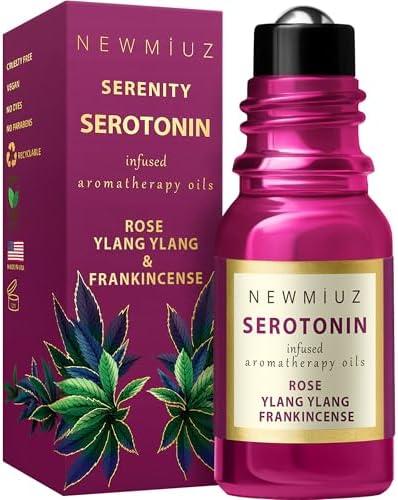
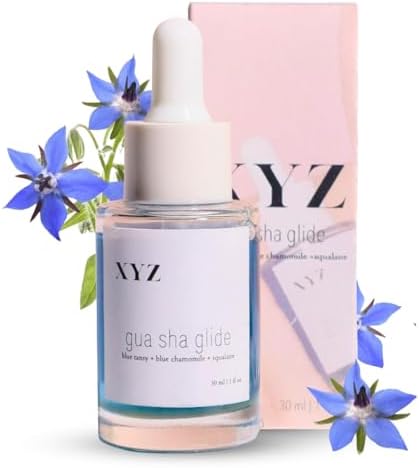
The formulations developed under the neuro-cosmetics umbrella often include ingredients that are not only beneficial for the skin but are also known to influence neurochemistry. For example, compounds that promote the release of endorphins or reduce cortisol levels can enhance the emotional experience of using a product. This integration of psychological benefits with cosmetic results offers a more holistic approach to skincare.
Moreover, the application of neuro-cosmetics can lead to customized beauty routines that cater not just to the physical attributes of the skin, but also to the emotional states of individuals. As consumers increasingly seek products that resonate with their emotional experiences, neuro-cosmetics presents a viable solution, representing a significant shift in the skincare landscape.
The Science Behind Cortisol and Stress
Cortisol, often referred to as the "stress hormone," plays a critical role in the body’s response to stress. It is produced by the adrenal glands and helps regulate various bodily functions, including metabolism, immune response, and blood pressure. Under normal circumstances, cortisol is essential for maintaining homeostasis; however, prolonged exposure to elevated cortisol levels can be detrimental, particularly regarding skin health and emotional well-being.
When the body experiences stress, whether from environmental factors, psychological challenges, or physical trauma, cortisol levels spike. This hormonal surge triggers a wide array of physiological changes. For instance, elevated cortisol levels can inhibit collagen production. Collagen is vital for maintaining skin elasticity and firmness, leading to visible signs of aging, such as fine lines and sagging skin.
Additionally, increased cortisol levels can exacerbate existing skin conditions. For example, it can aggravate conditions like acne, eczema, and psoriasis by increasing inflammation and promoting oil production, leading to clogged pores and breakouts. The inflammatory response triggered by cortisol can also lead to redness and irritation, further diminishing the skin's overall appearance. Furthermore, high cortisol can negatively affect the skin's barrier function, making it more susceptible to external irritants and pathogens.
In light of these effects, it is evident that managing stress is crucial not only for emotional health but also for maintaining skin vitality. As the field of neuro-cosmetics continues to evolve, understanding the interplay between cortisol, stress, and skin health will be essential in the development of innovative skincare solutions aimed at mitigating the adverse effects of stress on the skin. By addressing the emotional and physiological aspects of beauty, we move closer to achieving holistic skin health.
How Neuro-Cosmetics Work to Improve Mood
Neuro-cosmetics represent a cutting-edge intersection between skincare and neuroscience, focusing on how cosmetic products can positively influence mood and emotional well-being. The premise is that the sensory experience derived from cosmetic application does more than enhance physical appearance; it can also evoke emotional responses and cognitive benefits. The key elements involved in this process are scents, textures, and colors, each playing a vital role in the efficacy of neuro-cosmetic products.
Scent is a major component of neuro-cosmetics, as olfactory stimuli have a profound impact on emotional state. The limbic system, which governs emotions and memory, is activated by fragrances. Essential oils and botanical extracts found in many skincare formulations can promote relaxation, uplift mood, or reduce stress when inhaled. For instance, lavender is widely recognized for its calming effects, while citrus scents can invigorate and energize. This emotional enhancement through scent can create a more holistic skincare experience, making it both personal and therapeutic.
Texture also plays an essential role in the effectiveness of neuro-cosmetics. The tactile sensation when applying a product can influence the user's perceptions and emotional responses. Creamy or velvety textures might evoke comfort and indulgence, whereas lightweight and refreshing textures may instill a sense of renewal and rejuvenation. This multisensory approach ensures that the application of skincare is not merely a routine but an engaging and emotionally rewarding ritual.
Colors, as a third element, can also impact emotional states and cognitive associations. Warm colors like red and orange may evoke feelings of excitement and energy, while cooler colors like blue and green are often associated with tranquility and calmness. Neuro-cosmetics often utilize these color theories in packaging and branding, subtly influencing consumer emotions prior to product use.
Collectively, these sensory applications redefine how we approach beauty and skincare, transforming them into experiences that not only care for the skin but also nurture the mind and spirit. By integrating sensory elements, neuro-cosmetics elevate overall well-being, challenging traditional notions surrounding beauty and highlighting the profound connection between emotional health and skincare routines.

- ✔ABOUT: Pure & Natural Undiluted Oil Organic Standard.
The Role of Sensory Application in Skincare
The field of neuro-cosmetics emphasizes the importance of sensory application as a critical aspect of skincare. Engaging multiple senses during the application process not only enhances user experience but also reinforces the connection between skin health and emotional well-being. Sensory experiences driven by touch, smell, and visual appeal can significantly influence an individual’s perception and effectiveness of skincare products.
Touch, as one of the primary sensory experiences, plays a vital role in skincare. The texture of creams, serums, and oils profoundly affects user satisfaction. For example, a smooth, silky texture may evoke feelings of luxury and indulgence, while a lightweight formulation may promote a sense of freshness. These tactile experiences can lead to a more enjoyable skincare ritual, encouraging users to be consistent with their routines, which is essential for achieving long-term skincare goals.
Moreover, scent is another crucial aspect of sensory application within neuro-cosmetics. The fragrance of a product can create a mood or invoke memories, thus enhancing emotional responses during application. Aromas such as lavender can promote relaxation, while citrus scents may energize and uplift the user. The olfactory connection can make the application process not only a skincare routine but also an emotional experience, which can foster mental well-being.
Lastly, the visual appeal of skincare products cannot be overlooked. Attractive packaging and colors can intrigue consumers and create a positive first impression. A well-designed product may stimulate curiosity and enhance the overall aesthetic experience, allowing users to feel more engaged and satisfied with their choices in skincare.
In conclusion, the integration of sensory application in the realm of neuro-cosmetics elevates the skincare routine beyond a mere physical regimen, transforming it into an emotionally enriching experience that promotes both beauty and psychological wellness.
Neuro-cosmetics, a burgeoning field within the beauty industry, emphasizes the connection between skin health and emotional well-being. A crucial aspect of these products is their ingredient profiles, which often feature a range of botanicals, essential oils, and innovative compounds specifically selected for their stress-reducing properties. These ingredients aim to enhance not only the skin’s appearance but also its user's emotional state.
Among the notable ingredients in neuro-cosmetics, botanical extracts play a vital role. For instance, lavender extract is well-known for its soothing fragrance, which has been shown to reduce anxiety and promote relaxation. Similarly, extracts from the passionflower plant have been linked to improved mood and decreased stress levels, making it a popular addition to formulations aimed at emotional wellness.
Essential oils are another key category in neuro-cosmetics, with several well-researched for their anxiety-reducing benefits. Chamomile oil, recognized for its calming effects, is often infused into creams and serums. Its ability to calm the mind and reduce irritability makes it a valuable addition to products targeting emotional balance.
In addition to botanicals and essential oils, innovative compounds like biopeptides are gaining traction in the neuro-cosmetics arena. These compounds not only support skin health but may also influence emotional responses by enhancing the skin's barrier function and thereby reducing feelings of discomfort and stress caused by environmental aggressors.
Furthermore, research into aromatherapy supports the inclusion of scent profiles in neuro-cosmetic products. Specific fragrances can trigger positive memories and emotions, further enriching the user’s experience. Products combining these key ingredients may offer a dual benefit: improving physical skin condition while simultaneously enhancing emotional well-being.
Consumer Perspectives on Emotional Beauty
In recent years, there has been a notable shift in consumer attitudes towards beauty products, with an increasing focus on emotional wellness and mental health. This change reflects a broader cultural awareness of the importance of emotional wellbeing, influencing purchasing decisions across various sectors, including skincare. Consumers are now more than ever prioritizing products that not only enhance physical appearance but also contribute to mental wellness, leading to a significant rise in the demand for neuro-cosmetics.
Neuro-cosmetics are designed to promote positive emotions and psychological benefits through the use of specific ingredients and formulations. Consumers are expressing a keen interest in products that promise to elevate mood, reduce stress, and enhance overall emotional wellbeing. This trend is evident in the growing popularity of skincare lines that incorporate aromatherapy, botanical extracts, and mood-enhancing ingredients. As people continue to experience the stresses of modern life, they increasingly gravitate towards products that offer a sense of comfort and emotional support.
Moreover, the integration of innovative technologies in beauty products, such as those utilizing neuro-scientific research, has significantly shaped consumer expectations. Many buyers are now seeking transparency regarding how these products affect not only their skin but also their mental state. This demand for information is leading brands to adopt more holistic marketing strategies that emphasize the emotional benefits alongside the traditional aspects of skincare. Overall, the emotional beauty segment is transforming the beauty landscape, shaping consumer preferences, and driving growth in a market that is increasingly intertwining skincare with mental health considerations.
Challenges and Criticisms of Neuro-Cosmetics
The emergence of neuro-cosmetics has introduced a fascinating intersection between skincare and neuroscience, yet it has not come without its share of challenges and criticisms. One of the primary concerns surrounding this industry is the question of efficacy. Consumers increasingly demand tangible results, and as such, the ability of neuro-cosmetic products to substantiate their claims through scientifically validated research is crucial for credibility. Many critics argue that the effects of topical formulations on mood enhancement and psychological well-being need to be thoroughly studied before being marketed as effective solutions.
Another significant challenge presents itself in the realm of scientific validation. The integration of neuroscience into cosmetic formulations raises the bar for precise, evidence-based data. Proponents of neuro-cosmetics assert that certain ingredients can indeed influence emotional states, yet the scientific community remains cautious. As the field is still in its developmental stages, many claims made in marketing materials lack comprehensive clinical trials to support them. The subtle distinctions between genuine advancements and mere marketing tactics have made it difficult for consumers to discern authenticity.
Additionally, the potential for misleading claims poses a serious ethical dilemma. As the popularity of neuro-cosmetics grows, so does the risk of over-promising and under-delivering on the psychological benefits of using these products. It is essential for brands to adopt rigorous research methodologies and adhere to ethical marketing practices to build consumer trust. Transparency regarding the efficacy of neuro-cosmetics is critical; firms must provide consumers with accurate information, thereby ensuring that the emotional beauty skincare industry develops in a responsible manner.
Case Studies of Successful Neuro-Cosmetic Brands
Neuro-cosmetics is an emerging field within the skincare industry that aims to leverage insights from neuroscience to enhance emotional well-being through beauty products. Notable brands have successfully integrated neuro-cosmetic principles into their offerings, combining scientific research with innovative marketing strategies. One prominent example is Estée Lauder, whose research into the sensory experiences of their products has led to the development of formulations designed to evoke positive emotional responses. Their marketing campaigns focus on the emotional connection consumers can cultivate with their products, effectively communicating the emotional benefits alongside the physical attributes.
Another case in point is Lancome, which has introduced a range of products that are enriched with neuroactive ingredients aimed at improving mood and reducing stress. Their "La Vie Est Belle" line emphasizes the sensory experience, incorporating fragrances known to have mood-enhancing properties. The brand’s advertising consistently highlights how their skincare choices can lead to enhanced emotional well-being, fostering a deep connection with consumers. These principles reflect neuro-cosmetic concepts as they promote the idea that beauty can influence mental health and emotional stability.
Similarly, SkinCeuticals has developed products that not only target skin health but also tap into the psychological aspects of skincare. Their campaigns often feature testimonials that showcase how a healthier skin appearance translates into improved self-esteem and emotional satisfaction. By focusing on both the aesthetic and emotional aspects of their products, SkinCeuticals aligns perfectly with the ethos of neuro-cosmetics.
Consumer reception to these neuro-cosmetic brands has generally been positive, as individuals increasingly look for beauty products that offer more than just surface-level benefits. As consumers become more aware of the impact their beauty routines have on their mental health, the demand for innovative products that offer emotional gratification is likely to grow further, reinforcing the relevance of neuro-cosmetics in the beauty industry.

- 【HIGH QUALITY ESSENTIAL OIL ROLLER SET】This Classics Essential Oil Roller Set have eight 10ml essential oils, has pure a...
- 【MULTIPLE EFFECTS】The Essential Oil Set contains 8 different types of roller oils - SLEEP, BREATHE, REFRESH, STRESS, FOC...
- 【SUITABLE FOR ANY SCENE】The Roller Essential Oil set contains 8x10ml Mini essential oil Glass roll-on. You can safely pu...
The Future of Neuro-Cosmetics in Personal Care
The evolution of neuro-cosmetics signifies an exciting frontier in the beauty industry, merging groundbreaking research in neuroscience with skincare solutions. The growing understanding of the brain's influence on emotion and perception opens new avenues for product development. As more studies illustrate how various ingredients can affect emotional well-being, we anticipate a more engaging consumer experience that addresses both physical and emotional needs.
Advancements in technology are set to propel neuro-cosmetics into the mainstream. Innovations such as AI and machine learning have the potential to analyze individual skin types and emotional states in order to customize products that not only enhance appearance but also promote psychological well-being. For instance, algorithms could determine which formulations may resonate with a user based on their mood, offering tailored solutions that evolve with changing emotional landscapes. This bespoke approach is expected to gain traction as consumers increasingly seek personalized options.
Furthermore, as the industry invests in research that combines neuroscience, psychology, and dermatology, we expect to see an incorporation of mood-enhancing ingredients and techniques into everyday skincare routines. Ingredients like adaptogens, known for their ability to balance stress levels, may become staples in beauty products. This shift towards holistic care reflects a broader societal trend recognizing the importance of mental health, positioning neuro-cosmetics at the intersection of beauty and emotional well-being.
In the coming years, ultimately, neuro-cosmetics will likely lead to a comprehensive transformation in personal care, advocating for deeper connections between products and consumers. As brands embrace the science behind emotional beauty, consumers can look forward to a future where skincare contributes to mental and emotional health, solidifying the notion that beauty truly is more than skin deep.


0 Comments