Introduction to Smart Thermostats
Smart thermostats represent a significant advancement in home heating and cooling technology, combining convenience, efficiency, and environmental sustainability. These devices utilize wireless technology to connect to your home's Wi-Fi network, allowing remote access through smartphone applications or web interfaces. This connectivity enables homeowners to monitor and adjust their heating and cooling systems in real time, whether at home or away.
The core functionality of smart thermostats revolves around their ability to learn from user behavior. By observing patterns in temperature settings, occupancy, and daily routines, these devices adapt to your preferences automatically. As a result, they optimize energy usage, reduce utility costs, and contribute to a decreased carbon footprint. Traditional thermostats, on the other hand, often lead to suboptimal energy consumption, as they lack the adaptive features that smart thermostats provide.

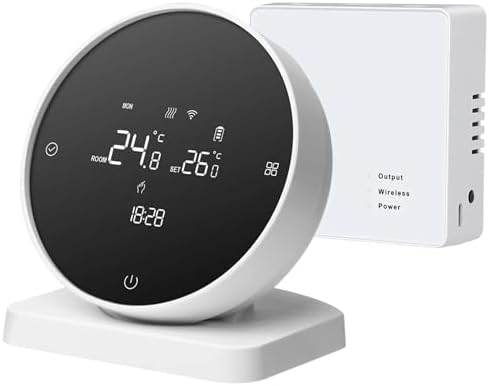
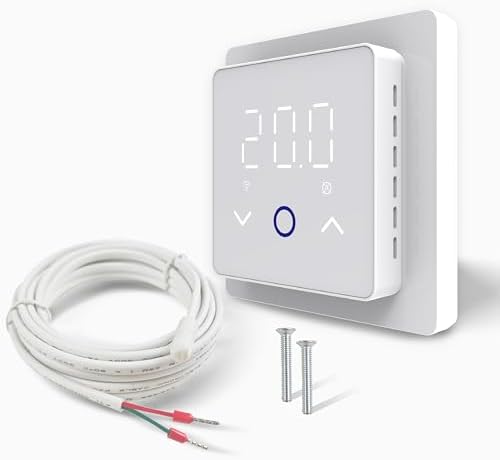

Investing in a smart thermostat has several advantages. Primarily, the energy savings can be substantial, with some estimates suggesting reductions of up to 30% on energy bills. This reduction is particularly beneficial in regions with extreme temperatures where heating and cooling demand put significant strain on both homeowners' budgets and the environment. Furthermore, many smart thermostats are compatible with renewable energy sources, integrating seamlessly into eco-friendly living environments.
Switching to smart thermostats not only offers immediate cost savings but also fosters long-term benefits. With built-in energy reports and insights, users gain a better understanding of their consumption habits, empowering them to make informed decisions about their energy use. These capabilities, coupled with the potential tax credits for energy efficiency improvements, make smart thermostats a compelling choice for environmentally-conscious consumers.
The Financial Benefits of Smart Thermostats
Investing in smart thermostats can lead to substantial financial benefits for homeowners. One of the most notable advantages is the reduction in energy bills. Traditional thermostats only allow for basic temperature control, often leading to inefficient heating or cooling. In contrast, smart thermostats use advanced algorithms and sensors to optimize energy consumption based on user behavior, preferences, and even local weather conditions. According to various studies, households can save anywhere from 10% to 30% on their annual heating and cooling costs after installing a smart thermostat.
In addition to lower energy bills, many consumers may qualify for rebates or incentives offered by local governments and utility companies when they install eco-friendly technology, including smart thermostats. These rebates can significantly alleviate the initial investment cost, making the switch more affordable. Homeowners are encouraged to check with local energy providers to see what programs may be available. Sometimes, these financial incentives can cover up to 50% of the installation costs.
The payback period for purchasing a smart thermostat is another crucial aspect to consider. Many smart thermostats promise to pay for themselves within three months, as their energy-saving capabilities quickly offset the initial investment. In essence, they are not just a luxury but a practical solution for managing home energy efficiently. When potential savings are factored in alongside available rebates, the overall investment becomes not only viable but advantageous. Ultimately, embracing smart thermostat technology can lead to a noticeable reduction in monthly expenses, making it a wise choice for cost-conscious homeowners.
How Smart Thermostats Improve Energy Efficiency
Smart thermostats are designed to enhance energy efficiency in homes by utilizing advanced technology and algorithms. One of the key features of these devices is their learning capability. Many smart thermostats can observe and analyze a homeowner's heating and cooling habits over time. By understanding the typical patterns of occupancy and temperature preferences, these thermostats are able to automatically adjust settings, which ensures optimal comfort while minimizing energy consumption. This capability is particularly beneficial in reducing utility bills and enhancing overall energy use in a household.
Moreover, smart thermostats offer remote control options that allow users to manage their home’s climate from anywhere, using a smartphone or other smart devices. This connectivity means homeowners can make last-minute adjustments when they are away from home, avoiding unnecessary heating or cooling. For instance, adjusting the temperature before returning home can ensure comfort without excessive energy use during absences.
Additionally, the zoning features provided by many models allow different areas of the home to be controlled independently. This level of customization means that energy is not wasted on unoccupied spaces. By zoning, smart thermostats enable homeowners to focus heating and cooling efforts where they are needed most, thus significantly improving energy efficiency. This multi-faceted approach to temperature control not only promotes a more comfortable living environment but also contributes to eco-friendly living by effectively reducing energy waste.
Altogether, smart thermostats represent a practical solution for those looking to enhance their home’s energy efficiency. Through learning algorithms, the convenience of remote management, and the strategic use of zoning, these devices help homeowners achieve a sustainable energy usage that aligns with modern eco-friendly practices.
Key Features to Look for When Choosing a Smart Thermostat
When selecting a smart thermostat, it is essential to consider a range of features that will not only enhance usability but also improve energy efficiency in your home. One crucial aspect is the user interface. A clear and intuitive interface ensures that adjusting settings and navigating through options is effortless, allowing users to conveniently monitor and manage their heating and cooling systems.
Compatibility with existing home systems is another fundamental factor. Before making a purchase, it is advisable to verify if the smart thermostat is compatible with your home's HVAC systems. Certain models are designed to work exclusively with either heat pumps or traditional systems, while others can accommodate various setups, offering greater versatility for consumers.
In the modern age, app connectivity is vital for smart thermostats. A user-friendly application can significantly expand the capabilities of your thermostat. Look for features that allow remote access through smartphones, tablets, or web browsers, enabling homeowners to adjust settings and monitor home conditions from anywhere. Additionally, integration with home automation systems and voice-activated devices can further enhance user convenience.
Another important element to consider when choosing a smart thermostat is the availability of additional sensors. Many advanced models include external temperature and humidity sensors that can provide real-time feedback from different areas of the home. This allows for more precise temperature regulation, optimizing comfort and energy usage. Incorporating these sensors can lead to better management of heating and cooling schedules, which can significantly reduce energy costs.
By carefully evaluating these features—user interface, compatibility, app connectivity, and additional sensors—you can ensure that your investment in a smart thermostat will contribute to an eco-friendly lifestyle while potentially lowering your energy bills over time.
Top 5 Smart Thermostats That Pay for Themselves Within 3 Months
Investing in a smart thermostat is an effective strategy for homeowners looking to reduce energy costs while maintaining comfort. Below, we highlight five exceptional smart thermostats that can offer significant savings and pay for themselves in approximately three months.
1. Nest Learning Thermostat
The Nest Learning Thermostat is widely praised for its intuitive design and functionality. It adapts to your schedule and preferences, optimizing heating and cooling automatically. With potential savings of up to 15% on heating bills and 10-12% on cooling costs, many users find that it pays for itself promptly. Priced around $249, its intelligent features are compelling for eco-conscious consumers.
2. Ecobee SmartThermostat with Voice Control
The Ecobee SmartThermostat not only comes with a built-in Alexa speaker but also includes remote sensors that measure temperature in different rooms. This technology ensures that the user can maintain even temperatures, potentially leading to energy savings of up to 23%. At a price point of approximately $249, it's a good investment for those seeking both smart convenience and energy efficiency.
3. Honeywell Home T9
The Honeywell T9 Smart Thermostat is designed to work seamlessly with smart home integrations. It features smart room sensors to help minimize energy consumption in unoccupied areas, which can facilitate savings of about 10% annually on heating costs. With prices starting at around $199, it’s a sensible choice for budget-conscious homeowners.
4. Wyze Thermostat
At a more budget-friendly price of nearly $49, the Wyze Thermostat stands out as a cost-effective option. While it lacks some premium features, it still enables homeowners to manage temperature settings via an app. Its simple design allows for savings of around 15%, leading to a quick return on investment.
5. Emerson Sensi Touch Wi-Fi Thermostat
The Emerson Sensi Touch is another excellent choice, providing users with a user-friendly touchscreen and energy-saving features. By adjusting the temperature settings intelligently, users can achieve savings in the range of 23%. Priced around $169, this thermostat represents a solid balance of affordability and efficiency.
In reviewing these selections, it's evident that smart thermostats not only enhance energy management but also promote eco-friendly living by lowering consumption. Their ability to effectively reduce energy bills makes them a worthwhile investment that often results in recoverable costs in a short span of time.
Real-Life Case Studies: Savings Achieved
Many homeowners have already experienced significant benefits from implementing smart thermostats in their residences. For instance, a family in New Jersey reported a remarkable reduction in their heating costs after installing a popular smart thermostat model. They noted that by adjusting their heating schedule according to their family's daily routines, they saved approximately $300 within the first three months. This case highlights the potential of smart thermostats to adapt to user behaviors, ultimately leading to lower energy bills.
In another example, a homeowner in California decided to use a smart thermostat during the sweltering summer months. Through a combination of automatic temperature adjustments and remote control features via a mobile app, they successfully reduced their air conditioning costs by around 25%. Over the course of just three months, this homeowner saved nearly $180. The ease of controlling their home's temperature from anywhere was a significant factor motivating the switch to a smart thermostat.
Furthermore, a family in Illinois took advantage of the energy-saving features of their smart thermostat by utilizing its learning capabilities. After several weeks of monitoring their habits, the thermostat automatically optimized their heating and cooling schedule. As a result, they experienced a decrease in energy usage that translated into savings of $250 in three months. This case study illustrates how smart technology can not only provide immediate cost benefits but also foster long-term energy efficiency, making it a worthwhile investment.
These real-life examples collectively underscore the effectiveness of smart thermostats in achieving substantial savings within a short period. By leveraging smart technology, homeowners can significantly reduce their energy consumption without compromising comfort.
Installation Considerations
When integrating a smart thermostat into an eco-friendly living space, various installation considerations must be taken into account. Homeowners typically encounter two primary options: DIY installation or hiring a professional. Each method presents distinct advantages and challenges that can influence the decision-making process.
DIY installation of a smart thermostat can be a cost-effective choice, allowing homeowners to save on labor costs while also gaining hands-on experience with their new device. Most modern smart thermostats come equipped with detailed installation guides and user-friendly applications that help user navigate the setup process with ease. Essential tools such as a screwdriver and a drill are typically all that is required. However, for those who are not particularly handy or familiar with electrical work, a DIY installation may introduce complications. Challenges might include miswiring, which could lead to malfunctioning systems or a voided warranty.
On the other hand, professional installation offers a level of expertise that can help mitigate potential issues. Trained technicians can ensure that the smart thermostat is installed correctly and configured to maximize energy efficiency. While this option incurs additional costs—often ranging from $100 to $300 depending on the complexity of the system—homeowners might find the investment worthwhile considering the long-term energy savings that a correctly installed smart thermostat can provide.
Ultimately, the choice between DIY and professional installation depends on individual comfort levels with technology, electrical systems, and the specific requirements of the chosen smart thermostat model. By weighing these installation considerations carefully, homeowners can make informed decisions that facilitate a smoother transition towards eco-friendly living.
Environmental Impact of Switching to Smart Thermostats
Adopting smart thermostats offers substantial environmental benefits, primarily through the reduction of energy consumption and the overall carbon footprint. These advanced devices optimize heating and cooling systems by learning user schedules and preferences, enabling them to operate more efficiently than traditional models. By minimizing energy waste, smart thermostats contribute significantly to reducing the amount of greenhouse gas emissions associated with electricity generation.
One of the primary environmental impacts of using smart thermostats is their ability to lower overall energy consumption. These devices automatically adjust temperatures based on real-time data, which means they can significantly reduce the amount of time heating or cooling systems operate unnecessarily. According to studies, households equipped with smart thermostats can achieve energy savings of up to 30%. When scaled to a community or national level, these savings translate to substantial reductions in energy demand, which in turn lessens the reliance on fossil fuels for electricity production.
Furthermore, the environmental advantages extend beyond individual homes. The aggregated effect of numerous homes adopting smart thermostats contributes to a lower demand for energy across the grid. This shift can lead to reduced air pollution and lower carbon emissions, as energy providers use cleaner, more sustainable sources to meet the decreased demand. Additionally, energy providers can invest more efficiently in renewable energy projects, knowing that their customer base is more engaged in sustainable practices.
In conclusion, by integrating smart thermostats into our homes, we embark on a path toward significant environmental benefits. This change not only helps consumers save on energy bills but also plays a crucial role in creating a more sustainable future. The implementation of smart technology represents a proactive approach to tackling climate change, emphasizing the importance of collective action for the planet's wellbeing.
Conclusion: The Future of Eco-Friendly Living
As we forge ahead into an era where technology intertwines with our environmental consciousness, embracing eco-friendly living becomes not only a moral imperative, but also an intelligent choice. The advent of smart thermostats exemplifies how innovation can facilitate sustainable home management while delivering significant cost savings. These devices are designed to optimize energy consumption, ultimately reducing greenhouse gas emissions and contributing to a healthier planet.
Investing in smart thermostats offers homeowners a strategic advantage. Beyond their initial costs, which are often recuperated within a mere three months through reduced energy bills, these systems empower users to significantly trim their carbon footprints. They leverage advanced sensors and algorithms to learn household patterns, thus ensuring efficient heating and cooling tailored to individual needs. This adaptability fosters a proactive approach to energy use, aligning daily activities with the principles of sustainability.
Furthermore, the integration of smart technologies in our homes promotes awareness regarding energy consumption. Users can easily monitor their energy usage patterns through user-friendly interfaces and mobile apps, facilitating informed decisions that have lasting impacts. As society becomes increasingly aware of climate issues, tools like smart thermostats serve not only as appliances but as vital components in the broader effort to combat global warming.
In conclusion, the transition towards eco-friendly living is evident through the adoption of smart thermostats. These devices not only represent a technological advancement but also reflect a commitment to sustainable living. By choosing smart thermostats, individuals have the opportunity to make a tangible difference while enjoying the financial benefits of reduced energy costs. This simple yet effective solution highlights the importance of leveraging technology for the greater good of our environment and future generations.



0 Comments