Introduction to Curation as a Service
In today's rapidly evolving technology landscape, consumers are inundated with an overwhelming amount of information and choices. Curation as a Service (CaaS) emerges as a vital resource designed to navigate this complexity, offering a streamlined approach to discovering innovative tech products. As individuals and businesses grapple with an abundance of options, CaaS acts as a filter, sifting through countless technologies to present only the most relevant and distinctive offerings.
The significance of CaaS cannot be overstated. In an age where novelty is the currency of technological advancement, the ability to identify and showcase unique solutions is paramount. CaaS providers employ various methodologies to ensure that they are not merely aggregating information but are actively curating quality content that resonates with specific needs and preferences. This means that consumers can save considerable time and effort, gaining access to pertinent tech innovations without having to wade through endless lists and reviews.
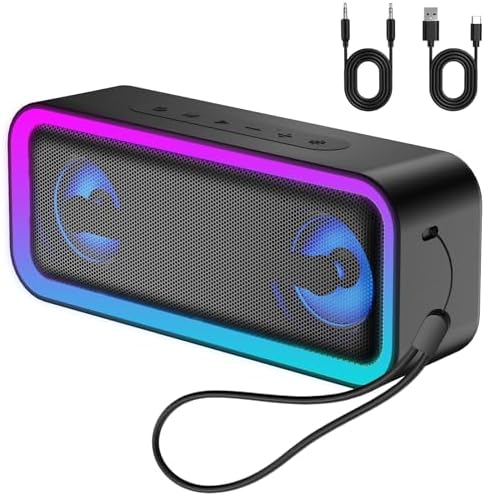

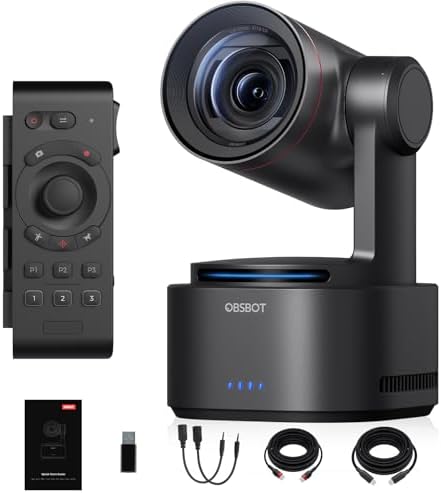


Moreover, CaaS contributes to the democratization of technology discovery. By highlighting lesser-known products and startups, CaaS opens the door for innovation that might otherwise go unnoticed, benefiting both consumers who seek cutting-edge solutions and creators striving to make their mark in the tech arena. Ultimately, the curated approach not only supports informed decision-making but also fosters a vibrant community of technological enthusiasts who demand and appreciate originality.
In summary, Curation as a Service plays a crucial role in our tech-centric world, serving as both a compass and a curator of sorts, guiding consumers toward memorable and groundbreaking technology experiences without the hassle of extensive exploration.
The Rise of Odd Technologies
The landscape of technology has been evolving at an unprecedented pace, giving rise to a plethora of unconventional and quirky gadgets that have captivated the imagination of consumers and innovators alike. These odd technologies often stand out in stark contrast to traditional tech products, merging functionality with eccentricity. From the whimsical to the absurd, these innovations not only draw attention but also redefine how we interact with the world around us.
One notable example is the introduction of smart home devices designed specifically for pets. Technologies such as automated laser pointers and self-feeding cat bowls cater to the desires of pet owners seeking to enhance the daily lives of their furry companions, effectively combining pet care with high-tech solutions. These products have gained traction as they address both convenience and entertainment for pets and their owners.
Moreover, quirky wearables have gained popularity, such as fitness trackers with a playful twist. For instance, devices that provide humorous feedback or gamify the process of staying active showcase how odd technologies can make wellness more engaging. By infusing fun into fitness, these innovations tap into a wider audience, many of whom may feel discouraged by traditional exercise regimens.
Another prime example of odd technology is the rise of smart kitchen gadgets, including intelligent toasters that allow users to customize their toast designs or color. These products reflect an ongoing trend where functionality fuses with creativity, allowing consumers to express their individuality in mundane tasks. The involvement of artistic elements in everyday gadgets signifies a shift towards a more experiential approach in technology.
These unconventional innovations not only influence consumer preferences but also push the boundaries of the tech industry itself. By showcasing the potential for creativity in technology development, odd technologies encourage a culture of experimentation and inspire further advancements in the sector.
How We Select the Weirdest Tech
In the realm of technology, the term 'weird' encompasses a wide array of products that push the boundaries of what is traditionally seen as innovative or useful. Our selection process for the weirdest tech involves several well-defined criteria and a meticulous methodology designed to sift through an overwhelming number of technological advancements. The first step is identifying what qualifies as 'weird.' This often involves looking for products that either solve unconventional problems or offer unique features that set them apart from standard tech offerings.
We begin our curation by monitoring a diverse spectrum of sources, including tech blogs, crowdfunding platforms, and social media channels. This extensive research helps us stay attuned to emerging tech trends and products that might not yet have gained widespread attention. By employing a diverse set of criteria—like originality, creativity, and consumer appeal—we gauge the degree to which a product can be classified as unusual or bizarre. We prioritize technologies that exhibit high novelty factors, engaging users in unexpected ways, whether through functionality, design, or purpose.
Customer feedback plays a crucial role in our selection methodology. We examine reviews, comments, and ratings from various platforms to determine how potential users perceive the product's weirdness and practicality. Understanding consumer sentiment helps us assess whether a product's uniqueness translates into something valuable or simply eccentric. Additionally, we consider products that may not meet conventional market expectations but show potential for niche applications or community engagement. This careful combination of qualitative insights and quantitative data shapes our understanding of the weird tech landscape.
The Importance of Quality over Quantity
In the rapidly evolving landscape of technology, consumers are constantly bombarded with a plethora of options, making it increasingly difficult to differentiate between truly innovative products and those that are merely mediocre. The emphasis on quality over quantity becomes paramount in this context, as curating a selection of standout technological innovations can significantly enhance the consumer experience. A well-curated collection focuses on the unique features, reliability, and functionality of products, ensuring that consumers are not overwhelmed by subpar choices.
When we present a limited number of carefully selected tech products, we allow consumers to explore notable innovations without the confusion associated with too many alternatives. This balance not only aids in informed decision-making but also fosters a sense of trust in the curated recommendations. Rather than sifting through numerous mediocre gadgets, consumers are empowered to engage with offerings that have been vetted for quality and relevance, saving them valuable time and effort.
The curation process involves evaluating emerging technologies and selecting those that offer unique solutions or enhance user experiences. High-quality curation not only filters out noise but also highlights groundbreaking advancements that could otherwise go unnoticed. By concentrating on a manageable quantity of high-quality products, curators become conduits for innovation, guiding consumers toward options that truly stand out in the crowded marketplace.
In conclusion, the significance of prioritizing quality over quantity in tech curation cannot be overstated. By focusing on a select few remarkable innovations, we can provide a streamlined experience for consumers while ensuring that they connect with products that genuinely enhance their lives. This approach cultivates a discerning audience that values thoughtful recommendations and ultimately drives engagement with groundbreaking technological solutions.
Case Studies: Successful Weird Tech Finds
In the ever-evolving landscape of technology, the quest for the oddly unique has brought forth some truly remarkable inventions. This section highlights successful cases where our curation service sifted through the noise to identify standout products, emphasizing their innovative design and consumer appeal.
One prominent example is the "Smart Mirror," an interactive gadget that combines the functionality of a mirror with high-tech capabilities. This product features a touchscreen display that overlays apps for weather updates, social media notifications, and even skincare analytics. Its ability to integrate into daily routines while offering a blend of aesthetics and practicality made it a hit among tech-savvy consumers looking for a modern twist on traditional home decor. The mirror not only enhances functionality but also changes the way users engage with their environment, proving that innovation can indeed be aesthetically pleasing.
Another fascinating case is the "Pet Rock 2.0," an updated take on the famous 1970s fad. This quirky product comes with an augmented reality app that allows owners to care for their virtual pet rock, giving it a life-like personality with unique traits and behaviors. This unusual tech product garnered attention due to its nostalgic value combined with modern technology, appealing to both collectors and newer generations who are drawn to the playfulness of low-maintenance pets. The revival of this idea in a tech-savvy format exemplifies how unconventional products can seamlessly blend with contemporary trends.
These examples illustrate the diversity and creativity within the weird tech sector, offering valuable insights into consumer behavior. Our curated findings not only showcase standout innovations but also highlight the potential impacts on the technology market, bridging the gap between novelty and practicality for everyday users.
Community Engagement in Tech Curation
In the rapidly evolving landscape of technology, community engagement has emerged as a crucial component of the curation process. By connecting with tech enthusiasts, consumers, and influencers, curators can gain valuable insights that greatly enhance their ability to identify unique and unconventional tech products. Engaging with these communities not only facilitates a deeper understanding of current trends but also provides a platform for innovative ideas and feedback that may not be captured through traditional methods.
Community feedback plays a vital role in shaping curating decisions. Tech enthusiasts often have firsthand experience with the latest gadgets and software, allowing them to share organic insights regarding functionality, usability, and overall satisfaction. These insights, in turn, help curators discern what appeals to the community. The input from consumers ensures that curation is not merely a top-down process; instead, it reflects a more participatory approach that prioritizes user preferences and exploration of niche products.
Furthermore, influencers within the tech space serve as pivotal community figures whose recommendations carry significant weight. Their engagement can amplify the visibility of unique technologies, guiding curators in promoting items that might otherwise remain in obscurity. By fostering strong relationships with these influencers, curators are better equipped to understand audience sentiment and respond to emerging interests or concerns.
Ultimately, the integration of community insights into the tech curation process ensures that the selected products resonate with actual users. This approach cultivates an environment where innovation is celebrated, and unique technologies can thrive, contributing to a richer consumer experience in the tech landscape. As curation evolves, the role of community engagement will undoubtedly remain a cornerstone of success in identifying and promoting cutting-edge tech innovations.
Challenges of Tech Curation
The landscape of technology is continuously evolving, presenting numerous challenges for those engaged in tech curation. One of the foremost difficulties is keeping abreast of rapidly changing technology trends. With new innovations emerging almost daily, curators must dedicate significant time and resources to remain updated, which can be a daunting task. This constant influx of information can lead to information overload, making it challenging to sift through the noise and concentrate on genuinely groundbreaking developments.
Another critical challenge involves discerning quality from hype. In an industry rife with marketing jargon and exaggerated claims, curators must rely not only on their expertise but also on their instincts and analytical skills. A product that appears promising at first glance can often turn out to be merely a fad that lacks substantive value. Therefore, developing a robust set of criteria for evaluating technology is essential. Factors such as user reviews, performance metrics, and the credibility of the source can help in assessing a product's true worth.
Furthermore, navigating consumer expectations introduces another layer of complexity. Today's consumers are well-informed and discerning, often expecting tech products to deliver exceptional performance and value. Meeting these expectations while curating a diverse selection of innovative tech can be challenging. To address this, curators may employ a thoughtful approach focused on clear communication and transparency about product capabilities and limitations. Utilizing social media and gathering feedback from the tech community can help align curated content with consumer needs.
In conclusion, while tech curation poses significant challenges such as rapidly changing trends, distinguishing quality from hype, and addressing consumer expectations, strategic approaches can effectively mitigate these obstacles. By implementing rigorous evaluation criteria and engaging with the tech community, curators can continuously improve their curation processes.
The Future of Curation as a Service
As we venture further into the digital age, the landscape of Curation as a Service (CaaS) is poised for significant evolution. A major driver of this transformation is the advancement of technology, particularly in areas like artificial intelligence and machine learning. These innovations are enhancing the curation processes, allowing companies to automate and optimize the selection of content more efficiently than ever before. By employing algorithm-driven curation, organizations can deliver hyper-personalized experiences that cater specifically to individual consumer preferences.
Moreover, changes in consumer behavior indicate a growing expectation for immediacy and relevance in content provision. As users become inundated with information, their appetite for curated experiences is likely to increase. This shift suggests that CaaS platforms will need to adapt by not only suggesting content based on past interactions but also integrating real-time data analysis to ensure users receive the most current and personalized recommendations. With an emphasis on user engagement, interactive and dynamic curation methods may emerge, providing a tailored experience that goes beyond simply presenting content.
In addition to advancements in technology and shifts in consumer expectations, CaaS providers will find opportunities by focusing on ethical considerations related to content curation. As algorithmic transparency becomes a paramount concern for consumers, companies that prioritize ethical practices in their curation processes may gain a competitive edge. This approach will also involve assessing the diversity of content offered, ensuring a balanced representation of perspectives that resonates with a broader audience.
In conclusion, the future of Curation as a Service seems not only promising but also essential in navigating the rapidly changing digital environment. By embracing technological advancements, adapting to consumer trends, and prioritizing ethical curation, CaaS providers are well-positioned to redefine how information is curated, enhancing user experience in the process.
Conclusion: Why You Need Curation as a Service
Curation as a Service (CaaS) emerges as an essential tool in today's fast-paced technological landscape, where innovation is abundant but often overwhelming. By leveraging expert curation, individuals and organizations can access a tailored selection of innovative and unusual tech products that align with their specific interests and needs, without needing to sift through the deluge of information available online. This saves time and reduces the frustration associated with exhaustive research.
The value proposition of CaaS lies not only in the efficiency it offers but also in its potential to enhance creativity and discovery. When curated properly, these services expose users to unique products and ideas that they might not encounter through conventional means. This unique insight can lead to the adoption of groundbreaking technologies that could significantly improve operational processes or enhance personal productivity.
Moreover, CaaS facilitates informed decision-making. By presenting a carefully chosen array of tech solutions backed by expertise, stakeholders can approach their purchasing decisions with greater confidence. This mitigates the risks often associated with investing in unproven or overly hyped products that might not deliver on their promises.
In a world where the pace of change is relentless, relying on expert curation helps individuals and businesses stay ahead of the curve. By outsourcing the task of finding and vetting the weirdest and most innovative technology, one can tap into a rich stream of ideas, thus fostering a forward-thinking mindset.
For those seeking to remain relevant and competitive, embracing Curation as a Service is not just beneficial—it is, in fact, imperative. By considering this approach, users can ensure that they remain informed, inspired, and ready to embrace the future of technology without the hassle of extensive research.




0 Comments