Introduction to Wi-Fi 7 Technology
Wi-Fi 7, officially known as IEEE 802.11be, is set to be the next significant evolution in wireless networking technology, building on the foundation established by its predecessors: Wi-Fi 6 and Wi-Fi 6E. While previous iterations marked advancements in speed, capacity, and efficiency, Wi-Fi 7 aims to push these boundaries even further, enhancing the overall user experience in various applications, particularly in high-performance environments like cloud gaming.
The development of Wi-Fi 7 technology introduces several key features that set it apart. One of the most notable is the support for 320 MHz channels, which effectively doubles the channel width compared to Wi-Fi 6 and allows for faster data transfer rates. This increased bandwidth is crucial for applications requiring high data rates, such as 4K and 8K video streaming, along with immersive cloud gaming experiences. With theoretical speeds projected to reach up to 46 Gbps, Wi-Fi 7 is engineered to handle the exponentially growing demand for reliable, low-latency connections.

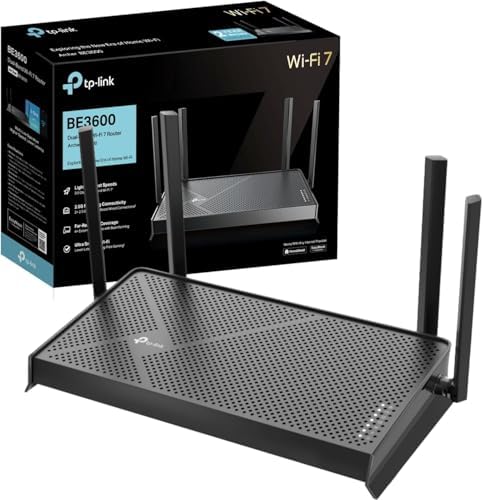

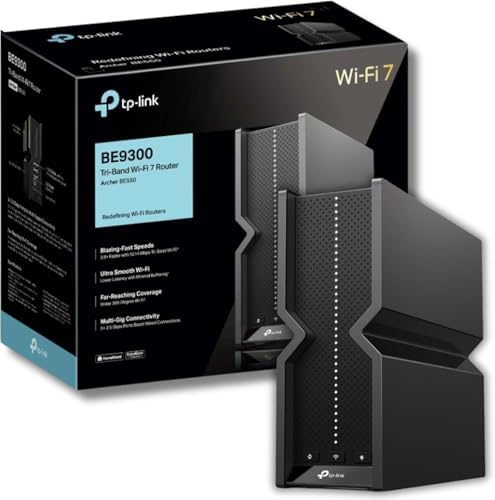
Another significant enhancement is the implementation of Multi-Link Operation (MLO), which enables devices to connect simultaneously across multiple bands. This capability allows for improved performance and reduced latency, ensuring that users experience smooth and lag-free connectivity, even during peak usage times. Coupled with advanced technologies such as Orthogonal Frequency Division Multiple Access (OFDMA) and improved beamforming techniques, Wi-Fi 7 is designed to deliver efficient data handling and optimize spectrum utilization.
In essence, Wi-Fi 7 technology addresses the evolving needs of consumers and businesses alike, providing a robust solution for high-performance activities. As the landscape of connectivity continues to evolve, investing in Wi-Fi 7 routers promises to offer unparalleled advantages for users demanding high-speed, reliable internet, particularly in the realm of cloud gaming where latency can make or break the experience.
The Impact of Latency in Cloud Gaming
Latency, commonly referred to as lag, is a critical factor affecting the quality of cloud gaming experiences. For gamers, any noticeable delay between their input and the game's response can severely impair gameplay responsiveness and overall satisfaction. In a world where quick reflexes often determine success, high latency can be the difference between victory and defeat.
Experts suggest that an optimal latency threshold for most gaming genres is ideally below 30 milliseconds. Games that rely heavily on real-time interactions, such as first-person shooters and multiplayer online battle arenas (MOBAs), are particularly sensitive to lag. For instance, a response time of 50 milliseconds may still be acceptable for leisurely play but can spell disaster in competitive environments where fractions of a second count.
According to a study conducted by the Gaming Consultancy Institute, 70% of gamers reported that they would abandon a game or cloud service with latency exceeding 100 milliseconds. This statistic underscores the critical importance of minimizing lag in enhancing user experiences. Furthermore, cloud gaming services often face unique challenges that amplify latency issues. The distance between the data center and the player's location can contribute significantly to latency. For instance, players accessing a cloud service from a remote area may encounter delays compared to those in proximity to data centers.
Overall, the gaming genre directly impacts the acceptable levels of latency. While some casual games may tolerate higher latencies, competitive players require immediate feedback from their actions, making lag a significant concern. As cloud gaming technology continues to evolve, so must the strategies to optimize user experiences by reducing latency to acceptable levels.
Why You Need a Wi-Fi 7 Router for AAA Gaming
As online gaming continues to evolve, particularly within the realm of triple-A titles that demand high performance and seamless connectivity, the necessity for advanced networking equipment has become increasingly clear. One of the most significant advancements in this area is Wi-Fi 7, a technology that promises to revolutionize your gaming experience. This cutting-edge router technology offers substantial improvements in bandwidth, latency, and reliability—essential attributes for competitive online and resource-intensive gaming scenarios.
The foremost advantage of Wi-Fi 7 routers is their increased bandwidth, which can accommodate multiple devices and high data demands concurrently. This is crucial in today’s gaming environments where players often engage in multiplayer setups. With bandwidth capabilities reaching up to 30 Gbps, Wi-Fi 7 ensures that your gaming sessions are not hindered by the demands of other devices, such as streaming services or downloads running simultaneously.
In addition to bandwidth, reduced latency is another critical feature that Wi-Fi 7 routers provide. Lower latency means that the time between your actions and your in-game responses is minimized, resulting in a smoother and more immersive gaming experience. This is particularly advantageous during fast-paced AAA games, where even milliseconds can determine the outcome of a match. The advanced technologies integrated into Wi-Fi 7 routers help to keep latency at remarkably low levels, providing gamers with a competitive edge.
Lastly, the enhanced reliability that comes with Wi-Fi 7 routers cannot be overlooked. These routers utilize advanced technologies, such as Multi-Link Operation (MLO), which allows for simultaneous connections across multiple bands. This feature significantly mitigates the risk of connectivity drops, ensuring that gamers maintain a steady and stable connection during crucial gaming sessions. In a world where a reliable internet connection can be a game-changer, investing in a Wi-Fi 7 router stands out as a thoughtful choice for serious gamers.
Top Features to Look for in Wi-Fi 7 Routers
When selecting a router for optimal gaming performance, particularly in the context of Wi-Fi 7, several key features stand out. These features not only enhance connectivity but also ensure that gamers experience a smooth and lag-free environment, which is crucial for immersive gaming sessions.
One of the most significant advancements in Wi-Fi 7 routers is multi-link operation (MLO). This innovative feature allows multiple radio links to be utilized simultaneously across the same device, which substantially increases data throughput and lowers latency. For gamers, this means reduced lag and enhanced reliability, especially in high-demand scenarios where performance can fluctuate.
Security is another paramount consideration when choosing a Wi-Fi 7 router. Advanced security protocols, such as WPA3, protect users against potential threats by offering stronger encryption methods and safeguarding personal information during online play. This enhanced security becomes increasingly important as gaming networks remain interconnected with online platforms, necessitating a robust defense against intrusion.
Moreover, the ability of Wi-Fi 7 routers to connect seamlessly with a variety of devices is crucial for gamers who often utilize multiple gadgets, including consoles, PCs, and mobile devices. The support for a broader range of devices ensures that connections remain stable and strong, enabling users to enjoy concurrent gameplay without sacrificing performance. This adaptability is essential not only for gaming but also for streaming and downloading large files.
Lastly, look for routers with features like prioritization of gaming traffic and low latency modes. These functions allow gamers to allocate bandwidth specifically for gaming applications, ensuring low ping and high responsiveness during gameplay. In the competitive gaming scene, these enhancements can make the difference between victory and defeat.
Comparing Leading Wi-Fi 7 Routers for Gaming
With the rise of cloud gaming and the expectations for seamless connectivity, Wi-Fi 7 routers have emerged as a vital component for gamers seeking optimal performance. In this section, we explore some of the top Wi-Fi 7 routers currently available, highlighting their gaming performance, unique features, user reviews, and pricing structure.
One notable contender is the ASUS ROG Rapture GT-BE98U, widely praised for its superior gaming capabilities. Featuring advanced traffic management and multiple gaming-focused settings, this router provides an impressive speed rating of up to 10 Gbps. Users have reported minimal latency during intense gaming sessions, making it a suitable choice for serious gamers who prioritize performance.
Another strong player in the Wi-Fi 7 arena is the Netgear Nighthawk RAXE300. This router not only boasts high-speed capabilities but also integrates user-friendly software for monitoring network traffic. Priced competitively, the RAXE300 caters to gamers who desire both aesthetic appeal and functionality, with many reviews highlighting its ability to support multiple devices without sacrificing speed.
For budget-conscious gamers, the TP-Link Archer GE800 stands out with its accessible pricing without compromising essential features. This router offers solid performance with speeds reaching 9.6 Gbps and includes advanced security options. User reviews point to its reliability for both casual and competitive gamers, proving that performance can be achieved at a lower price point.
Ultimately, selecting the right Wi-Fi 7 router depends on individual gaming needs and budget. The ASUS ROG Rapture is tailored for those seeking top-tier performance, while the Netgear Nighthawk merges functionality with modern design. Meanwhile, the TP-Link Archer provides a great entry point for gamers looking to upgrade without overspending.
Setting Up Your Wi-Fi 7 Router for Optimal Gaming Performance
To achieve the best performance from your Wi-Fi 7 router for gaming, follow these step-by-step guidelines. First, position your router in a central location within your home, preferably elevated, to ensure an even distribution of the Wi-Fi signal across your gaming areas. Avoid obstacles like walls and electronic devices that may interfere with connectivity.
Once the router is positioned, connect it to your modem using an Ethernet cable. Next, power on the router and access its configuration webpage by entering the router's IP address into a web browser. Log in using the default credentials provided with your device. It is advisable to change these credentials to enhance security.
Upon logging in, update the router's firmware to the latest version. Manufacturers regularly release updates that can enhance performance and security features, making this a critical step. After updating, navigate to the Wi-Fi settings. Set the wireless mode to 'Wi-Fi 7', ensuring that your devices can fully utilize the capabilities of the router.
Next, configure the Advanced Settings. For optimal gaming performance, enable Quality of Service (QoS) features. QoS allows you to prioritize network bandwidth for gaming devices, ensuring lower latency during online gaming sessions. Assign a high priority to devices you use for gaming, while setting other devices to a lower priority.
In addition to prioritizing bandwidth, ensure that your network is secure by using WPA3 encryption, which offers improved security over previous standards. Finally, consider creating a separate guest network for visitors to prevent bandwidth hogging. By implementing these steps, your Wi-Fi 7 router will be optimally set up, providing a seamless gaming experience with minimal lag.
Troubleshooting Common Wi-Fi Issues in Gaming
Online gaming relies heavily on stable and fast Wi-Fi connections. Unfortunately, gamers often encounter various Wi-Fi-related issues that can hinder their experience. Recognizing these issues and applying practical solutions can significantly enhance gaming performance.
One common problem is high latency, also known as ping. High latency can cause noticeable delays in gameplay, leading to frustrating lag. To troubleshoot this, first check your ISP speed; you may need to upgrade your plan if it does not meet your gaming needs. Additionally, consider connecting your gaming console or PC directly to the router using an Ethernet cable, as wired connections generally provide lower latency compared to wireless connections.
Another frequent issue is signal interference, which can arise from various devices in your home. Wireless signals can be disrupted by electronic devices such as microwaves and cordless phones. Try relocating your router to a central location within your home, away from other electronics. Moreover, you can also change the Wi-Fi channel in your router settings to minimize congestion on the network.
Connection drops are another source of frustration. This can happen due to a weak signal or an overloaded network. To prevent this, ensure your router’s firmware is updated regularly. Also, decrease the number of connected devices during gaming sessions to free up bandwidth. If your router supports it, switch to 5 GHz frequency, which often provides better performance over shorter distances.
Finally, consider the network settings specific to gaming. Many devices have Quality of Service (QoS) settings that allow you to prioritize gaming traffic. By enabling this feature, you can enhance your gaming experience by minimizing lag and ensuring a smoother connection.
The Future of Cloud Gaming and Wi-Fi Technology
The gaming landscape has experienced significant evolution, particularly through the convergence of cloud gaming and wireless technologies. As gamers increasingly turn to cloud-based platforms for immersive experiences, the role of efficient and reliable connectivity becomes paramount. The advent of Wi-Fi 7 technology promises to revolutionize this sector, effectively addressing the lag issues that once plagued online gaming.
Wi-Fi 7, also known as IEEE 802.11be, represents the newest standard in wireless communication, offering faster speeds and improved efficiency compared to its predecessors. With potential throughput exceeding 30 Gbps, this technology facilitates seamless gaming sessions, allowing players to engage in demanding AAA titles without the frustrating interruptions commonly associated with latency. The impact of this advancement on cloud gaming could be transformative, leading to a more engaging and enjoyable user experience.
As cloud gaming continues to gain momentum, we can anticipate a few notable trends that will shape the future. First, the integration of artificial intelligence within cloud gaming platforms is likely to create more personalized gaming experiences. Enhanced matchmaking processes and adaptive gameplay could be influenced by real-time data analytics, enabled by the robust connectivity provided by Wi-Fi 7.
Furthermore, the convergence of augmented reality (AR) and virtual reality (VR) with cloud technologies may redefine how gaming is experienced. With Wi-Fi 7’s superior bandwidth and lower latency, AR and VR applications can operate more smoothly, leading to richer, more interactive environments in online gaming.
Moreover, the expansion of mobile gaming through 5G technologies synergized with Wi-Fi 7 will also play a critical role. Players will soon be able to take their gaming experiences on-the-go while still benefiting from high-quality graphics and performance. This evolution signals a bright future for cloud gaming, with advancements in Wi-Fi technology acting as a cornerstone for this progression.
Conclusion: Transforming Your Gaming Experience with Wi-Fi 7
The advent of Wi-Fi 7 technology marks a significant evolution in the realm of wireless connectivity, particularly for gaming enthusiasts. Upgrading to a Wi-Fi 7 router can profoundly enhance your gaming experience by eliminating lag and ensuring seamless performance, which are crucial in today's competitive gaming landscape. With features such as increased bandwidth, lower latency, and the ability to connect multiple devices without interference, Wi-Fi 7 sets a new standard for online gaming.
One of the primary benefits of Wi-Fi 7 is its capacity to support high-speed connections, allowing gamers to enjoy high-definition graphics and smooth gameplay without the frustrations associated with slower networks. This advancement not only caters to Triple-A titles but also enriches the overall experience in cloud gaming, where every millisecond counts. Moreover, its advanced Multi-Link Operation (MLO) enables devices to connect using multiple bands simultaneously, which further minimizes latency issues and optimizes data transmission.
Additionally, the enhanced security protocols integrated into Wi-Fi 7 routers safeguard your network from potential vulnerabilities, ensuring that your gaming sessions remain secure. By investing in a Wi-Fi 7 router, you will not only transform your current setup but also future-proof it for upcoming advancements in both gaming technology and internet requirements. As game developers continually push the boundaries with cutting-edge graphics and expansive online experiences, having a robust and reliable network becomes essential.
For those heavily invested in online gaming, considering an upgrade to a Wi-Fi 7 router may be one of the best decisions you can make. It opens new horizons for your gaming experience, allowing for uninterrupted gameplay and the freedom to enjoy your favorite titles to their fullest potential.



0 Comments