Introduction to Neural Processing Units (NPU)
Neural Processing Units (NPUs) represent a significant advancement in the realm of artificial intelligence (AI) hardware. These specialized processors are designed to accelerate neural network computations, which play a critical role in the development of AI technologies. Unlike traditional CPUs and GPUs, NPUs are optimized for handling complex algorithms typically associated with machine learning and deep learning applications. This optimization enables NPUs to perform large-scale computations more efficiently and with greater energy effectiveness.
The core function of an NPU is to manage and execute the numerous mathematical operations required in neural networks, which often involve massive data sets and intricate architectures. By possessing a dedicated architecture tailored to neural network operations, NPUs can greatly enhance processing speed and overall performance. This is particularly crucial in applications that require real-time processing, such as speech recognition or image analysis, where latency is a significant concern.

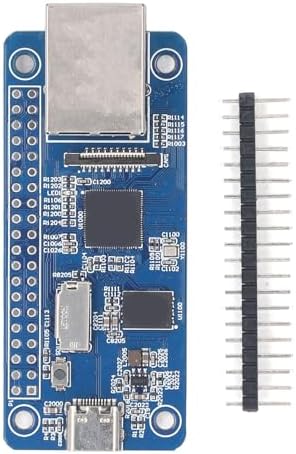
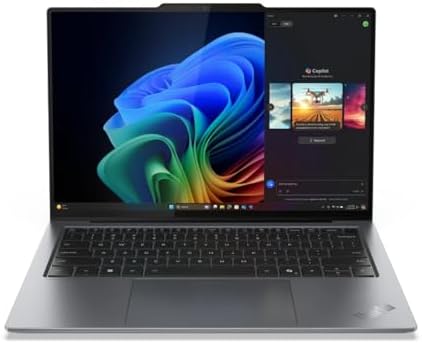
In the context of audio technologies, NPUs are becoming increasingly important in the development of smart speakers and other audio devices. The integration of NPUs allows these speakers to process complex audio signals more efficiently, resulting in improved sound quality and better voice recognition capabilities. Furthermore, the use of NPU-powered devices addresses pressing concerns related to AI privacy and data security. By enabling on-device processing, NPUs minimize the need to transmit sensitive data over the internet, thus maintaining user privacy while enhancing the overall performance of audio technology.
The Impact of NPU on Speaker Performance
Neural Processing Units (NPUs) play a pivotal role in enhancing the audio output capabilities of modern speakers. These specialized processors enable advanced computational techniques, bringing integral improvements to sound quality, responsiveness, and overall listening experience. One of the most notable benefits of incorporating an NPU within audio systems is the enhancement of sound clarity. By utilizing deep learning algorithms, NPUs can analyze and optimize audio signals in real-time, leading to crisp and precise sound reproduction that is unmatched by traditional speaker systems.
Furthermore, NPUs contribute significantly to the dynamic range of audio output. With their ability to process vast amounts of data at high speeds, NPUs can adjust audio levels dynamically, ensuring that both soft and loud sounds are rendered with consistent quality. This adaptability enables listeners to experience music, movies, and games as intended by creators, without compromising on any audio details. Additionally, the application of NPU technology allows for superior spatial awareness in sound reproduction. Advanced algorithms can interpret 3D audio signals, creating an immersive environment where sounds are placed accurately in space, enhancing the overall auditory experience.
The integration of NPUs into speaker design is proving to be essential in the ever-evolving landscape of audio technology. Their ability to facilitate personalized audio experiences, adapt to different environments, and continuously improve sound processing makes them indispensable for high-quality audio output. As consumers prioritize clarity, dynamic range, and spatial awareness, NPUs represent a crucial advancement, enabling speaker manufacturers to meet these demands effectively.
Understanding AI Privacy in Smart Speakers
The increasing integration of artificial intelligence (AI) within smart speakers has heightened the importance of AI privacy. These devices, powered by advanced machine learning algorithms, can collect and process various types of data to personalize user experiences. However, as the reliance on smart speakers grows, so does the public's concern regarding the management of private information.
Smart speakers utilize natural language processing (NLP) to understand and execute voice commands, which necessitates the continual collection of user data. This data can range from voice recordings to contextual information about user habits and preferences. While manufacturers often assert that this data collection is essential for enhancing functionality, it is crucial to examine the implications on privacy that accompany such practices.
The concern escalates when considering how and where this data is stored. Many smart speakers transmit recorded interactions to the cloud for processing, leading to potential vulnerabilities in data security. If adequate measures are not taken to encrypt and protect this data, it may be susceptible to unauthorized access, raising legitimate worries among users about their privacy being compromised.
Furthermore, the lack of transparency regarding data handling practices further aggravates these concerns. Users may not fully understand what data is being collected, how long it is retained, and whether it is shared with third parties. In this regard, the implementation of privacy controls becomes paramount. Developers must establish comprehensive privacy policies that prioritize user consent and the right to delete data.
In educating users about these issues, manufacturers can foster a more trustful relationship between consumers and technology, ultimately enhancing the experience while safeguarding individual privacy. As we look into more sophisticated smart devices, the dependence on AI privacy frameworks will become increasingly vital.
How NPUs Enhance Privacy in Audio Devices
The integration of Neural Processing Units (NPUs) into audio devices significantly enhances privacy by enabling on-device processing. This feature allows audio data to be processed locally, minimizing the need to transmit sensitive information to external servers. By keeping data processing within the device, users can be assured that their audio interactions remain private and secure.
One of the critical advantages of NPUs is their ability to perform complex tasks efficiently without reliance on cloud computing. This capability not only increases the speed of audio processing but also curbs the potential for data interception during transmission. When audio data is processed on-site, the risks associated with data breaches and unauthorized access are notably diminished. As a result, users can enjoy smart audio functionalities with greater peace of mind regarding their personal data.
Furthermore, NPUs facilitate real-time decision-making, which is essential for applications that require immediate feedback. This capability proves vital in scenarios such as voice recognition or adaptive sound profiles, where rapid processing is necessary for optimal performance. By leveraging on-device intelligence, audio devices equipped with NPUs can analyze user behavior and preferences without sending any identifiable information over the internet. Thus, this localized approach not only protects user privacy but also enhances the overall user experience.
In conclusion, the deployment of NPUs in audio devices offers a robust framework for safeguarding user privacy. Their emphasis on on-device processing, coupled with effective data management strategies, enables users to enjoy advanced audio experiences while significantly reducing the risk of data exposure. As privacy concerns continue to escalate in our digital age, the role of NPUs in audio technology becomes increasingly imperative.
Key Factors in Choosing Speakers with NPU
When selecting speakers equipped with Neural Processing Units (NPUs), several key factors should be taken into account to ensure an optimal experience. First and foremost, compatibility with existing smart home systems is essential. Consumers should check if the speakers can seamlessly integrate with other devices such as smart assistants, lighting systems, and home security technologies. This interconnectivity not only enhances convenience but also broadens the utility of the speaker in a smart home environment.
Secondly, sound quality is a critical consideration. Prospective buyers should examine audio metrics such as frequency response, total harmonic distortion, and sound pressure levels. A speaker with an NPU may offer advanced sound processing capabilities, which can enhance the audio experience by providing cleaner and more dynamic sound. Look for reviews and specifications that highlight these performance aspects to gauge the quality effectively.
Another important aspect is the overall user experience, which encompasses user interface design, ease of setup, and control options. Speakers with intuitive interfaces, whether through mobile applications or voice commands, tend to offer a more satisfying experience. Ensure that the speaker offers simple navigation and accessibility features that cater to various user profiles, including those less tech-savvy.
Finally, durability and warranty are often overlooked but crucial for long-term investment. Choosing speakers with a sturdy build and a trustworthy warranty can prevent future issues and expenses. It's advisable to consider customer reviews regarding product longevity and reliability to make a more informed decision.
Top Speakers with NPU on the Market
As artificial intelligence continues to evolve, the integration of Neural Processing Units (NPUs) in consumer electronics has become increasingly significant. Several leading audio manufacturers have started to incorporate NPUs in their speaker designs, enhancing both audio performance and data privacy. Below is a look at some of the top speakers on the market that utilize NPU technology.
The Sonos Five is a premium speaker known for its exceptional sound quality. Its NPU allows for real-time audio enhancements, optimizing sound based on the acoustics of the environment. This feature not only improves the listening experience but also processes voice commands securely, ensuring that privacy is maintained.
Another notable speaker is the Bose Home Speaker 500. This smart speaker combines impressive audio fidelity with an integrated NPU. The proprietary technology allows for personalized sound adjustments and enhances the speaker’s ability to interpret voice commands more accurately. Additionally, Bose has implemented privacy safeguards, ensuring that voice data is processed on-device whenever possible.
The Amazon Echo Studio is also worth mentioning. It features a high-fidelity audio experience powered by a built-in NPU that tailors sound according to the room's layout. Moreover, the Echo Studio emphasizes user privacy by allowing local processing of voice commands, reducing potential risks associated with sending data to the cloud.
Lastly, the Apple HomePod mini incorporates a sophisticated NPU that facilitates advanced audio processing. Its unique acoustic design coupled with on-device machine learning capabilities ensures a seamless and secure user experience. This commitment to privacy, alongside superior sound performance, makes the HomePod mini a compelling choice for those seeking a smart speaker.
In conclusion, speakers with NPUs are setting a new standard in the industry by marrying superior audio performance with robust privacy measures. Consumers now have access to devices that not only sound great but also prioritize their data security, proving that hardware truly matters in the age of AI.
Future Trends in Smart Speaker Technology
The evolution of smart speaker technology continues to transform the way consumers interact with sound systems. As we move towards a more connected world, the integration of Neural Processing Units (NPUs) is becoming increasingly significant. NPUs are specialized hardware designed to accelerate artificial intelligence applications, enabling more efficient processing of voice commands and improving the overall user experience.
One of the primary trends we can expect is the enhancement of AI processing capabilities within smart speakers. With NPUs at the helm, these devices will be better equipped to understand context, tone, and even emotional cues from users. This advancement will not only improve voice recognition accuracy but also make interactions feel more natural and intuitive. The integration of advanced voice processing algorithms will further enable these speakers to learn from user preferences and adapt over time, tailoring responses to individual needs.
Another critical area of development will focus on battery life and energy efficiency. The demand for longer usage periods without frequent charging has compelled manufacturers to optimize power management systems within smart speakers. The incorporation of NPUs is anticipated to play a vital role in this regard, as they are designed to perform complex computations with minimal energy consumption. As a result, consumers can expect smart speakers that last longer and perform better than their predecessors.
Privacy will remain a focal point as advancements continue. The use of on-device processing made possible by NPUs can enhance user privacy by limiting the amount of data transmitted to external servers. This shift towards local processing not only addresses privacy concerns but also reduces latency in response times, providing a seamless user experience. With these innovations, smart speakers will continue to evolve, aligning with consumer demands for smarter, more private technology solutions.
Consumer Awareness and AI Privacy
As artificial intelligence continues to evolve, it is crucial for consumers to remain informed about the privacy implications associated with the technology they utilize daily. AI devices, including speakers equipped with Neural Processing Units (NPUs), have transformed the landscape of home automation and personal assistance, making it easier for individuals to manage their daily tasks. However, the integration of such advanced hardware raises legitimate privacy concerns that consumers must consider.
Understanding how these devices work is essential for ensuring personal privacy. Many modern speakers process data locally using NPUs to enhance performance and responsiveness while minimizing reliance on cloud services. This approach can significantly reduce the amount of personal information transmitted over the internet, thereby diminishing exposure to potential data breaches. Consequently, users should be diligent in researching the specifications and privacy features of the products they are contemplating. Look for products that utilize local data processing as a means of safeguarding sensitive information.
Furthermore, consumers should familiarize themselves with data management settings available in their devices. Most modern speakers allow individuals to adjust privacy preferences, such as voice activation settings and data storage options. Users should regularly review and modify these settings to ensure that their personal information is handled according to their comfort levels.
In addition, staying informed about the manufacturer’s privacy policy can guide users toward making educated decisions. Companies often disclose how they collect, utilize, and protect consumer data. A transparent privacy policy not only reflects a brand’s commitment to customer safety but can also build trust between the consumer and manufacturer. Awareness surrounding these aspects can empower consumers to select devices that prioritize their privacy without sacrificing technological advancements.
Conclusion: The Balance Between Innovation and Privacy
As technology advances, particularly in the realm of artificial intelligence, the integration of Neural Processing Units (NPUs) within audio devices has become increasingly significant. These specialized processors are designed to enhance the capabilities of speakers, delivering superior sound quality while simultaneously supporting complex AI functionalities. However, as these innovations unfold, the imperative to address privacy concerns arises.
NPUs facilitate on-device processing, which is crucial for reducing latency and improving user experience. By handling data locally, these units can significantly minimize the amount of sensitive information that must be transmitted to cloud servers. This shift not only bolsters the efficiency of AI responses in smart speakers but also contributes to safeguarding user privacy. Users are increasingly becoming aware of how their data is utilized, making privacy a paramount consideration when adopting new technologies.
Moreover, the role of privacy is not merely a byproduct of technological advancement; it is a central theme that should coexist alongside innovation. Striking a balance between deploying state-of-the-art AI capabilities and ensuring that user data is protected is essential for fostering trust in these devices. As manufacturers integrate more intelligent features powered by NPUs, transparency regarding data handling practices becomes crucial. Consumers must be educated about how their information is used, stored, and secured.
Ultimately, the future of smart speakers equipped with NPUs hinges upon this delicate equilibrium. Continuous dialogue between developers, consumers, and policymakers is necessary to navigate the dual demands of innovation and privacy. By prioritizing both performance enhancements and user confidentiality, the audio industry can pave the way for a future where technology serves humanity without compromising individual rights.


0 Comments