Introduction to Smart Speakers and Privacy Concerns
In recent years, smart speakers have transformed the way individuals interact with technology and their living spaces. Devices such as Amazon Echo, Google Home, and Apple HomePod have gained significant traction in households due to their versatility, offering functionalities ranging from setting reminders and playing music to controlling connected home devices. Their appeal lies in the convenience they provide, allowing users to perform tasks through voice commands without the need for physical interfaces.
Despite their undeniable benefits, the growing presence of smart speakers has also sparked considerable debate regarding privacy. The core concern revolves around the fact that these devices are often equipped with always-listening capabilities, which pose potential risks to user confidentiality and data security. Consumers become apprehensive about the possibility that their conversations could be inadvertently recorded and transmitted. This necessitates the need for robust privacy measures that assure users their personal space is respected.
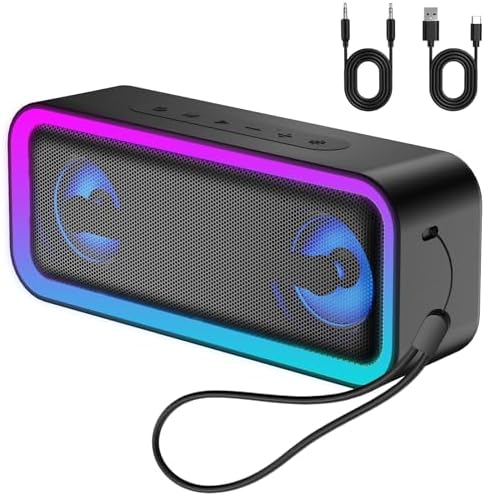
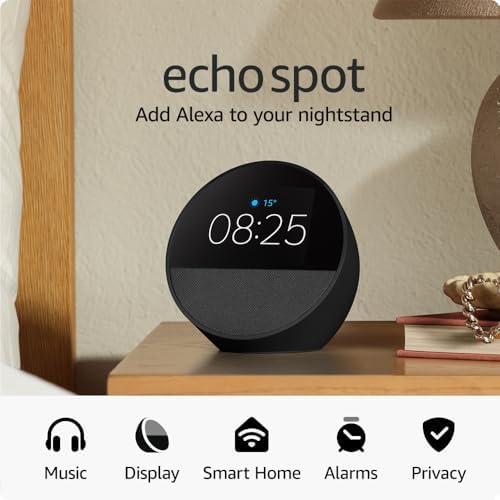
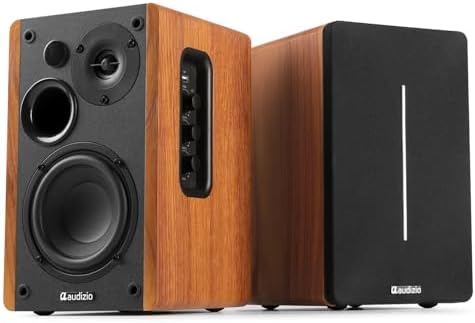

As privacy breaches gain attention in the digital age, many consumers are beginning to prioritize security features when making purchasing decisions for smart speakers. One vital measure that has emerged as essential for privacy-conscious users is the physical kill switch. This hand-operated control allows users to disconnect the microphone, ensuring that no audio captures occur when desired. By integrating such a feature, manufacturers can offer a degree of reassurance, thereby enhancing user trust in their products. In a landscape where technology continues to evolve rapidly, understanding the implications of using these devices and the importance of safeguarding personal privacy is crucial for consumers. It informs their choices in the market and underscores the pressing need for accountability from technology providers.
What is a Kill Switch and Why Does It Matter?
A kill switch, in the context of smart devices, refers to a physical mechanism that allows users to instantly disable specific functionalities of their device, particularly microphones and cameras. This feature is integral for safeguarding user privacy and ensuring that sensitive information does not become vulnerable to unauthorized access. As smart speakers and other IoT devices gain prominence in households, the need for robust privacy measures becomes increasingly critical.
The main function of a kill switch is to provide users with control over their devices. When activated, it effectively cuts off the device's connection to the internet or the specific hardware components such as the microphone and camera, thereby preventing any potential surveillance or data harvesting. In an age where data privacy concerns are paramount, many consumers seek devices that incorporate such functionalities to ensure peace of mind regarding their personal information.
The importance of a kill switch cannot be overstated, particularly in the face of growing incidents of cyberattacks and unauthorized access to connected devices. By allowing users to disconnect their smart speakers, a kill switch directly addresses fears about eavesdropping and pervasive data collection practices. This capability not only enhances personal privacy but also empowers users to manage their interaction with technology more effectively. As smart speaker manufacturers integrate such features, the appeal of these devices is likely to grow among privacy-conscious consumers.
Through the implementation of a physical kill switch, smart speakers can reassure users that they have the means to protect their privacy from potential vulnerabilities associated with always-on devices. This proactive measure is essential for anyone who values their personal information in an increasingly digital world.
Key Features to Consider in Smart Speakers
When evaluating smart speakers, it is crucial to examine a variety of features that significantly impact user experience and functionality. One of the primary considerations is sound quality, as the audio performance can greatly enhance the listening experience whether for music, podcasts, or audiobooks. Opting for a speaker with high-fidelity sound and robust bass response can make a profound difference, especially for audiophiles or casual listeners alike.
Another important feature to consider is compatibility with other devices. A smart speaker that can integrate seamlessly with a variety of smart home devices, such as lights, thermostats, and security systems, adds tremendous value. Look for speakers that support multiple platforms and ecosystems, ensuring they can work with your existing smart devices, thus offering flexibility and convenience in operation.
The user interface also plays a pivotal role in the overall usability of smart speakers. A responsive and intuitive interface makes it easier for users to navigate functions. Features like voice commands, touchscreen controls, and personalized settings can enhance the experience of using the device and make it more appealing to a wider audience.
Lastly, the presence of a physical kill switch is essential for privacy-conscious consumers. A physical switch that can disable the microphone not only assures users that their conversations cannot be inadvertently recorded but also contributes to a sense of security in an era where data privacy is of paramount importance. Overall, when selecting a smart speaker, it is advisable to thoroughly assess sound quality, compatibility, user interface, and privacy features like kill switches to find a device that best meets individual needs.
Best Smart Speakers with Physical Kill Switches of 2026
As privacy concerns continue to rise, many consumers are opting for smart speakers that come equipped with physical kill switches, allowing users to have complete control over their device's listening capabilities. In 2026, several notable models stand out in this category, providing excellent audio performance alongside enhanced privacy features.
The Amazon Echo Studio 3 has gained attention for its high-fidelity sound and built-in privacy kill switch. This model features five speakers, providing an immersive audio experience while ensuring users can deactivate the microphone when privacy is a concern. The Echo Studio 3 also supports multiple streaming services and smart home integration, making it a versatile choice, though some users have reported a less-than-intuitive app interface.
Another remarkable option is the Google Nest Audio Max. Known for its excellent sound quality and durable design, this smart speaker includes a physical switch that disables the microphone. Users appreciate the balance between audio quality and privacy, allowing for seamless voice commands when desired. However, its larger size may not fit well in all spaces, potentially limiting placement options.
The Apple HomePod Mini 2 also features a physical kill switch, maintaining Apple’s commitment to privacy. With advanced computational audio features, the HomePod Mini 2 delivers crisp sound and a compact design, suitable for any room. Although the device excels in delivering a personalized listening experience, its compatibility with non-Apple devices can be restrictive for some users.
Lastly, the Sonos One SL is a smart speaker that prioritizes audio quality and privacy. It includes a tactile kill switch that instantly disables the microphone. With its sleek design, the Sonos One SL is ideal for audiophiles who want to ensure their listening practices remain private. Despite its many strengths, it may not be the best choice for those seeking a budget-friendly smart speaker option.
Comparative Analysis: Smart Speakers with Kill Switches vs. Without
In the landscape of smart home technology, the emergence of smart speakers has significantly transformed user interaction and connectivity. However, the focus on privacy and security has sparked a debate between devices equipped with physical kill switches and those without such features. This comparison delves into the implications of both categories with regards to privacy, user experience, and overall security.
Smart speakers with physical kill switches provide a tangible method for users to disconnect the microphone, ensuring privacy when needed. This feature allows users to regain control, offering peace of mind—especially in a world increasingly concerned about cybersecurity threats. By physically silencing the device, individuals can confidently express sensitive information without the fear of unintentional recordings. Users of such devices often report heightened feelings of security, knowing that they possess a direct mechanism to safeguard their conversations.
Conversely, smart speakers lacking physical kill switches can pose greater risks regarding privacy. These devices often rely on digital settings or voice commands to disable the microphone, which may not feel as secure to many users. The absence of a physical switch can contribute to anxiety about potential unauthorized access or data breaches. Furthermore, the reliance on software to manage privacy settings may lead to user frustration, particularly for those unfamiliar with technical configurations.
However, smart speakers without kill switches often excel in user experience, providing seamless, hands-free operations. Users can engage with these devices without interruption, enjoying a more integrated experience with their smart home systems. Yet, this convenience comes at the cost of potential privacy concerns, contrasting sharply with the forthright protection offered by devices with kill switches.
Ultimately, the choice between smart speakers with or without physical kill switches hinges on the user's priorities—whether they value direct privacy control or a more streamlined user experience. Each option carries distinct advantages and drawbacks that must be weighed carefully.
Consumer Experiences: Real Stories of Using Smart Speakers
As privacy concerns continue to rise, many consumers are turning to smart speakers equipped with physical kill switches, hoping to regain control and peace of mind. These devices have garnered a mix of feedback, especially regarding their impact on daily life and security. One user, Sarah, shared her experience with a leading smart speaker with a physical switch. "I love the convenience of voice commands, but I always worried about privacy. Since getting a speaker with a kill switch, I feel more secure knowing I can disable it whenever I please. It's such a relief to bolster my home security effectively and effortlessly," she noted.
Another user, Mark, echoed similar sentiments about security. He described a situation where he sensed unusual activity on his Wi-Fi network. "The first thing I did was turn off my smart speaker using the kill switch. I appreciated having the ability to ensure that the microphone was no longer active. The feeling of immediate control was empowering and alleviated my concerns during that moment," he explained. This active engagement with privacy features adds value that extends beyond device usability for many users.
Conversely, some consumers have voiced concern regarding the usability of physical switches. Emma, a tech-savvy individual, revealed, "While I appreciate the privacy aspect, I noticed that I sometimes forget to turn the speaker back on after using the kill switch. It can be inconvenient. However, the trade-off is worth it for my peace of mind. Overall, having that option makes me feel safer in an increasingly digital world." Through these real-life accounts, it becomes evident that while the integration of physical kill switches enhances user security, it also necessitates consideration of device interaction in daily routines.
Future Trends in Smart Speaker Technology and Privacy
The rapid evolution of smart speaker technology is set to revolutionize not only the functionality of these devices but also the privacy features they offer. As consumers grow increasingly concerned about data security and privacy rights, manufacturers are compelled to prioritize user protection in their designs. One of the notable advancements expected in the upcoming years is the implementation of physical kill switches. A physical kill switch allows users to easily disconnect the microphone, providing a tangible sense of security and control over their personal data.
Industry analysts predict that such features will become standard across various models, as they align with growing consumer expectations for transparency and empowerment in technology. By incorporating physical switches, manufacturers not only enhance privacy but also build trust with users, who may currently feel apprehensive about constant listening capabilities inherent in smart speakers. This shift is likely to lead to a paradigm where privacy is not merely a value-added feature but a fundamental right of the consumer.
Emerging technologies are also paving the way for advancements in smart speaker security. Innovations such as automated alerts and customizable privacy settings will enable users to tailor their security measures according to their unique preferences. Machine learning may play a role in enhancing privacy through adaptive response systems that detect and mitigate suspicious activities. Additionally, blockchain technology presents a promising avenue to secure consumer data while enabling verification of privacy compliance among manufacturers.
As we move toward 2026, the integration of these technologies will shape the landscape of smart speakers, where privacy is seamlessly interwoven with performance. It is clear that as the demand for privacy grows, so too will the capabilities of smart speakers to meet consumer needs effectively.
Best Practices for Maintaining Privacy with Smart Speakers
As the number of connected devices in our homes continues to grow, ensuring privacy while using smart speakers has become increasingly paramount. While the inclusion of physical kill switches offers a layer of protection, users can adopt additional practices to further safeguard their personal information.
Firstly, regularly reviewing and adjusting the privacy settings of your smart speaker is essential. Many smart speakers allow users to manage their data collection preferences, including options to disable voice history or limit data sharing with third-party applications. Familiarizing yourself with these settings can significantly reduce the amount of information that is recorded or transmitted.
Additionally, it is advisable to keep smart speakers updated with the latest software and firmware. Manufacturers often release updates that fix security vulnerabilities and enhance user privacy settings. By enabling automatic updates, users ensure that their devices benefit from the latest security enhancements without needing to remember manual interventions.
Another recommended practice is to be mindful of the surrounding environment where the smart speaker is stationed. Placing the device in a less central location, away from private conversations, can minimize accidental data capture. Moreover, turning off the microphone when it is not in use—beyond just utilizing the physical kill switch—can offer added assurance against unauthorized listens.
Furthermore, users should be cautious about the integrations with third-party services. While these features enhance functionality, they may also increase the risk of compromising user privacy. It's advisable to carefully evaluate the need for each integration and deactivate those that are unnecessary.
In summary, while physical kill switches help protect privacy, adopting a comprehensive approach that includes adjusting settings, regular updates, environmental awareness, and careful management of integrations can significantly enhance security while using smart speakers.
Conclusion: Making an Informed Choice for Privacy and Security
As smart speakers become increasingly integrated into our daily lives, the importance of privacy and security cannot be overstated. These devices provide remarkable convenience, allowing users to control their environment with simple voice commands. However, with this convenience comes significant privacy concerns, particularly regarding the potential for unauthorized data access and surveillance. Therefore, selecting a smart speaker equipped with a physical kill switch is a prudent decision for those prioritizing their privacy.
A physical kill switch empowers users by providing an immediate and reliable way to disable the device's microphone, ensuring that conversations remain private. This essential feature complements the technical specifications and capabilities of various smart speakers. As consumers increasingly seek transparency from technology manufacturers, a device with a physical switch demonstrates a commitment to user privacy and security. It signifies that the manufacturer acknowledges the importance of protecting user data and personal interactions.
When evaluating options in the smart speaker market, it is crucial to weigh the pros and cons of each device carefully. Consider how often you may rely on voice-activated features versus the risks associated with having an always-on microphone. The integration of privacy-centric features in a smart speaker can greatly enhance peace of mind, allowing users to enjoy the benefits of smart technology without compromising their security.
In conclusion, opting for a smart speaker with a physical kill switch is a strategic approach to safeguarding personal privacy. This decision signals a balanced perspective on modern technology, emphasizing the importance of personal security while still embracing innovation. By making informed choices, consumers can navigate the evolving landscape of smart devices while mitigating potential risks to their privacy.




0 Comments