Introduction to Smart Garden Sensors
Smart garden sensors have emerged as an innovative solution for gardeners seeking to optimize plant health and growth. These technologically advanced tools are designed to monitor critical environmental factors, such as soil moisture levels, humidity, and sunlight exposure, enabling users to cultivate healthier plants with ease. By utilizing sensors connected to smartphones or other devices, gardeners can access real-time data on their plants' conditions, revolutionizing the gardening experience.
The rising popularity of smart garden sensors can be attributed to several factors, including the increasing interest in sustainable gardening practices and the growing need for efficient resource management. Gardeners, whether seasoned or new to the hobby, are increasingly turning to technology to assist them in maintaining optimal growing conditions. This trend aligns with the broader movement toward smart home innovations, where convenience and efficiency are paramount.
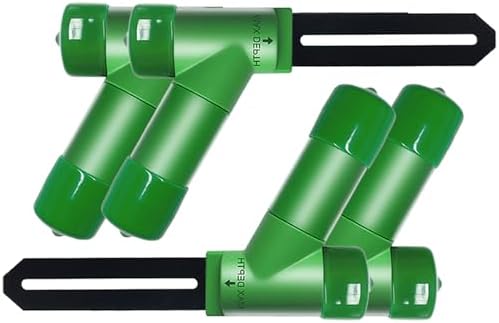
- NOTE BEFORE PURCHASE: Ecowitt WH51 soil moisture sensor could not directly display the soil humidity readout, which can ...
- Reliable Wireless Soil Moisture Meter: Equipped with advanced chip, ECOWITT WH51 wireless soil moisture sensor collect s...
- Need Gateways or Consoles: The 4PCS WH51are accessoris and needs the gateways (GW1100/GW12000/GW2000/GW3000/WS6210) or c...
These devices use various technologies, such as IoT (Internet of Things) and wireless communication, to provide instant feedback to users. For instance, a smart sensor placed in the soil can detect moisture levels and send alerts to the gardener's smartphone when it is time for watering. Similarly, sunlight sensors gauge light exposure, helping gardeners understand if their plants are receiving sufficient natural light for healthy growth. The integration of these smart technologies not only enhances plant care but also enables users to make informed decisions based on accurate data rather than guesswork.
This blog post aims to guide readers in selecting the best smart garden sensors tailored to their gardening needs. By exploring the features, benefits, and top products available on the market, we will provide valuable insights that can help gardeners harness the power of technology to achieve their gardening goals effectively.
Benefits of Using Smart Garden Sensors
The advent of smart garden sensors has revolutionized traditional gardening practices, offering numerous advantages that can significantly enhance plant health and cultivation success. One of the primary benefits of these sensors is their ability to provide real-time data regarding soil moisture and sunlight levels. This allows gardeners to make well-informed decisions regarding irrigation and exposure to light, thereby minimizing the guesswork traditionally associated with gardening. By eliminating uncertainty, smart sensors help to create optimal growing conditions for plants, ensuring they receive the proper amount of water and sunlight necessary for healthy growth.
Incorporating smart garden sensors not only improves the overall health of plants but also contributes to time-saving advantages for gardeners. By automating the monitoring process, these devices reduce the frequency with which individuals must physically check their plants. Not only does this lead to labor savings, but it also allows gardeners to devote more time to other essential gardening tasks or leisure activities. With the ability to receive alerts and notifications directly on a smartphone, users can promptly address any immediate needs of their plants without making frequent trips to the garden.
Moreover, smart sensors can increase overall success in plant cultivation, particularly for novice gardeners. These devices often come with apps that provide helpful tips and tailored advice based on the specific needs of the plants being monitored. This combination of expert guidance and precise environmental data fosters a more knowledgeable approach to gardening, thus increasing the likelihood of successful plant growth and reducing the frustration that often comes with traditional gardening methods.
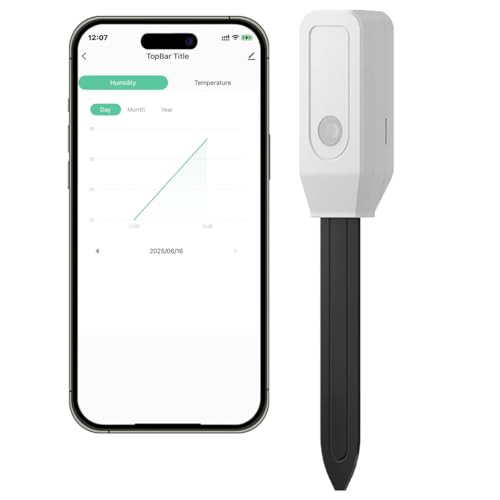
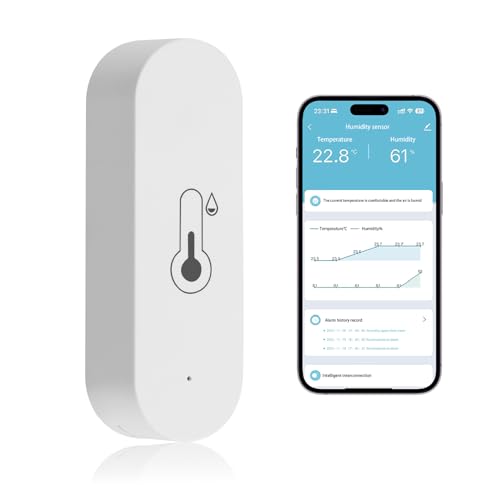
- Zigbee Hub Needed---Remotely monitor soil temperature and humidity. No need to visit frequently; simply use the mobile a...
- Precise measurement---Temperature measurement accuracy up to ±1°, humidity measurement accuracy up to ±10%, and update f...
- Compact design---This Zigbee smart soil temperature and humidity sensor features an ultra-compact design, weighing only ...
Key Features to Look for in Smart Garden Sensors
When selecting smart garden sensors, several key features should be prioritized to enhance effective monitoring and improve plant care. Among these, soil moisture accuracy is crucial. Accurate readings of moisture levels help gardeners determine when to water their plants, preventing both overwatering and underwatering, which can lead to plant stress or death. A quality smart sensor should provide real-time data on soil moisture levels, allowing for timely interventions.
Another essential feature is the inclusion of sunlight sensors. These sensors measure the amount of sunlight reaching your plants, providing insights into whether they are receiving adequate light for healthy growth. With an accurate sunlight measurement, gardeners can make informed decisions about plant placement and schedule, ensuring optimal growth conditions.
Mobile app compatibility is a significant advantage of modern garden sensors. A user-friendly app allows for easy access to sensor data, notifications, and insights. It enhances the user experience by offering customization options for alerts and reminders based on individual plant requirements. This integration allows gardeners to monitor their gardens directly from their smartphones, making it easier to maintain the health of plants from anywhere.
Battery life should also be considered when choosing smart garden sensors. Sensors with longer battery life reduce the frequency of upkeep and ensure continuous monitoring. Additionally, understanding the connectivity options is paramount for optimal performance. Sensors may use Wi-Fi or Bluetooth; Wi-Fi-connected sensors usually provide a wider range and remote access capabilities, enabling constant monitoring without the need for proximity.
Top Smart Garden Sensors on the Market
With the rising popularity of smart gardening, several innovative sensors have emerged to assist garden enthusiasts in monitoring and managing their plants. Below is a curated list of top smart garden sensors available today, catering to various gardening needs and budgets.
1. Xiaomi MiFlora Plant Sensor: This affordable and easy-to-use sensor measures soil moisture, temperature, light intensity, and fertility. It connects to a smartphone app via Bluetooth, allowing users to track their plants' needs efficiently. Its compact design makes it suitable for indoor and outdoor gardens alike.
2. Parrot Flower Power: Equipped with a range of sensors, the Parrot Flower Power offers comprehensive readings on sunlight, soil moisture levels, temperature, and fertilizer. Its wireless capabilities let users connect via Bluetooth, and its long battery life ensures prolonged monitoring. This device is particularly popular among plant lovers who maintain a variety of plants.
3. Eve Room: Designed primarily for indoor use, the Eve Room sensor tracks temperature, humidity, and air quality to create an optimal environment for indoor plants. The connected app gives detailed insights and recommendations, perfect for urban gardeners wanting to maintain a lush indoor space.
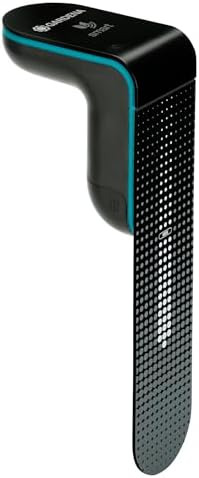
4. Gardena Smart Sensor: Targeted at outdoor enthusiasts, the Gardena Smart Sensor measures soil moisture and provides valuable irrigation information. Its wireless functions integrate seamlessly with Gardena's irrigation systems, allowing for automatic adjustments based on real-time garden conditions.
5. Senserion SHT35: A premium option for serious gardeners, this sensor provides precise measurements of humidity and temperature, crucial for monitoring plant health. Its high precision makes it suitable for scientific gardening applications, ensuring that even the most delicate plants thrive.
Each of these sensors offers unique features catered to different gardening styles and environments. By selecting a smart garden sensor that meets individual needs, gardeners can ensure optimal plant health and a flourishing garden.
How to Set Up and Use Smart Garden Sensors
Setting up smart garden sensors is a straightforward process that enables efficient monitoring of soil conditions and sunlight levels directly from your smartphone. To begin, the first step is to gather all necessary tools and equipment, which typically include the smart garden sensors themselves, a smartphone, and the manufacturer's installation instructions.
The initial installation phase involves placing the sensors into the soil of your garden or potted plants. Ensure that you position them at a depth where they can accurately measure soil moisture and light exposure. Each sensor may have specific depth requirements; hence, following the manufacturer’s recommendations is crucial for effective functionality.
After positioning the sensors, download the corresponding mobile application recommended by the manufacturer. This app serves as the central hub for monitoring your garden's conditions. It can be found in the respective app store on Android or iOS devices. Once downloaded, open the app and create an account if necessary, which will allow you to synchronize the sensors with your smartphone.
For synchronization, follow the in-app instructions that typically involve connecting the sensors to your home Wi-Fi network. Some devices may use Bluetooth for a direct connection, which can simplify the setup process. Ensure that your smartphone's location services are enabled if prompted, as this can enhance the sensor's performance.
Once the sensors are successfully connected to your smartphone, familiarize yourself with the dashboard within the app. It displays real-time data regarding soil moisture, light levels, and even temperature, depending on the sensor's capabilities. To maximize their functionalities, consider setting alerts for critical thresholds, such as low moisture levels, which can improve your plant care routines and overall garden health.
Interpreting Data: Understanding Soil Moisture and Sunlight Readings
Smart garden sensors provide essential data that can significantly enhance gardening practices. Among the most critical data points are soil moisture levels and sunlight exposure, both of which are vital for optimal plant health. Understanding these readings allows gardeners to make informed decisions to promote growth and prevent issues such as overwatering or insufficient light.
When interpreting soil moisture readings, it is important to recognize the scale typically used by these sensors. Most devices will report moisture levels on a scale from 0 to 100%, where a higher percentage indicates wetter soil. A reading of 30% or lower may suggest that the soil is becoming too dry, necessitating additional watering. Conversely, a reading above 60% could indicate that the soil is overly saturated, which can lead to root rot. Therefore, gardeners should strive for a balanced moisture level tailored to their specific plant varieties.
Sunlight exposure data is equally valuable. Smart sensors often categorize light levels as low, medium, or high, helping gardeners determine whether their plants are receiving the right amount of sunlight. Most plants flourish in bright, indirect light; thus, if readings indicate that sunlight exposure is inadequate, gardeners may need to relocate plants to sunnier spots or consider supplemental lighting in shaded areas. Conversely, excessive sunlight can lead to leaf scorch, so it is crucial to monitor and adjust plant placement based on the sensor's readings.
In summary, the data gathered from smart garden sensors regarding soil moisture and sunlight exposure is instrumental in fostering a healthy garden. By regularly checking these readings, gardeners can modify their maintenance routines, ensuring that their plants receive the optimal conditions for growth. This proactive approach can lead to healthier, more vibrant plants and a more successful gardening experience overall.
Common Issues and Troubleshooting with Smart Garden Sensors
Smart garden sensors have gained popularity for their ability to monitor soil moisture and sunlight levels, providing gardeners with valuable data through smartphone applications. However, as with any technology, users may face common issues that can hinder the effective use of these devices. Understanding these problems and exploring suitable troubleshooting methods can significantly enhance the user experience.
One frequent issue is connectivity problems. Many smart garden sensors rely on Wi-Fi or Bluetooth to transmit data to the user's smartphone. If users experience disconnection or difficulty pairing the device with their smartphone, it is advisable to first check the strength of the Wi-Fi or Bluetooth signal in the area. Furthermore, ensuring that the app and the firmware of the sensor are updated to the latest versions can resolve many connectivity issues. Rebooting the sensor or resetting it to factory settings can also work as a practical troubleshooting step.
Another challenge faced by users pertains to app glitches. Users may find the mobile application to be unresponsive or displaying incorrect data. In these instances, closing and reopening the app can often help rectify temporary glitches. Additionally, clearing the app's cache or reinstalling it can fix persistent problems. Frequent updates from developers aim to improve functionality, so keeping the application updated is essential.
Moreover, inaccuracies in sensor readings can lead to confusion, particularly concerning soil moisture and sunlight levels. These inaccuracies may result from environmental factors, such as recent rainfall or extreme temperatures affecting sensor calibration. If discrepancies are observed, users should ensure that the sensor is installed in an appropriate location and is free from obstructions. If issues persist, contacting customer support for the device can provide further guidance and assistance.
Real-Life Experiences: Testimonials from Gardeners Using Smart Sensors
Many gardeners have embraced smart garden sensors as essential tools for improving their gardening practices. For instance, Claire Thompson, an avid vegetable gardener in Ohio, shared her experience of using a soil moisture sensor last summer. She noted a marked improvement in her vegetables' health due to the ability to monitor moisture levels via her smartphone. Previously, Claire relied on feel and guesswork to determine when to water her plants. After employing the sensors, she found that only watering when the sensors indicated dry soil resulted in vibrant, lush crops. She highlighted the convenience of receiving alerts directly on her smartphone, freeing her from the worry of over or under-watering.
An additional case is that of Tom Rodriguez, who manages a small flower garden in California. He integrated sunlight and moisture sensors into his gardening routine. Tom reported that these smart devices allowed him to optimize the placement of his flower beds. By monitoring sunlight exposure through the app, he repositioned some plants to ensure they received maximum light, which significantly enhanced their blooming cycles. However, he did face challenges as well; Tom explained that interpreting the data initially presented a learning curve, and he had to acclimatize himself to using the technology effectively.
Furthermore, Emily Johnson, a gardener from Texas, expressed satisfaction with how smart sensors contributed to water conservation in her garden. By utilizing a weather-responsive sensor, she adjusted her watering schedule to respond to rainfall predictions. As a result, she noticed reduced water usage and lower utility bills without sacrificing the quality of her plants.
These testimonials underscore the transformative impact that smart garden sensors have on gardening practices, leading to improved plant health, efficient water use, and an overall enhanced gardening experience.
Conclusion and Future Trends in Smart Gardening Technology
As we reflect on the advantages of employing smart garden sensors, it is clear that these technologies represent a leap forward in efficient gardening practices. By accurately tracking soil moisture levels and sunlight exposure through smartphone applications, gardeners can make data-driven decisions that improve the health of their plants. This integration of technology not only enhances the gardening experience but also conserves resources, ultimately contributing to environmental sustainability.
Looking ahead, the future of smart gardening technology seems promising. Continued advancements in sensor capabilities are anticipated, leading to more precise measurements of soil nutrients and pH levels, alongside current moisture and light tracking functionalities. This could enable gardeners to monitor their plant's health more effectively, making proactive adjustments that can enhance productivity.
Moreover, we expect to see increased integration of smart garden sensors with other smart home devices. For instance, synchronization with weather monitoring systems could provide real-time data on external conditions, allowing for more responsive watering schedules based on upcoming weather patterns. Additionally, compatibility with home automation systems may further streamline gardening processes, enabling features such as automated irrigation or controlled lighting based on data received from the sensors.
In summary, as smart gardening technology continues to evolve, its potential to revolutionize the way we cultivate plants is immense. By embracing these technologies, gardeners can significantly improve their gardening efficiency and plant health, paving the way for a smarter, more sustainable approach to gardening.

0 Comments