Introduction to Palm-Vein Technology
Palm-vein technology represents a significant advancement in biometric security, utilizing the unique pattern of veins beneath the skin of a user's palm for authentication. This method is based on the premise that each individual possesses a distinct vein pattern, which is both complex and difficult to replicate, making it an ideal choice for secure access systems. The integration of palm-vein recognition into smart locks offers a convenient and secure alternative to traditional methods such as keys and passwords.
The science behind palm-vein recognition lies in its non-intrusive nature. The process involves the use of near-infrared light to illuminate the palm, which highlights the veins due to their unique absorption properties. A camera captures this pattern, which is then converted into a digital template that is securely stored for future access. This method is considered more secure than fingerprint or facial recognition technology, as it is less susceptible to forgery and environmental factors such as dirt or moisture.

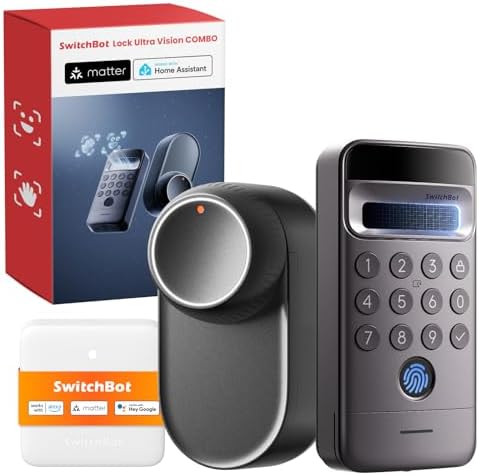


One of the primary benefits of palm-vein technology is its speed and efficiency in granting access. Users can simply wave their palm in front of the smart lock, allowing for seamless entry without the need to fumble with keys or remember complex passwords. This ease of use has contributed to its growing popularity in home security systems, as homeowners seek more reliable and efficient methods to safeguard their properties. Moreover, the widespread availability of palm-vein technology in various smart locks demonstrates its potential to become the new gold standard in biometric security.
Understanding Biometrics: A Brief Overview
Biometrics refers to the technological measurement and statistical analysis of individuals' unique biological characteristics. This field has evolved considerably since its inception, with applications in security, personal identification, and access control. Historically, biometrics began with physical attributes like fingerprints, which became popular in law enforcement during the late 19th century. The introduction of fingerprint recognition technology marked a significant milestone, leading to the development of various identification techniques.
As technology progressed, biometric systems expanded to include facial recognition and iris scans, both of which utilize distinct anatomical features for identification purposes. Facial recognition analyzes the unique facial contours and features of an individual, while iris recognition focuses on the distinct patterns found in the colored part of the eye. These methods have seen growing implementation in modern security systems, yet challenges such as accuracy under different lighting and the possibility of false positives persist.
Entering the scene more recently, palm-vein recognition has emerged as an innovative form of biometric identification. This method captures the unique patterns of veins within an individual's palm using near-infrared light, making it highly secure and difficult to replicate. The accuracy of palm-vein recognition minimizes the risk of fraud and improves user convenience when compared to traditional methods.
With the evolution of biometric technologies, the focus has increasingly turned to developing systems that enhance not only security but also user experience. As such, biometric solutions like 'wave-to-unlock' smart locks that leverage palm-vein recognition have been recognized as the new gold standard in biometric identification. Their seamless integration into daily life underscores the potential for biometrics to redefine personal security and accessibility.
The Advantages of Palm-Vein Smart Locks
Palm-vein smart locks offer numerous advantages, making them an appealing alternative to traditional locking systems and even other biometric methods. To begin with, one of the primary benefits of this innovative locking technology is enhanced security. Unlike fingerprints, which can be copied or faked, palm vein patterns are unique to each individual and difficult to replicate. This intrinsic security feature ensures that unauthorized access is significantly minimized, providing users with peace of mind that their premises remain secured.
Convenience is another vital advantage of palm-vein smart locks. Users can unlock doors simply by waving their hands in front of the sensor, eliminating the need for keys, cards, or even remembering complex passwords. This ease of use is particularly beneficial in high-traffic environments, where quick access is essential, such as in commercial buildings or residential complexes. Furthermore, the technology's speed and efficiency make it ideal for individuals with physical limitations, who may struggle with traditional locking mechanisms.
Hygiene is also a key consideration when discussing the benefits of palm-vein smart locks. In a world increasingly aware of health concerns, touchless access systems significantly reduce the risk of germ transmission. Since users can unlock doors without making physical contact, the spread of bacteria and viruses is decreased, promoting a cleaner and safer environment. Additionally, compared to other biometric methods such as fingerprint recognition, palm-vein technology typically has a lower risk of false positives and negatives. The infrared scanning technology ensures that only the unique vein patterns of a user's palm are recognized, greatly enhancing the reliability of access.
How 'Wave-to-Unlock' Technology Works
The 'wave-to-unlock' technology utilized in palm-vein smart locks represents a significant advancement in biometric security. At its core, this system operates on the principle of scanning and recognizing unique vein patterns located beneath the surface of the skin in a user's palm. Unlike traditional fingerprint or facial recognition systems, which can be easily spoofed, palm-vein recognition offers a higher level of security by relying on internal biological characteristics that are inherently difficult to replicate.
The functionality of this technology begins when a user places their palm in front of the sensor embedded within the smart lock. The device employs near-infrared light, which effectively penetrates the skin and allows for the capture of vein patterns. These patterns are unique to each individual, much like fingerprints. The sensor detects hemoglobin in the blood, which absorbs the infrared light, thus creating a clear and distinguishable image of the vein structure.
Once the image is captured, sophisticated algorithms process the data and convert the vein pattern into a digital format. This digital representation is then compared against the pre-stored profiles in the system’s database to validate the user’s identity. If a match is found, the lock mechanism is triggered to grant access. This method is not only quick and efficient but also inherently secure, as vein patterns remain constant throughout an individual's life and cannot be transferred or altered. Moreover, the 'wave-to-unlock' functionality enhances user convenience by eliminating the need for physical keys or codes, thus simplifying the access process while maintaining the utmost security.
Top Palm-Vein Smart Locks in the Market
The proliferation of palm-vein smart locks has revolutionized home security, integrating advanced biometric technology with user-friendly functionality. This section aims to provide a comprehensive overview of some of the top palm-vein smart locks currently available, detailing their unique features, price ranges, and user reviews.
One of the leading products in this category is the SentryPalm Pro Lock. Known for its swift deployment and accuracy, this model utilizes a 3D imaging system for precise palm-vein recognition. Users have praised its fast unlocking mechanism and stylish design, which blends seamlessly with modern home aesthetics. Priced around $299, it stands as a competitive option for those seeking reliability and elegance.
Another noteworthy contender is the VeneerSafe 3000. This lock boasts a dual biometric system, utilizing both palm-vein and fingerprint recognition. Such versatility ensures that users can personalize their access methods based on convenience or security needs. Retailing at approximately $349, the VeneerSafe has received high ratings for its robust security features and ease of installation, making it a viable choice for many consumers.
Additionally, the PalmGuard Elite has garnered attention for its seamless integration with smart home systems. Featuring Wi-Fi connectivity, it allows users to manage access remotely, which is particularly beneficial during travel. The price point of around $399 reflects its enhanced technological capabilities and compatibility with various home automation platforms.
Each of these palm-vein smart locks exemplifies the leading edge of biometric technology, offering users enhanced security paired with thoughtful design. As the market continues to evolve, the emphasis on innovation and user accessibility will only grow, solidifying palm-vein technology as a gold standard in home security solutions.
Security Features of Palm-Vein Smart Locks
Palm-vein smart locks represent a significant leap forward in security technology, integrating advanced features that enhance both convenience and protection. One of the most compelling aspects of these locks is their use of a unique biometric identification system, which scans the veins in a user's palm for authentication. This method is notably more secure compared to traditional fingerprint or facial recognition systems due to its inherent difficulty to emulate or replicate.
Encryption plays a crucial role in safeguarding the data collected by these smart locks. Most palm-vein locks use robust encryption protocols to protect the biometric data from unauthorized access. This ensures that even if the lock's data were intercepted, it would remain unreadable and secure. Such high-level encryption protocols help in mitigating risks of identity theft or unauthorized entry.
Emergency access options are also an important facet of palm-vein smart locks. Many models come equipped with backup features, such as a physical key or a secondary biometric method. This redundancy is vital in situations where the primary system fails, guaranteeing that entry is still possible under critical circumstances.
Furthermore, palm-vein smart locks often incorporate multi-factor authentication capabilities. This involves the requirement of two or more verification methods to gain access, such as combining palm vein recognition with a numeric PIN or a mobile authentication app. By utilizing multiple forms of identification, these locks significantly lower the likelihood of unauthorized access.
In essence, the security features of palm-vein smart locks are comprehensive and thoughtfully designed to provide maximum protection. These locks not only prioritize user convenience through innovative technology but also instill confidence through their robust security measures, setting a new standard in biometric access control systems.
Hygiene and Maintenance of Smart Locks
In the context of increasing awareness around hygiene, particularly during and after the pandemic, palm-vein smart locks present a significant advancement in keyless entry technology. Unlike traditional locks that require the use of physical keys, these smart locks utilize biometric scanning of an individual’s unique palm vein pattern for access. This feature inherently reduces the need for common touch points, thereby minimizing the risk of transmission of pathogens.
To uphold the hygiene of palm-vein smart locks, regular maintenance is essential. Since these locks operate through advanced sensors, it is advisable to keep the scanning area and surrounding surfaces clean and free from dust and grime. A simple solution of mild soap and water or isopropyl alcohol can suffice, but care should be taken not to saturate the device as it may damage sensitive electronic components. Wiping down the lock periodically with a soft microfiber cloth will help maintain its performance and aesthetic appeal.
Moreover, ensuring that the lock’s software is up to date is crucial for both security and functionality. Manufacturers often release firmware updates that can improve the lock’s performance and potentially include enhancements related to hygiene protocols, such as improving sensor accuracy or reducing response times. Users should regularly check for these updates to optimize the lock's efficacy.
Lastly, it is also helpful to adopt good practices in hand hygiene. Even though palm-vein locks minimize touch-based interactions, washing hands or using hand sanitizer prior to using the lock can further reduce any potential risks. As smart home technology continues to evolve, integrating hygiene-related practices will ensure that these innovative systems serve their intended purpose effectively and safely over time.
User Experiences and Testimonials
The advent of palm-vein smart locks has garnered notable attention from users, particularly due to their innovative feature, the 'wave-to-unlock' technology. Many users have praised this biometric security system for its seamless convenience and high level of security. One homeowner expressed their satisfaction by stating, "I love how simply waving my hand can unlock the door. My hands are often full, and this feature has made entering my home so much easier."
Another user highlighted the enhanced safety measures associated with palm-vein recognition. They remarked, "I feel more secure knowing that my lock reads unique palm patterns. Unlike traditional keys or even fingerprints, my palm-vein data cannot be easily replicated, making this security solution highly dependable." Such feedback reflects a growing inclination towards biometric systems that prioritize user safety and convenience.
However, it is important to include a balanced perspective on user experiences. Some individuals have raised concerns regarding the reliability of the sensors. One user noted, "In certain lighting conditions, the sensor struggled to identify my palm veins. It doesn't happen often, but it's a bit inconvenient when I'm in a hurry." Additionally, another customer mentioned occasional calibration issues, saying, "I had to recalibrate the device after a few months, and it was somewhat frustrating." These experiences demonstrate that while palm-vein smart locks are generally well-received, not all users encounter an entirely smooth transition.
In summary, testimonials from users of palm-vein smart locks reveal a mix of positive experiences and constructive criticisms. The convenience and enhanced security provided by the 'wave-to-unlock' feature have made it a favored choice for many. However, the occasional technical challenges faced by users warrant consideration, emphasizing the need for continued improvement in this promising technology.
The Future of Smart Lock Technology
As we advance into a new era of security solutions, smart lock technology is anticipated to evolve significantly, particularly in the realm of biometric applications. This future landscape is expected to be shaped primarily by the refinement and integration of palm-vein technology, which stands as a leading contender for efficient and secure access management. Unlike traditional biometric systems, palm-vein recognition scans the unique patterns of veins beneath the skin's surface, offering a blend of accuracy and user-friendliness.
Every new iteration of smart locks appears increasingly focused on enhancing security, user experience, and convenience. One promising trend is the potential for multi-modal biometric systems that combine palm-vein recognition with other factors such as facial recognition and fingerprint scanning. This multi-layered approach aims to mitigate the limitations associated with single-method authentication, bringing about a new standard in access control.
Moreover, the integration of IoT (Internet of Things) technology into smart locks presents exciting possibilities. Future smart locks may utilize machine learning algorithms to adapt and respond to user behavior, offering personalized security measures. Furthermore, connectivity with home automation systems could allow users to control access remotely, receive real-time alerts, and even integrate smart locks with other home security features.
Innovations will likely extend to accessibility and user convenience as well. For instance, developers may explore the potential of voice-activated unlocking mechanisms, empowering individuals with disabilities to unlock doors seamlessly. Additionally, as privacy concerns continue to rise, future smart lock solutions will need to prioritize data security, ensuring that biometric information is stored securely and used responsibly.
In conclusion, the future of smart lock technology appears both promising and dynamic. With advancements in palm-vein technology and the incorporation of complementary features, we are poised to witness enhanced security measures that redefine how we approach access control in our homes and businesses.




0 Comments