Introduction to Matter Technology and Smart Hubs
In recent years, the proliferation of smart home devices has showcased an increasing demand for interoperability within smart ecosystems. Matter technology, developed by the Connectivity Standards Alliance (CSA), stands at the forefront of addressing this need. It introduces a unified standard that allows disparate smart home products from varying manufacturers to communicate seamlessly, enhancing user experience and security.
As homeowners adopt a multitude of smart devices—from security cameras to lighting sensors—the challenge of ensuring compatibility across platforms has become evident. Traditionally, different ecosystems, such as Apple HomeKit, Amazon Alexa, and Google Assistant, operated in silos, making it difficult for users to integrate devices across these varying platforms. This fragmentation not only creates a cumbersome user experience but can also lead to vulnerabilities within the connected home setup.
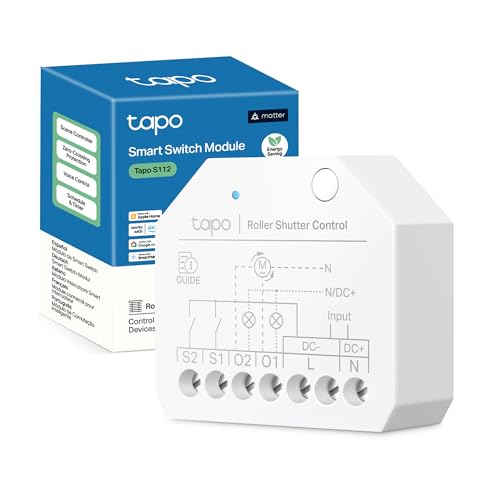
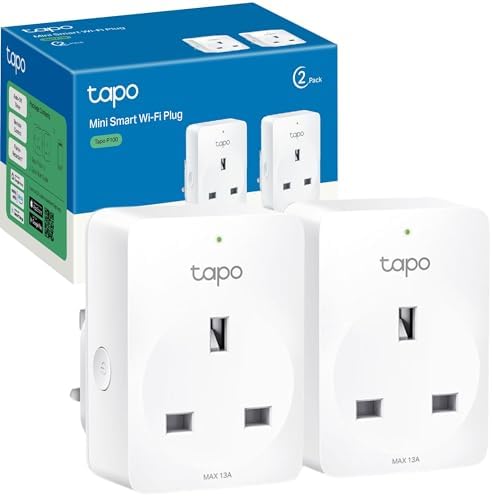
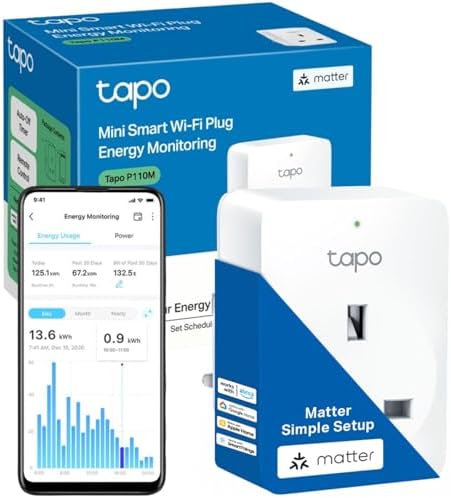

Matter aims to simplify this landscape by providing a shared protocol that developers can use to create applications and devices that work together regardless of their underlying technologies. With support from major tech companies such as Apple, Google, Amazon, and others, this standard aims to foster a more robust and inclusive smart home environment. Devices developed under the Matter framework benefit from enhanced communication, speed, and reliability, which ultimately leads to a more cohesive user experience.
Moreover, the introduction of Matter technology signifies a crucial shift in the smart home market, promoting not only compatibility but also future-proofing solutions. By adopting Matter-compatible devices, consumers can invest in a home ecosystem that is adaptable to future enhancements and innovations, paving the way for ongoing evolution in smart technology.
The Evolution of Smart Home Hubs
The development of smart home hubs has significantly transformed the way individuals interact with their smart devices. Initially, smart home technology relied on isolated systems, where individual devices operated independently without any central control. In these early days, users faced challenges such as fragmented ecosystems, limited device compatibility, and a lack of seamless interaction.
As the demand for streamlined smart home experiences grew, the concept of smart home hubs emerged. These hubs functioned as central controllers that connected various smart devices, allowing multiple systems to work together. Early smart hubs often focused on basic connectivity, incorporating protocols such as Zigbee and Z-Wave. However, many of these early systems were limited in terms of flexibility and user experience.
Over time, manufacturers began to recognize the importance of compatibility across devices from different brands. This led to the development of more sophisticated smart hubs capable of supporting a wider range of protocols. Homeowners sought solutions that not only connected devices but also simplified interactions through user-friendly interfaces. The evolution of these hubs is marked by a shift towards providing advanced features such as automation, voice control, and integration with virtual assistants.
Moreover, the introduction of wireless technologies and improved standards laid the groundwork for the modern smart home ecosystem. As technologies advanced, newer smart hubs began incorporating cloud connectivity and AI-driven functionality, enhancing the ability to manage devices remotely. As a result, users can now challenge traditional setups with systems that promise enhanced compatibility, flexibility, and a more intuitive user experience.
Today, smart home hubs have adapted to the changing landscape of smart technologies, continuously evolving to meet consumer needs. The future of home automation will likely focus on the integration of Matter, a unified standard designed to enhance device compatibility across various ecosystems, ensuring that smart home hubs remain pivotal in user adoption of smart technologies.
What Makes a Smart Hub 'Matter-Compatible'?
In the ever-evolving landscape of smart home technology, a Matter-compatible smart hub represents a significant advancement in creating a cohesive and interoperable smart home ecosystem. The Matter protocol, developed by Connectivity Standards Alliance (CSA), outlines a comprehensive framework that ensures devices from different manufacturers can communicate seamlessly with one another. At its core, a Matter-compatible smart hub needs to meet specific criteria.
Firstly, such hubs must support the Matter standard, which includes foundational technologies like Ethernet, Wi-Fi, and Thread. This support facilitates a broad range of connectivity, allowing for improved communication between devices, regardless of brands. For users, this means they can mix and match products from various vendors without worrying about compatibility issues, thus greatly enhancing the overall smart home experience.
Moreover, a Matter-compatible smart hub simplifies the setup process. Devices adhering to the Matter protocol come with standardized connection processes, significantly lowering the barrier for installation and user management. This ease of use is crucial for individuals who may not be technologically savvy yet wish to utilize smart gadgets in their daily lives.
Another significant advantage of utilizing a Matter-compatible smart hub is enhanced security. The Matter protocol incorporates robust security measures, including end-to-end encryption and secure authentication. Thus, users can feel more confident that their smart home devices are safeguarded against unauthorized access.
Ultimately, the importance of adopting Matter-compatible hubs cannot be overstated. By adhering to the Matter protocol, users are better positioned to future-proof their smart home ecosystems, ensuring that their devices will continue to work together as technology advances and new products enter the market. This capability stands as a major benefit for consumers looking to build adaptable and resilient smart homes.
Top Matter-Compatible Smart Hubs Currently on the Market
The integration of Matter-compatible smart hubs is becoming increasingly essential for modern home ecosystems. Below, we present a curated list of some of the top Matter-compatible smart hubs currently available, detailing their unique features, compatibility, user reviews, pricing, and specific use cases to help you make an informed decision.
Amazon Echo 4th Generation - The Amazon Echo 4th Generation is more than just a smart speaker; it doubles as a smart hub. It boasts compatibility with numerous Matter-certified devices. Users appreciate its high-quality audio and sophisticated design that complements any home décor. It is priced around $99. The hub is best utilized in controlling lighting, thermostats, and security systems, creating a centralized point for your smart home.
Apple HomePod Mini - The Apple HomePod Mini offers seamless integration with Apple’s ecosystem and supports Matter connectivity. With a price tag of approximately $99, it features outstanding sound quality and a compact design. Users have reported exceptional experience with Siri, allowing voice control of various smart devices. It is particularly effective in an Apple-focused environment, where it manages accessories such as locks and cameras intuitively.
Google Nest Hub (2nd Gen) - Priced at around $99, the Google Nest Hub (2nd Gen) not only provides a visual interface for controlling smart devices but also serves as a Matter-compatible hub. Its enhanced sleep sensing features are a notable addition, making it an appealing choice for health-oriented users. Reviews highlight its user-friendly interface and robust functionality in managing lighting, entertainment systems, and home security devices.
Samsung SmartThings Hub - The Samsung SmartThings Hub, priced around $99, has been updated to support Matter, enhancing its compatibility with various smart home products. It is known for its flexibility in connecting different ecosystems under one roof. Users favor its automation capabilities, as it can manage anything from lights to appliances through custom scenes and routines, making it ideal for tech-savvy homeowners.
Each of these Matter-compatible smart hubs provides excellent features and compatibility, catering to different user preferences and smart home scenarios. Consider your specific needs and existing devices to select the best option for your home ecosystem.
Integrating Matter-Compatible Hubs into Your Home Ecosystem
Integrating a Matter-compatible smart hub into your existing home ecosystem can enhance connectivity and streamline the management of your smart devices. To begin, assess your current setup, noting the types of devices you own and their compatibility with Matter technology. This understanding is critical for a successful integration process.
Once you have a complete inventory, choose a Matter-compatible smart hub that best fits your needs. Popular choices often include hubs that support various protocols, ensuring broader device compatibility. Be mindful of the specifications, such as Wi-Fi capabilities and the brand of connected devices, which can impact performance.
After selecting your smart hub, it's time to set it up. Start by connecting the hub to your home network using an Ethernet cable or Wi-Fi. Refer to the manufacturer's guidelines for specific instructions during installation. Once the hub is powered and connected, download the corresponding mobile app to begin the configuration process.
During setup, pair your existing smart devices with the new Matter hub. Many Matter-compatible hubs facilitate an intuitive pairing process, often requiring merely a scan of a QR code or pressing a button on the device. If you encounter issues, ensure that the devices are updated to the latest firmware and that they meet Matter compatibility standards.
For optimal connectivity, place the hub in a central location within your home to reduce interference and extend coverage across all areas where smart devices are located. Consider using a mesh network if you have a larger home, as this can significantly boost signal strength for all connected devices.
Finally, regularly monitor your system for updates and performance improvements. Keeping your devices and hub firmware current allows you to take advantage of the latest features while ensuring a smooth, integrated smart home experience.
Benefits of Future-Proofing Your Smart Home with Matter
Future-proofing your smart home ecosystem with Matter technology offers a range of significant advantages, enhancing the overall user experience and ensuring sustainability. Firstly, security is a paramount concern in any smart home setup. Matter technology employs robust security measures, including end-to-end encryption, safeguarding your devices and personal data from potential threats. By investing in Matter-compatible devices, homeowners can rest assured that their home automation system is equipped to handle the evolving landscape of cybersecurity challenges.
Another key benefit of adopting Matter is the longevity of the devices. As smart technology evolves, devices that are compatible with the standardized Matter protocol are more likely to remain functional and relevant in the long term. This standardization encourages manufacturers to update device capabilities, ensuring they adapt to new features and technologies over time. By choosing Matter-supported devices, consumers are investing in solutions that resist obsolescence, ultimately saving them money and minimizing waste.
The ease of use provided by Matter technology is also noteworthy. Matter facilitates seamless communication between various devices, allowing for simplified integration and control across different brands and ecosystems. This interoperability eliminates the frustration often encountered when managing products from multiple manufacturers, streamlining user experiences. With a Matter-compatible hub, homeowners can enjoy a more cohesive automation system, enhancing their overall convenience and efficiency.
Moreover, as Matter technology matures, the potential for expanded device options is substantial. The growing support from manufacturers worldwide means that users will have access to an increasingly diverse selection of devices that adhere to the Matter standard. This future expansion will empower homeowners to customize and adapt their smart environments, creating a personalized living experience tailored to their unique preferences.
Challenges and Considerations with Smart Hubs and Matter
The integration of Matter into smart hubs presents several challenges and considerations that consumers should carefully evaluate. One notable concern is compatibility; not all existing smart devices may seamlessly connect with Matter-compatible hubs. While Matter aims to unify disparate smart home ecosystems, there are instances where older devices could face integration difficulties. It is crucial for homeowners to verify whether their current devices are compatible with Matter’s specifications prior to making a purchase. Brands that have been slow to adopt the Matter standard may leave users in a situation where their ecosystem cannot fully benefit from the latest standards.
Another significant consideration is the consumer's hesitance to adopt new technology. Many users may express skepticism regarding the long-term viability of Matter-compatible hubs, especially if they’ve previously experienced frustration with compatibility issues in the smart home market. This skepticism can lead to slower adoption rates for Matter, which may affect manufacturers and developers who are investing in Matter technology. To ease this transition, consumers can look for products that provide clear information regarding compatibility, showcasing certainty in their investment.
Furthermore, navigating the challenges associated with updates and features can be daunting. As matter standards evolve, smart hubs will require regular updates to maintain compatibility and security. Consumers need to stay informed about manufacturer updates and changes to functionality, as neglecting these can result in an outdated system, thereby undermining the intended ease of use and interoperability that Matter promises. Engaging with communities online or consulting with customer service representatives can help users make informed decisions and keep their smart home ecosystems future-proof.
User Testimonials and Case Studies
As the adoption of Matter-compatible smart hubs continues to grow, numerous users have reported transformative experiences in their smart home environments. One case study highlights a family who integrated a Matter-compatible hub into their existing setup, which included devices from various manufacturers. They noted significant improvements in device interoperability, stating that previously incompatible smart devices seamlessly communicated through the new hub. This functionality not only streamlined their daily routines but also enhanced the overall user experience.
Another compelling testimonial comes from a tech-savvy individual who initially hesitated to invest in a Matter-compatible hub due to concerns about compatibility with legacy devices. After implementing the hub, they discovered that the broad support for different protocols allowed them to connect their older smart devices without any issues. This connection provided them with a single platform from which to control lighting, security systems, and HVAC, thus simplifying home automation management.
Users have emphasized the importance of reliability; many mentioned that the transition to a Matter-compatible hub resulted in fewer connectivity issues and a more stable smart home environment. One user stated, "Since I switched to a Matter-compatible hub, I've experienced zero dropped connections, and my devices respond instantly to commands." Such feedback highlights the practical benefits of investing in a hub that supports the Matter standard.
Moreover, some users have experienced notable energy savings due to enhanced automation capabilities made possible by their Matter-compatible systems. By integrating smart power management features, they have been able to optimize energy consumption, resulting in lower utility bills. These real-world experiences provide valuable insight into the tangible benefits and enhanced quality of life that Matter-compatible smart hubs can bring to modern homes.
The Future of Smart Hubs and Matter Technology
The evolution of smart hubs alongside Matter technology presents a transformative landscape for home automation. As more devices incorporate Matter, the interoperability within smart ecosystems is expected to enhance significantly. This technology not only aims to streamline connectivity but also establishes a standard that manufacturers can rally around, promoting compatibility across various platforms and devices.
Anticipated developments include advanced smart hubs with enhanced processing capabilities, enabling them to manage an increasing number of connected devices efficiently. These hubs will likely evolve into centralized control units, allowing homeowners to streamline the management of their smart devices while providing improved security features. Users can expect significant advancements in user interfaces, with increased automation capabilities and more intuitive AI-driven functionalities.
Upcoming features may encompass improved voice recognition and advanced machine learning algorithms, facilitating personalized experiences. As user trends evolve, smart hubs could introduce functionalities that cater specifically to energy management, health monitoring, and home security. Further, the integration of 5G technology with smart hubs is anticipated, which would provide faster and more reliable connectivity, making instantaneous communication among devices feasible.
Moreover, new device categories may emerge as a result of this technological advancement. For instance, health-focused devices that monitor various parameters within the home could connect seamlessly through enhanced Matter-capable hubs. As smart hubs become more versatile, they are poised to offer innovative solutions in improving energy efficiency and promoting sustainability in home design.
The role of smart hubs in home automation is set to expand from mere connectivity solutions to becoming essential components of a smart lifestyle, fostering an environment where user needs and preferences are seamlessly integrated into daily operations.



0 Comments