Introduction to Emergency Water Storage
In times of crisis, access to clean and safe drinking water is paramount. Emergency water storage is an essential aspect of preparedness for various scenarios, including natural disasters like hurricanes, floods, and earthquakes. During such emergencies, public water systems may become compromised, making it critical for individuals and families to have a reliable water supply readily available.
Moreover, unforeseen events such as prolonged power outages and unexpected supply chain disruptions can severely impact the availability of essential resources. In these situations, water storage becomes not just a convenience but a necessity for survival. The Federal Emergency Management Agency (FEMA) recommends that individuals store at least one gallon of water per person per day for a minimum of three days. This guideline underscores the importance of having a sufficient supply of water that can last through an emergency.


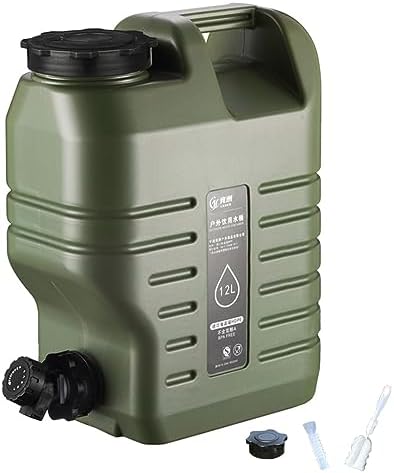


When selecting emergency water storage containers, quality and durability should be of central concern. Containers designed specifically for water storage must be capable of withstanding various environmental factors, including temperature fluctuations and exposure to sunlight. Additionally, they should be made from materials that do not leach harmful chemicals into the water, ensuring that the stored supply remains safe for consumption.
Beyond physical durability, the ease of transport and the volume capacity of these containers also play a crucial role in emergency preparedness. Whether it be for home use or for portable needs, selecting the right water storage solutions can make a significant difference during emergencies. Understanding the importance of preparedness and choosing resilient containers can ensure a steady water supply when it matters most.
Key Features of Durable Water Storage Containers
When it comes to selecting the best emergency water storage containers, several key features define their durability and reliability. Understanding these characteristics is crucial for ensuring that the containers can withstand various environmental conditions and provide safe drinking water during emergencies.
First and foremost, the strength of the material used in water storage containers plays a pivotal role in ensuring longevity. High-density polyethylene (HDPE) is commonly used due to its superior strength, resistance to impact, and overall structural integrity. Additionally, containers made from food-grade materials are essential; they not only prevent leaching of harmful chemicals into the stored water but also facilitate long-term storage without degrading over time.
Another critical feature to consider is resistance to ultraviolet (UV) light. Containers that are UV-resistant help prevent the growth of algae and other harmful microorganisms. Containers designed with UV inhibitors, or those that are opaque, provide added protection, ensuring the water remains clean and safe for consumption.
Sealing mechanisms are equally important. Durable containers should have airtight lids and secure sealing systems to prevent contamination and evaporation. Features like locking lids, gaskets, or screw-on caps are beneficial to maintain the integrity of the stored water over extended periods.
Furthermore, the ability to withstand extreme temperatures is a defining characteristic of a robust water storage container. Containers that can endure both high heat and freezing conditions without cracking or warping are essential for varied climates. Such resilience ensures the water remains safe and usable regardless of environmental fluctuations.
In summary, when evaluating water storage containers, factors such as material strength, UV resistance, effective sealing mechanisms, and temperature resilience should be considered. These lab-tested features are vital for ensuring the containers' durability and reliability in an emergency situation.
Types of Water Storage Containers
When selecting emergency water storage containers, it is essential to consider different types available on the market today. Each type offers unique benefits and drawbacks, making it important to choose one that meets your specific needs for durability and usability.
Firstly, plastic water storage containers are among the most popular options. These containers are lightweight, portable, and often come in a variety of sizes, making them convenient for bulk storage. However, the longevity of plastic can sometimes be a concern, especially if exposed to sunlight or extreme temperatures. UV-resistant materials are available to mitigate this issue, ensuring that the water stored remains potable for a longer period.
Metal containers, specifically those made from stainless steel or aluminum, offer greater durability compared to their plastic counterparts. They are resistant to rust and can withstand extreme conditions, providing enhanced protection against external elements. Additionally, metal containers do not leach harmful chemicals into the water, an important consideration for those focusing on safety. However, the weight of these containers can be a disadvantage when portability is a concern.
Collapsible water containers have gained popularity for their space-saving features. These containers are typically constructed from food-grade materials and can be easily stored when not in use. While they offer versatility and convenience, particularly for camping or emergency kits, their durability is often lower than that of rigid containers. Care must be taken to prevent punctures or damages during storage and transportation.
Ultimately, the choice between plastic, metal, or collapsible water storage containers depends on the specific requirements of storage duration, portability, and environmental conditions. Each option should be carefully assessed to ensure it aligns with individual emergency preparedness plans.
Laboratory Testing: Ensuring Quality and Safety
The laboratory testing of emergency water storage containers is a crucial process that guarantees their quality and safety for consumer use. Manufacturers subject these containers to a variety of rigorous assessments designed to evaluate their durability and effectiveness in preserving water over extended periods. Stress tests are one of the primary evaluations conducted. These tests involve applying pressure to the containers to ensure they can withstand physical impacts, temperature changes, and other environmental stressors without compromising their integrity.
Another significant testing phase focuses on chemical safety. Containers are examined for potential leaching of harmful substances from materials used in their manufacture. Certain plastics, for example, may release toxins when in contact with water over time. Thus, tests are performed to ascertain that the materials do not adversely affect water quality, ensuring that stored water remains safe for consumption. These evaluations help identify any irregularities that could pose health risks.
Additionally, environmental durability tests simulate various climatic conditions that the containers may encounter. This includes exposure to UV light, extreme temperatures, and humidity fluctuations. The aim is to determine how these factors impact the longevity and performance of the containers. Such tests are vital since they ensure that consumers can rely on their water storage solutions during emergencies without fearing structural failure.
Ultimately, comprehensive laboratory testing fosters consumer trust in emergency water storage containers. By guaranteeing that these products meet strict safety standards, manufacturers play a key role in public health and preparedness. Adhering to established testing procedures is paramount in producing high-quality, durable containers, equipping users with confidence during critical times.
Top 5 Lab-Tested Water Storage Containers
When considering emergency water storage, selecting durable containers that have undergone rigorous lab testing is essential. Here are the top five water storage containers that not only meet safety standards but also demonstrate remarkable durability.
1. Scepter 5 Gallon Water Storage Container
This container is made from high-density polyethylene which provides exceptional strength. Equipped with a wide mouth for easy filling and cleaning, it includes a spout for convenient pouring. Its design is both stackable and lightweight, making it ideal for emergency preparedness.
2. Aqua-Tainer 7 Gallon Water Carrier
The Aqua-Tainer is a versatile choice that holds up to seven gallons of water. Its unique shape allows for efficient storage without taking too much space. It features a heavy-duty handle for easy transport and a wide mouth opening, ensuring ease of use. This container is also BPA-free, promoting safety in water storage.
3. Reliance Rhino 5 Gallon Water Container
Constructed from super strong material, the Reliance Rhino offers remarkable resistance to punctures and impacts. Its ergonomic design includes a carrying handle and a vent for smooth pouring. This container is designed to withstand harsh conditions, making it a reliable choice for outdoor enthusiasts and emergency situations alike.
4. WaterBrick 3.5 Gallon Stackable Water Container
WaterBricks are designed for modular stacking, optimizing space efficiency. Made from food-grade, high-density polyethylene, they are durable and safe for long-term water storage. Its integrated handle allows for easy handling, and its stacking ability ensures a compact solution in emergencies.
5. Coleman 5 Gallon Portable Water Container
This portable water container features a sturdy construction that withstands both time and heavy usage. With its reliable spigot, it offers easy pouring, while the built-in handle adds to its portability. The Coleman container is suitable for camping and emergency situations, given its ability to keep water safe and accessible.
Each of these top-rated water containers has been tested for durability and safety, ensuring that they are trustworthy choices for any emergency water storage needs. Choosing the right container will enhance preparedness and peace of mind.
How to Choose the Right Water Storage Container
Selecting the appropriate water storage container is crucial for ensuring accessibility to safe drinking water during emergencies. Several critical factors must be considered when making this decision, including capacity, size, portability, and intended use.
First and foremost, capacity plays a significant role in your choice. Depending on the number of individuals in your household or group, you may require a container that holds a larger volume of water. Standard water storage containers range from 1 gallon to over 60 gallons. It is essential to assess your emergency plans to determine how much water you would realistically need, considering that experts recommend storing at least one gallon of water per person per day.
The next consideration is size. The available space for storage in your home or vehicle can influence your choice. Bulky or oversized containers might not be suitable for tight living spaces or vehicles, while smaller, stackable containers can offer added convenience. Additionally, larger containers may be less portable, which is a vital factor if evacuation becomes necessary. Therefore, portability should also be thoughtfully evaluated; look for lightweight options or those equipped with handles for easier transport.
Intended use during emergencies must also guide your selection process. Some containers are designed for long-term storage and may have features like UV resistance or BPA-free materials, while others might be better for short-term use. Assessing the quality of the container is equally important. Look for products made from durable plastics or metals that are tested for resilience and functionality under extreme conditions. Always check for certifications and labels that ensure the safety and reliability of the containers.
In conclusion, by examining factors such as capacity, size, portability, intended use, and quality, individuals can make an informed decision when choosing the right water storage container for their needs during emergencies.
Proper Maintenance for Longevity of Water Storage Containers
To ensure the longevity of emergency water storage containers, proper maintenance practices play a crucial role. Regular cleaning routines are essential to prevent contamination and ensure that the stored water remains safe for consumption. It is advisable to clean the containers thoroughly before filling them with water, using a mild detergent and warm water. After cleaning, rinsing the containers multiple times is necessary to eliminate any soap residue that may affect the water quality.
In addition to cleaning, routine inspection of the water storage containers should be implemented. This includes checking for any signs of wear, damage, or leaks. Small cracks could lead to contamination risks or even loss of water, so addressing these issues promptly is vital. A monthly inspection is recommended to keep track of the condition of the containers, and documenting any observations can aid in long-term maintenance.
Proper storage of these containers is another factor that contributes to their longevity. Ideally, water storage containers should be stored in a cool, dark place, away from direct sunlight, which can degrade the material over time. To avoid potential damage, containers should not be stored in extreme temperatures, whether hot or cold. Stacking containers carefully, without excessive weight on top, can further prevent physical damage.
Finally, it is important to replace the water in these containers periodically. Even if they are well-maintained, the quality of stored water can diminish over time due to factors such as microbial growth. A recommendation is to empty and refill water storage containers every six months to ensure that the stored water remains potable.
User Experiences with Emergency Water Storage Containers
The significance of durable water storage containers during emergencies cannot be overstated, as many users have shared profound testimonials about their reliability. A particular user, Jane from California, recounted her experience during the recent wildfire season. With the impending threat to her community, Jane decided to invest in several rugged water storage containers. She noted their resilience, commenting that the heavy-duty polyethylene material held up remarkably well against the intense heat, ensuring her family had a sufficient water supply when access to local utilities was disrupted. Jane's story exemplifies how durable containers can become crucial lifelines in times of crisis.
Another notable experience comes from Eric in Florida, who faced the aftermath of Hurricane Irma. He described how his family utilized their emergency water storage containers to maintain hydration and sanitation. "When power was out for days, having a reliable way to store and access clean water made all the difference," Eric stated. His testimony emphasizes the importance of having these containers ready before an emergency strikes. He also praised the containers for their ability to prevent contamination, as each unit was designed with secure, airtight seals.
Moreover, testimonials from various users frequently highlight ease of transport and setup as pivotal advantages. For instance, Emily from Texas shared that her lightweight, stackable containers made it simple to store and mobilize water supplies during her community's flood preparation measures. She noted, "We could easily fill them and stow them in our vehicle, providing us peace of mind while evacuating." Such testimonials underline the functional design and durability that genuine emergency water storage containers must possess, making them vital assets during emergencies.
Conclusion: Invest in Quality Emergency Water Storage
In the current landscape, the importance of having a dependable supply of water cannot be overstated. Extreme weather events, natural disasters, and unforeseen emergencies have made it essential for individuals and families to prepare adequately. Investing in lab-tested emergency water storage containers ensures that your water supply is safe, reliable, and durable in times of crisis. The containers covered in this blog post have undergone rigorous testing to ascertain their performance, ensuring they efficiently meet your hydration needs when it matters most.
Quality emergency water storage options come in various forms, including jugs, barrels, and tanks, all designed to withstand challenging conditions while protecting the purity of the water. These structures not only safeguard against contamination but also allow for a more extended preservation period, ensuring that you have access to clean drinking water even during prolonged emergencies. Choosing the right container also involves considering factors such as capacity, material quality, and ease of storage, all of which contribute to their effectiveness.
As you evaluate your emergency preparedness strategies, we encourage you to prioritize the assessment and improvement of your water storage solutions. A reliable water supply is a cornerstone of emergency preparedness, contributing significantly to your overall safety and comfort in times of need. Whether you are starting from scratch or looking to upgrade your existing supplies, selecting a high-quality, lab-tested emergency water storage container should be at the forefront of your planning efforts.
By making an informed choice, you not only enhance your preparedness but also gain peace of mind, knowing that you and your loved ones are ready to face any unexpected situations.




0 Comments