Introduction to CPAP Therapy
Continuous Positive Airway Pressure (CPAP) therapy is a widely utilized treatment for individuals suffering from obstructive sleep apnea (OSA), a condition characterized by repeated interruptions in breathing during sleep. The fundamental principle of CPAP therapy is to maintain an open airway by delivering a steady stream of air through a mask worn over the nose and/or mouth. This airflow helps prevent the collapse of the airway, thus facilitating smooth and uninterrupted breathing throughout the night.
The importance of CPAP therapy cannot be overstated, as untreated sleep apnea can lead to severe health complications, including cardiovascular issues, daytime fatigue, and impaired cognitive function. Therefore, effective management of this sleep disorder through CPAP therapy is crucial for restoring quality sleep and overall well-being.
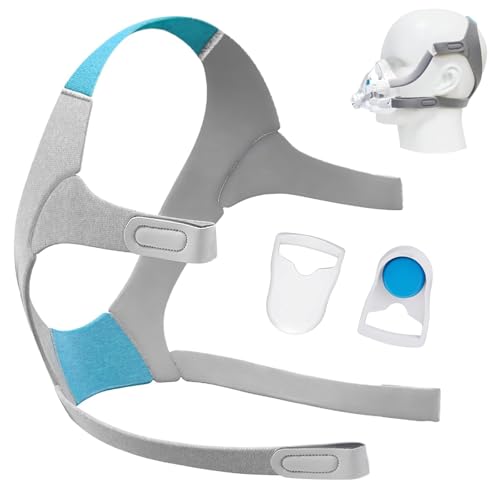
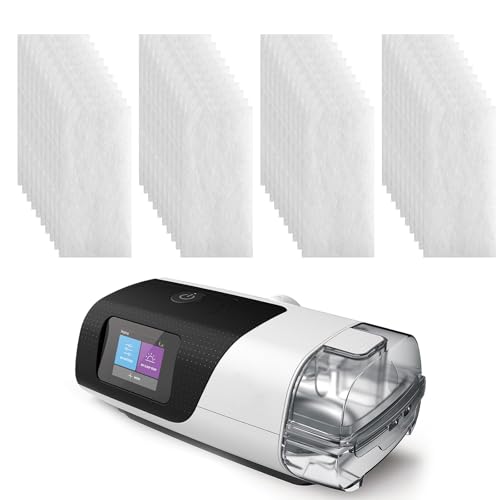

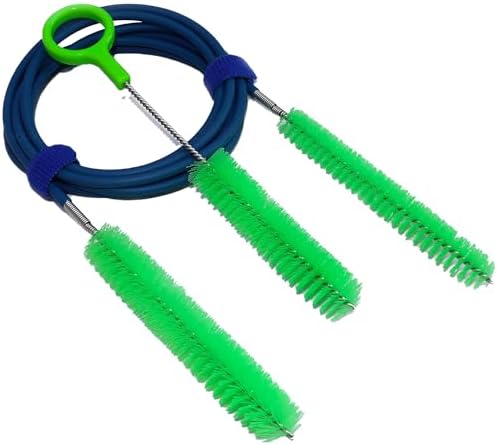
However, while the functionality of CPAP devices is paramount, the comfort of the user plays a significant role in the adherence to this therapy. Many patients may initially struggle with the experience of wearing a mask, the sensation of airflow, or the noise produced by the machine. To combat these challenges, it is essential to incorporate high-quality CPAP accessories designed explicitly to enhance comfort. Items such as soft mask liners, humidifiers, and adjustable headgear can minimize discomfort and help users acclimate to the therapy. Providing a comfortable and supportive experience not only improves patient compliance but also maximizes the benefits of CPAP therapy, ensuring that individuals receive the restorative sleep they need to improve their health outcomes.
The Importance of Using Accessories
Using accessories in CPAP therapy is essential for optimizing both comfort and efficacy. While CPAP machines are designed to provide necessary airflow to individuals suffering from sleep apnea, the overall experience can be significantly enhanced with the right accessories. These items can range from comfort-focused additions, such as masks and cushions, to performance enhancers, including filters and humidifiers. Each accessory plays a vital role in ensuring that users derive the maximum benefit from their CPAP therapy.
Specific accessories are designed to improve the fit and comfort of CPAP masks, which can directly influence quality of sleep. A good mask seal reduces air leaks that can cause interruptions during sleep, leading to a more continuous and effective therapy session. Moreover, the use of soft mask liners and cushions can help to alleviate skin irritation and discomfort associated with prolonged use. As a result, the likelihood of adherence to CPAP therapy increases, contributing to better health outcomes over time.
Another critical accessory is the humidifier, which adds moisture to the air delivered by the CPAP machine. This addition can help combat discomfort from dry air, which is a common complaint among users. By ensuring that the airflow is more pleasant, individuals are more likely to maintain their CPAP regimen, thus improving their overall sleep quality. It is also important to note that accessories such as CPAP cleaners and maintenance tools help prolong the lifespan of the device while ensuring optimal performance.
In conclusion, incorporating quality accessories into CPAP therapy not only enhances comfort but also fosters adherence to treatment. By investing in these supportive tools, users are likely to experience improved sleep quality, which plays a crucial role in long-term health and well-being.
Essential Accessories for CPAP Users
Continuous Positive Airway Pressure (CPAP) therapy plays a crucial role in managing sleep apnea, and the right accessories can significantly enhance user comfort during sleep. Among these, CPAP masks, tubing, and humidifiers are essential components that are designed to improve the overall experience for users.
Firstly, CPAP masks come in various styles to cater to individual preferences. Commonly, users can choose between nasal masks, full-face masks, or nasal pillows. Research indicates that the right mask not only minimizes air leakage but also ensures a better seal, which is vital for effective therapy. Comfortable masks reduce user anxiety and increase adherence, with surveys revealing that 70% of users report better sleep when using a properly fitted and comfortable mask.
Secondly, the tubing used with CPAP machines is another critical accessory. Tubing connects the CPAP machine to the mask, delivering the necessary airflow. High-quality tubing is designed to be lightweight and flexible, allowing for easier movement during sleep. Users have noted that using premium tubing reduces friction and noise, thereby enhancing sleep quality. Some users estimate that they experienced up to a 30% increase in comfort after switching to a more flexible tubing model.
Lastly, adding a humidifier to the CPAP setup can address dryness in the airways that often occurs during therapy. A heated humidifier can condition the air by adding moisture, which alleviates symptoms like nasal congestion or throat irritation. Testimonials suggest that incorporating a humidifier has improved overall comfort, with 80% of users noting a significant decrease in dryness and irritation after just a week of use.
Incorporating these essential accessories into CPAP therapy not only optimizes the efficacy of the treatment but also enhances comfort, making it more sustainable for long-term use.
Mask Comfort: Finding the Right Fit
Choosing the right CPAP mask is crucial for achieving effective therapy and a good night's sleep. There are three primary types of CPAP masks: nasal masks, full-face masks, and nasal pillows. Each mask type is designed for different user preferences and needs, impacting overall comfort levels during CPAP therapy.
Nasal masks cover the nose and are ideal for users who breathe through their noses. They are typically lightweight and allow for a broader field of vision but may not be suitable for mouth breathers. Full-face masks cover both the nose and mouth, catering to users who may breathe through their mouths during sleep. This type of mask can prevent air leaks that might occur if the mouth is open. Lastly, nasal pillows rest at the entrance of the nostrils, providing minimal contact with the face and often being preferred by those who feel claustrophobic with larger masks.
A proper fit is paramount when selecting a CPAP mask to ensure comfort and effectiveness while minimizing leaks. Many users commonly face issues such as discomfort, skin irritation, and pressure sores, which can significantly hinder their ability to adhere to therapy. To mitigate these issues, users should consider the following tips: First, take time to measure the face accurately and consult sizing guides provided by manufacturers. Second, ensure the mask is adjusted correctly to prevent excessive pressure points while still maintaining a secure seal. Lastly, consider trying different types of masks, as personal preference plays a significant role in overall satisfaction.
In conclusion, finding the right CPAP mask can greatly enhance comfort and effectiveness of therapy. Understanding the various types of masks available and ensuring a proper fit can lead to improved adherence and better sleep quality in those undergoing CPAP treatment.
Humidification: Enhancing Sleep Quality
Humidification plays a pivotal role in improving the overall sleep experience for individuals using Continuous Positive Airway Pressure (CPAP) therapy. One of the primary benefits of incorporating a humidifier into a CPAP setup is its ability to alleviate dryness and irritation that often accompany the use of a CPAP machine. The air delivered by the CPAP can be quite dry, which may lead to discomfort, sore throats, and nasal congestion. By maintaining optimal humidity levels, users can enhance their comfort and ultimately achieve better sleep quality.
There are various types of humidifiers that can be used in conjunction with CPAP therapy, each offering different advantages depending on individual needs. Integrated humidifiers are built directly into the CPAP machine, providing a seamless experience. This type is generally favored for its convenience as it takes up less space and requires minimal setup. Heated humidifiers, on the other hand, come with the capacity to warm the moisture before it enters the airway. This warmth not only enhances comfort but can also help to reduce condensation in the CPAP tube, preventing moisture accumulation that could lead to potential complications.
For those who may prefer a more versatile option, stand-alone models are also available. These units can operate independently of the CPAP device, allowing users to select humidification levels based on their personal preferences. Some stand-alone humidifiers offer advanced features, such as adjustable humidity settings and built-in heated chambers, catering to diverse user demands.
Ultimately, the choice of humidifier type may depend on individual requirements and preferences. Regardless of the model selected, incorporating humidification can significantly enhance the CPAP therapy experience, leading to improved rest and overall quality of sleep.
Comfort Accessories: Liners and Cushions
For individuals utilizing Continuous Positive Airway Pressure (CPAP) therapy, comfort is a critical aspect of ensuring consistent and effective use. Among the most significant comfort accessories are mask liners, cushions, and straps designed to enhance the user experience. These elements play a vital role in mitigating discomfort caused by the CPAP mask while promoting overall satisfaction with the therapy.
Mask liners provide a valuable layer between the skin and the mask, reducing irritation and pressure points that can lead to discomfort. Made from soft materials, these liners help to absorb moisture and create a more comfortable fit, which can be especially beneficial for users who experience skin sensitivity. By alleviating excess pressure, mask liners can enhance the user’s ability to sleep soundly through the night.
Cushions, likewise, serve an important function in ensuring a snug fit without compromising comfort. Available in various materials, such as gel or memory foam, cushions adapt to the contours of the user's face, helping to create a seal while minimizing the chances of leaks. This is particularly crucial since a proper fit contributes significantly to the effectiveness of CPAP therapy, ensuring the appropriate level of airflow is maintained throughout the night.
Straps are an often-overlooked yet essential accessory that can further improve comfort during CPAP therapy. Adjustable straps enhance the stability of the mask, allowing users to find a personalized fit without feeling overly constricted. The right straps can alleviate discomfort often experienced by those with larger or smaller facial features, ensuring a seamless experience throughout the sleep cycle.
Overall, investing in comfort accessories such as mask liners, cushions, and straps can significantly enhance the experience of utilizing CPAP equipment, promoting better rest and improving adherence to therapy.
Cleaning and Maintenance Accessories
Proper cleaning and maintenance of CPAP (Continuous Positive Airway Pressure) machines and accessories are crucial for ensuring both the comfort and health of users. Regular maintenance helps to eliminate the buildup of harmful bacteria and allergens, which can significantly impact the effectiveness of the therapy and the user's overall well-being. Studies indicate that over 30% of CPAP users experience discomfort due to unclean equipment, highlighting the importance of hygiene in the CPAP user experience.
Utilizing appropriate cleaning supplies is essential. This includes specially formulated CPAP wipes, which are designed to remove dirt and oil without damaging the material of masks and tubing. Regular cleaning should be integrated into a routine; most manufacturers recommend daily cleaning of the mask, weekly washing of the tubing with warm soapy water, and monthly replacement or cleaning of the filters. Ignoring these tasks can lead to infections or respiratory issues, thus compromising the benefits of CPAP therapy.
Maintenance kits are another invaluable accessory. A well-stocked CPAP maintenance kit typically includes essential items such as replacement filters, hoses, and cleaning solutions. Regular replacement of worn-out components not only enhances performance but also extends the lifespan of the device itself. For instance, replacing foam filters every month can prevent decreased airflow and obstructive sleep apnea recurrence.
Furthermore, a clean CPAP machine operates more efficiently, which may lead to a reduction in energy consumption. Consequently, investing in high-quality cleaning and maintenance accessories ensures that the CPAP system delivers optimal support while promoting health and comfort.
User Experiences and Recommendations
In the realm of CPAP therapy, user experiences play a crucial role in determining the most suitable accessories for comfort and effectiveness. Analyzing a wide range of reviews and testimonials reveals a diversity of preferences, underscoring the importance of personalized choices when selecting CPAP accessories. From masks to humidifiers, users often express varying levels of satisfaction based on their specific needs and sleep environments.
The nasal pillows mask has garnered particularly positive feedback. Many users appreciate its lightweight design and minimal facial contact, which can drastically reduce discomfort during the night. One user noted, "The nasal pillows are so light that I barely notice I'm wearing them, which has significantly improved my overall sleep quality." Conversely, some individuals may prefer full-face masks due to difficulties with nasal congestion or mouth breathing, opting for options that provide a snug fit and improved airflow.
Humidifiers are another aspect frequently highlighted in user testimonials. Those who experience dry air or irritation from CPAP therapy often recommend using a heated humidifier to enhance comfort. A user mentioned, "My heated humidifier has been a game-changer. I wake up feeling refreshed instead of dry and scratchy." However, it is also noted that some users choose not to utilize a humidifier, indicating that the preference can be quite subjective and dependent on personal health conditions.
Furthermore, numerous users emphasize the role of CPAP pillows or specially designed headgear in their comfort levels. These accessories can provide additional support and help maintain mask alignment throughout the night. A review stated, "Using a CPAP pillow has changed how I sleep; no more waking up with neck pain!" Ultimately, these user experiences serve as invaluable guidance for those navigating the selection of CPAP accessories, suggesting that comfort should be of paramount importance in making the best choices for improved sleep health.
Conclusion and Recommendations for Better Sleep
In the realm of sleep apnea treatment, Continuous Positive Airway Pressure (CPAP) therapy is a widely accepted method that significantly enhances sleep quality and overall health. However, the effectiveness of this therapy is greatly influenced by the comfort of associated accessories. Comfortable, well-fitted masks, soft tubing, and cushioned pillows play essential roles in mitigating common issues such as skin irritation, pressure sores, and excessive noise that might lead to therapy discontinuation. A thorough assessment of available comfort-focused CPAP accessories can lead to a more pleasant experience.
Several recommendations can be made for users to enhance their CPAP therapy experience. Firstly, consider investing in high-quality masks that suit your facial structure and sleeping position. Masks come in various shapes, including nasal and full-face varieties, which cater to different preferences and sleeping styles. Additionally, purchasing a mask with adjustable straps can further contribute to obtaining a secure yet comfortable fit.
Secondly, the use of CPAP humidifiers is recommended as they add moisture to the airflow, reducing dryness and irritation often associated with prolonged mask wear. This is particularly beneficial in preventing nasal congestion and ensuring uninterrupted sleep cycles. Along with humidifiers, utilizing CPAP pillow designs that accommodate the tubing and mask can enhance comfort while minimizing the risk of dislodging the mask during sleep.
Lastly, maintain a consistent routine that prioritizes both CPAP usage and comfort by experimenting with various accessories until the perfect combination is found. Investing time in finding the right products can lead to improved adherence to CPAP therapy, ultimately leading to better sleep outcomes and overall improved health. By taking these steps, individuals can significantly enhance their CPAP experience, leading to sustained therapy success.




0 Comments