Introduction to Ambient AI
Ambient AI represents a transformative approach to artificial intelligence, focusing on its integration into everyday environments rather than merely functioning as isolated systems. In contrast to traditional AI, which typically requires direct user interaction and explicit commands, Ambient AI operates in the background, learning from and adapting to users' behaviors and preferences. This seamless functionality ensures that technology becomes an unobtrusive part of the user’s home office, enabling a productivity-enhancing and comfortable atmosphere.
The benefits of Ambient AI in a home office setting are multifold. By utilizing sensors and advanced algorithms, Ambient AI can monitor and adjust the workspace conditions such as lighting, temperature, and even noise levels, creating an optimized environment for work. For instance, if a user is concentrating on a task, the Ambient AI could dim the lights and reduce background noise, fostering a more conducive atmosphere for focus. Conversely, during breaks, it might play soothing music or improve lighting to promote relaxation and rejuvenation.


Additionally, Ambient AI enhances time management by providing intelligent reminders and tasks' prioritization based on individual work patterns. This adaptive capability helps users remain organized without feeling overwhelmed by constant notifications or alarms, typical of more conventional digital assistants.
Furthermore, Ambient AI technology can effortlessly integrate with various smart office devices, such as virtual assistants and collaborative tools, creating a cohesive digital workspace. This interconnectedness not only augments productivity but also contributes to an overall sense of well-being, allowing individuals to work efficiently while maintaining a comfortable home life.
Trends Shaping the Future of Home Offices
As we move into 2026, the design and technology of home offices are evolving rapidly to meet the demands of modern work environments. A significant trend is the increasing focus on mental health, which plays a crucial role in overall productivity and employee satisfaction. Employers and employees alike are recognizing that a conducive working atmosphere is essential for maintaining well-being. Home offices are transitioning from mere workspaces to holistic environments where comfort, aesthetics, and functionality align to foster creativity and focus.
Ambient AI innovations are at the forefront of this trend, offering intelligent solutions that promote mental health and enhance productivity. For instance, AI-driven lighting systems can adjust according to the time of day and the user's preferences, ensuring optimal brightness and color temperature for different tasks. Such adjustments can help reduce eye strain and enhance mood, which are both critical factors in sustaining high levels of work performance.
Another emerging trend is the emphasis on work-life balance facilitated through the integration of smart home technologies. Devices empowered by Ambient AI are being positioned to assist in setting boundaries between work and personal time. For example, smart scheduling systems can suggest breaks or downtime, ensuring that individuals do not overextend themselves. This balance is essential as remote work continues to blur the lines between professional responsibilities and personal life.
Furthermore, ergonomic design is being prioritized to prevent physical strain during prolonged periods of work. The integration of AI in ergonomics allows for personalized adjustments based on user behavior, enhancing comfort and reducing the risk of injuries. As such, the trends shaping the home office landscape in 2026 highlight a comprehensive approach towards enhancing mental health, productivity, and work-life balance through innovative design and technology.
Smart Lighting Solutions
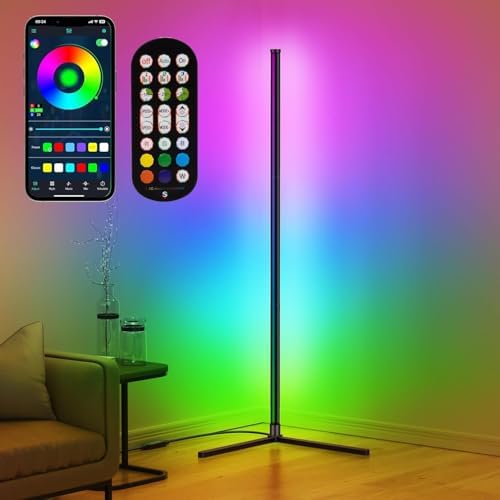
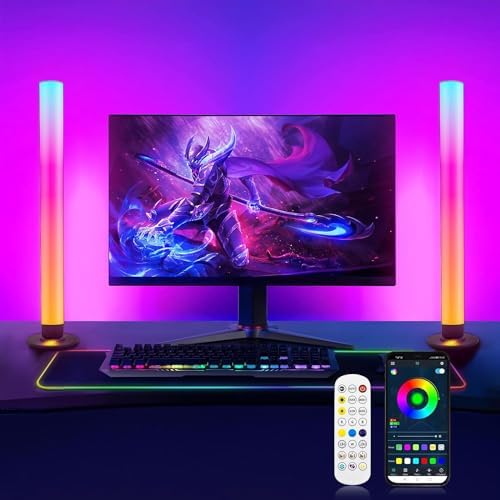
In the modern home office, smart lighting solutions have emerged as a key enhancement, particularly when infused with Ambient AI technology. These systems not only allow for traditional on-and-off operations but also include sophisticated features such as color-changing capabilities and automated adjustments that cater to the time of day and the specific needs of its user.
One of the most notable advancements in smart lighting is the advent of adjustable color bulbs. These bulbs can shift from cool whites in the morning, fostering alertness and productivity, to warmer hues in the evening, which can promote relaxation and creativity. By integrating Ambient AI, these smart lighting solutions are able to learn the user's habits and preferences over time, adjusting their intensity and coloration automatically. This ensures that the workspace remains consistently optimized for focus and inspiration.
For example, when a user enters their home office, the lighting can be programmed to brighten and shift to a daylight spectrum, enhancing alertness for peak working hours. Conversely, as the day winds down, the lights can seamlessly transition to softer tones, aiding in the shift towards evening relaxation. Additionally, these systems can incorporate circadian rhythm principles, further enhancing well-being by synchronizing lighting with natural daylight patterns.
The ability to control these lighting systems via smartphone apps or voice commands also adds convenience. Users can easily customize their atmosphere depending on the type of work being performed, whether it's a video call, paperwork, or creative brainstorming. As smart lighting technology continues to evolve, integrating seamlessly with other smart home systems, the potential for creating an ideal workspace tailored to individual needs becomes even more pronounced.
Personalized Climate Control
In contemporary work environments, especially within home offices, personalized climate control has emerged as a crucial component of productivity and comfort. Ambient AI solutions are at the forefront of this innovation, offering systems that adapt to individual preferences regarding temperature and humidity. These advanced technologies employ machine learning algorithms to analyze user behavior and adjust settings automatically, ensuring a consistently optimal atmosphere.
One notable benefit of these intelligent climate control systems is their ability to learn over time. By observing how different conditions affect productivity and comfort, these systems can make informed adjustments without requiring manual input. For example, if a user's productivity peaks at a specific temperature and humidity level, the AI can maintain those conditions throughout the working day. This form of responsiveness not only enhances comfort but can also lead to improved focus and efficiency.
Additionally, personalized climate control can contribute to energy savings. By dynamically adjusting settings based on occupancy and preference, these systems can optimize energy consumption, reducing electricity costs without sacrificing comfort. When integrated with smart home technology, users can set zones within their office spaces to cater to different requirements, accommodating varied tasks or preferences throughout the day. This level of customization represents a significant leap from traditional, static climate control systems.
The positive implications of adopting ambient AI solutions for climate control extend beyond mere comfort and cost savings; studies indicate that a well-regulated environment can enhance overall well-being. By ensuring that home office conditions are conducive to work, individuals may experience reduced stress levels and increased satisfaction in their work lives. Ultimately, personalized climate control not only maximizes performance and comfort but also aligns with evolving sustainable practices as we move towards 2026 and beyond.
Sound Management Systems
In the evolving landscape of home offices, the integration of AI-driven sound management systems is becoming increasingly essential. These technologies comprise devices such as white noise machines and adaptive speakers, designed to create an optimal auditory environment conducive to productivity. By addressing the prevalent issues of distracting noise, these systems play a crucial role in enhancing focus within a home office setting.
White noise machines, which produce a consistent sound frequency, help mask disruptive sounds, like traffic or conversations from neighboring rooms. This background noise cultivates an atmosphere that minimizes auditory distractions, allowing individuals to concentrate better on their tasks. Moreover, the adaptability of AI technology means that these machines can learn from the specific noise environment of a user’s home office. For instance, if external noises increase due to construction nearby, the white noise output can automatically adjust to maintain an effective sound masking level.
Similarly, adaptive speakers leverage advanced algorithms to respond to ambient noise levels in real-time. By analyzing the current sound environment, these speakers can enhance or diminish their output accordingly, ensuring that focus remains uninterrupted. This functionality is not only beneficial for tasks requiring deep concentration, but it also supports collaborative environments where conference calls or virtual meetings are held. The ability of these systems to intelligently manage sound signifies a leap forward in creating immersive and effective workspaces.
As remote work continues to dominate the professional landscape, sound management systems equipped with AI technology are poised to become indispensable tools. Not only do they foster an environment that enhances productivity, but they also contribute to the overall well-being of individuals in their home office setups.
Ergonomic Furniture with AI Integration
In the modern workspace, the importance of ergonomics cannot be overstated, particularly in the context of home offices where many individuals spend long hours at their desks. The integration of Artificial Intelligence (AI) in ergonomic furniture has revolutionized the way office environments are designed, promoting both productivity and physical health. Ergonomic furniture options equipped with AI features, such as adjustable desks and smart chairs, are now at the forefront of optimizing user comfort and posture.
Adjustable desks, for example, can automatically change their height based on the user's preferences, which may differ between sitting and standing positions throughout the day. These desks often come with built-in sensors that monitor the time spent in each position and offer gentle reminders to switch when necessary. This proactive approach not only encourages movement but also contributes to reducing the risks associated with prolonged sitting, which has been linked to various health issues, including back pain and poor posture.
Similarly, AI-integrated chairs are designed to adapt to the user’s specific body shape and movements. These chairs can analyze real-time data regarding user posture and dynamically adjust support levels to prevent strain. Features such as lumbar support, seat depth adjustments, and even vibration alerts when the user maintains an unhealthy posture can encourage a more attentive awareness of one’s physical alignment. By providing personalized comfort, AI ergonomic furniture not only enhances user experience but also helps maintain well-being over extended work periods.
In conclusion, the introduction of AI-integrated ergonomic furniture into home offices represents a significant advancement in promoting health and productivity. By embracing these innovative solutions, individuals can create a conducive work environment that supports both their physical comfort and occupational efficiency.
AI-Powered Task Management Tools
In the fast-paced world of modern work environments, AI-powered task management tools have emerged as essential assets for enhancing organization and efficiency within home offices. These sophisticated applications leverage artificial intelligence to automate processes, streamline workflow, and optimize productivity. By integrating advanced algorithms, these tools can intelligently suggest task prioritization, thereby reducing cognitive load and enabling users to focus on what matters most.
One notable category of these tools includes scheduling applications, which utilize AI to intelligently manage calendars. These applications can analyze individual behaviors and preferences, auto-scheduling meetings around the user's availability while considering factors such as time zones and workload. This ambient capability minimizes the burden of manual scheduling and makes it easier to allocate time for various responsibilities effectively.
Moreover, project management systems equipped with AI functionalities provide further enhancements to productivity. These platforms allow teams to collaborate seamlessly, offering features such as automated updates, progress tracking, and resource allocation. By providing real-time data insights, users can make informed decisions without lingering over complex spreadsheets or email threads uninterruptedly. The ambient features ensure that vital information is available on-demand, which helps in the agile management of tasks and projects.
Additionally, many of these applications integrate natural language processing, allowing users to create tasks and set reminders through simple voice commands. This ambient interaction empowers users to capture ideas and deadlines without grasping traditionally outdated methods, simplifying the organization even further. As a result, AI-driven task management tools not only enhance individual efficiency but also promote smoother collaboration across teams, establishing an overall heightened functioning within home offices.
Virtual Assistant Integration
In today's fast-paced world, integrating virtual assistants powered by Ambient AI in home offices has transformed the way individuals manage daily tasks. These advanced systems are designed to optimize workflow and enhance productivity by automating routine functions, helping users to focus on more critical activities.
Popular virtual assistants like Amazon Alexa, Google Assistant, and Apple's Siri offer a wide range of features that streamline home office operations. For instance, these AI-powered assistants can efficiently manage calendars, reminding users of important meetings and deadlines. They can also schedule appointments with minimal input, thus saving valuable time and reducing the cognitive load associated with traditional time management methods.
Moreover, virtual assistants can automate various routine functions, such as setting up reminders for regular breaks, adjusting lighting and temperature according to preferences, and even controlling smart devices like printers and scanners within the home office environment. The integration of AI into these tasks not only improves efficiency but also creates a more comfortable workspace.
Another noteworthy aspect of these virtual assistants is their ability to learn and adapt over time. By observing user behavior and preferences, they become increasingly adept at anticipating needs and making suggestions that align with individual work habits. For example, they might suggest optimal work hours based on past productivity trends or recommend favorite applications when certain tasks are prioritized.
In essence, virtual assistant integration is a significant enhancement in the home office, facilitating smarter work processes. As Ambient AI technology continues to evolve, the capabilities of these systems will further expand, promising even greater efficiency and comfort for users in their private workspaces.
Conclusion and Future Outlook
Integrating Ambient AI into a home office has proven to offer numerous benefits that transform the remote working experience. These technological advancements not only enhance productivity but also contribute to an improved sense of comfort and well-being for individuals who spend prolonged hours in their workspaces. By automating routine tasks and providing intelligent suggestions tailored to individual workflows, Ambient AI systems facilitate a seamless transition into a focused and efficient work environment.
Moreover, features such as adaptive lighting, noise control, and climate adjustment help create a space that promotes concentration while minimizing distractions. As these technologies continue to evolve, the future of home offices is set to become even more sophisticated. Enhanced machine learning algorithms will enable Ambient AI systems to become more intuitive, learning from users' habits and preferences, thus anticipating needs before they arise.
Looking ahead, we can expect considerable advancements in connectivity and interactivity between various Ambient AI devices. As remote work becomes increasingly standard, home office setups will likely incorporate a wider range of AI solutions that not only foster productivity but also prioritize user comfort. Future iterations of these technologies may include advanced health monitoring, allowing for real-time adjustments to ergonomics and environmental factors, ensuring that individuals maintain optimal health while working from home.
As we move further into 2026 and beyond, embracing the potential of Ambient AI will undoubtedly become a crucial aspect of designing a productive home office. The interplay of comfort, efficiency, and technological integration presents a promising outlook for remote work environments, helping users to adapt and thrive in an ever-evolving digital landscape.

0 Comments