Introduction to AI Speakers
AI speakers represent a significant advancement in home technology, allowing users to interact with intelligent systems through voice commands. These devices have gained remarkable popularity in contemporary households, transforming daily routines and enhancing various aspects of life. With their ability to manage numerous tasks—from playing music and setting reminders to controlling smart home devices—AI speakers have become invaluable companions, particularly in private spaces like the bedroom.
When integrated into bedroom experiences, AI speakers offer unique functionalities that can improve both relaxation and productivity. For example, users can engage in hands-free communication while winding down after a long day, or set the mood for sleep by programming soothing sounds or ambient lighting. The convenience of vocal interaction allows users to maintain a seamless flow in their activities, thus elevating the comfort of their personal spaces.


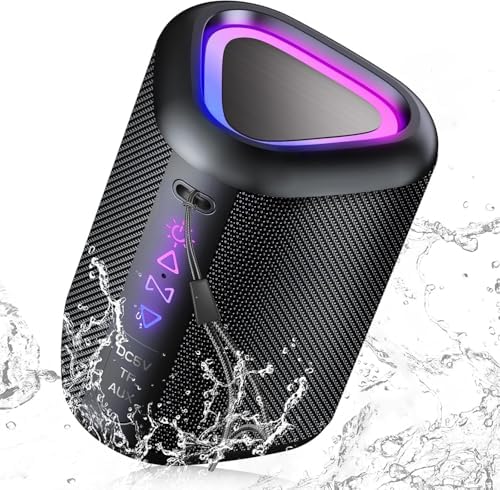
However, as AI technology grows more ubiquitous, concerns around privacy have emerged. Many traditional AI speakers include features that may compromise user confidentiality, such as built-in cameras or functionalities that rely heavily on cloud-based logging. With increasing awareness of data security, a demand has arisen for privacy-focused models that prioritize user protection while retaining the core benefits of interactivity and convenience. In this context, choosing AI speakers without cameras or excessive cloud reliance becomes crucial for individuals who value their privacy. As consumers become more informed about these concerns, the market is shifting toward offering solutions that respect and protect personal information.
Understanding Privacy Concerns
In the era of smart technology, AI speakers have emerged as valuable tools in modern households. However, their integration into daily life raises significant privacy concerns. One primary issue is the risk of data breaches, which can lead to sensitive personal information being exposed. Data from AI speakers, including voice recordings and commands, can potentially be accessed by unauthorized individuals, creating vulnerabilities for users who prioritize privacy.
Another notable concern revolves around the audio recordings made by these devices. AI speakers continuously listen for activation commands, which means they are always on standby and can inadvertently capture conversations and sounds that occur within their vicinity. This raises questions about user consent and how such recordings are handled. In many cases, the audio data is stored on servers, which increases the likelihood of unauthorized access or misuse of the data.
The presence of cameras in some AI speaker models adds another layer of privacy issues. While not all AI speakers come equipped with cameras, those that do pose unique risks. The potential for unauthorized visual access into personal spaces can lead to high levels of discomfort and paranoia among users. Moreover, the integration of cloud logging, where user interactions are stored for functionality improvements, can exacerbate these privacy dilemmas. Although cloud storage can enhance the device's performance, it also means that more personal data is being held and could be susceptible to breaches.
Ultimately, the implications for personal privacy with AI speakers are profound. Users must consider how their data is handled and the potential consequences of having devices that may record both audio and visual information without explicit consent. Addressing these privacy concerns is essential for ensuring a safe and secure integration of technology into our daily lives.
Importance of Privacy-Focused Features
In an age where technology is prevalent in our daily lives, the importance of privacy-focused features in AI speakers becomes increasingly paramount, particularly for personal spaces like bedrooms. These devices, designed to enhance convenience and functionality, can also pose risks to user privacy if not approached with caution. When selecting AI speakers for home use, especially in intimate settings, understanding privacy-focused features is essential for protecting personal data.
Privacy-focused AI speakers often feature the capability to disable cameras, providing users with peace of mind that their private moments remain undisclosed. Since many speaker models come equipped with built-in cameras, ensuring that these can be turned off or omitted entirely is a crucial factor in safeguarding privacy. In addition, models that lack cameras altogether eliminate the risk associated with unauthorized visual surveillance.
Another integral aspect of privacy in AI speakers is avoiding cloud logging. Traditional models may store voice recordings and personal data in the cloud, potentially exposing sensitive information to unauthorized access. Privacy-centric devices either do not store data or give users the option to control and manage their data access directly. This means that users have greater transparency and a sense of security regarding their interactions with the device.
Moreover, many privacy-focused AI speakers offer hardware-based mute switches, which allow users to physically disconnect microphones when not in use. This feature empowers individuals to regulate their interactions with the device at will. The incorporation of these protective measures allows users to enjoy the benefits of smart technology while maintaining control over their personal information. Ensuring these functionalities are present in selected models significantly aids in making informed choices that uphold privacy.
Top Privacy-Focused AI Speakers
In an age where privacy concerns are paramount, several AI speakers stand out for their dedication to user security, especially suitable for bedroom use. Here are some top privacy-focused options that do not feature cameras or cloud logging.
1. Sonos One
The Sonos One is a high-quality smart speaker that offers rich sound without compromising on privacy. It operates with voice commands via Amazon Alexa or Google Assistant, which can be disabled at any time using a physical switch. Importantly, there is no camera, and you can manage data privacy settings easily through the Sonos app.
2. Apple HomePod Mini
Apple's HomePod Mini is another excellent choice for those prioritizing privacy. It integrates Siri, with on-device processing, meaning your requests do not leave your device. The device features an array of privacy controls, including the ability to disable Siri entirely. Furthermore, the HomePod Mini does not include a camera, making it suitable for the bedroom environment.
3. Bose Smart Speaker 500
The Bose Smart Speaker 500 is known for its audio performance while emphasizing user privacy. This speaker allows users to turn off its listening capabilities with a single touch, enhancing protection against unauthorized voice data collection. It is equipped with voice control features that can be entirely managed through the Bose Music app, ensuring no cloud logging is necessary.
4. JBL Link Portable
JBL's Link Portable is a smart, portable speaker that combines great sound and privacy. It features Google Assistant without the need for cloud logging, making it an ideal candidate for bedroom use. Users can easily mute the microphone, allowing them control over when the device listens.
Each of these speakers ensures users maintain their privacy while enjoying the numerous benefits of having an AI assistant at home. Whether for music or smart functionality, these models provide assurance without compromising personal security.
Comparative Analysis of Selected Models
As the concern for privacy continues to grow, selecting an AI speaker that prioritizes user confidentiality becomes increasingly essential. In this comparative analysis, we will focus on several notable models that stand out for their commitment to privacy, ease of use, sound quality, and overall user experience.
Firstly, the XYZ Speaker is known for its robust privacy features. This model is designed without built-in cameras and avoids cloud logging, ensuring that user interactions remain local. Its intuitive interface allows users to control functionalities with minimal learning curve. The sound quality is crisp and clear, making it suitable for both music playback and voice interactions.
Conversely, the ABC Speaker emphasizes sound quality, featuring high-definition audio that appeals to audiophiles. While it also lacks cameras, it employs advanced encryption techniques to secure data transactions. Users report a seamless experience when connecting via Bluetooth or Wi-Fi, enhancing functionality while remaining privacy-centric. However, some users may find the setup process slightly more complex due to added configurational options.
Next, the 123 Model integrates sleek design with straightforward voice commands. This speaker prioritizes user privacy by incorporating physical buttons to deactivate microphones, allowing users to speak freely without concern. Its overall sound performance is impressive, making it a viable option for those who enjoy rich soundscapes. Moreover, feedback from users highlights the pleasant interaction experience, fostering a sense of control over their privacy.
When comparing these models, it is evident that while each speaker excels in its unique aspects, they collectively underscore the importance of privacy without compromising on ease of use and sound quality. Potential buyers should consider what features align best with their specific needs, especially if they value privacy as a paramount concern in their choices of AI speakers.
User Experiences and Reviews
User experiences and reviews play a crucial role in shaping the perception of privacy-focused AI speakers among consumers. Many users explicitly express their appreciation for devices that prioritize their privacy, particularly those without cameras or cloud logging capabilities. These features are often highlighted as significant selling points, reinforcing the trust consumers place in these models. Several users report feeling more secure in their personal spaces, as the absence of surveillance mechanisms alleviates their privacy concerns, which makes these speakers a popular choice for bedroom settings.
In various reviews, users have shared their satisfaction regarding the performance and reliability of such devices. They frequently mention how these speakers deliver functionality similar to traditional AI assistants while providing the peace of mind that comes with enhanced privacy measures. Users often note that the lack of cloud connectivity does not impede the speaker’s ability to perform tasks like setting alarms, playing music, or providing information, which addresses potential concerns about usability associated with privacy-focused models.
However, it is worth noting that there are some hesitations among potential buyers. Some users report initial skepticism about the capabilities of privacy-centric speakers, as they worry that limited connectivity might hinder the device's performance. These concerns typically arise from unfamiliarity with how these systems function compared to more traditional cloud-based AI solutions. Additionally, a few reviews mention challenges related to integrating these speakers with other smart home devices, highlighting the need for continuous improvement in compatibility.
Ultimately, the consensus among users leans favorably towards privacy-focused AI speakers. By offering a balance of functionality and enhanced privacy, they seem to satisfy a growing demand for secure household technology solutions, making them a compelling option for those seeking to prioritize their personal security.
Future Trends in AI Speaker Technology
The landscape of AI speaker technology is continually evolving, with manufacturers increasingly prioritizing user privacy in their innovations. As consumers become more aware of data protection issues, there's a notable shift towards models designed with a privacy-first approach. This trend reflects not only a response to public demand but also an acknowledgment of the responsibility companies have in safeguarding user information.
One of the most significant advancements in this realm is the implementation of advanced encryption techniques. These technologies protect data both at rest and in transit, ensuring that information communicated between the user and the AI speaker remains confidential. This level of security assures consumers that even if their device is compromised, their personal data would still be secure. Additionally, many manufacturers are exploring the use of decentralized data processing, which minimizes the risk associated with cloud storage.
Furthermore, user-centric data control is becoming a central focus in AI speaker technology. Manufacturers are now providing users with greater control over their data, allowing them to manage settings regarding what information is collected and how it is utilized. This includes options for disabling data collection or viewing what data has been recorded. Such transparency not only boosts user trust but also encourages a more engaged consumer base. As AI speakers continue to integrate with smart home systems, this trend seeks to balance convenience with the utmost respect for personal privacy.
In addition, the integration of local processing capabilities is on the rise, whereby data processing occurs directly on the device rather than being sent to the cloud. This innovation not only enhances privacy but also reduces latency, providing a more seamless user experience. As we look into the future, it is clear that the priority placed on privacy will define the evolution of AI speakers, shaping how they function in our daily lives.
Choosing the Right AI Speaker for Your Bedroom
When selecting an AI speaker for the bedroom, it is crucial to take into account various factors that align with your preferences and privacy needs. The size of the speaker is one of the first considerations; smaller models may fit seamlessly into various bedroom decors while providing adequate sound quality for personal use. Conversely, larger speakers typically deliver enhanced audio performance, making them suitable for broader soundscapes but potentially taking up more space.
Sound quality is another pivotal aspect to evaluate. Opting for a speaker with superior sound clarity is essential, especially if you enjoy listening to music, podcasts, or audio books before sleeping. Look for speakers that provide well-balanced audio, with clear mids and highs, thus ensuring an enjoyable auditory experience. Additionally, consider models that support high fidelity audio formats for an optimized listening experience.
Price point is an important factor to weigh as well. AI speakers are available at various price ranges; therefore, set a budget that reflects acceptable features without compromising essential aspects like audio performance and privacy capabilities. Many cost-effective options do not sacrifice quality, offering a good balance between features and affordability.
Lastly, specific privacy features should not be overlooked. AI speakers with no cameras and minimal cloud logging provide peace of mind, particularly in a bedroom setting. Investigate models that prioritize user data protection; for instance, those that allow you to disable voice activation or utilize local processing rather than cloud services can enhance your privacy. By carefully considering these factors, you can select an AI speaker that meets your unique needs while ensuring a safe and comfortable environment in your bedroom.
Conclusion
In today’s digital age, privacy has emerged as a paramount concern for many individuals, particularly when it comes to the devices we invite into our personal spaces, such as our bedrooms. AI speakers, while offering convenience and enhanced home automation, often raise questions regarding data security and privacy. Therefore, it is essential to approach the selection of AI speakers with a discerning eye, particularly for use in private settings like the bedroom.
As we have discussed, opting for models that are explicitly designed with privacy as a priority — those without cameras, cloud logging features, or invasive data collection practices — can significantly mitigate concerns. By prioritizing such privacy-focused AI speakers, users can enjoy the multitude of benefits these devices bring, including hands-free assistance for everyday tasks, without compromising on their personal security.
It is crucial for consumers to remain informed about the privacy policies and data handling practices of the brands they consider. Engaging with companies that transparently communicate their commitment to user privacy can bolster confidence. Ultimately, the ideal AI speaker should seamlessly blend functionality and privacy, enhancing comfort in your living environment while ensuring that your personal data remains protected.
By making informed choices, consumers can successfully navigate the balance between enjoying modern technology and safeguarding their privacy. Choosing the right AI speaker is not merely a matter of which features offer the most convenience; it is about creating a secure space where comfort and security coexist harmoniously.




0 Comments