Introduction to the Apple HomePod Mini (2026)
The Apple HomePod Mini (2026 model) represents an evolution in smart speaker technology, blending aesthetics and functionality within a compact design. Retaining the rounded enclosure that characterizes its predecessors, the 2026 version boasts a refined design featuring new color options and improved material quality, making it not only a functional gadget but also a stylish addition to home decor.
This latest iteration includes prominent upgrades in audio performance, with enhanced bass response and more balanced sound dynamics, elevating the listening experience for users. Apple's emphasis on user experience remains evident as the HomePod Mini leverages computational audio to optimize sound output based on the speaker's environment, ensuring that music, podcasts, and other audio content are delivered with clarity and depth.


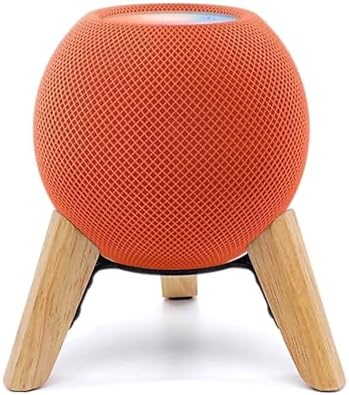

One of the most significant advancements in the 2026 model is the introduction of Siri's on-device intelligence, which allows for faster processing and improved functionality without compromising user privacy. Unlike earlier models that relied heavily on cloud-based processing, the HomePod Mini can now handle a significant portion of voice recognition and command execution locally. This change not only enhances performance but also minimizes data sent to external servers, thereby providing users with a greater sense of security.
The Apple HomePod Mini (2026) is built with a focus on seamless integration within the Apple ecosystem. It supports various functionalities, such as controlling smart home devices and providing updates on the latest news or weather, all while ensuring commands are processed with minimal latency. With these improvements, Apple aims to solidify its position in the smart speaker market while addressing growing concerns regarding privacy and data security.
Understanding Siri’s On-Device Intelligence
The emergence of on-device intelligence in the Apple HomePod Mini, particularly in its 2026 model, signifies a pivotal shift in how digital assistants operate. Traditionally, virtual assistants like Siri relied heavily on cloud-based processing, wherein data was transmitted to remote servers for analysis and response generation. This method raised numerous privacy concerns, as sensitive data could potentially be vulnerable during transmission and storage. Conversely, on-device intelligence allows Siri to process information locally, directly on the user's device.
On-device intelligence leverages the advanced processing capabilities of the HomePod Mini, harnessing its built-in hardware to perform complex computations without necessitating an internet connection for every task. This capability stems from significant advancements in machine learning algorithms and efficient chip architecture design. By utilizing localized data handling, Siri can recognize user commands, interpret context, and provide responses almost instantaneously.
This approach not only enhances the speed and responsiveness of the user experience but also fundamentally alters the privacy landscape. As Siri can execute functionalities such as voice recognition and natural language processing without transferring information to external servers, the risk of data interception diminishes considerably. Subsequently, the user maintains greater control over privacy settings and personal information. Moreover, this paradigm fosters a more personalized interaction, as Siri can store and learn from user behaviors and preferences directly on the device. Consequently, users can enjoy tailored suggestions and assistance while minimizing their exposure to potential privacy breaches.
In summary, the implementation of on-device intelligence in the HomePod Mini represents a transformative advancement for Siri, reengineering the interaction dynamics between user and assistant while prioritizing data security.
Privacy Concerns with Traditional Virtual Assistants
As technology has evolved, the reliance on virtual assistants has become increasingly prevalent in daily life. However, traditional virtual assistants often raise significant privacy concerns primarily due to their dependence on cloud computing. These concerns have sparked debate among users regarding the security of their personal information.
One major issue is the storage and handling of user data. Traditional virtual assistants, such as those from leading tech companies, typically process voice commands and queries by transmitting audio data to remote servers for analysis. This raises alarms about how much personal data is being collected and stored, potentially leaving users vulnerable to unauthorized access. With data breaches becoming more common, the fear of sensitive information falling into the wrong hands is a legitimate concern.
Moreover, there is anxiety surrounding the tracking of user habits and preferences. Cloud-based systems may continuously collect data on user interactions, leading to the creation of detailed user profiles that outline behaviors and interests. This not only raises ethical questions about consent but also about the extent of monitoring users unknowingly undergo. Such tracking can lead to personalized advertisements and targeted marketing, which many users find intrusive.
Lastly, the sharing of data with third parties often accompanies the usage of traditional virtual assistants. Many companies outline in their privacy policies that they may share anonymized data with partners for various reasons, such as improving service offerings or conducting research. However, users may not always be fully aware of what this means for their privacy, leading to further distrust.
In light of these privacy issues, it is essential for consumers to be cognizant of how traditional virtual assistants operate and what implications this may have for their personal data security.
How the 2026 HomePod Mini Addresses Privacy
In recent years, user privacy has become a paramount concern in the digital landscape. Apple has taken significant steps to address these concerns with the 2026 HomePod Mini, which now incorporates advanced on-device intelligence. This technology ensures that user data is processed locally on the device rather than being sent to cloud servers for analysis. The implications of this shift are profound and beneficial for users.
The HomePod Mini employs machine learning algorithms that function directly on the device, allowing for a more personalized experience without sacrificing privacy. By analyzing voice commands and user interactions locally, the device can tailor responses to individual preferences while ensuring that sensitive information remains secure. For instance, when a user asks the HomePod Mini to play their favorite playlist, the request is processed without any data transmission to Apple's servers, thereby minimizing exposure to potential data breaches.
Additionally, the integration of on-device intelligence means that Siri can learn and adapt over time, improving its accuracy and responsiveness based on user habits. This functionality enhances the overall user experience while maintaining strict privacy protocols. With no need for constant internet connectivity to analyze data, the risk of interception is significantly reduced.
Moreover, Apple has implemented stringent encryption methods to further protect user data. By encrypting all voice interactions and ensuring that no identifiable information is extracted, the HomePod Mini reinforces its commitment to safeguarding user privacy. This transparency and dedication to user protection not only foster trust but also set a benchmark for other smart device manufacturers.
In summary, the 2026 HomePod Mini exemplifies how on-device intelligence can be leveraged to address privacy concerns effectively. Through localized data processing and robust encryption, Apple showcases an innovative approach that prioritizes user privacy while delivering an enhanced smart home experience.
Benefits of On-Device Processing for Users
The advent of on-device processing in smart devices, particularly in Apple's HomePod Mini (2026 model), brings forth substantial advantages to users beyond enhanced privacy safeguards. One of the primary benefits is significantly faster response times. By processing requests locally on the device rather than relying on cloud-based servers, the HomePod Mini can provide instantaneous replies to user commands. This rapid response not only improves user satisfaction but also enhances the overall efficiency of interacting with Siri.
Another notable advantage is the improved contextual understanding enabled by on-device intelligence. The HomePod Mini can analyze user behavior and preferences more effectively when all data processing occurs locally. Through machine learning algorithms that adapt to individual users, Siri is better equipped to understand context and provide reliable suggestions tailored to specific needs. This level of understanding ensures that responses are not only relevant but also timely, as the device recognizes previous interactions and user intent.
Customization options also expand with on-device processing. Users can create personalized experiences that fit their specific lifestyles and preferences. For instance, the HomePod Mini can learn routines, manage smart home devices accordingly, and even adjust its behavior based on user interactions. By leveraging on-device intelligence, the HomePod Mini empowers users to take greater control over their smart environment, allowing for a more tailored and engaging experience. This flexibility brings about greater user satisfaction, fostering a stronger connection between users and their smart devices.
In conclusion, the move towards on-device processing in smart speakers like the Apple HomePod Mini not only augments privacy measures but also delivers faster responses, improved contextual understanding, and enhanced customization options, establishing a more robust user experience.
Case Studies: Real User Experiences
With the integration of on-device intelligence in Apple’s HomePod Mini, user experiences have evolved significantly, highlighting the positive impact on privacy and functionality. One user, Emma, a tech-savvy professional, noted a dramatic enhancement in her interaction with Siri. Previously, she often hesitated to utilize voice commands due to privacy concerns about cloud processing. However, after upgrading to the 2026 model, Emma expressed relief knowing that Siri processes commands locally on the device. This shift enabled her to confidently ask for reminders and control her smart home devices, greatly enhancing her productivity without compromising her data privacy.
Another user, James, a busy father of three, shared how the new features of Siri have created a more personalized and secure home environment. He often uses the HomePod Mini to manage his family’s schedule, play music, and provide information to his children. Previously, James worried about his children's interactions and the potential for personal data breaches, but the on-device processing has alleviated these concerns. The faster response times and precise contextual understanding of commands allowed for a seamless integration into his family's daily routine.
Furthermore, a tech blogger named Sarah conducted a side-by-side comparison between the previous model and the 2026 HomePod Mini. Her review revealed significant differences in responsiveness and privacy management. She was particularly impressed by Siri's ability to learn from user interactions without sending data to the cloud. This local processing not only speeds up the performance but also ensures that personal choices and habits remain confidential, thereby reinforcing the trust users have in Apple products.
These case studies exemplify how the HomePod Mini's new on-device intelligence not only elevates user experience but also establishes a new standard of privacy in smart home devices.
Comparing the HomePod Mini with Competing Devices
The smart speaker market has become increasingly competitive, with numerous devices vying for consumer attention. Among these, the Apple HomePod Mini (2026 model) stands out, particularly due to its enhanced on-device intelligence and privacy features. When comparing the HomePod Mini to competitors like the Amazon Echo and Google Nest Audio, the contrast in how each device handles privacy and artificial intelligence becomes evident.
The Apple HomePod Mini is designed with user privacy at its core. It processes many commands locally, minimizing data sent to the cloud. This advancement in on-device intelligence allows it to learn user preferences without compromising privacy. In contrast, the Amazon Echo relies heavily on cloud processing for Alexa, raising concerns among privacy-conscious users about data collection and surveillance. Although Amazon has introduced privacy measures, such as voice recording deletion features, the inherent design of cloud reliance continues to be a significant weakness.
On the other hand, Google Nest Audio also employs cloud-based intelligence, utilizing Google Assistant to provide features that improve responsiveness and functionality. However, similar to the Echo, this reliance on external servers poses privacy risks, especially as users become more aware of data usage policies. Google has made strides to enhance user control over data, yet some users might still feel uncomfortable with such long-term data retention.
In summary, the HomePod Mini emerges as a strong contender in the current smart speaker landscape. Its focus on on-device intelligence exemplifies Apple’s commitment to privacy without sacrificing performance. While the Echo and Nest Audio boast extensive ecosystems and functionality, their cloud-dependent architectures could deter privacy-conscious consumers. Each device has merits, but for those prioritizing privacy, the HomePod Mini may present a compelling choice in today’s market.
Future Implications of On-Device Intelligence in Smart Speakers
The evolution of on-device intelligence in smart speakers, exemplified by the Apple HomePod Mini (2026 model), signals a transformative shift in the smart home landscape. As technology progresses, one of the significant implications of on-device processing is enhanced privacy. By leveraging local data processing capabilities, users' information no longer requires continuous transmission to cloud servers. This development alleviates privacy concerns associated with data breaches and unauthorized surveillance, fostering a sense of security among users.
Furthermore, the integration of advanced on-device intelligence is likely to catalyze innovation in smart home devices. Manufacturers are anticipated to expand the functionalities of smart speakers beyond basic voice commands. For instance, devices may develop personalized user interfaces, enabling customized interactions based on individual preferences and behaviors. As users become accustomed to these tailored experiences, there will be an increasing latent demand for interoperability among various smart home products. Future smart speakers could serve as central hubs, effectively communicating with a broad array of devices in a seamless network.
Another significant trend is the expectation for smarter and more responsive interactions. As on-device intelligence continues to evolve, smart speakers will likely provide higher accuracy in voice recognition and contextual awareness. This could potentially lead to more proactive assistance features, allowing devices to anticipate user needs rather than merely reacting to commands. Consumers may also begin to expect regular updates and improvements as part of their smart speakers' capabilities, further influencing manufacturers' strategies and development cycles.
In summary, the future of on-device intelligence in smart speakers is poised to redefine consumer interactions with technology. As privacy becomes a priority and expectations for functionality rise, innovation will be crucial in shaping the smart home ecosystem, ultimately leading to an enriched user experience.
Conclusion: The Future of Privacy and Smart Home Devices
In summary, the Apple HomePod Mini 2026 model represents a significant advancement in privacy-focused smart home technology through its innovative on-device intelligence. This new feature allows the device to process information locally, minimizing the amount of data transmitted to external servers and significantly enhancing user privacy. The implications of this development are profound, especially considering the growing concerns surrounding data security and privacy in the digital age.
Throughout this discussion, we explored how Siri’s new capability to handle requests directly on the device reduces reliance on cloud services, thereby limiting the exposure of personal data. This shift not only reassures consumers about the confidentiality of their interactions but also sets a new standard for privacy in the realm of smart home devices. As smart technologies continue to evolve, the expectation for privacy should not only be met but prioritized.
The potential for on-device processing extends beyond mere voice queries; it raises questions about the future of privacy within all smart home ecosystems. As more manufacturers adopt similar technologies, consumers may gain greater control over their own data, making their smart home experiences safer and more secure. This evolution necessitates careful considerations for prospective smart home users regarding which devices they choose to integrate into their environments.
As we move forward, it is essential for users to reflect upon the privacy implications of their smart technology choices. Embracing devices like the Apple HomePod Mini not only enhances convenience but also fosters a more secure smart home atmosphere. With the increasing integration of technology into daily life, the importance of prioritizing privacy through responsible device selection cannot be overstated.




0 Comments