Introduction: The Rise of Privacy in Audio Devices
In recent years, the importance of privacy in consumer electronics has come to the forefront of public discourse, especially regarding audio devices. With advancements in technology allowing for greater connectivity and functionality, the concerns surrounding data security and user privacy have heightened. Smart speakers have become ubiquitous in homes, promising convenience and enhanced user experiences, but these very features have sparked significant apprehension among consumers regarding their personal data and privacy.
The rise of privacy as a primary concern is largely shaped by increasing awareness of how data is collected and utilized by various device manufacturers. High-profile incidents of data leaks, unauthorized usage, and surveillance have raised alarms, leading consumers to reconsider their choices in smart audio equipment. As a result, brands that prioritize privacy are more likely to attract a discerning audience that wants both cutting-edge technology and strong privacy protections.


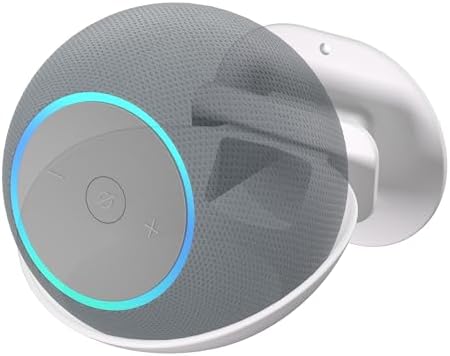
This trend reflects broader societal concerns about digital privacy in an age where online security breaches can have dire consequences. Consumers are becoming more educated, actively seeking devices that offer transparent data practices, robust privacy features, and the ability to control how and when data is collected. Features such as microphone toggles, enhanced encryption, and user-centric permissions have emerged as significant factors influencing purchase decisions among consumers.
As we compare devices like the Apple HomePod (2026) and Sonos Era 300, it is essential to understand how each aligns with this growing desire for privacy. The ongoing ''privacy-first'' audio war not only influences consumer choices but also sets the stage for future innovations in the industry. Understanding the implications of these trends is crucial for evaluating which audio device truly champions user privacy.
Overview of the Apple HomePod (2026)
The Apple HomePod (2026) represents a significant leap in smart speaker technology, focusing prominently on privacy and security while delivering excellent audio quality. It features a sleek, minimalist design that is characteristic of Apple products, effectively blending into any home environment. This model boasts improved acoustics, with advanced sound manipulation technologies that allow for fine-tuning of audio output based on the room's acoustics, ensuring an immersive listening experience.
The HomePod (2026) is equipped with a powerful A-series chip, enabling sophisticated processing for voice recognition and sound enhancement. It supports Full HomeKit integration, allowing users to control smart home devices seamlessly. Furthermore, its intuitive interface, driven by Siri, ensures that voice commands are processed accurately and swiftly. Users can easily access music, set reminders, or control smart devices in their homes just by using their voice.
Privacy is central to the HomePod's design philosophy. Apple has implemented several measures to safeguard user information. The device processes voice commands directly on the hardware, minimizing the need to send data to external servers. Additionally, any recorded audio is automatically anonymized and encrypted, thereby enhancing user trust. Users have control over their data, with easy-to-understand settings to manage access permissions and data retention.
This commitment to privacy not only sets the HomePod (2026) apart in the competitive audio market but also aligns with growing consumer concerns regarding data security. By prioritizing user privacy within its ecosystem, Apple aims to enhance user confidence, ensuring they can enjoy their smart speaker's capabilities without compromising personal information. The integration of these privacy measures translates into a more secure and enjoyable experience for users, making the Apple HomePod an attractive option in the "privacy-first" audio war.
Overview of the Sonos Era 300
The Sonos Era 300 is a sophisticated smart speaker designed to deliver superior sound quality while championing consumer privacy. Sports an innovative design, the Era 300 features a unique, angled speaker array that enhances audio output by providing immersive sound in all directions. This technology takes advantage of Sonos's renowned expertise in acoustics, allowing it to create a rich, dynamic soundstage that rivals many competitors in its class.
Equipped with six drivers, the Era 300 is meticulously calibrated to enable an unrivaled listening experience. Whether you are enjoying music, podcasts, or audiobooks, the speaker is designed to reproduce sound accurately and with depth. Integrating advanced spatial audio technology, it not only caters to music at a casual volume but also excels in rendering complex soundscapes at elevated levels. Moreover, the Era 300 boasts compatibility with various streaming services, making it a versatile choice for audio listeners who value both quality and convenience.
The privacy initiatives taken by Sonos set it apart from numerous brands in the audio market. Sonos emphasizes data privacy by adopting a policy that minimizes data collection and ensures transparency regarding users’ information. Unlike many of its competitors, Sonos does not monetize user data or utilize it for targeted advertising. This commitment to consumer privacy not only establishes trust but also attracts customers who are increasingly concerned about their data security in an age of digital surveillance.
Overall, the Sonos Era 300 stands as a noteworthy contender in the "privacy-first" audio battle, positioning itself strategically in the marketplace by combining exceptional sound quality with a robust dedication to user privacy. As consumers becomes more aware and vigilant about their personal data, Sonos aims to foster a sense of security without compromising on the audio experience.
Privacy Features of the Apple HomePod (2026)
The Apple HomePod (2026) is designed with user privacy as a paramount concern, offering an array of features that ensure a secure audio experience. At the forefront of these features is data encryption, which safeguards user information against unauthorized access. This encryption is applied not just during data transmission but also while stored on the device, ensuring that personal audio data remains confidential.
Another critical aspect of the HomePod's privacy framework is its emphasis on user consent. The device is programmed to give users control over their data, necessitating explicit permission before any information is collected or used. This approach aligns with Apple’s broader philosophy of transparency, allowing users to understand how their information will be managed and providing them the ability to opt out if they choose.
Voice recognition is another innovative feature that enhances the privacy of the Apple HomePod (2026). By employing advanced machine learning algorithms, the device can accurately identify individual users while ensuring that voice data remains securely stored and processed on the device. This capability not only streamlines user interaction but also protects personal voice recordings from being accessed or misused, thereby alleviating concerns regarding eavesdropping or unauthorized data handling.
Furthermore, Apple includes a physical switch that allows users to disable the microphone at any time, ensuring an additional layer of privacy. When this switch is engaged, the HomePod will not respond to voice commands, thus giving the user complete control over when the device is active. Through these features, the Apple HomePod (2026) effectively addresses many of the prevalent privacy concerns associated with smart audio devices, establishing itself as a leading option for consumers prioritizing privacy in their technology choices.
Privacy Features of the Sonos Era 300
The Sonos Era 300 stands out not only for its superior audio performance but also for its commitment to user privacy. As consumers grow increasingly concerned about data security, the Era 300 adopts a range of privacy-centric features designed to protect user information while offering transparency and control.
One of the foundational elements of the Era 300’s privacy framework is its detailed privacy policy, which informs users about data collection practices and the purpose behind them. This transparency is crucial as it builds trust between Sonos and its customers. Users are empowered to choose what data they wish to share, and settings can be easily adjusted through the Sonos app. This user-centric approach aligns well with the growing demand for privacy in digital devices.
Moreover, the Sonos Era 300 is equipped with a mechanical button that disables the microphone, providing an additional layer of control. When the button is pressed, users can be assured that their conversations are not being captured or transmitted, a feature that not only enhances privacy but also fosters peace of mind. This tactile feedback allows users to feel more secure about their audio device's data practices.
Additionally, the Sonos Era 300 utilizes advanced encryption protocols for any data that might be transmitted to the cloud. This ensures that even in the case of data interception, the information remains secure and unreadable. The focus on strong encryption is crucial in combating potential privacy breaches and is a testament to Sonos's dedication to customer data protection.
By providing inclusive control options and ensuring robust security measures, the Sonos Era 300 exemplifies a privacy-first approach in modern audio technology. It reflects a growing trend where manufacturers recognize their responsibility toward user data protection. Through its innovative features, Sonos not only delivers exceptional audio experiences but also champions user privacy, setting a high standard in the industry.
Comparative Analysis of Audio Quality
When assessing the audio quality of the Apple HomePod (2026) and the Sonos Era 300, several critical factors come into play, including sound reproduction, bass response, and overall user experience. Each device adopts a distinct approach to audio engineering, aimed at delivering optimal listening experiences to their users.
The Apple HomePod (2026) utilizes advanced computational audio technology, enabling it to deliver impressive sound reproduction that adapts to the surroundings. This model features a formidable array of speakers, including a woofer and multiple tweeters, which work collaboratively to produce a rich, immersive soundstage. Users typically praise the HomePod for its ability to balance highs and mids while maintaining clarity at various volume levels. The computational audio capability enhances its performance by adjusting playback based on the room acoustics, resulting in a customized listening experience.
In contrast, the Sonos Era 300 positions itself as a versatile and high-performance speaker, particularly praised for its spatial audio capabilities. It employs direct and reflective audio pathways to create a surround sound experience that envelops listeners, making it appealing for large spaces. The bass response of the Era 300 is robust and well-defined, allowing for an impactful listening experience, especially for genres that emphasize low frequencies. However, some users may find that the Era 300's sound profile reflects a somewhat aggressive emphasis on bass, which, while engaging, may overshadow the mid-range clarity for certain musical styles.
Ultimately, both the Apple HomePod (2026) and Sonos Era 300 offer compelling audio performances with unique strengths. The choice between the two will largely depend on individual preferences regarding sound balance, environment, and desired audio experiences. While the HomePod excels in sound reproduction and adaptation, the Era 300 offers a more dynamic listening experience, particularly suitable for immersive environments.
User Experience and Usability
The user experience of smart speakers significantly influences consumer preferences, particularly when evaluating the Apple HomePod (2026) and the Sonos Era 300. Both devices aim for a seamless interaction that simplifies access to audio content while maintaining a user-friendly environment.
Setup processes are a crucial aspect of usability. The Apple HomePod (2026) typically boasts a quick and intuitive setup through the iOS ecosystem. Users can synchronize their devices within minutes, thanks to Apple's Handoff feature and automatic discovery. In contrast, the Sonos Era 300 offers an equally efficient setup, utilizing the Sonos app. Though users new to the Sonos ecosystem might experience a slight learning curve, the clear prompts within the app guide them through connection and configuration seamlessly.
When it comes to app interfaces, both systems provide elegant designs that facilitate efficient interaction. The HomePod's integration with Apple Music and Siri allows users to enjoy a more personalized audio experience, with voice commands yielding instant results. The Sonos app, while slightly more complex, offers a broader range of streaming services and supports multi-room audio, appealing to users who desire versatility and control over their listening environments.
Voice command responsiveness remains a critical feature in determining overall user satisfaction. The HomePod (2026) leverages advanced Siri capabilities, offering prompt and accurate responses, particularly in iOS-centric households. In comparison, Sonos has improved voice command integration with Alexa and Google Assistant, providing flexibility depending on the user's preference. However, users have reported latency issues with voice commands on the Sonos Era 300, impacting immediate user experience.
Lastly, considering privacy, both devices reinforce their commitment to user safety. The HomePod (2026) allows users to control settings easily, enabling them to manage how data is collected and used. Similarly, the Sonos Era 300 includes robust privacy features, promoting user confidence in the platform. Overall, both devices show significant strides in creating a practical and privacy-conscious user experience.
Market Positioning and Pricing
The Apple HomePod (2026) and Sonos Era 300 exemplify distinct strategies in the competitive audio device marketplace, particularly within the realm of privacy-conscious consumers. Apple's approach, characterized by its premium branding, generally positions the HomePod as a high-end audio solution. Priced significantly higher than many alternatives, the HomePod appeals to consumers who prioritize not only audio quality but also integration with Apple’s ecosystem. This ties into their larger marketing narrative of security and privacy, as Apple continuously promotes its devices as being designed with user privacy in mind.
Conversely, Sonos has opted for a pricing model that balances quality and affordability, which may attract a broader demographic. The Era 300 is typically priced more accessibly, thus appealing to consumers who might value advanced features such as sound versatility and integration with various streaming platforms, alongside privacy. By addressing both affluent customers and budget-conscious users, Sonos positions itself as an inclusive brand that prioritizes innovation without sacrificing value.
Consumers navigating the audio device landscape will likely consider several factors beyond mere price points. The Apple HomePod's seamless connection with Apple devices may appeal to loyal Apple users who prioritize ecosystem continuity and data privacy. On the other hand, those who desire more flexibility in using various third-party applications might lean toward the Sonos Era 300, as it is designed for compatibility with multiple services, satisfying users looking for both functionality and privacy.
Ultimately, the decision between the Apple HomePod (2026) and the Sonos Era 300 may hinge on individual preferences, brand loyalty, and how much weight each buyer places on privacy alongside affordability in their audio experience.
Conclusion: Who Wins the "Privacy-First" Audio War?
As we consider the Apple HomePod (2026) and the Sonos Era 300, several crucial aspects come into play in determining which device champions privacy in audio technology. Both brands have made significant strides towards prioritizing user privacy, but they adopt differing approaches that cater to varied user preferences.
The Apple HomePod emphasizes a robust privacy framework, leveraging on-device processing to minimize the transmission of personal data. Users can expect strong security measures that align well with Apple’s broader commitment to user confidentiality. In terms of audio quality, the HomePod delivers a rich, immersive sound experience, characterized by deep bass and clarity, positioning itself favorably for music lovers.
Conversely, the Sonos Era 300 integrates a privacy-centric model alongside versatile connectivity options, allowing for a highly customizable user experience. Its sound performance is commendable, capturing a balanced audio profile that appeals to an array of listening environments. Furthermore, Sonos offers an open ecosystem that encourages compatibility with various music services, enhancing user flexibility.
In evaluating both options, the decision may ultimately come down to individual values and usage scenarios. For those prioritizing strict adherence to privacy protocols, the Apple HomePod (2026) may present the strongest argument. However, if users seek a combination of an adaptable audio system alongside respect for privacy, the Sonos Era 300 offers a compelling alternative.
Looking ahead, the evolving landscape of audio technology suggests an increasing emphasis on privacy-centric designs across the industry. As manufacturers recognize the significance of privacy, they are likely to incorporate more transparent practices and user-focused features, setting new standards for consumer technology and audio quality.



0 Comments