
Introduction to Vertical Gardening
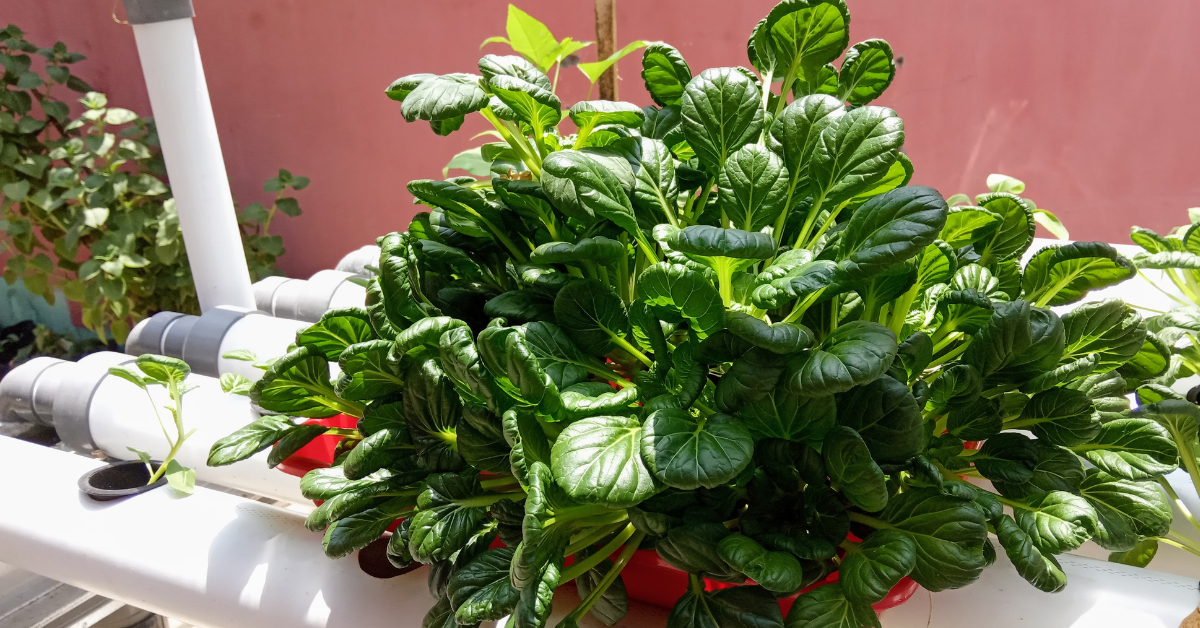
Vertical gardening is a sustainable and innovative method of cultivating plants in a vertical space rather than the traditional horizontal garden layout. This gardening technique has gained popularity in urban environments, where space limitations often hinder conventional gardening practices. By utilizing vertical structures such as walls, trellises, or specially designed planters, urban dwellers can maximize their gardening areas while creating beautiful green spaces.
One significant advantage of vertical gardening is its ability to improve air quality in congested urban areas. Plants act as natural air purifiers, absorbing carbon dioxide and releasing oxygen, which is especially beneficial in cities plagued by pollution. The increased foliage can also help mitigate heat and noise, contributing to a more pleasant living environment. Furthermore, vertical gardens can enhance the aesthetic appeal of otherwise dull structures, transforming walls into living artworks that promote tranquility and well-being.


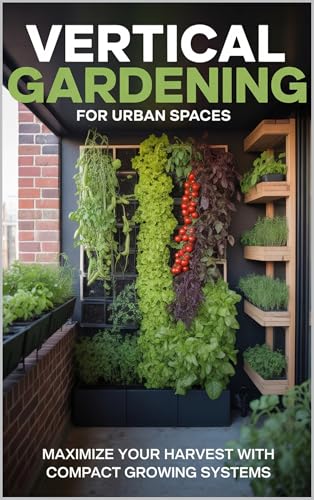
In addition to aesthetic enhancements, vertical gardening has profound implications for food sustainability. With limited ground space, urban residents can grow their fruits, vegetables, and herbs vertically, resulting in fresher produce that reduces reliance on store-bought items. This practice not only allows for healthier eating but also fosters a sense of community as people engage in gardening together. Whether it’s a balcony, patio, or rooftop, vertical gardening offers urbanites the chance to reconnect with nature, contribute to local food systems, and promote biodiversity.
In conclusion, vertical gardening is an essential solution for modern urban spaces, addressing both space constraints and the need for greener living. It combines practicality with creativity, making it an appealing option for city residents eager to cultivate their green thumb.
Why Choose Vertical Gardening for Urban Spaces?
Urban living often presents unique gardening challenges, primarily due to limited space and restrictions on traditional gardening practices. Many city dwellers have little to no access to outdoor areas suitable for cultivating plants, which can leave them feeling disconnected from nature. Vertical gardening emerges as a solution to these challenges, transforming confined areas into lush green spaces and allowing urban residents to enhance their surroundings.
The fundamental principle of vertical gardening involves growing plants upward rather than outward, effectively utilizing vertical space that would otherwise remain unused. This method is particularly beneficial for apartments, balconies, and small yards, where ground-level space is at a premium. By employing vertical planting systems such as wall planters, trellises, and vertical garden kits, urban gardeners can maximize their gardening potential, even in restrictive environments.
Moreover, vertical gardening promotes biodiversity in urban settings. It allows for a wider variety of plants to thrive in compact areas, thereby attracting beneficial insects such as bees and butterflies, which are essential for pollination. This not only contributes to a healthier urban ecosystem but also enhances the aesthetic appeal of concrete-filled environments. Additionally, vertical gardens can improve air quality by filtering pollutants, thus creating a healthier living space for residents.
In summary, choosing vertical gardening is a practical response to urban gardening limitations. It not only solves space constraints but also fosters ecological improvements, encouraging biodiversity while providing an oasis of green amidst the urban landscape. By adopting vertical gardening practices, urban dwellers can reclaim their connection to nature, all while cultivating a more vibrant and sustainable environment in their communities.
Types of Vertical Gardening Systems
Vertical gardening has emerged as a trendy solution for urban dwellers seeking to maximize limited space while enhancing their living environment. Several systems are available, each catering to different preferences and requirements. Understanding these types can significantly aid in making informed decisions regarding vertical gardening.
Wall Planters are among the most popular vertical gardening systems. These units are typically mounted directly on a wall and consist of pockets or containers where plants can thrive. Wall planters are ideal for small spaces and can create a stunning visual display. Their primary advantages include ease of access for maintenance and watering. However, they may present challenges in terms of soil drainage and require regular monitoring to prevent plant distress.
Trellises are another effective vertical gardening option, particularly well-suited for climbing plants such as beans, cucumbers, and certain flowers. A trellis supports plants as they grow vertically, optimizing exposure to sunlight while saving horizontal space. The benefits include improved air circulation and less risk of pests. However, trellises need to be securely anchored and may require additional considerations for aesthetics and structural support.
Hanging Gardens involve the suspension of planters from ceilings or balconies and provide a unique aesthetic appeal while promoting air circulation. This method is best for trailing plants and herbs. The primary advantage of hanging gardens is that they can transform any vertical surface into an attractive green space. Nevertheless, they may require some skill and consideration in terms of watering techniques, as the roots are often exposed and need regular attention.
Modular Systems are versatile and can be customized to fit various spaces. These systems typically consist of individual planter units that can be arranged creatively. The advantages of modular systems include flexibility in design and the ability to rearrange components as needed. On the downside, initial setup can be more complex, requiring meticulous planning and investment.
Each type of vertical gardening system offers unique benefits and challenges. By assessing available space, desired plant types, and maintenance levels, urban gardeners can select the most suitable method for their vertical garden endeavors.
Choosing the Right Plants for Vertical Gardening
When embarking on a vertical gardening venture, selecting the appropriate plants is paramount for success. One must consider various factors such as sunlight requirements, growth habits, and maintenance needs to create a thriving vertical garden. A well-planned selection not only enhances the aesthetics of the space but also maximizes the productivity of the urban garden.
Firstly, understanding the sunlight requirements of your chosen plants is crucial. Most vegetables and herbs require at least six hours of sunlight per day. For urban gardeners with limited sunlight exposure, consider shade-tolerant varieties such as leafy greens, which can flourish in lower light conditions. Additionally, when constructing your vertical garden, consider its placement. A garden facing south generally receives the most sunlight, allowing for a wider selection of sun-loving plants.
Growth habits of plants also play a significant role in vertical gardening. Opt for climbing varieties that naturally cling to supports, such as beans, peas, or cucumbers. Alternatively, consider cascading plants, like certain herbs or flowers, which can spill over the edges of planters, adding a dynamic element to your garden. Make sure to research the growth patterns of your selected plants to ensure they won’t overcrowd each other as they mature.
Maintenance needs should also factor into your decision-making process. Some plants, such as succulents or herbs like oregano and thyme, are low-maintenance and require minimal watering. In contrast, fruiting plants and more delicate species may demand additional care and attention. By considering the time and effort you can dedicate to your vertical garden, you can select plants that align with your gardening goals.
For a balanced vertical garden, include a variety of herbs like basil and parsley, vegetables such as cherry tomatoes and strawberries, and ornamental plants like trailing vines and compact flowers. This variety not only diversifies your garden but also ensures a thriving ecosystem, adding vibrancy to your urban space.
Best Space-Saving Planters for Urban Areas
Urban gardening presents unique challenges, particularly the limitation of available space. However, with the right selection of planters, even the tiniest balconies or patios can be transformed into lush green retreats. Here, we explore various innovative space-saving planters suitable for vertical gardening in urban settings.
One popular option is the pocket planter. Constructed from durable materials like felt or breathable fabric, pocket planters can be hung on walls, fences, or railings. These planters come equipped with multiple pockets, enabling urban gardeners to cultivate herbs, succulents, and flowers while maximizing vertical space. Their lightweight design and aerated structure promote healthy root growth, making them ideal for limited spaces.
Another excellent choice is the vertical planter tower. This type of planter is often tiered, providing multiple layers for planting. Available in various materials, including wood and recycled plastic, vertical planter towers allow for a diverse array of plants to be housed in a compact footprint. They are particularly advantageous for growing vining plants, cascading flowers, or even a small vegetable garden.
Additionally, repurposed materials offer a creative and eco-friendly solution to vertical gardening. Items such as old wooden pallets, crates, and even ladder structures can be transformed into unique planters. These repurposed containers not only utilize space efficiently but also add character and charm to urban gardens. Consider installing a vertical garden using an old pallet, applying a coat of non-toxic sealer, and filling each slat with soil and plants.
Incorporating innovative designs such as these allows urban dwellers to maximize their limited space effectively. By choosing the right planters, anyone can create a vibrant vertical garden that reflects their personal style while maintaining the principles of sustainable urban living.
Tips for Creating and Maintaining a Vertical Garden
Establishing a successful vertical garden requires careful planning and attention to detail. The first step in this endeavor is site selection. Identify a location that receives adequate sunlight, typically around six hours a day, and remains protected from harsh weather conditions. Consider whether you want your vertical garden to be on an exterior wall, a balcony, or even indoors. Assessing the structure’s exposure to light and wind will help you determine the right plants for your garden.
Once you have chosen the right location, the next step is to select the appropriate structure for your vertical garden. Options include trellises, wall-mounted planters, or freestanding systems. Each option has its advantages and considerations based on space, aesthetics, and intended plant selection. Opting for a self-watering vertical garden can greatly simplify maintenance, especially in urban areas where regular watering may be affected by busy schedules.
Watering schedules are vital for the health of a vertical garden. Plants growing vertically can dry out faster than those in traditional gardens. It is advisable to set up a regular watering schedule, adjusting frequency based on climate and the specific needs of the plants. Investing in a drip irrigation system can also promote efficient water usage and ease the burden of maintenance.
Pest control is another critical element of maintaining a thriving vertical garden. Regularly inspect your plants for signs of pests or diseases, and take action promptly if issues are detected. Employing natural pest deterrents, such as insecticidal soap or companion planting, can help keep your garden healthy without the need for harsh chemicals. Keeping the vertical garden clean and providing adequate air circulation will further contribute to the overall health of your plants.
In conclusion, creating and maintaining a vertical garden involves strategic planning and ongoing care. By selecting the right site, structure, and care practices, urban gardeners can enjoy a lush, thriving green space in limited areas. With diligent attention, your vertical garden can flourish and contribute to your urban aesthetic.
Sustainable Practices in Vertical Gardening
Vertical gardening has emerged as an innovative solution for urban dwellers looking to maximize small spaces while promoting sustainable practices. The importance of sustainability in vertical gardening cannot be overstated. By implementing eco-friendly practices, gardeners can significantly reduce their environmental footprint while enhancing their urban landscapes.
One of the most fundamental aspects of sustainable vertical gardening is composting. Composting not only reduces organic waste destined for landfills but also enriches the soil. By creating homemade compost from kitchen scraps, yard waste, and other biodegradable materials, gardeners can create a nutrient-rich substrate for their vertical gardens. This practice minimizes reliance on chemical fertilizers, promoting a healthier growing environment for both plants and beneficial microorganisms.
Moreover, utilizing organic fertilizers is essential in sustainable vertical gardening. Organic fertilizers, derived from natural sources, promote soil health and fertility without the harmful side effects associated with synthetic options. They enhance the soil’s structure, retain moisture, and support a diverse ecosystem which is crucial for plant growth. Including sources such as worm castings, bone meal, and fish emulsion can optimize nutrient availability and contribute to plant vitality.
Integrating rainwater harvesting systems into vertical gardens is another vital practice for sustainability. By collecting rainwater, urban gardeners can efficiently use this resource to irrigate their plants, reducing dependence on municipal water supply and lowering water bills. Simple systems, such as rain barrels or more complex setups with filtration, can provide an eco-friendly solution that captures and stores natural precipitation for later use.
Incorporating these sustainable practices not only bolsters the health and productivity of vertical gardens but also aligns with broader environmental goals, making vertical gardening a truly green endeavor. As more urban gardeners adopt these methods, the collective impact can be profound, paving the way for more sustainable cities.
Case Studies of Successful Urban Vertical Gardens
In recent years, urban vertical gardens have gained popularity as innovative solutions for optimizing limited space in densely populated areas. One notable project is the Bosco Verticale in Milan, Italy, which consists of two residential towers adorned with over 9,000 trees, 20,000 shrubs, and 14,000 plants. This project not only enhances the aesthetic appeal of the buildings but also contributes to biodiversity, reducing air pollution and promoting urban wildlife habitats.
Another impressive example is the vertical garden at the Edith Green-Wendell Wyatt Federal Building in Portland, Oregon. This installation features a living wall that stretches over 14,000 square feet. Designed to improve air quality and provide thermal insulation, this vertical garden has significantly reduced the building’s energy costs while creating a comfortable environment for occupants. This combines ecological mindfulness with efficient architecture.
The community-focused Vertical Garden initiative in Paris serves as an inspiring model for collective urban gardening efforts. This project allows residents to transform neglected walls into vibrant green spaces, fostering a sense of community while providing fresh produce. By collaborating with local authorities, these gardens not only serve recreational and educational purposes but also contribute to food security in urban settings.
Commercial spaces are adapting to vertical gardening trends as well, with the Verdant Pavilion in Singapore showcasing a range of plant species on its exterior. This innovative structure demonstrates how integrating greenery into commercial architecture can attract visitors, create a tranquil environment, and improve air quality. The pavilion’s design encourages sustainability and aesthetic value, proving that businesses can reap economic benefits while contributing positively to the urban ecosystem.
Conclusion: Embracing Vertical Gardening in Urban Life
Vertical gardening presents a remarkable solution for urban dwellers seeking to cultivate greenery in limited spaces. Through the exploration of innovative space-saving planters and techniques, it becomes evident that vertical gardening not only maximizes available space but also enhances the aesthetic value of urban environments. By utilizing walls, fences, and other vertical structures, individuals can create dynamic green landscapes that contribute positively to the urban ecosystem.
Moreover, the potential benefits of vertical gardening extend beyond mere aesthetics. Engaging in vertical gardening fosters community connections, facilitates healthier food options, and contributes to improved air quality. Urban residents can grow a variety of plants, from vibrant flowers to edible herbs and vegetables, all tailored to their specific spatial limitations. This adaptability makes vertical gardening a versatile choice for anyone interested in gardening.
The discussion throughout this guide has illuminated the various methods and products available for implementing vertical gardening effectively. From wall-mounted planters to hydroponic systems, the options are plentiful, allowing urban gardeners to select approaches that suit their lifestyles and preferences. As cities continue to expand, embracing such sustainable practices becomes increasingly important, contributing not only to individual well-being but also to communal harmony and environmental sustainability.
In conclusion, vertical gardening is an attainable and rewarding approach for those living in urban settings. It represents an opportunity to reconnect with nature, even in the heart of bustling city life. Therefore, whether you have a small balcony or an expansive wall, consider adopting vertical gardening ideas as a practical solution for your gardening aspirations. By doing so, you take a significant step towards greening your urban life and enhancing your living environment.