

Introduction to Headphone Types
Headphones are an integral part of audio production, aiding in the monitoring and mixing process. In the world of headphones, two predominant types are recognised: closed-back and open-back. These headphones differ fundamentally in their design and acoustic properties, which in turn influences their specific applications in a home studio environment.
Closed-back headphones feature a sealed ear cup, which prevents sound from leaking in or out. This design is often preferred for recording purposes as it helps to isolate the sound being captured, ensuring that external noises do not interfere with the recording. It’s also beneficial for the user, as it minimises audio bleed, allowing for a clearer listening experience. Such headphones are adept at providing a bass-heavy sound profile and are ideal for environments that require sound isolation, such as for vocals or instrument recordings.
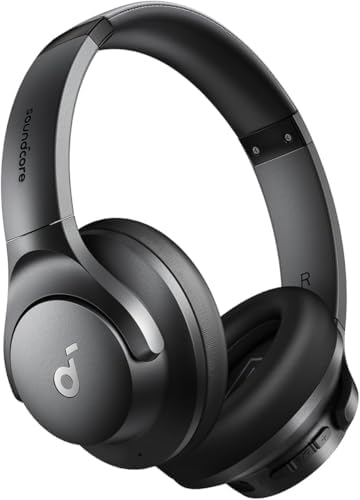
- Hybrid Active Noise Cancelling: 2 internal and 2 external mics work in tandem to detect external noise and effectively r…
- Immerse Yourself in Detailed Audio: The noise cancelling headphones have oversized 40mm dynamic drivers that produce det…
- 40-Hour Long Battery Life and Fast Charging: With 40 hours of battery life with ANC on and 60 hours in normal mode, you …
On the other hand, open-back headphones have a more ventilated design that allows air and sound to pass through the ear cups. This configuration delivers a more natural and open sound, making it suitable for mixing and mastering tasks. Open-back models are typically favoured for their transparency and broad soundstage, giving the listener the impression of spatiality in the audio. However, they are less effective in sound isolation, which may not be ideal for recording in noisy environments.
Ultimately, the choice between closed-back and open-back headphones depends on the specific needs of the audio task at hand. Users will benefit from understanding these differences to select the appropriate headphone type that aligns with their studio requirements.
Understanding Closed-Back Headphones
Closed-back headphones are an essential tool in the realm of audio production, particularly within home studio environments. They are designed with solid ear cup structures, which effectively enclose the ears. This design minimises external noise interference and creates a more immersive listening experience. The significant characteristic of closed-back headphones lies in their ability to provide excellent sound isolation, making them particularly advantageous for tasks such as tracking and recording.
One of the primary functions of closed-back headphones is to prevent sound leakage. This feature is vital for recording sessions, where any unwanted sound can be picked up by microphones, potentially ruining a take. By utilising closed-back headphones, musicians and audio engineers can monitor their audio tracks without the fear of sound bleed affecting the final recording. This ensures a cleaner, more professional sound output.
In addition to sound isolation, closed-back headphones tend to produce a more pronounced bass response compared to their open-back counterparts. This characteristic has made them particularly popular among musicians and producers who rely on bass-heavy genres. The retention of the sound within the ear cups allows for a richer experience, enabling users to catch every detail in their mixes.
Common use cases for closed-back headphones within home studios include vocal tracking, drum recording, and critical listening sessions. Their closed design allows users to focus on the nuances of their music without distraction. While they may not provide the same spatial characteristics as open-back headphones, the benefits of sound isolation and enhanced bass response affirm their place as a preferred choice for various audio applications.

- ✨【HIGH FIDELITY AUDIO】Uliptz bluetooth earphones deliver crystal crisp high, balanced mids and powerful bass through 40m…
- ✨【BLUETOOTH 5.3 CONNECTION】The wireless Bluetooth headphones are compatible with all Bluetooth-enabled devices. Advanced…
- ✨【UP TO 65 HOURS PLAYTIME】Uliptz wireless headphones deliver up to 65 hours playtime on a single charge. A quick 10-minu…
Exploring Open-Back Headphones
Open-back headphones are designed with a unique structure that allows sound to flow freely in and out of the ear cups. This contrasts with their closed-back counterparts, which are sealed to provide isolation from external noise. The open design facilitates a more natural sound, making open-back headphones particularly suitable for audio professionals in a home studio setting.
The acoustic properties of open-back headphones contribute to their transparency and spacious soundstage. When sound waves travel through the ear cups, they interact with the surrounding environment, creating a less confined listening experience. This leads to a more accurate reproduction of audio, allowing users to perceive musical elements and nuances more distinctly. For mixing and mastering applications, this quality can be invaluable as it enables critical listening without the colouration that closed-back headphones might introduce.
Moreover, when utilising open-back headphones in a controlled environment, users can benefit greatly from their exceptional soundstage. This is because the headphones create a sense of space and depth that simulates the experience of listening to music in a live setting. As a result, audio professionals often prefer them when evaluating mixes and making production decisions, as they can discern panning and stereo placement more effectively.
Additionally, open-back designs are often lighter and more comfortable for extended use, making them advantageous during long studio sessions. While they may not be ideal for use in noisy environments due to their lack of sound isolation, their benefits in sound quality and comfort make open-back headphones a worthy consideration for any serious audio engineer seeking precision and clarity in their work.
Key Differences Between Closed-Back and Open-Back Headphones
When choosing between closed-back and open-back headphones for your home studio, understanding their key differences is vital. Both types have unique characteristics that can influence sound quality, isolation, comfort, durability, and cost.
Closed-back headphones are designed with a solid enclosure, preventing sound from escaping and blocking external noise. This design generally results in better noise isolation, making them ideal for recording environments where background sounds can be disruptive. Users often experience a more pronounced bass response in closed-back models, providing a more immersive listening experience, especially in bass-heavy genres.
In contrast, open-back headphones feature a design that allows air and sound to pass through the ear cups, resulting in a more natural and spacious soundstage. This can create an airy and open listening experience, preferred by audiophiles during mixing and mastering tasks because it provides greater clarity and detail in the audio. However, the open-back design does not isolate sound effectively, which could pose challenges in noisy environments.
Comfort is another essential factor to consider. Typically, closed-back headphones may feel heavier due to their design, and prolonged use might lead to ear fatigue. In comparison, open-back headphones are often lighter and might provide greater comfort during extended sessions. Durability can vary widely between models, but generally, both types are designed to endure regular usage; however, the materials used for ear pads and headbands can significantly affect their longevity.
Finally, pricing tends to differ between closed-back and open-back headphones. Closed models often cover a wider price range due to their versatility, whereas high-end open-back options, focusing on audio fidelity, might come at a premium. Understanding these differences can help you make a well-informed decision based on your specific needs.
Use Cases for Home Studios
The choice between closed-back and open-back headphones significantly impacts a home studio’s recording and mixing processes. Different situations warrant the use of either type to ensure optimal sound quality and performance.
When it comes to recording vocals, closed-back headphones are generally the preferred choice. Their ability to isolate sound prevents audio from bleeding into the microphone, allowing for cleaner takes. This isolation is particularly crucial in a home environment where background noise can be unpredictable. Additionally, closed-back designs tend to provide a more focused listening experience, enabling vocalists to hear their performances without distractions.
On the other hand, open-back headphones excel in mixing scenarios. Their design offers a more natural and spacious sound, which can aid in achieving a balanced mix by providing a better representation of how the final product will sound in the real world. Since mixing often involves critical listening, the airy quality of open-back headphones allows users to perform nuanced adjustments. Furthermore, in quieter home studios, open-back headphones can promote a more relaxing listening environment, which is beneficial during extended mixing sessions.
Another consideration when choosing the right type of headphones is the studio environment. For example, closed-back headphones may be better suited for spaces with significant background noise. In contrast, open-back models can shine in quieter settings, where the slight ambient noise can enhance the listening experience. Ultimately, the specific tasks, environment, and personal preference play significant roles in determining which type of headphone is most appropriate for a given situation.

- INTRODUCING THE SONY WH-CH520: Enjoy superb sound for every song, in a style that suits you, Featuring our Digital Sound…
- HIGH-QUALITY SOUND, TAILORED TO YOU: These Sony headphones feature DSEE technology to upscale every track, 360 Reality A…
- LISTEN IN COMFORT AND STYLE: With soft earpads and weighing just 147g, these wireless headphones are comfortable, Choose…
Pros and Cons of Closed-Back Headphones
Closed-back headphones are a popular choice among audio professionals and enthusiasts due to their unique design, which incorporates a sealed earcup structure. This configuration offers several notable advantages. One of the primary benefits of closed-back headphones is their exceptional noise isolation. The closed design effectively blocks out external sounds, allowing users to focus on the audio playback without interference from their environment. This feature is particularly valuable in home studio settings, where external noises can disrupt the recording or mixing process.
Additionally, closed-back headphones typically provide enhanced bass response. This is due to the sealed ear cups, which can create a more pronounced low-frequency performance. For music producers and sound engineers, this characteristic can prove essential when analysing bass-heavy tracks or ensuring that the audio produced meets the desired acoustic standards.
However, closed-back headphones are not without their drawbacks. A common disadvantage is the potential for ear fatigue during prolonged listening sessions. The sealed design tends to create a warm and isolated sound, but this can also lead to a build-up of pressure around the ears, which may become uncomfortable over time. This discomfort could hinder productivity and lead to frequent breaks, which can disrupt creative workflows.
Moreover, closed-back headphones often have limitations in terms of soundstage. The enclosed cup design restricts the spatial awareness of the audio, making it challenging to perceive depth and positioning within a mix. This can be a significant drawback for audio professionals who require a more expansive soundstage to evaluate the placement of instruments in their mixes accurately.
In conclusion, while closed-back headphones offer distinct advantages such as noise isolation and enhanced bass, they also present challenges related to ear fatigue and soundstage limitations. It is essential for users to weigh these factors when selecting the right headphones for their home studio environment.
Pros and Cons of Open-Back Headphones
Open-back headphones are designed with a unique construction that allows air and sound to pass through the ear cups. This design delivers a range of advantages and disadvantages, making it suitable for specific applications in a home studio setting.
One notable strength of open-back headphones is their impressive sound quality. They typically offer a more natural and spacious soundstage compared to their closed-back counterparts. The open design allows for an open, airy sound that closely resembles a live performance, making them ideal for mixing and mastering. Musicians and audio engineers often appreciate the clarity and detail that open-back headphones provide, which can enhance the overall listening experience.
However, the benefits of open-back headphones come with inherent drawbacks. A primary concern is sound leakage; because they are not fully enclosed, sound can escape and potentially disrupt others nearby. This characteristic can be particularly problematic in shared spaces or home studios where multiple individuals may be present. Additionally, the open design provides less sound isolation, making it difficult to block out external noises. This limitation can be a disadvantage when trying to achieve an accurate mix or during recording sessions where outside sounds could interfere.
Ultimately, the decision to use open-back headphones should take into consideration the specific needs of the user. For those prioritising sound quality and a natural listening experience in a controlled environment, open-back headphones can be an excellent choice. Conversely, individuals requiring sound isolation and a quieter environment may find open-back designs to be less suitable. Evaluating these pros and cons will help determine whether open-back headphones are the right option for enhancing your audio work in the home studio.

- HIGH FIDELITY STEREO HEADPHONES: KVIDIO upgraded bluetooth headphones with dual 40mm drivers and noise isolation technol…
- UNMATCHED COMFORTABLE HEADPHONES: Over ear earmuff made by softest memory-protein foam gives you all day comfort. Adjust…
- WIDE COMPATIBILITY: Simply press multi-function button 2s and the over ear headphones with mic will be in ready to pair….
Tips for Choosing the Right Headphone for Your Needs
When selecting between closed-back and open-back headphones for your home studio, several key factors must be considered to align with your specific requirements. One of the primary aspects to evaluate is your sound preference. Closed-back headphones typically offer a more bass-heavy sound profile, which can be ideal for tracking and monitoring. In contrast, open-back headphones provide a more natural and airy sound, making them suitable for mixing and mastering tasks.
Comfort level is another vital consideration. Since studio sessions can often last for extended periods, choosing a pair of headphones that minimises fatigue is essential. Closed-back models may create a more isolating experience, which can lead to discomfort for some users over time due to potential heat build-up around the ears. On the other hand, open-back headphones generally allow for better airflow, contributing to a more comfortable fit during prolonged use.
Your intended use plays a significant role in the decision-making process. If you require headphones primarily for tracking during recording sessions, closed-back headphones may be preferable to prevent sound leakage and to ensure an accurate performance. Alternatively, if your focus is on mixing and mastering, especially in a controlled environment, open-back designs often provide a greater sense of space and stereo imaging.
Finally, consider your budget before making a choice. While both types of headphones are available at various price points, it is essential to find a balance between affordability and quality. Investing a little more in a high-quality pair of headphones can significantly impact your work in a home studio setting. Therefore, reflecting on your unique needs and preferences will aid in selecting the best headphones for your audio production tasks.
Conclusion: Making the Right Choice for Your Home Studio
In evaluating whether closed-back or open-back headphones are more suitable for your home studio, it becomes evident that both types offer distinct advantages and limitations. Closed-back headphones excel in providing isolation, making them ideal for recording environments where sound leakage may interfere with other recordings or tracks. This feature is particularly beneficial for musicians and vocalists who require accurate monitoring of their performances without external distractions.
On the other hand, open-back headphones deliver a more natural and spacious listening experience, making them a favoured choice for mixing and mastering. The design allows sound to interact with the environment, providing the user with a realistic auditory experience that can enhance critical listening. This is crucial in a home studio setting where the aim is to achieve the most accurate representation of sound.
Furthermore, personal preferences play a significant role in deciding between the two. Factors such as comfort, sound quality, and the intended use case must all be considered carefully. For instance, if a user prioritises sound isolation for recording vibrant vocals, closed-back designs might strongly fit their requirements. Conversely, if the main focus is achieving an authentic soundstage while mixing, open-back models are likely to be the better option.
Ultimately, choosing the right headphones for your home studio hinges not only on technical specifications but also on your unique usage scenarios and audio preferences. It is advisable to test both options where possible, ensuring your investment aligns with your specific needs in the demanding environment of home studio work.