
Introduction to CRT and OLED Technologies
Cathode Ray Tube (CRT) and Organic Light Emitting Diode (OLED) represent two distinct eras in the evolution of display technology. CRTs, pioneered in the early 20th century, utilized electron beams to illuminate phosphorescent materials inside a glass tube. This technology defined the television landscape for decades, gaining immense popularity for its ability to produce vivid colors and deep blacks, particularly in the context of early home gaming systems. Its history is deeply rooted in retro gaming, where the slight input lag and resolution capabilities complemented the pixelated graphics of classic games.
On the other hand, OLED technology is a more recent advancement that has transformed viewing experiences since its introduction in the 2000s. Unlike CRTs, OLED displays consist of an array of organic compounds that emit light directly when an electric current passes through them. This results in impressive contrast ratios and rich colors, as OLED panels can turn individual pixels on or off, allowing for true blacks and vibrant imagery. While patterns of light emission vary, this innovation has allowed for thinner screens and greater energy efficiency, making it the choice for modern televisions and devices.
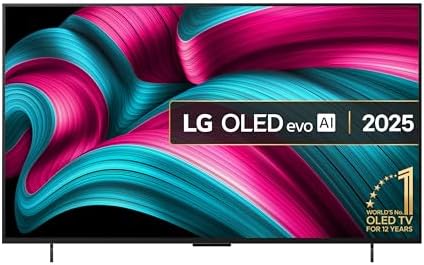
- Advanced α9 AI processor for stunning pictures and sound – Designed for and exclusive to LG OLED
- Perfect Black – self-lit pixels provide infinite contrast
- Smart webOS platform with advanced AI functionality plus all your favourite streaming services
The significance of CRT and OLED technologies extends beyond aesthetics and technical specifications. For serious retro gamers, the use of CRT televisions is associated with a nostalgic connection to the gaming culture of the 80s and 90s, while OLED represents the pinnacle of current display technology. The intrinsic differences—such as response times, refresh rates, and resolution capabilities—are crucial for understanding why some gamers prefer the classic experience offered by CRTs, despite the superior performance metrics of OLED screens.
The Appeal of CRT for Retro Gaming
For serious retro gamers, cathode-ray tube (CRT) televisions hold a special place in the realm of classic gaming. One of the primary reasons for this strong preference is the authenticity that CRTs provide. Many gamers argue that playing on a CRT delivers a classic experience akin to what was available during the golden age of video gaming. This authenticity extends beyond mere nostalgia; it encompasses the very essence of how games were designed to be played, especially considering how pixel art and sprites were optimized for CRT displays.
Unique picture quality is another significant factor contributing to the enduring allure of CRT televisions. Unlike modern flat-panel displays, CRTs offer a characteristic warmth and smoothness to visuals that is hard to replicate. The natural blurring effect in CRT screens helps stave off the harshness of pixelation, allowing for vibrant color saturation and a more appealing image of retro games. Many gamers appreciate the depth of color and contrast that CRTs provide, which can transform classic titles into visually captivating experiences, reminiscent of their original form.
Moreover, input lag is a critical consideration in gaming performance. CRT televisions generally exhibit virtually no input lag, making them ideal for fast-paced classic gaming. This immediacy enhances the responsiveness of controls, ensuring that players react in real-time without any noticeable delay. In a medium where precision can make or break a gaming session, the instant responsiveness offered by CRTs is a significant advantage that modern displays often struggle to match. Consequently, for those dedicated gamers seeking the quintessential retro experience, it is no surprise that CRT televisions continue to be sought after, even decades after their prime.

- Take your gaming experience to a whole new level with QD-OLED technology! OLED offers superior sharpness, contrast and c…
- Ultra-fast 240 Hz unleashes the potential of high-end graphics cards and ensures unprecedented fluidity in the screen’s …
- Enjoy fast game play and realistic combat with 240 Hertz refresh rate, super-fast 0.03 ms GtG response time and low inpu…
How OLEDs Have Changed the Gaming Landscape
In recent years, OLED (Organic Light Emitting Diode) technology has revolutionized the way gamers experience their favorite titles. One of the most notable improvements is the superior contrast ratio that OLED displays offer compared to traditional CRT (Cathode Ray Tube) screens. With the ability to achieve true blacks, OLEDs deliver an immersive gaming experience by providing visuals that are rich in detail, depth, and dynamism. Gamers can appreciate the subtle nuances of shadows and highlights that were often lost in the less capable CRT displays.
Additionally, the vibrant colors produced by OLEDs are a significant advantage for those who value visual fidelity. The wide color gamut enables OLED screens to render colors more accurately and with greater intensity, enhancing the overall aesthetic of games. From the vivid landscapes of open-world games to the intricate details in character models, the color reproduction capabilities of OLED technology ensure that every visual element comes to life, making gaming experiences more enjoyable and engaging.
Furthermore, OLED displays boast faster response times, which is particularly beneficial for competitive gamers. The reduced input lag and quicker pixel response reduce motion blur and ghosting effects, allowing players to react swiftly and efficiently during intense gaming sessions. This responsiveness can be the difference between victory and defeat in high-stakes matches, illustrating how OLED technology can enhance gameplay performance.
While CRT monitors have a nostalgic charm and certain merits, the advancements brought by OLED technology represent a shift in gaming standards. The combination of superior contrast ratios, vibrant colors, and rapid response times addresses the evolving demands of modern gamers, making OLED displays a compelling choice for anyone serious about striving for an optimal gaming experience.
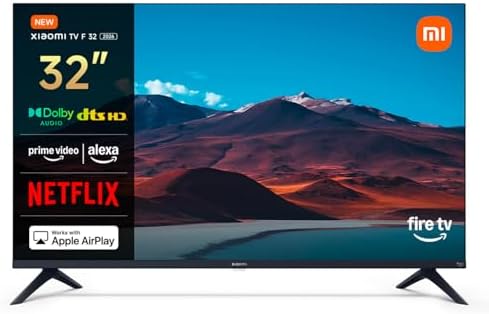
- Dolby Audio: Immerse yourself in cinematic sound with Dolby Audio; the advanced audio technology deliver multidimensiona…
- Fire TV: Enjoy instant access to thousands of apps like Netflix, Prime Video, Disney+, and more—all from a seamless home…
- Alexa Built-in: Say it. Alexa will play it—No more endless scrolling. Simply press the Alexa button on your remote and u…
Personal Preferences: The Subjective Debate
When it comes to television technology, especially within the realm of retro gaming, personal preference plays a substantial role in shaping opinions. For many gamers, the choice between CRT and OLED is deeply influenced by their individual experiences and fond memories of gaming. Each technology offers distinct advantages that resonate with different players. For instance, several gamers who grew up in the 1990s often share nostalgic tales of their first encounters with classic games on CRT displays. The connection between these gamers and CRT technology transcends mere functionality; it taps into an emotional reservoir filled with cherished moments. For them, the vibrant colors and smooth motion that CRTs provide evoke a sense of comfort and familiarity associated with their formative gaming years.
On the other hand, advocates of OLED technology argue that the advancements in display quality justify their preference. Many modern gamers appreciate the unparalleled contrast ratios and deeper blacks offered by OLED panels, which enhance the overall gaming experience. Stories of intense sessions in atmospheric games demonstrate how OLED screens can pull players into immersive worlds like never before. These experiences contribute to a growing body of gamers who either seek modern setups for their retro games or invest in OLED technology to enjoy the best visual fidelity available.
This subjective nature of preferences creates an interesting dichotomy among the gaming community. Gamers who prefer CRT often discuss their commitment to authenticity, citing issues like input lag and the aesthetics of pixel art that are often regarded as more faithfully displayed on CRT panels. Conversely, those who favor OLED emphasize clarity, longevity, and versatility for contemporary gaming experiences. As a result, the debate continues, showcasing how personal nostalgia and technological advancement shape individual choices in this captivating world.
Availability and Cost: The Market Dynamics
The market for cathode ray tube (CRT) televisions, despite their age, maintains a surprising vibrancy, particularly among serious retro gamers. Many of these enthusiasts seek out CRT models not just for nostalgia but for the authentic experience they provide, especially concerning compatibility with classic gaming consoles. Availability varies greatly; while newer models like organic light-emitting diode (OLED) TVs dominate retail spaces, 20-year-old CRTs can still be found in thrift stores, online auctions, and specialty retro gaming shops. Online marketplaces such as eBay and Facebook Marketplace also feature listings for CRT TVs, demonstrating an active demand among dedicated gamers.
When it comes to pricing, the cost of older CRT televisions can range widely based on factors such as brand, screen size, and overall condition. While a standard CRT might be available for as little as $30, pristine units from reputable brands can demand prices upwards of $200 or more. This price point still positions CRTs as a more budget-friendly option compared to modern OLED displays, which can range from several hundred to several thousand dollars. The economic disparity greatly influences the purchasing decisions of serious retro gamers who may view CRTs as both a functional solution and a more economically viable choice.
Additionally, the limited supply of high-quality CRT televisions leads to a secondary market dynamic where buyers may compete for the best units. Factors such as personal nostalgia, quality of visuals, and lag-free gaming experience push dedicated gamers to invest in these older models despite the apparent technological advancements offered by OLED televisions. In essence, the availability and cost of CRTs, coupled with their unique gaming qualities, play a significant role in the ongoing preference for these vintage models within the retro gaming community.
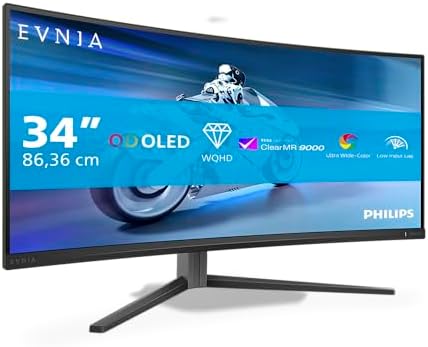
- Crystal clear images with UltraWide QHD 3,440 x 1,440 pixels, lightning-fast 0.03 s response time and 3-sided Ambiglow t…
- QD OLED for premium colors, vivid images with high contrast, deepest blacks and unlimited viewing angles
- Switch between the built-in presets for FPS, racing or RTS games or set and save your own ideal conditions.
Technical Considerations for Gameplay
When it comes to gaming, the specifications of a display play a crucial role in the overall experience. Two primary contenders in this arena are CRT (Cathode Ray Tube) and OLED (Organic Light Emitting Diodes). Understanding their differences in refresh rates, resolution, and input lag can help gamers make informed decisions that align with their gaming preferences.
CRT displays are known for their exceptional refresh rates, often achieving 60 Hz or higher. This high refresh rate results in smoother visuals, which is particularly beneficial for fast-paced games where every millisecond matters. Moreover, CRT technology produces no input lag due to its immediate pixel response time. This lack of delay provides an immersive experience, essential for competitive gaming environments.
On the other hand, OLED displays have gained popularity in recent years, boasting impressive color reproduction and depth. OLED screens typically offer higher resolutions, which are vital for modern gaming where detailed graphics enhance gameplay. However, the input lag on OLED displays can be slightly higher compared to CRTs, although advancements in technology have significantly improved this aspect. High-end OLED models can achieve input lag as low as 10 milliseconds, rivaling CRT performance in some cases.
In terms of resolution, modern OLED televisions often support 4K and even 8K outputs. While many retro games were designed for lower resolutions, the upscaling capabilities of OLED can enhance the visual fidelity of older titles. This can create a unique visual experience, though some purists argue that CRTs provide a more authentic representation of retro graphics.
Ultimately, the choice between CRT and OLED for retro gaming hinges on individual preferences, gameplay styles, and the types of games one plays. Each display technology offers distinct advantages, whether it’s the immediacy of CRTs or the vibrant detail of OLEDs, making them suitable for different levels of gaming experiences.
The Community Perspective: Forums and Gatherings
Within the realm of retro gaming, the debate between CRT (Cathode Ray Tube) and OLED (Organic Light Emitting Diode) has transcended technical specifications, evolving into a discussion steeped in nostalgia and community bonding. Gamers congregate in various online forums and social media platforms to share experiences and preferences, reflecting not only a sense of personal sentiment but also a communal ethos that binds them together.
Many enthusiasts advocate for the merits of CRT televisions, emphasizing their unique ability to render classic games in the way they were originally intended. For these gamers, CRTs offer a visual authenticity, characterized by their distinct color reproduction and motion blur, which enhance the experience of playing 8-bit and 16-bit classics. This view is often shared and amplified in online discussions, where members exchange tips on finding and restoring older televisions, leading to a revival of interest in 20-year-old technology.
Conversely, proponents of OLED technology argue for its superior image quality, highlighting the deep blacks and vibrant colors that make modern gaming experiences visually stunning. Discussions surrounding OLED also delve into practical considerations, such as energy efficiency and ease of access, as newer displays become increasingly available and affordable.
The camaraderie developed in these forums is palpable. Members frequently gather at local meet-ups and gaming conventions, where they can showcase their setups, share gameplay experiences, and connect on a personal level. These gatherings facilitate a sense of belonging, often where intense debates turn into enthusiastic discussions. The shared passion for retro gaming—whether through CRTs or OLEDs—creates an inclusive atmosphere where differing opinions can coexist harmoniously.
This exchange of knowledge and emotional investment in gaming history fosters a sense of community that transcends mere preference for equipment. Ultimately, the CRT versus OLED debate reflects deeper connections within gamer culture, highlighting how technology serves as a bridge for interaction and collaboration among fans of retro games.

- 4K AI Upscaling Pro & NQ4 AI Gen3 Processor : Our best 4K AI processor optimises picture and sound for our ultimate 4K v…
- OLED Technology with OLED HDR+*: Pure blacks and vivid colour expertly balanced for cinematic viewing
- AI Motion Enhancer Pro and Motion Xcelerator 144Hz: AI delivers ultra-smooth motion and virtually no lag or blur for spo…
Conclusion: The Future of Gaming Displays
As we have explored in this post, there exists a compelling argument for both CRT and OLED displays in the realm of gaming, particularly for serious retro gamers. CRTs, with their unique ability to render classic games in their intended format, continue to capture the hearts of enthusiasts who appreciate the nostalgia and authenticity that these vintage devices provide. The rich colors, deep contrasts, and immediate pixel response suggest an experience that is unmatched by modern display technologies.
On the other hand, OLED displays introduce a new era of gaming potential. With superior resolution, greater energy efficiency, and enhanced brightness capabilities, OLED technology presents an exhilarating option for gamers seeking immersive modern gaming experiences. The debates over image quality and input lag demonstrate the complexities involved in choosing the right display for gaming. Retro gaming aficionados often have specific preferences that lead them to favor CRTs, while others may prioritize the advancements noted in OLED technology.
Looking ahead, one must ponder the trajectory of gaming displays. Will CRTs gradually become relics of the past, overshadowed by the advancements in display technology? Or will they maintain their relevance, cherished by a dedicated community of retro enthusiasts who refuse to compromise on the authenticity of their gaming experiences? As technology continues to evolve, it will be fascinating to observe how the market adapts to the demands of both retro and modern gamers alike. Ultimately, the preference for CRTs or OLEDs may not just be about image quality, but also about the legacy and cultural significance each display holds for the gaming community.
Engage with Our Community
As this discussion on CRT versus OLED televisions continues to gain momentum among serious retro gamers, we invite you to contribute your own insights and experiences. Have you recently switched from a CRT to an OLED display, or are you a steadfast advocate for the nostalgic charm of older TVs? Your thoughts are invaluable to our community, and sharing them can help foster a richer dialogue.
We encourage you to leave a comment below to voice your opinion on this debate. What are the reasons behind your preference for either display type? Is it the visual quality that you favor, or perhaps the authentic retro gaming experience that CRTs provide? By sharing your experiences, you not only join the conversation but also assist others in navigating the myriad of choices available when it comes to retro gaming setups.
You can also engage with us on social media platforms. Follow our channels, and don’t hesitate to repost or share your setups and experiences using the hashtags #CRTvsOLED or #RetroGaming. This is a chance to connect with fellow enthusiasts who share your passion for gaming history and technology. Join the forums and become part of a growing community dedicated to preserving the authentic gaming experiences we cherish.
Let’s come together to celebrate our unique gaming journeys. Whether you’re a nostalgic gamer favoring CRTs for their authentic pixel display, or you’re transitioning to the sharp and vibrant OLED screens, your voice matters. By participating in this discussion, you have the power to influence your peers and contribute to the evolution of gaming preferences.