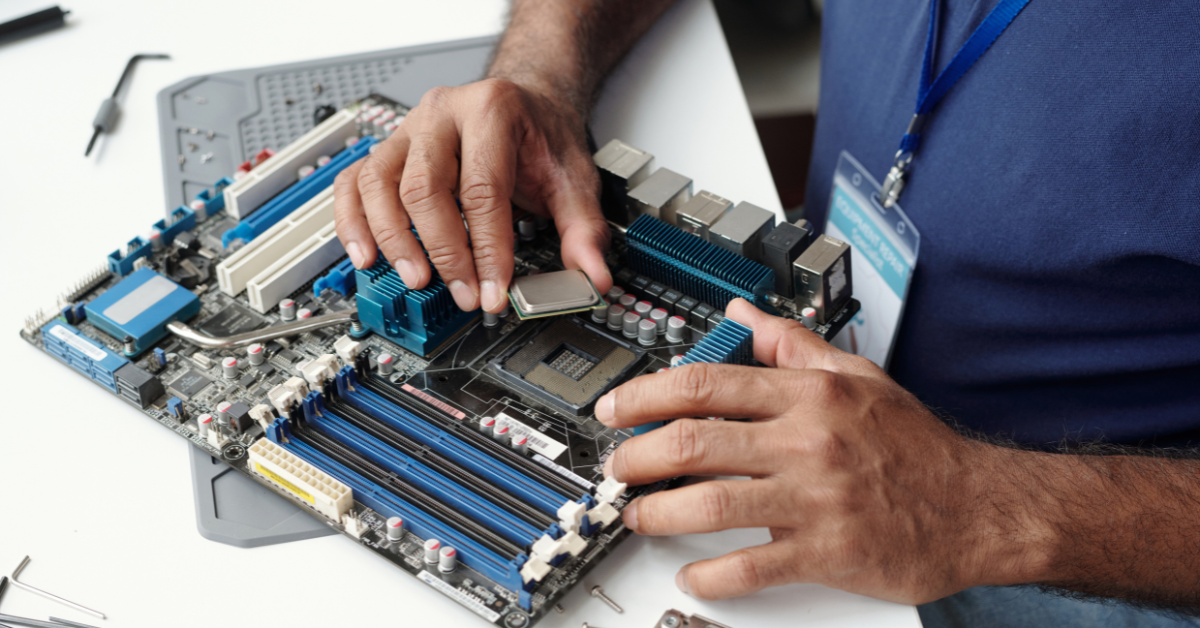

Introduction to Retro Consoles
The resurgence of retro gaming culture has been a notable trend in recent years, capturing the imaginations of both older gamers who wish to relive their childhood experiences and newer generations eager to explore the history of video gaming. The nostalgic allure of classic consoles has led to a growing market for re-released products that offer an authentic gaming experience from the past, replete with beloved titles and classic gameplay mechanics.
Several factors contribute to the rising popularity of retro consoles. Firstly, the retro gaming movement taps into a sense of nostalgia, allowing long-time gamers to remember the simpler times of their formative years. In today’s fast-paced digital landscape, the charm of pixels and 8-bit soundtracks offers a contrasting escape, evoking fond memories of playing games with family or friends. Furthermore, this retro revival is not solely aimed at seasoned gamers; newer players are drawn to classic gaming as it serves as a window into the heritage of the medium, helping them understand the evolution of gaming from its humble beginnings.
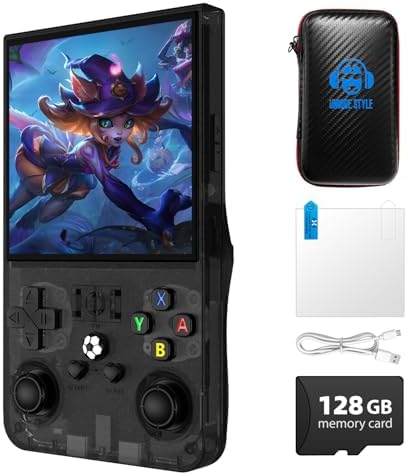
- 【128GB Storage & 22000+ Retro Games】The R36MAX retro games console comes with 128GB large-Capacity memory,pre-loaded 220…
- 【4 Inch IPS HD Screen & Immersive Visual Experience】 Equipped with 4-inch IPS display and 720×720 high resolution, this …
- 【Powerful Linux System & Smooth Gaming Performance】Built-in stable Linux system and 1.5GHz 64-bit RK3326 CPU, this retro…
In addition, the accessibility of re-released retro consoles is a central aspect of their appeal. Many of these consoles are plug-and-play systems, requiring minimal setup, which allows both seasoned fans and novices to dive right into gameplay without the need for extensive technical knowledge. Often bundled with a selection of classic titles, these consoles appeal not only to nostalgic gamers but also to those seeking a shared experience with friends and family. This familial or social aspect of gameplay fosters a sense of community among players, further contributing to the rise of re-released retro consoles.
A Brief History of the SNES Classic
The Super Nintendo Entertainment System (SNES), launched in 1990, marked a pivotal moment in gaming history. With its advanced 16-bit technology, the SNES provided players with richer graphics and sound compared to its predecessors. It quickly gained acclaim for its extensive library of iconic games, including timeless titles such as “Super Mario World,” “The Legend of Zelda: A Link to the Past,” and “Super Metroid.” These games not only defined genres but also left a long-lasting impact on the gaming culture.
Fast forward to 2017, Nintendo capitalized on the nostalgia for its retro consoles by releasing the SNES Classic Edition. This miniature version of the original SNES preserved the familiar look and feel, but it came with modern enhancements. Notably, the SNES Classic Included 21 pre-installed games, among them fan favorites like “EarthBound” and the never-before-released “Star Fox 2.” The compact console also featured HDMI compatibility for easy connection to modern TVs, elevating the gaming experience for both new players and returning fans alike.
What sets the SNES Classic apart from its original counterpart is not only the inclusion of a selection of meticulously curated games but also a variety of features aimed at enhancing user experience. The console offers multiple save states, allowing players to save their progress at any point, a feature that was revolutionary at the time of its original release. Additionally, the SNES Classic introduces customizable display options, enabling users to experience the retro graphics in a way that is more adapted to current standards while still capturing the essence of the original system.
The SNES Classic thus serves as both a homage to the beloved original and a testament to how far gaming technology has advanced, while still holding true to the roots that established Nintendo as a cornerstone in the video game industry.
Top 5 Retro Consoles: A Comparative Overview
Retro gaming has seen a resurgence in popularity, driven largely by the re-released consoles that provide players with nostalgia along with modern technology. This overview encapsulates the top five retro consoles, focusing on the SNES Classic, Sega Genesis Mini, PlayStation Classic, Neo Geo Mini, and Atari Flashback. Each console is noted for its game library, design aesthetics, and unique features that appeal to both new and seasoned gamers.
The SNES Classic stands out with its robust game selection, featuring 21 titles including classics such as Super Mario World and The Legend of Zelda: A Link to the Past. The console’s design closely resembles the original SNES, which enhances the nostalgic experience. An added feature is the inclusion of a rewind function, allowing players to revisit challenging moments in gameplay.
Next is the Sega Genesis Mini, celebrated for its accurate reproduction of the original Genesis. This console presents a library of 42 games, including iconic titles like Sonic the Hedgehog and Street Fighter II. Its compact design is a nod to the original, while the inclusion of two controllers makes it a great choice for multiplayer experiences.
The PlayStation Classic attempts to capture the spirit of the original PlayStation, packing 20 games such as Final Fantasy VII and Tekken 3. However, its game choices have met with mixed reviews. From a design perspective, it mimics the original console but lacks the charm of more curated offerings.
The Neo Geo Mini caters to arcade enthusiasts, featuring a selection of 40 titles including Metal Slug and The King of Fighters. Its miniaturized form is portable and ideal for quick sessions, although the tiny screen may not appeal to everyone.
Lastly, the Atari Flashback series brings back 120 built-in classic games such as Pong and Missile Command. This console is primarily geared towards fans of classic Atari games and features a uniquely simple design that reflects its era.

- 30000+ Classic Games: Enjoy access to over 30,000 classic games effortlessly with compatibility for 25 different emulato…
- Powerful Quad-Core Processor: Experience smooth gameplay and fast system responsiveness with a high-performance quad-cor…
- Expandable Storage: Get 128GB of built-in storage and support for expandable storage up to 256GB (TF card not included) …
The Games: Quality and Variety
The game libraries of retro consoles are pivotal in determining their appeal and relevance in today’s gaming landscape. Each of the top five re-released retro consoles offers a distinct collection of titles, showcasing both quality and variety that caters to a broad audience. Notably, these games often encapsulate the essence of the original gaming experience while inviting new players to explore classic franchises.
For instance, the SNES Classic stands out with its carefully curated library which includes timeless classics such as Super Mario World, The Legend of Zelda: A Link to the Past, and Donkey Kong Country. These games not only exemplify the technical prowess of the Super Nintendo Entertainment System but also evoke nostalgia among players who experienced them during their initial release. Additionally, their gameplay mechanisms and design principles continue to influence modern game development.
Moreover, the selection of titles should appeal to various demographics, ranging from casual gamers to hardcore enthusiasts. A well-rounded library includes both popular blockbusters and lesser-known gems, offering players a diverse selection of gameplay styles. For example, the inclusion of Mother 2 (known as EarthBound) provides a unique RPG experience that contrasts with action-packed titles like Mega Man X, further enhancing the console’s variety.
In contrasting the game libraries of each retro console, it becomes clear that not only the number of titles but their significance within gaming culture is vital. Gaming aficionados often prioritize consoles that feature exclusive or iconic titles that capture the spirit of their era. As such, the quality of the games included can greatly influence a console’s legacy and its standing among collectors and gaming fans alike.
User Experience: Design and Ease of Use
The user experience of re-released retro consoles, such as the SNES Classic, is pivotal in determining their appeal to both seasoned gamers and newcomers. These consoles are generally designed with a user-friendly philosophy, prioritizing simplicity and ease of access. The design elements typically reflect the nostalgia of the original units while incorporating modern functionalities that enhance the user experience.
One of the notable aspects of user experience is the design of the controllers. The SNES Classic, for instance, features controllers that are reminiscent of the original SNES but are equipped with added technology, such as a longer cord and responsive buttons, that improve gameplay. The familiarity of the controller design aids seasoned players in effortlessly transitioning back to gameplay, while newcomers can easily adapt to using these intuitive controls.
The interface of these retro consoles deserves equal attention. With straightforward menus and clear file structures, users can easily navigate through the extensive game libraries available on the devices. The SNES Classic, for instance, employs a simple interface that allows users to select and launch games quickly, enhancing the overall gaming experience. Additionally, the ease of setup is a crucial factor; the plug-and-play nature of these consoles means minimal installation fuss, often requiring no technical expertise to begin playing.
Moreover, the inclusion of features such as save states—which allow players to save their progress at any point—further enhances ease of use. This feature can significantly reduce frustration, especially for new players unfamiliar with the sometimes-perilous nature of older game designs, which often require completing levels without interruption.

- 139 EXCITING 32-BIT GAMES: This handheld game console is designed exclusively for kid gamers,built-in 139 handpicked awe…
- BIGGER AND MORE VIVID 3.0″ IPS DISPLAY: This pocket game player equipped with 3.0″ IPS screen, making every detail comes…
- INNOVATIVE DESIGN: Crafted with the comfort in mind, this item boasts innovative ergonomic design. So, its contours and …
Price Point: Getting the Best Bang for Your Buck
When considering a retro console, the price point is a critical factor that can influence the purchasing decision of many gamers. The top five best re-released retro consoles, including the notable SNES Classic, come with varying price tags that reflect the number of games included, build quality, and overall gaming experience.
The SNES Classic, for instance, was initially priced at $79.99 and packed with 21 classic titles, including fan favorites like “Super Mario World” and “The Legend of Zelda: A Link to the Past.” Given the historical significance of the games it offers, many consider it a valuable option, particularly for those seeking nostalgia and quality gameplay.
In comparison, the Sega Genesis Mini, priced similarly, offers 42 games, which can be seen as a stronger value proposition in terms of quantity. The build quality of these re-released consoles plays a pivotal role in their perceived value as well. The Genesis Mini replicates the feel of the original hardware with appealing aesthetics, which enhances the overall gaming experience for retro enthusiasts.
While the Atari Flashback 9 Gold is often more budget-friendly at around $60, it provides access to 120 built-in games, yet critics point out that the experience may be diluted due to the varying quality of mini-games. This highlights the common trade-off between price and quality in the retro gaming market.
Ultimately, when evaluating the top five retro consoles, potential buyers should analyze both the cost and the offerings. Factors such as game variety, build quality, and the nostalgia factor help determine whether a console like the SNES Classic is indeed worth its price point, or if another option better fits their gaming priorities. Doing thorough research will ensure you get the best bang for your buck in today’s retro gaming landscape.
The Nostalgia Factor: Is It Worth the Hype?
The resurgence of retro consoles, such as the SNES Classic, has sparked a renewed interest in nostalgic gaming experiences. For many, the SNES Classic is more than just a device; it represents a cherished part of their childhood. The emotional connection that gamers have with classic titles, like Super Mario World or The Legend of Zelda: A Link to the Past, primarily stems from the memories associated with playing these games during formative years. The act of revisiting these beloved titles can evoke a sense of comfort, making the purchase of such a console feel justified, especially for those who experienced the originals firsthand.
However, it is crucial to examine whether this nostalgia justifies the financial investment in these modern re-releases. As technology has advanced, the gaming landscape has transformed significantly, offering immersive experiences and complex narratives that were previously unimaginable. The question arises: does nostalgia outweigh the need for contemporary experiences? In different cases, what draws individuals to the SNES Classic or similar devices may be the emotional tether they hold, rather than a desire to engage with the current gaming paradigm.
Moreover, the nostalgia factor can also appeal to newer generations who did not have the opportunity to experience these classics upon their initial release. They can engage with these titles through the lenses of their predecessors and thus develop their own sense of nostalgia. In a rapidly evolving industry, the impact of retro consoles may lie not solely in their games but in the shared experiences they foster among users—from families gathering around the television screen to fight for the highest score, to friends engaging in competitive play.
Ultimately, while the nostalgia attached to the SNES Classic and similar consoles may create solid emotional justifications for their purchase, the value of these devices is subjective and largely dependent on individual circumstances and preferences. The balance between nostalgia and new gaming experiences continues to define the conversations surrounding retro consoles.

- 【Enjoy 20,000+ Classic Games】Built with 15 emulators and preloaded with over 20,000 classic games. No downloads or inter…
- 【Retro Visuals-Modern Clarity】Equipped with 4K upscaling technology, enhancing retro game graphics into sharp and smooth…
- 【Dual Wireless Controllers Low-Latency Co-op & Competition】Includes two 2.4GHz wireless controllers with stable connecti…
Future of Retro Consoles: What Lies Ahead?
The future of retro consoles is a nuanced topic that reflects the evolving landscape of gaming technology and consumer demands. With a resurgence in the popularity of nostalgic gaming experiences, manufacturers are increasingly re-evaluating classic gaming systems for new releases. This trend appears to be driven by several factors, including the growing appreciation for the simplicity and charm of retro games in contrast to modern, often complex gaming environments. As a result, we can anticipate an ongoing wave of re-releases as companies harness this nostalgia.
Advancements in technology are also creating opportunities for retro consoles to evolve without losing their original essence. With improved hardware and software capabilities, current re-releases can offer better graphics, enhanced sound, and additional features while maintaining the classic gameplay that players cherish. Emulators and digital platforms further fuel this movement, enabling gamers to enjoy a vast library of retro games on modern devices, thus reducing the need for physical hardware.
Moreover, the impact of digital game collections cannot be underestimated. Platforms like Nintendo Switch Online provide access to a plethora of retro titles, allowing gamers to enjoy their favorite classics without purchasing individual consoles or titles. This trend suggests that while physical re-releases may continue, digital emulation could likely dominate the market, catering to a wider audience and creating a more accessible environment for retro gaming enthusiasts.
In conclusion, the future of retro consoles seems promising, with continuous innovation leading to potential new re-releases and a thriving market driven by digital collections. As both gaming technology and consumer preferences evolve, the retro gaming scene is poised to flourish in the years to come.
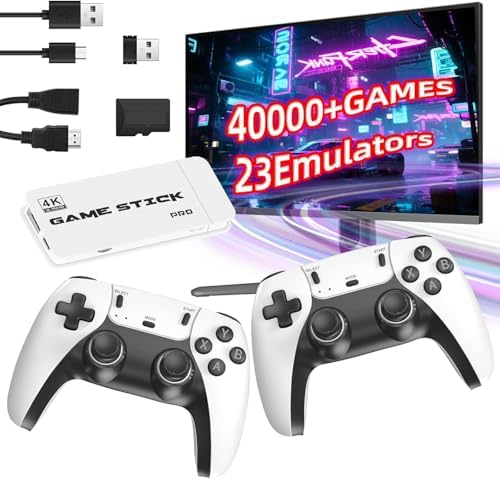
- 【Extensive Game Library】: Immerse yourself in gaming nostalgia with our Wireless Retro Game Console, featuring an expans…
- 【Plug & Play Convenience】: Our gaming stick offers effortless setup with a simple plug-and-play interface. Just connect …
- 【4K HDMI Visuals】: Experience your beloved retro games in vivid detail with 4K HDMI output. The console ensures a crisp,…
Conclusion: The Verdict on the SNES Classic and Its Competitors
Throughout this discussion on retro consoles, particularly focusing on the SNES Classic, several key points have emerged. First and foremost, the SNES Classic stands out for its quality construction and user-friendly interface. Offering a carefully curated selection of classic titles, it appeals not only to nostalgic gamers but also to new players seeking to explore the history of video games. Its incorporation of save states and the inclusion of both single-player and multiplayer options allow for a versatile gaming experience, which enhances its value.
However, competition within the re-released retro console market is fierce. Consoles such as the Sega Genesis Mini and the PlayStation Classic also present compelling features and their own collection of classic games. The Sega Genesis Mini, for instance, boasts a broader selection of titles when compared to the SNES Classic, appealing particularly to fans of the Sega library. On the other hand, the PlayStation Classic may not have been as well-received but still offers a unique lineup that can attract fans of that era.
Ultimately, the decision of whether to invest in the SNES Classic comes down to personal preference. If players have a strong affinity for Nintendo’s library and the 16-bit era, the SNES Classic provides a satisfying nostalgia trip coupled with well-crafted functionality. However, if one’s tastes lean towards other gaming eras or franchises, considering alternatives may be beneficial. The SNES Classic remains a solid investment for fans of retro gaming; its enduring charm and playability still hold a significant place in the gaming landscape.