Understanding Menopause: The Hormonal Shift
“Heads up: Some of the links in this post are affiliate links. This means if you click on the link and purchase the item, I’ll receive an affiliate commission. This helps keep the lights on here at techdhami.com! Thanks for your support!”
Menopause is a natural biological process that marks the end of a woman’s reproductive years. It typically occurs between the ages of 45 and 55, although it can happen earlier or later, and can be influenced by various factors including genetics and lifestyle. Menopause is characterized by a series of stages, primarily perimenopause, menopause, and postmenopause, each accompanied by distinct hormonal changes that can significantly impact a woman’s body.
During perimenopause, estrogen and progesterone levels begin to fluctuate irregularly, leading to symptoms such as hot flashes, night sweats, and mood swings. This transition phase can last several years and serves as a prelude to menopause, the point at which menstrual cycles completely cease and a woman is no longer fertile. After one year without a menstrual period, a woman is considered to be postmenopausal, a stage in which the hormonal levels stabilize, albeit at lower levels than before.
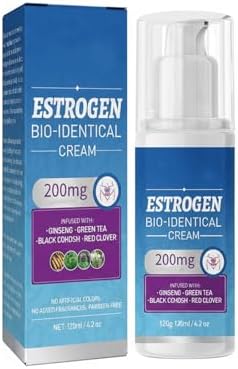

The decrease in estrogen that accompanies menopause is particularly significant for skin health. Estrogen plays a crucial role in maintaining skin’s hydration, elasticity, and overall vitality. As estrogen levels decline, many women experience skin-related changes, such as increased dryness, thinning, and a loss of elasticity. These changes can lead to visible signs of aging, including wrinkles and sagging skin.
Understanding these hormonal shifts is essential for addressing the skincare challenges that arise during menopause. Acknowledging how decreased estrogen levels contribute to skin issues will guide women in their search for effective skincare solutions tailored to meet their unique needs during this transformative stage of life. As more information becomes available regarding the M-Pause market, women are encouraged to explore products specifically designed to combat the skin changes induced by hormonal fluctuations.
The Hormonal Impact on Skin Health
Menopause marks a significant transition in a woman’s life, characterized by a decline in hormone levels, particularly estrogen. This decrease in estrogen has profound implications for skin health, as this hormone plays a critical role in maintaining skin integrity and appearance. One of the most immediate effects of lower estrogen is a decrease in skin hydration. Estrogen is essential for the production of hyaluronic acid, a natural component responsible for skin moisture. When estrogen levels fall, the skin’s ability to retain water diminishes, leading to dryness and a less plump appearance.
Furthermore, estrogen is vital for collagen production, which is crucial for skin elasticity. Collagen serves as the structural protein in the skin, contributing to its firmness and resilience. As estrogen levels decline during menopause, women often experience a reduction in collagen synthesis, resulting in thinner skin that is more susceptible to sagging and wrinkles. The loss of collagen can also make fine lines and age spots more prominent, impacting overall skin texture and tone.
In addition to hydration and collagen, the hormonal changes during menopause can affect the skin’s barrier function. This barrier is essential for protecting the skin from environmental stressors and maintaining overall health. Without adequate estrogen, the skin’s barrier may weaken, leading to increased sensitivity and susceptibility to irritation. Consequently, many women find that their skin reacts differently to products that worked well for them before menopause.
Overall, the hormonal impact of menopause on skin health cannot be underestimated. The decline in estrogen levels leads to key changes that can affect hydration, collagen production, and skin texture. It is important for women undergoing this transition to consider skincare routines that are tailored to address these hormonal changes, aiming to restore balance and maintain skin vitality.
Identifying Skin Changes During Menopause
Menopause heralds a series of natural biological changes, prominently affecting the skin. The decline in estrogen levels during this phase significantly alters skin texture and appearance, leading to several common skin changes that women should be cognizant of. Understanding these transformations can empower women to embrace this period with confidence.
One prevalent change is skin dryness, which is caused by reduced oil production. Estrogen is responsible for maintaining skin moisture by regulating oil glands. As its levels drop, many women notice an increase in dryness, often accompanied by a rougher skin texture. This condition can be exacerbated by environmental factors such as weather changes, leading to discomfort and even irritation.
Wrinkles are another noticeable aspect of menopausal skin changes. As the skin becomes thinner and loses elasticity, the appearance of fine lines and wrinkles becomes more pronounced. Collagen production diminishes during menopause, contributing to sagging and the development of deeper creases. This transformation can impact self-esteem, prompting women to seek various skincare solutions.
Furthermore, age spots, or liver spots, can become more common as skin pigmentation changes occur during this time. These flat brown spots appear primarily on sun-exposed areas, and while they are generally harmless, their presence can be unwelcome. It is essential for women to realize that these age spots are a normal consequence of aging and hormonal changes.
In recognizing these skin changes, women can better navigate their skincare routines to address dryness, wrinkles, and age spots, making mindful choices in products and treatments that cater to the unique needs of their skin during this transitional phase. Embracing these changes as a natural part of the menopause journey can foster a more positive self-image and overall wellbeing.
The Underserved Market: M-Pause Beauty Products
The beauty industry has long celebrated youth, often overlooking the unique skincare needs of menopausal women. As hormonal changes become evident, they take a toll on skin health, resulting in dryness, loss of elasticity, and increased sensitivity. Surprisingly, very few beauty products have been specifically formulated to address these challenges, highlighting a significant gap in the market. The emergence of beauty products targeting menopausal skin is gradually gaining traction, with an increased awareness of this often underserved demographic.
Research indicates that menopausal women are actively seeking solutions to adapt their skincare routines. This evolving consumer behavior underscores the importance of developing products that cater to their distinct needs. Moisturizers with hyaluronic acid and peptides are emerging as popular options, helping to combat dryness and enhance skin resilience. Products designed to restore skin’s natural barrier and improve hydration levels are essential for those experiencing increased sensitivity due to hormonal fluctuations.
Moreover, there is a growing recognition of the need for transparency in ingredient formulations. Menopause-related beauty products must prioritize skin-friendly ingredients, steering clear of common irritants such as synthetic fragrances and parabens. This growing demand for clean, effective skincare solutions aligns with a broader trend towards sustainability and wellness within the beauty industry.
By addressing the specific skin concerns associated with menopause, brands can not only fill a substantial gap in the market but also empower women to embrace this life stage with confidence. The development of innovative M-Pause beauty products represents a vital step in acknowledging and catering to the needs of an aging population. As the demand for these products continues to rise, it offers not only a commercial opportunity but also the potential for societal change, reframing perceptions of beauty at every age.
Essential Ingredients for Menopausal Skin Care
Menopausal skincare requires a thoughtful approach to combat the challenges posed by hormonal changes that often lead to dryness and loss of elasticity. To effectively address these issues, it is essential to incorporate key ingredients known for their beneficial properties. Notably, hyaluronic acid plays a critical role in hydration. This powerful humectant can hold up to 1,000 times its weight in water, making it an ideal component for restoring moisture levels in menopausal skin. By attracting and retaining moisture, hyaluronic acid helps to plump up the skin, thereby reducing the appearance of fine lines and wrinkles.
Another significant ingredient is peptides. These small chains of amino acids are crucial for stimulating collagen production, which often declines during menopause. By using skincare products infused with peptides, women can support skin structure, improving elasticity and firmness. The revitalizing effect of peptides contributes to a more youthful and resilient complexion.
Additionally, vitamin E is a potent antioxidant that tackles oxidative stress and assists in skin repair. It is known for its ability to nourish and protect the skin, promoting a healthy barrier function. This can be particularly beneficial for menopausal skin that may become more susceptible to environmental aggressors.
Lastly, incorporating plant-based moisturizers, such as shea butter or almond oil, can offer excellent emollient properties. These natural ingredients provide deep hydration, helping to soothe irritated skin while providing essential fatty acids that support the skin’s lipid barrier. As a result, they can significantly alleviate the discomfort associated with dryness.
Including these key ingredients in skincare routines can make a substantial difference in the overall health and appearance of menopausal skin, allowing women to embrace their beauty during this transformative phase of life.
Daily Skincare Routine for Menopausal Women
As women transition into menopause, their skin undergoes significant changes due to fluctuating hormone levels. These changes can result in increased dryness, sensitivity, and signs of aging. Therefore, establishing a tailored skincare routine is crucial in maintaining skin health and beauty. A well-structured regimen will include steps to cleanse, hydrate, protect, and nourish the skin.
The first step in the routine is cleansing. It is advisable to use a gentle, hydrating cleanser that does not strip the skin of its natural oils. Look for products containing ingredients such as glycerin or ceramides that help retain moisture. Cleansing should be done twice daily, in the morning and evening, to keep the skin clear without over-drying.
Next, consider incorporating a toner. Opt for an alcohol-free toner enriched with soothing botanicals. This can help to prepare the skin for further treatments while adding an additional layer of hydration.
After cleansing, applying a serum is beneficial. Focus on serums that contain hyaluronic acid, peptides, or antioxidants, which help combat dryness and promote skin elasticity. These ingredients can stimulate collagen production and offer essential nourishment that menopausal skin craves.
Moisturizing is a critical step, as menopausal skin often fails to retain moisture effectively. Choose a rich, hydrating cream or lotion that incorporates ingredients like shea butter or squalane, both known for their emollient properties. The moisturizer should be applied both in the morning and evening to lock in moisture.
Finally, do not overlook sun protection. Sunscreen is essential, even on cloudy days, to protect against UV damage. A broad-spectrum sunscreen with an SPF of at least 30 should be used daily, as UV exposure can exacerbate skin aging.
In conclusion, a comprehensive skincare routine for menopausal women should emphasize hydration and protection. By following these steps and selecting the right products, women can maintain their skin’s health and beauty throughout this transitional phase.

- Instant Bath-Time Repair: This deep hydration formula restores skin’s balance post-bath, ensuring an instant silky-smoot…
- Balanced Skin Enhancement: This estrogen cream ensures sensitive areas are gently regulated while maintaining the skin’s…
- Skin-Friendly Formula: This estrogen cream features a gentle care formula with a creamy texture that adheres quickly to …
Lifestyle Adjustments for Better Skin Health
The process of menopause can bring about numerous changes in a woman’s body, one of which is the alteration in skin health. During this transition, it becomes increasingly critical to adopt certain lifestyle adjustments that can significantly improve skin vitality and appearance. These adjustments center primarily around diet, hydration, exercise, and effective stress management.
A balanced diet plays a pivotal role in enhancing skin health. Consuming foods rich in antioxidants, vitamins, and minerals can promote collagen production and skin elasticity. For instance, incorporating fruits such as berries and oranges can provide essential vitamin C, known for its collagen-boosting properties. Additionally, consider vegetables rich in beta-carotene like sweet potatoes and carrots, as they can also support skin health.
Hydration is fundamental during menopause, given that hormonal changes can lead to drier skin. Drinking adequate amounts of water daily is essential to maintain skin moisture levels. Aiming for at least eight 8-ounce glasses of water, along with herbal teas and hydrating fruits such as watermelon, can help keep the skin plump and luminous.
Regular exercise offers dual benefits for skin health and overall well-being. Physical activity increases blood flow, delivering more nutrients to the skin while promoting the elimination of toxins. Activities such as walking, yoga, or swimming can be particularly beneficial in maintaining a healthy skin glow, as they reduce stress and improve mood.
Speaking of stress management, high-stress levels can exacerbate skin issues. Techniques such as meditation, deep breathing exercises, and adequate sleep can mitigate stress and improve skin dynamics. Creating a harmonious balance between lifestyle choices can thus contribute to enhanced skin health during menopause.
Menopause can bring various emotional and physical challenges, making self-care an essential practice for women during this transitional period. Engaging in self-care not only alleviates symptoms but also enhances overall well-being. Mindfulness techniques, such as meditation and deep-breathing exercises, can help to ground individuals and provide a sense of emotional stability. These practices encourage women to connect with their inner selves, fostering a positive outlook during a phase that often includes stress and uncertainty.
Incorporating relaxation techniques into daily routines is equally important. Activities like yoga, tai chi, or simply taking leisurely walks can significantly reduce anxiety levels and promote physical health. Additionally, these activities can improve flexibility and strength, counteracting some of the physical discomforts associated with menopause, such as joint stiffness or weight gain. Emphasizing relaxation helps create a buffer against the stresses of daily life, further supporting emotional well-being.
The role of pampering oneself during menopause cannot be overlooked either. Beauty rituals, such as skincare routines or indulging in spa treatments, serve not only to enhance appearance but also to build self-esteem. When women take time to care for their skin and overall appearance, it reinforces a positive self-image, which can often suffer during this stage. Such rituals offer an opportunity to indulge in personal time, allowing for refreshment of the spirit and an increase in self-compassion.
Ultimately, a balanced approach to self-care—with a focus on mindfulness, relaxation, and beauty practices—can empower women during menopause. By prioritizing their well-being, women can navigate the emotional and physical transformations of this life phase with grace and resilience.
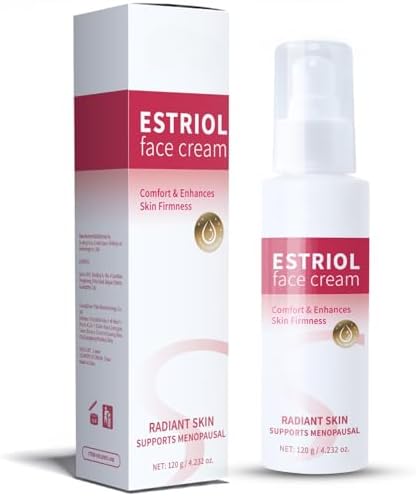
- HORMONE-BALANCING FACE CREAM – Infused with Estriol and natural botanicals, the face moisturizer for women support hormo…
- DEEP HYDRATION & ANTI-AGING BENEFITS – Hyaluronic Acid lock in moisture, plump fine lines, and enhance elasticity for fi…
- SKIN BRIGHTENING & PIGMENT CORRECTION – Rich in aloe vera extracts, this anti wrinkle night cream gently lighten dark sp…
Future Trends in the M-Pause Beauty Industry
The M-Pause beauty industry is rapidly evolving, reflecting a growing awareness of the unique health and beauty needs of women navigating menopause. One significant future trend is the increased development of targeted products specifically designed to address menopause-related changes. This is particularly pertinent as women seek formulations that not only cater to the alterations in skin texture and elasticity but also support emotional well-being. Brands that focus on creating such innovative solutions will likely gain traction among consumers looking for effective ways to maintain their beauty routines during this transitional period.
Additionally, advancements in skincare technology promise to revolutionize how products are tailored for menopausal women. With the rise of personalized skincare solutions, we can expect brands to harness data analytics and artificial intelligence to create customized formulations. These innovations allow for a deeper understanding of individual skin types and preferences, leading to products that adapt to hormonal changes experienced during menopause. Ingredients like phytoestrogens and natural botanicals are likely to gain popularity, further enhancing the effectiveness of these formulations.
Moreover, as societal attitudes towards menopause continue to shift, there is a growing potential for increased visibility of women’s health issues in mainstream beauty marketing. The portrayal of menopausal women in advertising and media is expanding, fostering a culture of acceptance and empowerment. As brands actively engage in these conversations, they will likely develop more inclusive marketing strategies that resonate with a broader audience. The collaboration between beauty brands and healthcare professionals may also emerge, guiding the creation of content that educates consumers on the intricate link between skincare and overall wellness during menopause.