Understanding the Air Purification Technology
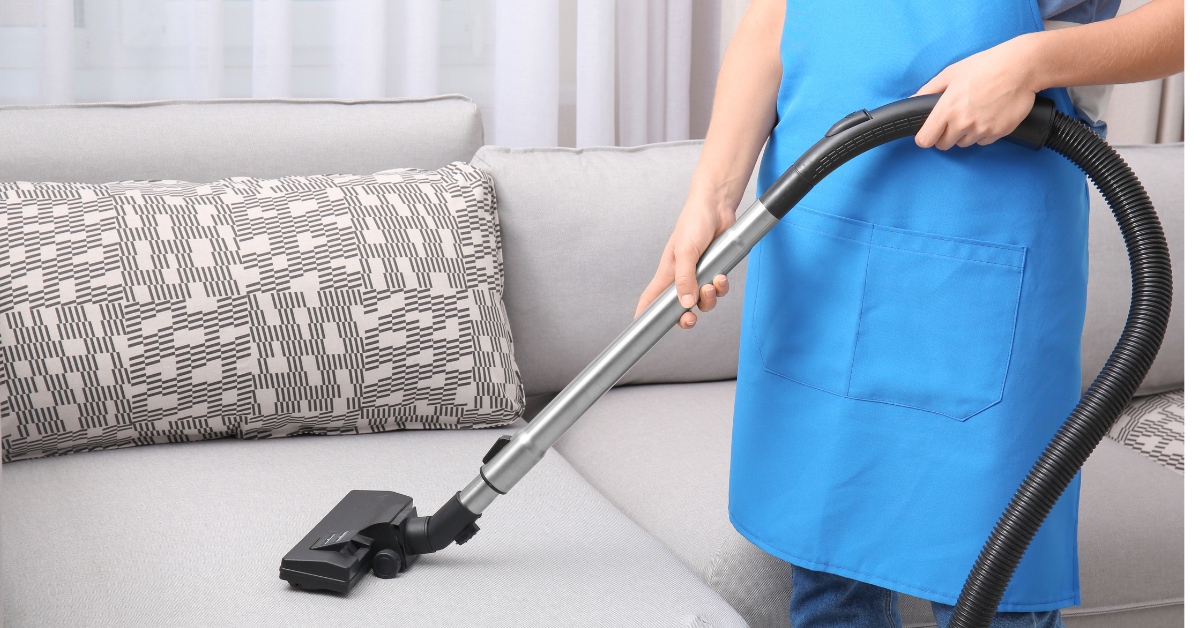
Additionally, many traditional air purifiers incorporate activated carbon filters, which excel in reducing odors and volatile organic compounds (VOCs). These filters work by adsorbing harmful fumes and smells from the air, providing further purification beyond particulate capture. However, the reliance on phyical filtration methods limits the scope of traditional air purifiers, as they may not eliminate pathogens such as bacteria and viruses.


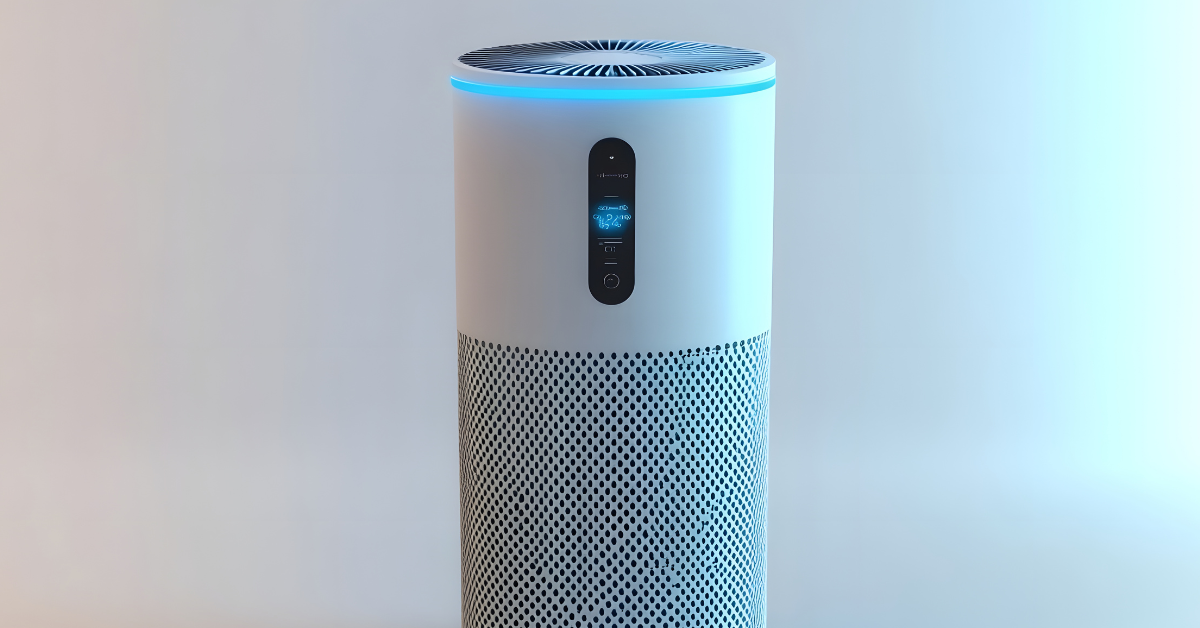
On the other hand, smart air purifiers integrate advanced technologies that enhance operational efficiency. Many of these devices utilize HEPA filters combined with UV light technology to offer a multi-faceted approach to air purification. The ultraviolet (UV) light works to neutralize bacteria and viruses, thus providing a higher level of sanitation compared to traditional models. Furthermore, smart air purifiers are equipped with sensors and IoT capabilities that allow real-time monitoring and control through mobile applications, thereby optimizing performance based on current air quality levels.
By understanding the fundamental differences in air purification technologies, consumers can make informed decisions tailored to their specific needs. Traditional models focus on physical filtration, while smart purifiers leverage advanced technology for enhanced indoor air quality. This distinction lays the groundwork for a more comprehensive comparison of these two types of air purifiers in subsequent sections.
Advantages of Smart Air Purifiers
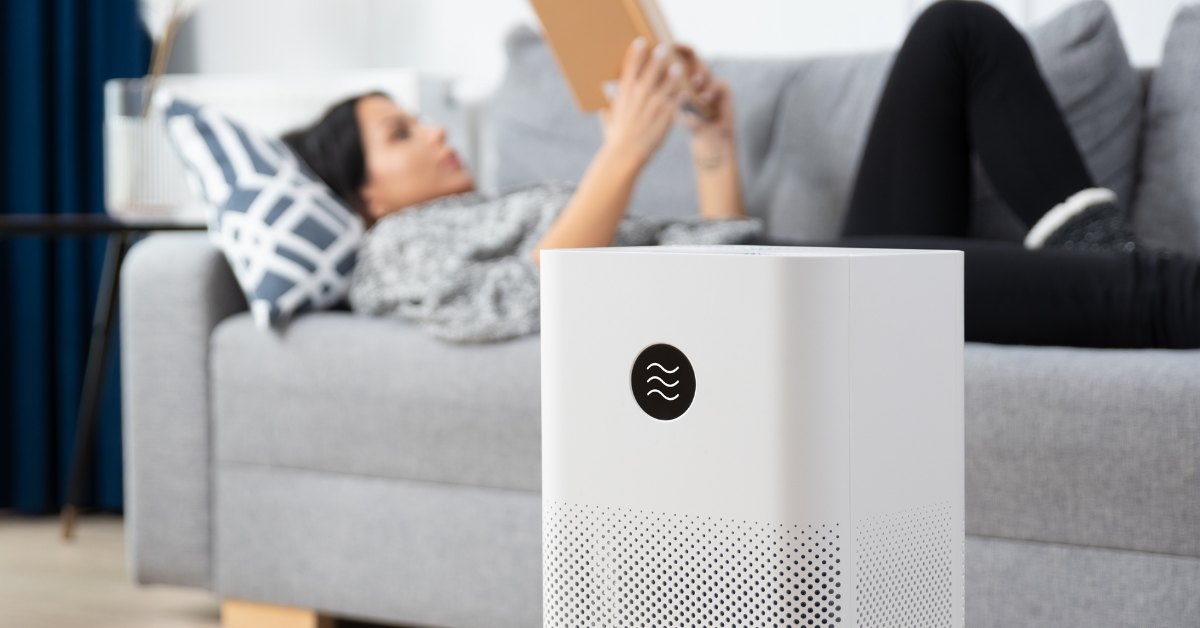
Smart air purifiers represent a significant advancement in indoor air quality management compared to traditional models. One of the prominent advantages is their app connectivity, allowing users to monitor and control the air purification process remotely. Through dedicated applications, individuals can access real-time data on air quality levels, filter status, and energy consumption, providing a comprehensive view of their environment. This level of connectivity empowers users to make informed decisions regarding air quality management.
Another key benefit of smart air purifiers is their ability to automate adjustments based on real-time air quality readings. By utilizing advanced sensors, these devices can detect pollutants such as dust, smoke, and pet dander in the air and automatically adjust the purification levels to maintain a healthy atmosphere. This feature not only optimizes performance but also enhances energy efficiency, ensuring that the device operates only as needed.
Integration with smart home systems is another standout advantage of smart air purifiers. Many models are compatible with popular smart home ecosystems, such as Amazon Alexa and Google Assistant, enabling voice control capabilities. Users can effortlessly incorporate air purification into their daily routines, such as setting schedules or responding to voice commands. Furthermore, this integration allows for a synergistic relationship with other smart devices, creating a holistic environment that actively works to improve air quality.
In addition, the advanced filtration systems found in some smart air purifiers can effectively capture smaller particles and allergens when compared to traditional models. This enhanced filtration capability ensures that the air circulating in a home is cleaner and healthier, benefiting individuals with allergies or respiratory conditions. Together, these technologies illustrate the advantages of upgrading to a smart air purifier over its traditional counterpart.
Considerations for Choosing the Right Purifier
When selecting between a smart air purifier and a traditional air purifier, several key factors should be taken into account. First and foremost is the budget, as prices can vary significantly across different models. Smart air purifiers typically come at a higher price point due to their advanced features, such as app connectivity and real-time air quality monitoring. It is crucial to evaluate whether the added cost aligns with your air purification needs.
Another vital aspect is the size of the room where the purifier will be used. It is essential to choose a unit that is capable of effectively covering the intended area. Traditional purifiers may suffice for smaller spaces, while smart options often provide specifications that detail their coverage capabilities, helping you make an informed decision.
Moreover, consumers should consider their specific air quality requirements. For instance, households with pets, allergies, or other unique needs may benefit more from a smart air purifier, which often includes specialized filters and settings. This feature allows users to adjust their devices to combat specific pollutants effectively.
Energy efficiency is another critical consideration, particularly in terms of long-term operational costs. Smart air purifiers frequently include energy-saving modes that reduce electricity consumption, making them appealing to consumers focused on sustainability and cost efficiency. Traditional models might use more energy, necessitating a careful assessment of the potential long-term expenses.
Finally, maintenance costs should not be overlooked. Smart purifiers often notify users when filters need replacing and may offer subscription services for filter delivery. Conversely, traditional purifiers might require more manual monitoring, potentially leading to oversight in maintenance. Evaluating these factors in relation to your lifestyle will greatly assist in determining the best choice for your living environment.
The Future of Air Purification Technologies
As we progress towards 2026, the air purification industry is poised for significant advancements driven by innovative technologies and an increasing focus on health and environmental sustainability. Smart air purifiers, which integrate advanced monitoring capabilities and connectivity options, are expected to become more prevalent. These devices will not only filter air but also provide real-time data about indoor air quality, allowing users to make informed decisions regarding their surroundings. The integration of artificial intelligence (AI) will enable these systems to adapt to specific environments dynamically, learning user patterns and optimizing purification processes accordingly.
Emerging trends indicate a shift towards multi-functional air purifiers that combine air cleaning with other essential home functions. For instance, some devices may incorporate dehumidifiers, humidifiers, and even UV light sterilization systems to tackle a broader spectrum of air quality issues. This holistic approach to air purification can effectively combat various pollutants, including allergens, particulate matter, and volatile organic compounds that permeate our living spaces.
Moreover, the role of air purifiers is becoming even more critical in an era marked by increasing urban pollution and ongoing public health challenges. With heightened awareness surrounding airborne diseases and allergens, future innovations will focus on enhancing the effectiveness of traditional filtration systems, such as HEPA filters. Additionally, new materials and technologies, including photocatalytic filters and ionization techniques, are being explored for their potential to eliminate pathogens from the air.
In conclusion, the air purification landscape is likely to evolve dramatically by 2026 and beyond. Consumers should remain informed of these developments, as they will significantly influence the choices available in the market. Investing in a thoughtful selection of air purification technology not only benefits immediate health but also aligns with growing concerns regarding environmental sustainability.